Author: News US

  • Jimmy Kimmel recently revealed that his youngest son, Billy, has successfully undergone his third open-heart surgery, another milestone in his fight against a rare heart defect. Now seven, Billy continues to inspire his family and millions of fans. Now, with this latest surgery behind them, the Kimmels are bracing for another critical chapter in Billy’s ongoing heart journey – News

    Jimmy Kimmel Opens Up About Son Billy’s Life-Threatening Heart Battle

    When Jimmy Kimmel took the stage of his late-night show in April 2017, viewers were expecting his usual blend of humor and irreverence. What they got instead was raw, emotional, and deeply personal. Kimmel revealed that his newborn son, Billy, was facing a life-threatening heart condition: tetralogy of Fallot with pulmonary atresia, a rare congenital defect that affects the heart’s ability to pump blood effectively.

    Billy was born just days before this announcement, and almost immediately, doctors recognized the severity of his condition. Kimmel described the moment he first learned of Billy’s diagnosis as a blur of fear and disbelief. “It was like the world stopped,” he said. “All I could think about was, ‘How do I protect this tiny human I just met?’”

    The condition required urgent medical intervention. Billy underwent open-heart surgery at just a few days old at Children’s Hospital Los Angeles, a procedure so complex that it could take several hours and carried significant risks. Kimmel shared intimate details about the preparation, the waiting, and the emotional toll of watching his tiny son fight for his life in the operating room. He recounted pacing the hospital corridors, grappling with helplessness, and finding solace in the skilled hands of the surgical team.

    In his emotional monologue on the show, Kimmel described every moment with stark honesty—holding his breath as doctors explained the procedure, the fear of losing his child, and the surreal experience of seeing Billy emerge from surgery, fragile but alive. He used the platform not just to tell his story but to advocate for accessible health care, saying, “No parent should ever have to choose between their child’s life and their bank account.”

    Since that terrifying beginning, Billy has faced additional health challenges. By 2024, Kimmel revealed that Billy had successfully undergone his third open-heart surgery. Yet, despite the repeated surgeries and hospital stays, Billy was thriving. Kimmel proudly described him as “the toughest (and funniest) 7-year-old we know,” reflecting both the child’s resilience and the family’s unbreakable bond.

    Throughout this journey, Kimmel’s wife, Molly McNearney, and their family became pillars of strength. Kimmel often acknowledged that humor and love were critical coping mechanisms. In interviews, he described how the couple’s older children, Jane and Katie, brought laughter into tense hospital rooms, reminding him of the ordinary joys of family life even in extraordinary circumstances.

    Billy’s health battle has become not just a story of survival but a testament to the power of parental love, medical expertise, and resilience. Kimmel’s candid sharing of these moments—balancing sorrow with humor, fear with hope—offered viewers an unflinching look at the realities of congenital heart disease, and the enduring strength of family when faced with life’s most harrowing moments.

    Billy Kimmel’s journey is far from over, but his story serves as a beacon for families everywhere, proving that courage, love, and laughter can coexist even in the most challenging times.

    News

    After Cheating on Me, My Ex Cut up My Favorite Outfits So I Wouldn’t ‘Look Pretty for Another Man’

    I thought leaving after his affair was the hardest part. Then I walked in and saw my husband cutting my…

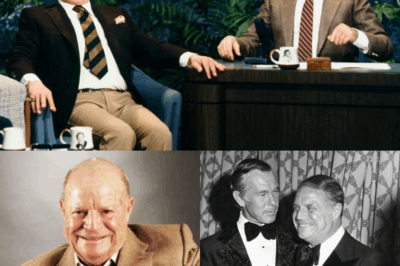
    Before Death, Don Rickles Exposed The Truth About Johnny Carson

    Don Rickles was the kind of comedian who could walk into any room—be it a smoky Las Vegas lounge or…

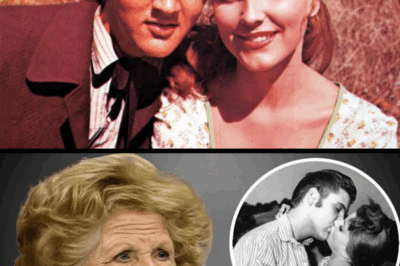
    At 92, Debra Paget Finally Reveals Why She Rejected Elvis Presley

    If you ask anyone who truly broke Elvis Presley’s heart, most fans will point to the whirlwind romance between the…

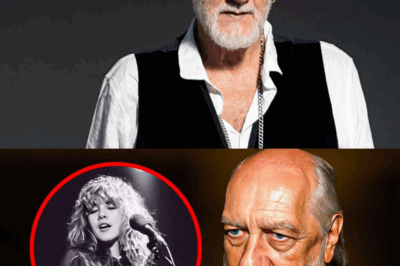
    Mick Fleetwood turned 78 this year. For decades, he kept the darkest secrets of Fleetwood Mac locked away. But now, he’s finally talking. The affairs that destroyed friendships. The cocaine that cost him $60 million. The betrayal that made Stevie Nicks ban someone from the studio. In March 2025, something happened that shocked everyone. Mick and Lindsey Buckingham were back in the studio together. What they discussed wasn’t just music. It was the truth about what really tore the band apart. And why Stevie might never forgive him.

    At 78, Mick Fleetwood Finally Breaks His Silence on Fleetwood Mac’s Most Explosive Secrets Mick Fleetwood turned 78 this year,…

    In 2013, Richard Dean Anderson shocked Hollywood by walking away from $30 million worth of projects. He was only 63. His career was still hot. Studios were begging him to come back. But Anderson had a secret. Sources close to Anderson reveal he’s been carrying a dark secret about the industry for decades. Something that happened during his MacGyver years traumatized him so deeply, he’s never spoken about it publicly. What Hollywood insiders did to him explains why he chose silence over stardom.

    Richard Dean Anderson’s Disappearance from Hollywood: The Untold Truth In 2013, Hollywood was left reeling when Richard Dean Anderson, the…

    Bill Maher criticizes ‘The View’ for staying silent about the suspension of ‘Jimmy Kimmel Live!’, but he was unaware that Whoopi had made a discreet move that even Jimmy himself couldn’t believe.

    Bill Maher Slams ‘The View’ For Staying Silent On Jimmy Kimmel Suspension – But Whoopi Goldberg’s Quiet Move Left Even…


    End of content

    No more pages to load

    Next page

  • I Spent Months Preparing My First Book Launch, But My Kids Skipped It For A Spa Day. So I… – News


    I stood alone in that empty bookstore, clutching my debut novel, while the few strangers who’d wandered in for free wine asked if I knew where the bathroom was. My own children chose their sister-in-law’s mother’s spa day over supporting their mother’s lifelong dream. That’s when I realized I was done being invisible in my own family.
    If you’re watching this, subscribe and let me know where you’re watching from. Let me back up and tell you how a 62-year-old retired English teacher ended up having the worst and best day of her life. Simultaneously, three years ago, after decades of grading papers and nurturing other people’s children, I finally decided to write the novel I’d been carrying in my heart since I was 20. Not some great American masterpiece, mind you.
    Just a simple story about a woman finding her voice later in life. Apparently, that was too ambitious for my family’s attention span. I’m Sarah Mitchell, and I spent 35 years teaching high school English in Cedar Rapids, Iowa.

    I raised two children mostly on my own after their father decided family life wasn’t fulfilling his potential when Marcus was 12 and Rachel was nine. I worked double shifts tutoring to pay for their college educations, their weddings, their down payments. I was the reliable one, the one who showed up, the one who never comp
    lained. The book launch was scheduled for 200 p.m. on Saturday at Morrison’s Books, a cozy independent bookstore downtown. I’d invited exactly seven people. Marcus, his wife Jessica, Rachel, her husband David, and my three precious grandchildren. Not exactly a massive guest list, but these were the only people whose presence mattered to me. Friday night, Jessica called, “Sarah, I’m so sorry, but tomorrow isn’t going to work for us.
    ” Her voice had that practice tone of false regret I’d heard countless times. Beverly planned this amazing spa day for all the women, and she’s been looking forward to it for months. You understand, right? Beverly, my son’s mother-in-law, who treated Jessica like a princess and viewed me as the annoying former owner of her precious Marcus, the woman who threw elaborate birthday parties for my grandchildren and somehow forgot to invite me half the time.

    It’s my book launch. Jessica, I said carefully. I’ve been working on this for three years. I know, sweetie, but family comes first. Beverly specifically requested that I bring the kids. She’s rented this incredible spa in De Moine for the whole day. The girls will love it. Family comes first.
    The irony wasn’t lost on me. Marcus got on the phone. Mom, you know how important these family relationships are. Jessica’s parents have been so good to us. We can’t disappoint them. 24 years of raising that boy, and this is what I got. What about your relationship with me, Marcus? Don’t be dramatic, Mom. It’s just a book signing. We’ll buy the book later.
    Just a book signing. Three years of early mornings before school, late nights after grading, weekends spent researching and writing while they were off living their busy, important lives. Just a book signing. Rachel called an hour later. Mom, I heard about the spa thing.
    David and I were planning to come, but now it feels weird being the only ones there. Maybe we should reschedule for when everyone can make it. And there it was, the final nail in the coffin of my maternal illusions. Saturday arrived, gray and drizzly, matching my mood perfectly. I dressed carefully in my best navy suit, the one I’d bought for Marcus’s wedding.
    I did my makeup twice, wanting to look professional and confident. I was going to make the best of this disaster if it killed me. Morrison’s books had set up a small display with 15 copies of Second Chances. My novel about a teacher who discovers love and adventure after retirement.
    The irony of that title wasn’t lost on me either, sitting there alone while other people’s families browse the shelves around me. “Mrs. Henderson, the store owner, tried to be encouraging. Sometimes the best book events are intimate,” she said, refilling my water glass. “More meaningful conversations.

    meaningful conversations with whom? The college student who asked if I was giving out free bookmarks. The elderly man who wondered if my book had large print. By 400 p.m. I’d sold exactly three copies. One to Mrs. Henderson herself, one to my former colleague Janet Morrison, no relation to the bookstore, and one to a kind stranger who said she admired my persistence.
    I drove home in silence, my boxes of unsold books in the back seat like witnesses to my humiliation. The house felt different when I walked in. Not empty, but expectant, like it was waiting for something to happen. That’s when I saw the photos on my mantelpiece with new eyes. Me at Marcus’s graduation, standing slightly behind Jessica’s parents.
    Me at Rachel’s wedding, cropped out of half the pictures. Me at every birthday party, holiday gathering, and family celebration. Always present, but never central. Always supporting but never supported. I poured myself a glass of wine, a good bottle I’d been saving for the celebration that never happened, and made a decision that had been building in my heart for years.
    Some people say revenge is a dish best served cold, but I prefer to think of it as justice served at exactly the right temperature. That night, I didn’t sleep. I planned. Sunday morning dawned crisp and clear, the kind of October day that makes you believe in new beginnings. I made myself a proper breakfast, something I rarely did anymore, and sat at my kitchen table with my coffee and a legal pad.

    You know what’s funny about being taken for granted? People stopped noticing you’re even there until suddenly you’re not. My family had gotten so comfortable with my predictable presence that they’d forgotten I was a person with feelings, dreams, and choices. Well, they were about to get a master class in Sarah Mitchell’s decision-making abilities.
    I started with a list, not a grocery list or a to-do list, but a reckoning. 35 years of teachers organization habits die hard, and I needed to see everything laid out clearly before I acted. Financial support provided over the years. Marcus’ college tuition, $47,000. Rachel’s college tuition, $52,000. Marcus’ wedding contribution, $15,000.
    Rachel’s wedding contribution, $18,000. Down payment help for Marcus’ house, $25,000. Down payment help for Rachel’s condo, $20,000. Various emergency loans never repaid, approximately $12,000. Babysitting services provided free of charge, roughly 500 hours per year for 10 years.
    The numbers were staggering when I wrote them out. Nearly $200,000 in direct financial support, plus a decade of free child care that would have cost them thousands more. And what had I gotten in return? Empty promises to make it up to me later.
    Peruncttory birthday cards signed by grandchildren who barely knew me and yesterday’s humiliation. I picked up my phone and scrolled through the photos from Beverly’s spa day that Jessica had posted on social media. My grandchildren laughing in fluffy bathroes, getting their nails done, faces glowing with happiness. The caption read, “Best Saturday ever with our favorite grandmother.

    Hash blessed hash family # spayday. Our favorite grandmother. Not their only grandmother, but their favorite one, the one who mattered.” I closed the app and opened my banking website instead. You see, what my family never understood was that their old mom wasn’t just some retired teacher living on a pension.
    35 years of careful saving, smart investments, and modest living had left me quite comfortable. The house was paid off. My retirement account was healthy, and I’d inherited a nice nest egg from my parents. I wasn’t wealthy by rich people’s standards, but by normal standards, I was doing just fine.
    More importantly, I was the beneficiary of a life insurance policy my ex-husband had been required to maintain after our divorce. The irresponsible man who’d abandoned us had at least done one thing right. He died last year and left me $300,000 I’d never told my children about. Not out of secrecy, but because I’d learned that telling my family about money was like ringing a dinner bell for wolves. I ma
    de my first call at 10:00 a.m. Morrison and Associates, this is Linda speaking. Hi, Linda. This is Sarah Mitchell. I need to speak with Tom Morrison about updating my will. Tom had handled my divorce 20 years ago and had been gently suggesting I update my estate planning ever since. He was going to be very surprised by the conversation we were about to have.
    Sarah, how did the book launch go yesterday? Even my lawyer remembered my book launch. Let’s just say it gave me some clarity about my priorities. Can you see me tomorrow morning? Of course. Is everything all right? Everything’s about to be perfect. After hanging up with Tom, I made my second call. First National Bank Trust Department. This is Patricia. Patricia, this is Sarah Mitchell. I need to establish an educational trust fund.
    Can you walk me through the process? By noon, I had three appointments scheduled for Monday morning. Tom Morrison at 9:00 a.m., the bank at 11:00 a.m., and my financial adviser at 2:00 p.m. I was going to be a very busy woman. I spent the afternoon doing something I hadn’t done in months, reading for pleasure.
    I curled up in my favorite chair with a cup of tea and lost myself in someone else’s story. Far away from spa days and ungrateful children. Around 5:00 p.m., my phone buzzed with a text from Marcus. How did the book thing go yesterday? The book thing? Three years of work reduced to the book thing.
    I typed back, “It was illuminating.” He responded immediately, “That’s great, Mom. Sold a lot of books. I learned exactly where I stand with the people who matter most to me.” I didn’t respond. Let him wonder. That evening, I did something else I hadn’t done in years. I called my sister Margaret in Phoenix.
    Margaret, who’d moved away 20 years ago and had been trying to convince me to visit ever since. Sarah, what a wonderful surprise. How are you, honey? I’m having an awakening. Maggie, a long overdue awakening. About time. What’s the catalyst? I told her about the book launch, about the spa day, about 30 years of being everyone’s backup plan. Margaret listened without interrupting, making the occasional sympathetic noise.

    “So, what are you going to do about it?” she asked when I finished. “Something I should have done years ago. something that’s going to make them realize exactly what they’ve been taking for granted. I’m proud of you, sister. And whatever you’re planning, you have my full support. How’s the guest room situation at your place? Margaret laughed.
    The guest room is always ready for you, Sarah Mitchell. Always. After we hung up, I sat in my quiet house and felt something I hadn’t experienced in years. Anticipation. Tomorrow was going to be a very interesting day. And for the first time in decades, I was the one writing the script. But I had one card left to play that they never saw coming.
    Monday morning arrived with the kind of crisp clarity that makes big decisions feel inevitable. I dressed in my best black suit, the one that made me feel like I meant business, and drove downtown with a sense of purpose I hadn’t felt in years. Tom Morrison’s office hadn’t changed much since my divorce proceedings.
    same oak furniture, same law books, same smell of coffee and important documents. But I was definitely not the same woman who’d sat in that chair 20 years ago, desperately trying to figure out how to survive my husband’s abandonment. Sarah, you look wonderful, Tom said, gesturing for me to sit. I’m sorry to hear the book launch didn’t go as hoped.
    Actually, it went exactly as it needed to. Sometimes disappointment is just clarity wearing work clothes. Tom raised an eyebrow. He’d always appreciated my teacher metaphors. All right, let’s talk about what you want to change. I pulled out my legal pad with its neat columns and bullet points.
    I want to completely restructure my will and establish several trusts. My current will leaves everything equally to Marcus and Rachel. I want to change that. Okay. What kind of changes are we talking about? I want to establish educational trusts for my three grandchildren, Lily, Tommy, and Emma. full college tuition, graduate school if they choose, but with specific conditions attached. Tom started taking notes.
    What kind of conditions? The money can only be accessed if they maintain a relationship with me. Not forced visits or fake affection, but genuine connection, letters, phone calls, spending time together. If they’re too busy for their grandmother, they’re too busy for their grandmother’s money. That’s actually quite reasonable. What about your children? I took a deep breath.
    This was the hard part, but also the most necessary part. Marcus and Rachel will each receive $10,000. Enough to be generous, not enough to matter. Tom’s pen stopped moving. Sarah, your estate is worth considerably more than $20,000. What happens to the rest? 50,000 goes to the Cedar Rapids Public Library for their literacy programs. 25,000 to the local animal shelter. 25,000 to the food bank.
    I paused, savoring the next part, and the remainder goes to Margaret, my sister, who’s been asking me to visit for 20 years while my own children can’t be bothered to attend my book launch. The silence in the office was profound. Tom sat down his pen and leaned back in his chair.

    Sarah, I have to ask, is this about yesterday or is this about a pattern of behavior you’ve been dealing with? It’s about 30 years of being treated like hired help instead of a mother. It’s about grandchildren who know their other grandmother’s favorite restaurant but don’t know mine. It’s about children who view me as an ATM with emotional problems rather than a person deserving of basic respect.
    I pulled out my phone and showed him Jessica’s Instagram post from Saturday. This was posted while I was sitting alone at my book signing. My daughter-in-law called it their day with their favorite grandmother. Not their only grandmother, their favorite. Tom studied the photos, his expression growing more serious.
    Have you talked to your children about how you feel? For years, Tom. And the response is always the same. I’m being too sensitive, too dramatic, too needy. Well, maybe it’s time I lived up to those accusations. He nodded slowly. I can draft these documents, Sarah, but I want you to think about this for a few days. Estate planning done in anger sometimes creates regrets later. I’m not angry.
    Tom, I’m awake. There’s a difference. After leaving Tom’s office, I drove to First National Bank, feeling lighter than I had in months. The trust department was on the second floor, all marble and mahogany, and the quiet confidence of old money. Patricia Wells, the trust officer, was exactly what you’d expect. Perfectly dressed, perfectly professional, and perfectly equipped to help wealthy people protect their assets from unworthy relatives. Mrs.
    Mitchell, please tell me about these educational trusts you want to establish. I explained my vision. three separate trusts, each funded with $75,000, designed to pay for my grandchildren’s education from kindergarten through graduate school, but with strings attached.
    The children must maintain a genuine relationship with me to access the funds, not performative visits or obligatory phone calls, but real connection. I want them to know their grandmother, not just my checkbook. Patricia nodded approvingly. We see a lot of families struggle with entitlement issues. These kinds of relationship requirements are becoming more common.
    How do you want to define genuine relationship? Monthly contact, calls, letters, visits, participation in family events when invited, basic courtesy and respect. If they’re old enough to receive the money, they’re old enough to understand the conditions. And if they don’t ma
    intain the relationship, the funds go to literacy programs instead. By 200 p.m., I was sitting in my financial advisor’s office, feeling like a general planning the perfect strategic campaign. Sarah, you want to do what with your investment portfolio? I want to liquidate my parents inheritance and gift the maximum allowable amount to my sister Margaret this year, next year, and every year until I’ve transferred as much as legally possible without tax penalties.

    Robert Hayes had been managing my investments for 15 years. And I’d never seen him look quite so concerned. That’s $17,000 per year to Margaret, plus $17,000 to her husband if she’s married. Are you sure about this? Margaret has been trying to get me to visit Arizona for 20 years. She calls every week, remembers my birthday, asks about my book.
    She deserves to benefit from family money more than children who can’t remember to show up when it matters. Sarah, if this is about your book launch, it’s not about one day, Robert. It’s about 20 years of one days. 20 years of being everyone’s last priority while somehow remaining everyone’s first call when they need something. I left Robert’s office with instructions to begin the transfers immediately.
    By the end of the week, Margaret would be $34,000 richer, and my ungrateful children would be that much poorer in inheritance terms. Monday morning, I made the call. I should have made years ago. The drive home felt different. The autumn trees looked brighter. The sky seemed clearer. And for the first time in decades, I felt like I was driving towards something instead of away from it. That evening, I called Margaret again.
    Maggie, I’ve had quite a productive day. Oh, how do you feel about having a very wealthy sister? Margaret’s laughter was pure joy. Sarah Mitchell, what have you done? What I should have done years ago? I’ve remembered that blood doesn’t make family. Behavior does. And I’ve decided to invest in the family members who’ve actually been treating me like family.
    By Tuesday, they’d figure out what I’d done. But first, I had one more call to make. Tuesday morning, I woke up with the strange sensation of having shed a tremendous weight overnight. For the first time in years, I had nothing to prove to anyone and no one to please except myself.
    It was terrifying and exhilarating in equal measure. I made coffee and sat at my kitchen table with the morning paper, actually reading it instead of skimming through it while mentally planning someone else’s schedule. This is what retirement was supposed to feel like, I realized.
    Not like being put out to pasture, but like finally being free to graze wherever you wanted. My phone buzzed at 8:30 a.m. Rachel. Mom, Jessica said something weird yesterday about you seeming upset about the spa day. Are you okay? There it was. The casual concern. The assumption that I was the problem. The complete lack of awareness that missing my book launch might have been hurtful. Classic Rachel. I’m fine, honey.

    Just making some changes. Changes? What kind of changes? Life changes. Perspective changes. Priority changes. Mom, you’re being cryptic. for being, “What’s going on?” I looked out my kitchen window at the maple tree I’d planted when Rachel was five. She’d helped me dig the hole, her little hands covered in dirt, chattering nonstop about how we were giving the tree a home, just like it was giving us shade.
    When had we stopped planting things together? Rachel, when’s the last time you called me just to talk? I What do you mean? Not to ask for babysitting, not to get a recipe, not to borrow something? When’s the last time you called? Because you wanted to hear my voice. The silence stretched long enough that I wondered if we’d been disconnected. Mom, I call you all the time. You call me when you need something. That’s different. That’s not fair. I’m busy.
    I have a full-time job and kids. And and I had a full-time job and kids, too. But I always made time for my mother. Another silence. Then is this about the book thing? The book thing again. Three years of my life reduced to the book thing. This is about 32 years of being your mother and slowly realizing that somewhere along the way I became your convenience instead of your priority. Mom, that’s not true.
    Rachel, I have to go. I have errands to run. I hung up before she could respond. And for the first time in years, I didn’t feel guilty about ending a conversation on my terms. My errands were actually just one errand, but it was a big one. I drove to Cedar Rapids Community College where they offered adult education classes and had recently started a creative writing program.
    The continuing education office was bustling with activity. Older adults signing up for pottery classes, computer courses, and book clubs. This was my tribe. I realized people who were still growing, still learning, still becoming. I’d like to sign up for the advanced creative writing workshop, I told the woman behind the desk. Wonderful.
    Are you working on something specific? My second novel, actually, the first one just came out. How exciting. What’s it about? For the next 10 minutes, I talked about my book with someone who was genuinely interested, who asked thoughtful questions, who treated my work like it mattered. It was a revelation.
    We meet Thursday evenings, she said, handing me the paperwork. I think you’ll love our group. We have several published authors and everyone’s very supportive. Supportive? What a concept. I drove home feeling like I just enrolled in a new life instead of a writing class.
    My phone had been buzzing with texts while I was in the office, but I ignored it until I was safely back in my kitchen. Marcus, Rachel said you were upset about something. Call me. Jessica. Sarah, I hope you know the spa day wasn’t meant to hurt your feelings. Rachel. Mom, can we please talk? You’re scaring me. Marcus, seriously, call me back. This isn’t like you. This isn’t like me.
    They were right about that. The old me would have already called back, apologizing for worrying them, reassuring them that everything was fine, minimizing my feelings to make them comfortable. The new me made lunch instead. Around 200 p.m., my doorbell rang. Through the window, I could see Marcus’s car in my driveway. He’d actually driven over.
    That was either touching or alarming, depending on how you looked at it. I opened the door to find my son looking genuinely concerned, which would have been more meaningful if it hadn’t taken a family crisis to generate that expression.


    Mom, what’s going on? Rachel said you were talking about changes and priorities, and Jessica feels terrible about the spa day. Come in, Marcus. Would you like some coffee? I want to know what’s wrong. Nothing’s wrong. Actually, everything’s finally right. We sat in my living room, the same room where I’d helped him with homework, where we’d watched movies on sick days, where I’d waited up for him when he was a teenager. Good memories, all of them.
    But memories shouldn’t be the only foundation of a relationship. Marcus, what’s my favorite color? He blinked. What? My favorite color? What is it? Mom, I don’t understand. It’s purple. It’s been purple for 30 years. I wear it all the time. I decorate with it. I mention it constantly. But you don’t know that, do you? His face went slightly red. I never really thought about it.
    What’s my favorite restaurant? Another blank look. What kind of movies do I like? What are my hobbies besides reading? What do I do with my free time? Mom, why are you asking me this stuff? Because yesterday I realized that your mother-in-law knows more about your children than you know about your mother.
    She knows their favorite colors, their favorite foods, their hopes and dreams. But you don’t know mine. Marcus ran his hand through his hair, a gesture he’d had since childhood when he was overwhelmed. I never thought. I mean, you’re just mom. You’ve always been there.
    I guess I figured you didn’t need didn’t need what? Attention, interest, love that wasn’t conditional on my usefulness. That’s not fair. I love you. I know you do. I But you don’t know me. And after yesterday, I realized that’s partly my fault. I taught you to take me for granted by always being available, always saying yes, always putting your needs before mine.
    So, what are you saying? I looked at my son, really looked at him, still handsome at 35, still carrying that slight arrogance that came from never having to worry about his mother’s love, still assuming that whatever was wrong could be fixed with the right words or a nice gesture.
    I’m saying that things are going to be different from now on. I’m saying that I’m done being everyone’s safety net while being no one’s priority. Mom, you’re our priority. Marcus, you chose your mother-in-law’s spa day over your mother’s book launch. That tells me everything I need to know about priorities. He was quiet for a long moment.
    Then we can do something for your book. Maybe a family dinner. We’ll invite everyone. It’s too late for that. What do you mean too late? I smiled and I could tell from his expression that it wasn’t a reassuring smile. I mean that yesterday taught me something important about myself. I learned that I’m stronger than I thought I was and I deserve better than I’ve been accepting.
    So what happens now? Now you go home to your wife and children and you decide what kind of relationship you want to have with your mother going forward. A real one or the pretend one we’ve been having. After Marcus left, I sat in my quiet house and felt the weight of change settling around me like snow.

    Tomorrow would bring consequences, phone calls, probably some tears and accusations. But tonight, I was just a woman who’d finally remembered her own worth. By Tuesday, they’d figure out what I’d done. Wednesday arrived with an urgency that felt different from my usual quiet mornings. I could sense something shifting in the universe, or maybe just in my family’s awareness that their reliable mother had gone off script.
    I was enjoying my coffee and reading when my phone rang at 9:15 a.m. Rachel again, but this time her voice had an edge I rarely heard. Mom, I talked to Marcus last night. What did you mean when you told him it was too late for a family dinner? Interesting. So, they’d been discussing me, trying to figure out how to manage whatever crisis they thought I was having. Typical. I meant exactly what I said, honey.
    Some opportunities don’t come twice, but we want to celebrate your book. We can plan something nice. Rachel, do you remember my birthday last year? Of course I do. We took you to dinner. Where? A pause. I We went to that Italian place you like. I don’t like Italian food, sweetheart. I’m lactose intolerant. Remember? We went to Romanos because it was convenient for you and David.
    I ate salad and pretended to enjoy myself while you all had pasta. I Mom, why didn’t you say something? I’ve been saying something for years. You just haven’t been listening. I could hear her breathing on the other end. Probably trying to figure out how to navigate this conversation. Rachel had always been my peacemaker, the one who smoothed over conflicts and found compromises.
    But you can’t compromise with someone who’s finally stopped compromising themselves. What do you want from us, Mom? I want you to want to be in my life, not just expect me to be in yours. After Rachel hung up, more confused than ever, I decided to do something I’d been putting off.
    I drove to the bank to check on the status of my trust establishments and money transfers. Patricia Wells greeted me with the kind of professional warmth that comes from dealing with wealthy people making dramatic financial decisions. Mrs. Mitchell, everything is proceeding smoothly.
    The educational trusts are established and we’ve begun the process of funding them. Your sister’s gifts are also being processed. Excellent. And the documentation all signed and notorized. Your grandchildren will receive letters explaining the trusts when they turn 16 along with the relationship requirements.
    I smiled, thinking about Lily reading that letter in four years, learning that her grandmother had set aside $75,000 for her education, contingent on actually maintaining a relationship with me. Would she be surprised? Would she even remember who I was by then? Mrs. Wells, what happens if the relationship requirements aren’t met? The funds transfer to the literacy programs you specified. We handle several educational trusts with similar conditions.
    They’re quite effective at encouraging genuine family connections. On my way home, I stopped at the grocery store for the first time in weeks without consulting anyone else’s schedule or preferences. I bought expensive cheese, good wine, fresh flowers, and ingredients for recipes I wanted to try. Cooking for one suddenly felt like freedom instead of loneliness.
    My phone buzzed as I was loading groceries into my car. Jessica, the daughter-in-law I’d bent over backwards to please for 10 years. Sarah, could we talk? I’m really worried that you’re upset about Saturday. Worried. Not sorry. Not apologetic. Worried. Worried about the consequences, probably. I’m not upset, Jessica. I’m enlightened.

    Marcus said you were asking him strange questions about favorite colors and restaurants. Are you feeling okay? I’m feeling wonderful. For the first time in years, I’m feeling like myself. Sarah, I want you to know that the spa day wasn’t meant to exclude you. Beverly just wanted to treat the girls.
    And Jessica, let me ask you something. In 10 years of marriage to my son, how many times have you invited me to do something special? Not family obligations, not holidays where I’m expected to cook or babysit, but something fun that you actually wanted to share with me. The silence was answer enough. I see.
    And how many times has Beverly been invited to your girls nights, your shopping trips, your spontaneous adventures? That’s That’s different. Beverly and I have a special bond. Yes, you do. And I’m happy for you both. But you can’t be surprised that I’ve decided to invest my time and energy in people who actually want my company.
    What does that mean? It means that from now on, I’m going to be as available to you as you’ve been interested in me. I hung up and finished loading my groceries, feeling lighter with each bag I placed in my car. That afternoon, I did something I hadn’t done in years. I spent 3 hours reading in my garden with my phone on silent. No checking for messages. No worrying about who might need me. No feeling guilty for taking time for myself. Around 5:00 p.m., I finally looked at my phone.
    17 missed calls. Six from Marcus, four from Rachel, three from Jessica, two from David, and two from numbers I didn’t recognize. The voicemails were increasingly frantic. Mom, call me back. Marcus. Sarah, please call. The kids are asking where Grandma is. Jessica. Mom, what’s happening? You’re scaring us. Rachel, Mrs. Mitchell, this is Tom Morrison.
    Please call me when you get this message. My lawyer. Sarah, this is Margaret. Call me immediately. Something’s happened. My sister. My heart jumped. Margaret sounded genuinely panicked. Not like the others who were just confused and frustrated by my new unavailability. I called her back first. Sarah, thank God. Are you all right? I’m fine, Maggie.
    Why wouldn’t I be? Marcus called me. He’s convinced something terrible has happened to you. He said you’ve been acting strange, asking weird questions, and now you’re not answering your phone. He wanted to know if I’d talked to you, if you’d seemed depressed or or suicidal. I nearly dropped the phone.

    Suicidal? He said you told him some changes were permanent, that it was too late for family dinners, that you were done being everyone’s safety net. Sarah, he’s talking about calling the police for a wellness check. The audacity was breathtaking. I finally stopped being available 247s and they assume I’m having a mental breakdown. Maggie, I’m not suicidal.
    I’m not depressed. I’m not having a breakdown. I’m having a breakthrough. What kind of breakthrough? The kind where I finally realize I don’t have to set myself on fire to keep other people warm. Margaret was quiet for a moment. Then she started laughing. Oh, honey, you finally found your backbone. Something like that.
    But apparently, when a woman stops being convenient, people assume she’s mentally ill. What are you going to do? what I should have done years ago. I’m going to let them figure out how to have a relationship with me that isn’t based on what I can do for them. And if they can’t, then I’ll know where I really stood all along.
    After talking to Margaret, I sat in my quiet house and made a decision. Tomorrow, I would call Marcus back, but not to reassure him, not to apologize for worrying him, and definitely not to explain myself. Tomorrow, I would tell him the truth about what I’d done with my will, my money, and my remaining years.
    The first sign something was wrong came at 300 p.m. Thursday morning brought the kind of autumn clarity that makes everything seem possible. I dressed carefully, not for anyone else’s approval, but because I wanted to feel strong for the conversation I was about to have. At exactly 10:00 a.m., I called Marcus. Mom, thank God. We’ve been worried sick.
    Are you okay? I’m perfect, Marcus. I’ve never been better. You didn’t answer your phone yesterday for hours. That’s not like you. You’re right. It’s not like the old me. The new me has boundaries. I could hear him take a deep breath, probably counting to 10, like I taught him when he was 7 years old and prone to tantrums.
    Mom, can we please talk about what’s bothering you? We want to fix this. There’s nothing to fix, sweetheart. I’ve simply made some changes that I want to share with you. What kind of changes? I’ve rewritten my will. The silence on the other end of the phone was so complete I thought we’d been disconnected.
    You what? I spent Monday morning with my lawyer restructuring my entire estate. I thought you should know since it affects you. Mom, you’re scaring me. What kind of restructuring? Well, I’ve established educational trusts for Lily, Tommy, and Emma. $75,000 each for their schooling from kindergarten through graduate school if they choose. That’s that’s wonderful, Mom.
    The kids will be so grateful. There are conditions, of course. What kind of conditions? They have to maintain a genuine relationship with me. Not obligatory visits or fake phone calls, but real connection. If they can’t be bothered to know their grandmother, they don’t need their grandmother’s money. Another silence. Then that seems reasonable.
    What else? I’ve donated significant amounts to the library, the animal shelter, and the food bank, causes I actually care about. Okay. And and I’ve begun transferring large portions of my liquid assets to Margaret. Aunt Margaret. Why? Because she spent 20 years treating me like family while you’ve spent 20 years treating me like staff. Mom, that’s not Marcus. Let me finish. You and Rachel will each inherit $10,000.

    Enough to be generous. Not enough to retire on. The explosion I expected came right on schedule. 10,000? Mom, that’s insane. What about the house? What about your investments? That’s our inheritance. No, Marcus. That’s my money, my house, my choice about what to do with it. You can’t be serious.
    We’re your children, are you? Because children typically show up for important events in their parents’ lives. Children usually know their parents’ favorite color, favorite food, favorite anything. Children don’t choose their in-laws over their mother. This is about the stupid book launch again.
    This is about 35 years of raising ungrateful children who think being born gives them lifetime access to my resources without having to provide anything in return. I could hear Jessica in the background, her voice sharp and demanding. Marcus must have told her what I was saying. Mom, you’re not thinking clearly. This is a huge decision. Maybe you should talk to someone. I did talk to someone.
    I talked to my lawyer, my financial adviser, and my sister, all of whom think I’m making excellent choices. A therapist? Mom, maybe grief counseling. You’ve been acting strange since dad. Your father died four years ago, Marcus. This has nothing to do with grief and everything to do with clarity. Jessica grabbed the phone.
    Sarah, you cannot do this to our family. I’m not doing anything to your family. I’m doing something for myself. Those children are counting on their inheritance. We’ve made plans. What plans, Jessica? College funds, the house renovation, Marcus’ business expansion. Ah, so you’ve been spending my money before I’m dead. How presumptuous. That’s not what I meant.
    That’s exactly what you meant. You’ve been counting on inheriting enough to fund your lifestyle improvements. Well, congratulations. You’ve just learned an important lesson about counting unhatched chickens. I hung up before she could respond and immediately called my lawyer. Tom, it’s Sarah Mitchell.
    I need you to prepare a document stating that I’m of sound mind and body, making these decisions voluntarily and not under any form of duress or mental incompetence. Sarah, has someone suggested you’re not competent? My son just implied I need therapy because I’ve stopped letting his family use me as a bank. I’ll prepare the document today.
    Do you want to come in for a mental competency evaluation as well just to have it on record? Yes. And Tom, I want copies sent to all my children, their spouses, and my sister. I want there to be no question about my state of mind when I made these decisions. After hanging up with Tom, I sat in my kitchen and waited.
    I didn’t have to wait long. The doorbell rang at 11:30 a.m. Then it rang again and again. Finally, someone started pounding on the door. I opened it to find Marcus, Rachel, Jessica, and David all standing on my porch looking like an intervention committee.
    Behind them, I could see neighbors starting to peek out their windows. Well, I said calmly, this is quite a delegation. Come in before you give the whole neighborhood a show. They filed into my living room like pawbearers, all grim faces and barely contained panic. Rachel spoke first. Mom, we need to talk about these changes you’re making. What would you like to know? We want to know why you’re punishing us, David said.

    Speaking up for the first time. I’m not punishing anyone. I’m rewarding the people who’ve actually treated me well by cutting us out of your will. Marcus’s voice was getting louder. by putting my money where my heart has been all along with people who want me in their lives, not just in their bank accounts.” Jessica leaned forward.
    “Sarah, think about the grandchildren. They need security, college funds. They have college funds, provided they maintain relationships with the grandmother who’s funding their education. Those conditions are manipulative.” I looked at Jessica for a long moment.
    “You mean like manipulating me into missing my own book launch for a spa day?” The room went completely silent. Here’s what’s going to happen, I continued. You’re all going to go home and think about what kind of relationship you actually want with me. Not what you expect from me, not what you need from me, but what you want with me. And if we don’t meet your standards, Rachel asked, tears starting to form.
    Then you’ll have your answer about what I was really worth to you. After they left angry, confused, and finally understanding that their convenient mother had permanently changed the rules, I poured myself a glass of wine and sat on my back deck. My phone started ringing almost immediately, but I let it go to voicemail.
    I had a writing class tonight and for the first time in years, I was exactly where I wanted to be, doing exactly what I wanted to do with people who valued what I had to offer. What they found in that safety deposit box changed everything. Friday mo
    rning, I woke to the sound of my phone buzzing like an angry hornet. It was 6:47 a.m. and I already had 12 missed calls. By the time I made coffee, that number had grown to 18. Something had shifted overnight. The frantic energy in their voicemails was different. Not just confused or hurt, but genuinely panicked. Rachel’s voice was shaking in the latest message. Mom, please call us back. We found something and we need to talk to you right now.
    What could they have possibly found? I’d been careful with my planning, meticulous with my documentation. Everything was legal, witnessed, and properly executed. My phone rang as I was pouring my first cup. Marcus, for the fifth time in an hour, Mom, thank God. Where were you? Sleeping. It’s not even 7:00 in the morning, Marcus. We need you to come over now. All of us are at my house.
    Why would I do that? Because we found Dad’s safety deposit box key in Rachel’s basement. And when we opened it, his voice cracked. Mom, please just come over. My blood went cold. David’s safety deposit box. I’d completely forgotten about it after the divorce. Assumed it was empty or closed years ago.
    What could possibly be in there that had my entire family in crisis mode? Marcus, what did you find? I can’t talk about this over the phone. Please, Mom, just come. Against my better judgment, I drove to Marcus’ house an hour later. The entire family was gathered in his living room like mourers at a wake. Jessica’s eyes were red from crying. Rachel looked devastated, and even David seemed shaken.

    “Show me,” I said without preamble. Marcus handed me a manila envelope with my name written on it in David’s familiar handwriting. Inside were documents I’d never seen before. life insurance policies, investment accounts, and a letter dated just six months before he died of his heart attack four years ago. I read the letter twice before the words fully registered.
    Sarah, it began. If you’re reading this, I’m gone, and I hope my children have finally found the courage to show you what I never had the courage to say in person. I know I failed as a husband and father. I know I abandoned my family when they needed me most.
    And I know that no amount of money can make up for 20 years of absence. But I want my children to understand what they have in their mother. You raised them alone when I was too selfish and scared to stay. You worked multiple jobs to give them opportunities I never provided. You attended every school play, every graduation, every milestone that mattered while I was off finding myself and failing at second chances.
    The money in these accounts, $847,000 in investments and life insurance, was supposed to be my way of making amends. But I realize now that money isn’t what they need to understand. They need to understand that their mother is the strongest, most selfless person I ever knew. And they’ve been taking that strength for granted.
    I’ve watched from a distance as they’ve treated you like their personal assistant rather than the woman who sacrificed her entire youth for their happiness. I’ve seen how they expect your help, but rarely offer their presence. I’ve seen you make excuses for their neglect while continuing to give them everything you have.
    So, I’m leaving this money to you, Sarah, with one request. Don’t give it to them unless they earn it. Not with grand gestures or guilty apologies, but with the kind of consistent love and respect you’ve been giving them for 30 years. They need to learn what I learned too late. That having you in their lives isn’t a right. It’s a privilege. I love you, Sarah. I always did. I was just too proud and stupid to show it properly.
    David. The room was silent except for the sound of my own heartbeat thundering in my ears. $847,000. Money I never knew existed. Left to me by the man who’d walked away from our family, but had apparently been watching from afar. Mom,” Rachel whispered. “We had no idea.” I looked up at their faces, Marcus pale with shock, Jessica calculating the numbers, David uncomfortable with the family drama, and Rachel genuinely heartbroken.
    “When did you find this?” “Yesterday afternoon,” Marcus said. “After we left your house.” Rachel remembered that Dad had given her a safety deposit box key years ago for emergency access. We never thought to check it because we assumed it was empty. We opened it last night, Rachel continued. There were the investment statements, the insurance policies, and the letter.
    Mom, he left you almost a million dollars that you never claimed. And more importantly, Marcus added quietly. He told us exactly what we’ve been doing to you. I folded the letterfully and placed it back in the envelope. A million dollars on top of everything else I already had. David’s final gift wasn’t just money. It was vindication.
    “What happens now?” Jessica asked. I looked around the room at these people who’d spent the last week learning hard truths about themselves. And I made a decision that surprised even me. Now you all go home and think about what you want your relationship with me to look like going forward.

    Not because of money, not because of guilt, but because you actually want me in your lives. But mom, Rachel started, the inheritance, the money will be there when you figure out how to love me without conditions. If you figure out how to love me without conditions, I left them sitting in Marcus’ living room, probably calculating numbers and having conversations they should have had years ago. But there was something I hadn’t told them yet.
    Something that made all the money in the world irrelevant. Saturday morning brought an unexpected visitor. I was in my garden deadheading the last roses of the season when I heard a car door slam in my driveway. Through the fence, I could see my sister Margaret walking toward my front door with determined steps. Maggie, I called out, “What are you doing here?” She turned toward my voice, and I could see she’d been crying.
    “Sarah Mitchell, you have exactly 30 seconds to explain why you’ve been lying to me for 3 months.” My hands went still on the rose stems. I don’t know what you mean. Dr. Patterson’s office called me yesterday. Apparently, I’m listed as your emergency contact, and they’ve been trying to reach you about missed appointments. Chemotherapy appointment, Sarah.
    The words hung in the air between us like smoke from a fire I’d been trying to keep hidden. I set down my garden shears and looked at my sister. Really looked at her and saw the kind of hurt that comes from being shut out by someone you love. How long have you known? She asked. 3 months and two weeks. And you didn’t tell me because I pulled off my gardening gloves, buying time to find the right words.
    Because once you tell people you’re dying, that becomes all you are to them. The sick person. The one everyone pies and hovers over and treats like they’re already gone. You’re dying. Stage three pancreatic cancer. Maybe 6 months if I’m lucky. Maybe three if I’m not. Margaret’s face crumpled. Oh, Sarah, don’t cry, Maggie. Please don’t cry. I’ve had 3 months to get used to this and I’ve made my peace with it.
    Is that why you changed your will? Why you’ve been pulling away from the kids? I gestured toward my back deck. Let’s sit down. There’s more you need to know. We settled into my patio chairs. The same ones where I’d sat just a week ago planning what my family thought was revenge, but was actually something much more complicated.
    The book launch I began was supposed to be my goodbye party. Not that I told anyone that. I wrote that novel as a love letter to my life, to all the experiences I’d had and all the dreams I’d finally pursued. I wanted my children there, not because I needed their support for my writing career, but because I needed them there for my farewell.
    And when they didn’t show up, when they chose Beverly’s spa day instead, I realized something devastating. They didn’t know me well enough to know this mattered. They didn’t know me well enough to know anything mattered. Margaret reached across the small table and took my hand. So you decided to teach them. I decided to protect them. All of them, but especially the grandchildren.
    Protect them from what? I looked out at my garden, at the trees I’d planted and the flowers I’d nurtured, knowing I’d never see another full cycle of seasons. Maggie, my kids are going to inherit almost $2 million between my estate and David’s surprise money. Do you know what that kind of sudden wealth does to people who haven’t learned the value of anything? It destroys them.
    It destroys them. But if they have to earn a relationship with me to access their children’s trust funds, if they have to learn to value people over money, maybe there’s hope. The relationship requirements in the trusts aren’t punishment. They’re protection. I’m trying to save my grandchildren from parents who might love money more than they love each other.

    Margaret was quiet for a long moment, processing everything I’d told her. What about your treatment? Are you fighting this? I did two rounds of chemotherapy. It bought me some time, but not much, and the quality of life. I shook my head. I decided I’d rather have six good months than 12 miserable ones. Do the kids know? No. And I’m not sure I’m going to tell them, Sarah.
    They deserve to know, do they? They’ve had 30 years to know me, to love me, to show up for me. If it takes a cancer diagnosis to make them care, then they don’t really care about me. They care about their guilt. We sat in comfortable silence for a while. Two sisters who’d shared a lifetime of secrets and sorrows. Finally, Margaret spoke. “What can I do? Be my sister.
    Not my caregiver, not my nurse, just my sister. Help me have the best six months possible and the money I’ve been receiving.” I smiled. That’s real. You’ve been the family member who actually treated me like family. You deserve to benefit from family money. My phone buzzed with another call from Marcus. I let it go to voicemail.
    They’re persistent, Margaret observed. They’re scared. They’ve realized they might lose access to the money, and they’re panicking. Is that all they care about? I hope not, but I’m about to find out. That evening, alone in my quiet house, I made a decision. It was time to accelerate the timeline. I picked up my phone and sent identical text messages to Marcus and Rachel.
    Family meeting tomorrow at 2 p.m. My house. Come alone. No spouses, no children. There are things you need to know. Then I called doctor Patterson’s office and scheduled an appointment for Monday morning. It was time
    to find out what my children were really made of. Sunday at 2 p.m. Marcus and Rachel sat in my living room looking like teenagers called to the principal’s office. I could see the questions in their eyes, the worry lines that had appeared since they’d found David’s letter. The careful way they were watching me for signs of whatever crisis they thought I was having. Thank you for coming without your spouses, I began.
    What I’m about to share with you is between us, and you’ll need to decide for yourselves how and when to tell your families. Mom, you’re scaring us, Rachel said softly. Good. Fear is appropriate for what comes next. I had rehearsed this conversation in my mind for days, but sitting here looking at my children, really looking at them, I felt my carefully planned words scatter like leaves in the wind.
    I’m sick, I said simply. The silence that followed was so complete, I could hear the neighbors dog barking three houses away. Sick how? Marcus finally asked. Pancreatic cancer, stage three, diagnosed three months ago. Rachel made a sound like she’d been punched in the stomach. Marcus went white as paper.
    3 months ago, Rachel whispered. You’ve known for 3 months and didn’t tell us. I’ve known for 3 months and made some decisions about how I want to spend whatever time I have left. What kind of decisions? Marcus’s voice was barely audible.
    the kind where I stop wasting my energy on people who only value me when it’s convenient and I start investing in relationships that actually matter. We matter, Rachel said, tears starting. We’re your children, are you? Because for the past 3 months, while I’ve been going to oncology appointments and planning my will and trying to figure out how to make peace with dying, neither of you noticed anything was wrong.
    The truth of that statement settled over them like a heavy blanket. How long? Marcus asked. Six months, maybe less. I stopped chemotherapy two weeks ago because I decided I’d rather have quality time than quantity time. Rachel was crying now. Those silent tears that come from deep grief. Mom, why didn’t you tell us? Because I needed to know who you really were before I died. I needed to know if you loved me or just needed me.

    We love you, do you? Because love shows up. Love pays attention. Love notices when someone is struggling or scared or slowly disappearing. Marcus leaned forward, his head in his hands. The book launch. That’s why it was so important to you. The book launch was my goodbye party.
    That novel was my love letter to life. I wanted you there because I wanted to share my final accomplishment with the people who mattered most to me. And we chose a spa day. Rachel whispered. You chose a spa day with the grandmother who actually knows your children’s favorite colors, favorite foods, hopes, and dreams. The room fell quiet again.
    Outside, I could hear children playing in someone’s backyard, their laughter carrying on the afternoon breeze. Normal Sunday sounds of normal families living normal lives. What happens now? Marcus asked. Now you decide what the next few months look like. I’m done chasing after your love and attention.
    I’m done being available for everyone else’s convenience while being ignored for my own needs. If you want a relationship with me before I die, you’re going to have to build it. How? The same way people build any relationship. By showing up. By paying attention. By caring about someone other than yourselves. Rachel wiped her eyes.
    What about the money? Dad’s money? Your will? All of it? What about it? Are you still leaving everything to Aunt Margaret? I studied my daughter’s face. looking for signs of what she was really asking. Was this about love or inheritance, grief or greed? Rachel, if your main concern right now is money, then you’ve answered every question I had about your priorities.
    That’s not I just want to know what you want from us. I want you to want me alive more than you want me dead and wealthy. The cruelty of that statement hung in the air, but it was honest. For 30 years, I’d softened every hard truth to protect their feelings. I didn’t have time for that anymore.
    We do want you alive, Marcus said quietly. Then prove it. The next 6 months are your audition for whether you get to be in my final chapter or just read about it in the will. After they left, shaken, crying, finally understanding the stakes. I sat in my garden as the sun set behind the trees. My phone started ringing almost immediately, but I let the calls go to voicemail.
    I’d spent a lifetime answering other people’s emergencies. Now I was dealing with my own. Margaret called around 8:00 p.m. How did it go? About as well as telling your children you’re dying can go. Do you think they’ll step up? We’re about to find out.
    But Maggie, for the first time in my life, I’m not going to make it easy for them. That night, I slept better than I had in months. Not because the cancer was gone or the pain was better, but because finally, finally, I had told the truth about everything that mattered. The rest was up to them. Monday morning brought something I hadn’t experienced in 30 years. My children fighting over who got to take care of me
    . Marcus called at 7 a.m. Mom, I’m driving you to your doctor’s appointment today. I can drive myself. No, you can’t. Not anymore. We’re not letting you go through this alone. 20 minutes later, Rachel called. Mom, I’m coming over to make you breakfast and take you to the doctor. Marcus is already taking me. Then I’m coming to the appointment, too. Rachel, it’s just a consultation. We’re coming to all of them from now on.

    Every appointment, every treatment, everything. I hung up, feeling something I couldn’t quite name. Was this what I’d wanted? Their sudden, frantic attention? Or was this just guilt masquerading as love? The answer came when I arrived at Dr. Patterson’s office to find both my children already in the waiting room along with Jessica, David, and all three grandchildren.
    “What is this?” I asked. “Family support,” Marcus said firmly. “We’re all here for you. I didn’t invite any of you to this appointment. We’re not asking for permission anymore, Mom.” Rachel said, “We’ve been terrible children, and we’re here to make up for it.” Dr.
    Patterson was clearly surprised to see my entire family crowding into his office, but he handled it with professional grace. Mrs. Mitchell, how are you feeling since we last talked? I’m fine. These people are my children and grandchildren who apparently just learned about my diagnosis. He nodded diplomatically.
    Would you like them to stay for our discussion? Before I could answer, Marcus spoke up. We want to know everything. Treatment options, timeline, what we can do to help. Dr. Patterson looked at me for confirmation. I nodded reluctantly. Mrs. Mitchell has stage three pancreatic cancer. We tried chemotherapy, but she chose to discontinue treatment 2 weeks ago due to quality of life concerns. What does that mean exactly? Jessica asked.
    It means your mother-in-law has decided to focus on comfort care rather than aggressive treatment. But there are other options, right? Rachel pressed. Other treatments, clinical trials, something. Dr. Patterson glanced at me again. There are always options, but Mrs. Mitchell has made an informed decision about her care preferences. We want a second opinion, Marcus declared.
    Third opinion, whatever it takes. I watched this scene unfold with a mixture of warmth and sadness. They were trying so hard to fix something that couldn’t be fixed, to make up for 30 years of neglect in 30 days of frantic attention. Marcus, I said quietly. This isn’t something you can solve with effort, but we can try. We can fight this with you.
    Where were you when I was fighting it alone for 3 months? The question silenced the room. We didn’t know, Rachel whispered. You didn’t know because you didn’t pay attention. You didn’t ask how I was feeling, what I was doing with my days, whether I needed anything beyond babysitting and emergency loans.
    Little Lily, my 12-year-old granddaughter, spoke up for the first time. Grandma, I’m sorry we weren’t better grandchildren. The simplicity and honesty of her apology broke something loose in my chest. Oh, sweetheart, you’ve been perfect grandchildren. This isn’t about you. Then what is it about? Tommy, my 9-year-old grandson, asked. I looked around the room at these people who shared my blood, my history, my love, even when that love had felt unrescrocated. It’s about learning to love people while you have them, not just when you’re afraid of losing them.
    After the appointment, they followed me home like a parade of good intentions. Jessica immediately started cleaning my already clean house. David began researching cancer specialists on his phone. Marcus and Rachel argued over who would stay with me that night. Stop. I finally said, “All of you just stop.
    ” They froze midactivity, looking at me with expectant faces. “This isn’t what I want.” “What do you want?” Rachel asked. “I want you to love me because you choose to, not because you’re afraid of losing your inheritance or feeling guilty about being bad children.

    ” “The inheritance doesn’t matter,” Marcus said. “Doesn’t it? Because a week ago, you were very upset about the changes to my will. That was before we knew you were sick. So my dying made me worth loving again. The question hung in the air like smoke from a fire that wouldn’t quite catch. Emma, my 7-year-old granddaughter climbed onto my lap.
    Grandma, do you not want us to love you? I want you to love me the way you love other people you care about. Consistently without conditions. Whether I’m healthy or sick, convenient or inconvenient. We can do that, Lily said solemnly. Can you can your parents? I looked at Marcus and Rachel, these grown adults who were trying so hard to fix 30 years of taking me for granted in 30 days of guilty attention. Here’s what’s going to happen, I said.
    You’re all going to go home and think about whether you want to be in my life because you love me or because you’re afraid of me dying. What’s the difference? David asked. One is about me, the other is about you. But there was something else they didn’t know yet. something that would change everything.
    3 weeks later, I was sitting in my oncologist’s office getting news that nobody expected, especially not me. The tumor has shrunk by 60%. Dr. Patterson said, staring at my latest scans with something approaching bewilderment. I’ve never seen anything like this with pancreatic cancer at your stage. My hands were shaking as I processed what he was saying.
    What does that mean? It means we caught a miracle. Whatever you’ve been doing differently in the past month, stress reduction, diet changes, family support, something has triggered your body’s immune response. The cancer is in retreat. For how long? We don’t know. Could be months, could be years. But Sarah, you’re not dying anymore. At least not from this.
    I sat in that sterile office chair and felt the weight of three months of goodbye letters. changed wills and burned bridges settling around me like debris after a tornado. Dr. Patterson, what are the chances this continues? With continued treatment and the right lifestyle changes, you could have years, good years.
    I drove home in a days, my mind spinning with the implications. I’d spent three months teaching my family hard lessons about love and respect, lessons I’d thought would be my final gift to them. Now I had to figure out how to live with the consequences of my deathbed revelations. My phone buzzed with a text from Rachel.
    Bringing dinner at 6. Made your favorite real chicken soup. Not the canned stuff. Another from Marcus. Tommy wants to show you his science project. Can we come over after school? Jessica, the kids made you cards. Lily wrote you a poem. For 3 weeks, they’d been showing up. Not with the frantic, guilty energy of that first day at the doctor’s office, but with something that felt like genuine care.
    They’d learned my favorite color, purple, my favorite restaurant, the little Greek place downtown, my favorite movies, anything with Merryill Street. They’d started calling just to talk, not just when they needed something. But they were doing it because they thought I was dying.
    I pulled into my driveway and sat in my car, looking at the house I’d almost given away to my sister. The garden I’d thought I’d never see bloom again. The life I’d been so carefully dismantling. My phone rang. Margaret. Sarah, you sound strange. What’s wrong? The cancer is almost gone. Dead silence. Then what? 60% reduction. Dr. Patterson says it’s practically a miracle. I’m not dying anymore. Maggie.
    Oh my god, Sarah, that’s wonderful. That’s She stopped. Wait, what about everything you’ve done? The will, the family, the money transfers. That’s what I’m trying to figure out. I walked into my house, my house that I’d been preparing to leave, and looked around with new eyes. The frantic cleaning Jessica had been doing.
    The flowers Rachel brought twice a week. The children’s artwork covering my refrigerator. Evidence of a family trying to love me properly, maybe for the first time. But were they loving me or were they loving their guilt? At 4:30, my doorbell rang. All three grandchildren stood on my porch with construction paper and crayons.

    We want to make you more cards, Lily announced. To help you feel better, because you’re sad about being sick, Tommy added. And when people are sad, you make them pictures,” Emma concluded with seven-year-old logic. I let them in and watched as they spread their art supplies across my kitchen table, chattering about school and friends and the normal, precious concerns of childhood. “Grandma,” Lily said as she carefully colored a purple flower.
    “Are you going to die soon?” “The question I’d been dreading. What do you think about that, sweetheart? I think maybe you were just lonely and that made you sick. But now we’re here more, so maybe you’ll get better. Out of the mouths of babes.
    Lily, what if I told you that grandma is feeling much better? That the doctors think I might not be as sick as they thought. Three little faces turned toward me with hope. So pure it nearly broke my heart. Really? Emma whispered. Really? But that means some things might change. What kind of things? Tommy asked.
    Well, your parents have been taking very good care of me because they thought I might die. If I’m not dying anymore, they might go back to being too busy for grandma. Lily put down her crayon and looked at me with the serious expression that made her seem much older than 12. Grandma, do you think mommy and daddy only love you because you’re sick? I don’t know, baby.
    What do you think? I think they love you because you’re our grandma. They were just too busy to remember how to show it. And what about you three? Will you still want to visit Grandma if she’s not sick anymore? Of course, all three said simultaneously. Because we like you, not just because you’re sad, Emma added. At 6 p.m., Rachel arrived with homemade soup, and Marcus followed with Tommy’s science project about butterflies.
    They settled into my living room like it was a routine now, like family dinner at Grandma’s house was normal instead of extraordinary. I have something to tell you, I said after we’d eaten and admired Tommy’s butterfly collection. They looked up expectantly, probably bracing for bad news about my health.
    The cancer is almost gone. The doctors say I could have years left, not months. The silence was profound. Then Rachel started crying. Not sad tears, but relief so overwhelming it shook her whole body. “Mom, that’s amazing,” Marcus said, his voice thick with emotion.
    Is it because I need to know something and I need you to be completely honest with me? They waited. Are you here because you love me or because you felt guilty about me dying? Marcus and Rachel looked at each other, then at their children, then at me. Both, Rachel admitted quietly. At first, it was guilt, but mom, these past 3 weeks, I remembered why I used to love spending time with you. I remembered how funny you are, how smart, how good you’ve always been at listening.
    I forgot that you were a person with your own interests and opinions. Marcus added, “I thought of you as just mom, like that was your whole identity. But you’re Sarah, who writes books and has strong political opinions and makes terrible puns that we pretend not to laugh at. So, what happens now?” I asked.
    “Now we keep doing what we’ve been doing,” Rachel said. because we like who our family is when we’re actually paying attention to each other, even if it means less inheritance money.” Marcus smiled. “Mom, I’d rather have you alive and giving all your money to Aunt Margaret than dead and wealthy.” “Besides,” Rachel added.

    “We’ve learned something important these past few weeks. What’s that? Having you in our lives is worth more than any amount of money. We just forgot that for a while.” I looked around my living room at my family. Really looked at them and saw something I hadn’t seen in years. I saw people who chose to be here, not people who felt obligated to be here.
    So, I said, pulling out my phone, should I call Tom Morrison and change my will back? Actually, Marcus said, keep it the way it is. What? The trust fund requirements for the kids education? That’s brilliant. It ensures they’ll always have a relationship with you and the donations to charity.
    Rachel added, “That’s exactly what someone like you should do with their money. But what about your inheritance?” They looked at each other and smiled. Mom, Rachel said, “You gave us the best inheritance possible. You taught us how to love our family properly. Everything else is just money.
    ” As my family settled in for the evening, the kids doing homework at my kitchen table, the adults planning Thanksgiving dinner, everyone exactly where they wanted to be, I realized something important. The cancer hadn’t been my death sentence. It had been my wakeup call. And sometimes the best revenge isn’t getting even with people who’ve hurt you. Sometimes the best revenge is teaching them how to love you properly and then letting them do it.
    Outside my window, the autumn light was fading. But inside my house, everything felt like it was just beginning. Thanks for listening. Don’t forget to subscribe and feel free to share your story in the comments. Your voice matters.

  • BREAKING NEWS: Canelo Alvarez EXPOSES Terence Crawford’s ‘DIRTY TACTICS’ — REFEREE CORRUPTION SCANDAL ROCKS BOXING WORLD!K – News

    SHOCKING REVELATION: Canelo Alvarez EXPOSES Terence Crawford Dirty Tactics and Blows the Lid on Referee Corruption Scandal.

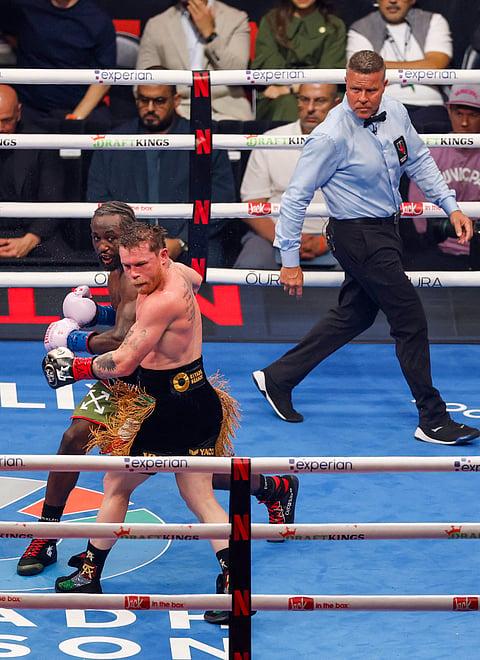
    In a bombshell interview that has sent shockwaves through the boxing world, Saul “Canelo” Alvarez unleashed a scathing attack on Terence Crawford, accusing him of using dirty tactics and implicating referee corruption in their September 13, 2025, super middleweight title fight at Allegiant Stadium. The explosive claims, made just hours ago on September 15, 2025, at 4:00 PM ICT (5:00 AM EDT) during a live ESPN SportsCenter segment, have ignited a firestorm, casting a dark shadow over Crawford’s historic unanimous decision victory and his claim to the undisputed super middleweight crown. Canelo’s revelations, backed by fiery conviction, have left fans, analysts, and the boxing community reeling, demanding answers about the integrity of the sport.

    The Fight That Shook Las Vegas

    On September 13, 2025, Terence “Bud” Crawford (42-0, 31 KOs) stunned the boxing world by defeating Canelo Alvarez (63-3-2, 39 KOs) via unanimous decision (116-112, 115-113, 115-113) to claim the WBA, WBC, WBO, IBF, and Ring Magazine super middleweight titles. The fight, streamed live on Netflix to a record 70,482 fans at Allegiant Stadium, saw Crawford, a former undisputed champion at 140 and 147 pounds, move up two weight classes to dethrone boxing’s biggest star. While Crawford’s performance was hailed as a masterclass, with his speed and jab frustrating Canelo, whispers of controversy emerged almost immediately.

    Canelo’s Explosive Accusations

    During the SportsCenter interview, Canelo, visibly furious, accused Crawford of employing underhanded tactics to secure the win. “He wasn’t fighting clean,” Canelo declared, his voice shaking with anger. “Crawford was holding, pushing my head down in clinches, and throwing low blows when the referee wasn’t looking. That’s not boxing—that’s dirty.” Canelo pointed to specific moments, including an alleged low blow in the sixth round that went unpunished by referee Thomas Taylor, despite a warning being issued later for a separate incident. “The referee saw it and did nothing,” Canelo fumed. “This was no accident.”

    Canelo’s most shocking claim targeted the officiating itself, alleging a deeper corruption scandal. “The judges, the referee—they were in Crawford’s pocket,” he said. “How do you explain those scorecards? I landed the harder shots, but they gave him every close round. Someone wanted Crawford to win, and it wasn’t just skill.” Canelo suggested that “outside influences”—without naming specifics—swayed the fight, pointing to the involvement of Saudi financier Turki Alalshikh, who bankrolled the event. “Money talks, and it talked loud that night,” he added cryptically.

    The Low Blow and Referee Controversy

    Canelo’s accusations zero in on the sixth round, described as a turning point where Crawford landed a clean hook that forced him backward. Referee Thomas Taylor issued a warning to Canelo for a low blow with 1:20 left, but Canelo claims Crawford delivered an earlier, uncalled low blow that disrupted his rhythm. “I felt it below the belt, and the referee looked away,” Canelo said. “That gave Crawford confidence to keep breaking the rules.” Fans on X echoed Canelo’s frustration, with one post stating, “Crawford got away with murder in there. Ref was blind #CaneloCrawford.” Another user countered, “Canelo’s just sore he lost. Crawford outboxed him fair and square #Bud.”

    The judging also drew scrutiny. Judges Tim Cheatham, Max De Luca, and Steve Weisfeld scored the fight 116-112 and 115-113 (twice) for Crawford, despite Canelo landing significant body shots and showing resilience in the later rounds. Critics, including Canelo, argue the scorecards were too wide, given the competitive nature of rounds four through ten. “I respect Bud’s skill, but those scores don’t add up,” Canelo said. “Something’s wrong.” Past controversies, such as questionable judging in Canelo’s fights against Gennadiy Golovkin, fueled speculation, with one X user posting, “Canelo’s been robbed before. Is this another fix? #BoxingScandal.”

    Crawford’s Response and the Saudi Connection

    Crawford, reached for comment via his team, dismissed Canelo’s claims as “sour grapes.” “I fought clean, outboxed him, and won fair,” Crawford said in a statement. “Canelo’s a legend, but he can’t handle losing. No excuses needed—I’m the champ.” Crawford’s camp pointed to his superior punch output (115-99 total punches landed) and defensive mastery, arguing the victory was undeniable.

    The mention of Turki Alalshikh, chairman of Saudi Arabia’s General Entertainment Authority, has added fuel to the scandal. Alalshikh, who orchestrated the fight through his partnership with Zuffa Boxing and UFC’s Dana White, was booed by the Las Vegas crowd, hinting at unease with his growing influence in boxing. Canelo’s vague reference to “money” has sparked theories on X, with one user posting, “Saudi cash rigged this for Crawford? Canelo’s onto something #Fix.” Others defended Alalshikh, noting his role in securing Canelo a reported $100 million purse. “Canelo took the money, now he’s crying foul? Hypocrite,” one tweet read.

    The Boxing World Reacts

    The allegations have divided the boxing community. Analyst Teddy Atlas, who praised Crawford’s performance, called Canelo’s claims “disappointing.” “Bud was sharper, smarter, faster. Canelo’s just deflecting,” Atlas said on ESPN. Conversely, former champion Andre Ward backed Canelo’s concerns, stating, “I saw some questionable calls in there. Boxing’s got to clean this up.” On X, fans are split, with #CaneloExposed trending alongside #CrawfordCheated, amassing millions of views. One post read, “Canelo’s right—Crawford held too much, ref ignored it #JusticeForCanelo.” Another countered, “Bud’s a genius, Canelo’s just mad he got schooled #TeamCrawford.”

    The Nevada Athletic Commission, which oversaw the fight, has not commented on Canelo’s accusations but confirmed it is reviewing complaints about the officiating. A source told The Athletic that any evidence of corruption would trigger a full investigation, though no concrete proof has surfaced.

    What’s Next for Canelo and Crawford?

    Canelo’s explosive claims have reignited calls for a rematch, with fans and analysts debating whether he can reclaim his titles. “I’m not done,” Canelo vowed. “I’ll fight him again and expose the truth.” Crawford, now the first male boxer to win undisputed titles in three weight classes, dismissed rematch talk, saying, “I beat him once, I’ll do it again.” Promoters, including Alalshikh, are reportedly exploring a sequel, with Netflix eyeing another blockbuster event.

    The scandal has also raised broader questions about boxing’s integrity. With Saudi-backed events reshaping the sport, Canelo’s accusations could force a reckoning over transparency and officiating. “If there’s corruption, we need to root it out,” said promoter Eddie Hearn. “Canelo’s not one to make empty claims.”

    A Sport in Crisis

    Canelo Alvarez’s shocking allegations against Terence Crawford and the officiating of their September 13, 2025, fight have blown the lid off a potential referee corruption scandal, threatening to tarnish one of boxing’s greatest moments. As the boxing world grapples with divided loyalties—Team Canelo versus Team Crawford—the truth remains elusive. Was Crawford’s victory a masterclass or a masterplan? Canelo’s fight for redemption, both in and out of the ring, has just begun, and the world is watching, stunned by a scandal that could change boxing forever. Stay tuned for updates as this story unfolds.

  • BREAKING NEWS: Chaos Erupts On The One Show As Dan Walker Stuns BBC Hosts With Savage Swipe Before Viewers Catch Shocking Detail No One Expected – News


    The One Show descended into chaos on Wednesday as Dan Walker cut off the stunned BBC hosts with a withering swipe – before ‘hijacking the autocue and taking over.’

    Hosts Alex Jones, 48, and Vernon Kay, 51, were joined in the BBC studio by presenter Helen Skelton and Dan to discuss their new series, Yorkshire Great And Small.

    And Strictly Come Dancing judge Anton Du Beke was also on the green sofa to offer details about the hotly-anticipated return of the dance competition this weekend.

    But while the conversation was still on strictly, Dan made an unsubtle attempt to pivot onto his and Helen’s new travel series.

    When Anton mentioned cagoules, Dan interjected: ‘Talking of cagoules,’ while raising his eyebrows in an obvious nod to the presenters.

    Helen joked: ‘Oh well done,’ but the hosts were not as impressed, and Vernon interrupted Dan’s interlude to steer back onto the subject.

    The One Show descended into chaos on Wednesday as Dan Walker (pictured with Helen Skelton) cut off the stunned BBC hosts with a withering swipe
    +5
    View gallery

    The One Show descended into chaos on Wednesday as Dan Walker (pictured with Helen Skelton) cut off the stunned BBC hosts with a withering swipe

    When Dan tried to pivot the conversation onto his new series, hosts Alex Jones (L) and Vernon Kay (R) were not impressed, shouting: 'Hold your horses!'
    +5
    View gallery

    When Dan tried to pivot the conversation onto his new series, hosts Alex Jones (L) and Vernon Kay (R) were not impressed, shouting: ‘Hold your horses!’

    ‘Daniel, just hold your horses my friend!’ he said, adding: ‘We’re going to get there, wow!’

    And Alex echoed the sentiment, saying: ‘We’re not there yet! Once a presenter, always a presenter.’

    Undeterred, Dan continued: ‘Who cares about Saturday nights? It’s about Thursday nights!’

    The segment quickly descended into chaos, as even Anton chimed in: ‘Stop reading the autocue, it’s not for you.’

    The former BBC Breakfast star told Anton bluntly: ‘You talk for too long,’ before the hosts attempted to restore calm in the studio.

    Apparently embarrassed by the awkward blunder, Helen jokingly asked the presenters if she could join them on their sofa to evade Dan.

    And it’s not Dan’s first conflict with the show, as earlier this month he said Strictly has to ‘sort out’ its issues and show ‘more honesty’ with viewers, as he revealed the negative effect the misconduct probe had on his family.

    The presenter left BBC Breakfast in April 2022 after six years to join Channel 5 News where he is reportedly being paid £500,000 a year.

    While the conversation was still on strictly, Dan made an unsubtle attempt to pivot onto his and Helen's new travel series
    +5
    View gallery

    While the conversation was still on strictly, Dan made an unsubtle attempt to pivot onto his and Helen’s new travel series

    The multi-talented 48-year-old also did a stint on Strictly in 2021 coming in a very impressive fifth place with his partner, Ukrainian dancer Nadiya Bychkova [Pictured together]
    +5
    View gallery

    The multi-talented 48-year-old also did a stint on Strictly in 2021 coming in a very impressive fifth place with his partner, Ukrainian dancer Nadiya Bychkova [Pictured together]

    However, the multi-talented 48-year-old also did a stint on Strictly in 2021 coming in a very impressive fifth place with his partner, Ukrainian dancer Nadiya Bychkova.

    Speaking to the Telegraph he professed how he adored his time on Strictly, and when pressed about the recent scandal that has enveloped the dancing show he said: ‘I found the programme to be really positive for me, but I think from a BBC perspective they have to sort it out.

    ‘You don’t want somebody to go on it and feel the way that some of those people have felt.’

    The BBC show has been engulfed by drama since Giovanni Pernice was suspended after his celebrity partner Amanda Abbington accused him of abusive behaviour, saying he was ‘cruel and mean.’ He denies the claims.

    Dan and Helen’s series is set to return to Channel 5 this Thursday, as the pair pick through Yorkshire’s most breathtaking scenery.

    The opening episode sees the duo explore the wild North York Moors, beginning in Great Ayton before travelling to the Roseberry Topping and Cleveland Way.

  • VIDEO: Leaked 911 recording from the Charlie Kirk murder will leave you speechless. This is far more shocking than what we’ve heard. You HAVE to hear it to believe it. – Oh my god – News

    VIDEO: Leaked 911 Audio from the Charlie Kirk Incident Leaves America in Shock

    The death of Charlie Kirk has already shaken the nation to its core.

    But now, a newly leaked 911 audio recording has emerged—an audio clip so raw, so shocking, that it is forcing Americans to rethink everything they thought they knew about that tragic day.

    The recording is short, but its impact is devastating.

    It captures the chaos, the panic, and the heart-stopping fear of a moment that has already become one of the most talked-about tragedies of the year.

    And for millions listening, it is almost unbearable to hear.

    A Nation in Mourning

    When news first broke of Charlie Kirk’s sudden passing at the age of 31, the country was left stunned.

    Kirk was more than just a political figure.

    He was a cultural force—loved and hated, admired and criticized, but always impossible to ignore.

    He had built Turning Point USA into a powerhouse organization, one that shaped debates, mobilized young conservatives, and inspired passionate loyalty among his followers.

    To his supporters, Kirk was a warrior for truth.

    To his critics, he was a polarizing provocateur.

    But to his family, he was a beloved son whose life ended far too soon.

    At his memorial, a grieving father’s anguished cry—“Give me back my son, he’s only 31!”—echoed across Phoenix and the nation.

    That cry struck America like lightning.

    It became a symbol of loss that transcended politics, a reminder that behind every headline is a human being and a broken family.

    And just as the country was beginning to process that grief, the leaked 911 audio added a haunting new dimension to the story.

    The Leak That Changed Everything

    The newly surfaced 911 call was leaked late at night and quickly spread online.

    Within hours, hashtags like #CharlieKirk911Audio and #KirkIncidentLeak were trending across Twitter and TikTok.

    Commentators on both sides of the political spectrum were stunned, not only by the details captured in the call but also by the sheer emotion that poured through the recording.

    It wasn’t polished.

    It wasn’t sanitized.

    It was raw reality—unfiltered, unedited, and unbearably human.

    And it left listeners speechless.

    Inside the Audio: A Shocking Glimpse

    The audio begins with frantic breathing.

    A voice, almost unrecognizable at first from the panic, struggles to convey what has happened.

    There are shouts in the background, sharp instructions, and the unmistakable sound of confusion unraveling in real time.

    Then, the words:

    “Please, you have to come now—he’s not responding. Please hurry!”

    Those who have heard the full recording describe it as one of the most gut-wrenching pieces of audio ever linked to a public figure’s death.

    Every second drips with urgency, fear, and disbelief.

    And as the call continues, the weight of the situation becomes impossible to ignore.

    For those who knew Kirk personally, the audio is a devastating reminder of the fragility of life.

    For those who only knew him through his work, it is a chilling invitation to witness the human cost behind the headlines.

    The Moment That Stopped America

    It was in the middle of this recording—between the desperate pleas for help and the frantic instructions from the dispatcher—that listeners say they heard the most devastating words of all.

    A voice, breaking under the weight of the moment, whispers:

    “He’s too young… please, God, don’t take him.”

    Those words, carried across the crackle of a phone line, have now become etched into America’s collective memory.

    Just as the father’s cry at the memorial tore open the nation’s heart, this whispered plea did the same—only this time, it happened in real time, in the middle of chaos, before the world even knew what had happened.

    It was the moment when the tragedy became painfully real.

    Not just for those who knew Kirk, but for millions of strangers who felt the weight of that grief through their speakers.

    Social Media Eruption

    Once the 911 audio began to circulate, social media platforms erupted.

    Some users said they could not finish listening to the clip because it was too emotional.

    Others replayed it again and again, searching for meaning in the frantic words.

    Influencers, journalists, and political commentators all weighed in, calling it “the most chilling piece of leaked audio since the Kobe Bryant helicopter crash 911 tapes.”

    Memes, reaction videos, and tearful live-stream discussions flooded TikTok.

    Twitter became a warzone of opinion: some argued the audio should never have been released, calling it a violation of privacy, while others insisted it was essential for the public to hear the truth.

    Regardless of opinion, one fact was undeniable: the audio had touched a nerve in America, reigniting grief that had only just begun to settle.

    Support and Outrage

    The leaked 911 audio has also sparked a fierce debate over privacy and respect.

    Critics argue that leaking such sensitive material is cruel to the family, who are already reeling from unimaginable loss.

    Supporters of the leak counter that transparency matters, especially when the death of such a high-profile figure raises so many unanswered questions.

    But beyond the politics, the audio itself has become a cultural moment—a raw piece of history that will likely be analyzed, debated, and remembered for years to come.

    The Scene at the Memorial

    As the audio leak spread, attention turned back to the powerful memorial held outside Turning Point USA’s headquarters in Phoenix.

    It was here that mourners gathered, lighting candles, laying flowers, and whispering prayers in the cool desert night.

    It was here that Charlie Kirk’s father collapsed in grief, crying out:

    “Give me back my son, he’s only 31!”

    And it was here that Max Verstappen, the Formula 1 world champion, quietly placed a hand on the father’s shoulder, offering silent strength when words were impossible.

    That moment—captured on video and shared worldwide—became the emotional core of America’s mourning.

    The leaked 911 audio has now added another layer to that heartbreak, creating a dual image in the nation’s memory: the chaos of the desperate call for help, and the stillness of a grieving father being held by a friend.

    Together, they form a portrait of tragedy that is both intimate and universal.

    A Nation Confronts Its Fragility

    What is it about this story that has gripped the nation so tightly?

    It is not just the politics.

    It is not just the celebrity connections.

    It is the humanity.

    The 911 audio forces us to confront the reality that no amount of influence, no level of fame, and no political power can protect us from the fragility of life.

    One moment, a man is alive, full of passion and fire.

    The next, he is gone, and all that remains are the echoes of frantic words spoken into a phone.

    The Legacy of Charlie Kirk

    As debates rage about the leak, one question lingers: how will Charlie Kirk be remembered?

    For his supporters, he will be remembered as a fearless warrior who built a movement and inspired a generation.

    For his critics, he will remain a polarizing figure who embodied America’s cultural conflicts.

    But for his family, the memory of his voice, his laughter, and his love will always eclipse the headlines.

    And it is for them that the leaked audio is most painful—because it captures not just the chaos of that day, but the devastating silence that followed.

    A Moment That Cannot Be Forgotten

    The leaked 911 audio from the Charlie Kirk incident has shaken America to its core.

    It is more than just a recording.

    It is a reminder of how quickly life can change.

    It is a record of panic, desperation, and grief that will haunt listeners long after the clip ends.

    It is also a window into the humanity behind the headlines, one that forces us to see Charlie Kirk not as a political figure, but as a son, a friend, and a man whose life ended too soon.

    And whether you loved him, disagreed with him, or barely knew his name, the words whispered in that call—“He’s too young… please, God, don’t take him”—are impossible to forget.

    video

    News

    BREAKING NEW: From Jokes to Judgment Jimmy Kimmel tears up during his monologue about his show’s return

    The Show’s Return Sparks Controversy: Navigating Public Reactions and Sensitive Statements The return of a popular show often generates excitement…

    “From Beauty Queen to Battle Queen: Erika Kirk Trades Her Crown of Glitter for a Crown of Fire as She Leads TPUSA After Charlie’s Death”

    From 2012 to Today: Erika Kirk’s Journey of Leadership, Legacy, and Unwavering Strength In 2012, a young woman named Erika…

    The Night Karoline Leavitt Mocked Jimmy Kimmel — And The One Sentence That Silenced Her Forever

    The Night Karoline Leavitt Mocked Jimmy Kimmel — And The One Sentence That Silenced Her Forever In the world of…

    Angelina Jolie Goes OFF THE RAILS After Charlie Kirk Memorial – Hollywood is PANICKING! |TH

    After Charlie Kirk’s Memorial: Angelina Jolie’s Blistering Criticism Sparks Fierce Debate Over America’s Future The nation is still reeling from…

    Elon Musk Donates $10 Million for Charlie Kirk’s Memorial: “My Friend Charlie Was the Best of America”

    Elon Musk Donates $10 Million for Charlie Kirk’s Memorial: “My Friend Charlie Was the Best of America” In a move…

    Oliver Anthony Rejects $1 Million Fee to Perform at Charlie Kirk Memorial: “You Can’t Put a Price on Brotherhood” |TH

    The world of country-folk balladeering collided with the conservative political universe this week when Oliver Anthony, the red-bearded, self-taught songwriter…


    End of content

    No more pages to load

    Next page

  • Baby in 1898 Stares at the Camera. When Researchers Zoom Into His Eyes, They Shiver – News


    The photograph arrived at the National Archives Victorian Family Studies Department on a cold February morning in 2024. Dr. Sarah Mitchell, a specialist in 19th century family documentation, carefully removed it from the archival envelope sent by the estate of recently deceased collector Harold Peton.


     The image appeared to be a typical Victorian baby portrait from 1898. a formerly dressed infant sitting upright in an ornate high chair surrounded by the elaborate props common to professional photography studios of the era. The baby, appearing to be approximately 8 to 10 months old, was dressed in the elaborate white christening gown typical of wellto-do families.

     Intricate lace adorned the sleeves and collar, and tiny pearl buttons ran down the front of the garment. The child’s hands were folded carefully in his lap, and he sat with the unnaturally perfect posture that suggested the use of a hidden support system, a common practice in infant photography of the period. Another donation from the Peton collection, noted Dr.

     Mitchell’s research assistant, Anna Rodriguez, consulting the accompanying documentation. This one was found in a family Bible belonging to the Whitmore family of Boston. The accompanying note suggests it’s their infant son taken at Morrison Photography Studio in September 1898. Dr. Mitchell began her standard examination, placing the photograph under a magnifying glass to assess its condition and authenticity.

     The image was exceptionally well preserved with remarkable clarity that spoke to the skill of the photographer and the quality of the equipment used. The studio’s elaborate backdrop, featuring painted roses and classical columns, was typical of the affluent portrait studios that catered to Boston’s upper class. But as her magnifying glass moved to examine the baby’s face, Dr.

     Mitchell felt an unexpected chill run down her spine. While most infant portraits from this era showed babies with vacant, unfocused expressions, their young minds unable to truly comprehend their surroundings, this child’s eyes held something deeply unsettling. The baby was staring directly into Woo, the camera with an intensity that seemed impossible for someone so young.


    But it wasn’t alertness that made Dr. Mitchell’s hands tremble. It was the unmistakable look of suffering in those tiny eyes. Anna,” she called softly. “I need you to see this immediately.” Under the magnifying glass, the baby’s eyes revealed details that made Dr. Mitchell’s stomach tightened with concern.

     While Victorian baby portraits typically captured infants with bright, clear eyes, or the glazed, unfocused look of very young children, this child’s eyes told a different story entirely. The pupils were constricted to tiny pinpoints despite what appeared to be adequate lighting in the studio. More disturbing were the barely visible but distinct dark circles under the eyes, suggesting chronic illness or exhaustion.

     The whites of the eyes showed a slight yellowish tinge that was barely perceptible in the sepia tones of the original photograph, but became more apparent under magnification. Look at his expression, Dr. Mitchell whispered to Anna. This isn’t the natural alertness of a healthy baby. There’s something hollow about his gaze. Anna leaned over the magnifying glass, her face growing pale as she studied the image.

     The way he’s staring, it’s like he’s looking right through the camera and his skin. She paused, adjusting the focus, even accounting for the photography techniques of the era. His complexion looks waxy, almost translucent. Dr. Mitchell photographed the portrait with her highresolution digital camera, then uploaded the images to her computer for enhanced analysis.

    When she adjusted the contrast and brightness levels, the concerning details became even more pronounced. The baby’s skin had an unnatural palar that went beyond the typical pale complexion prized in Victorian times. There was a grayish undertone that suggested serious health issues. “I need to research infant mortality and childhood illnesses in 1898 Boston,” Dr.

     Mitchell said, her voice tight with growing suspicion. But first, I want to find out everything I can about this Morrison photography studio and the Witmore family. She had seen enough historical photographs to recognize when an image contained more than it initially revealed. This wasn’t just a portrait of a baby. This was documentation of a child in distress, captured by a camera that had inadvertently recorded evidence of something terrible happening to an innocent victim.

    The baby’s haunting stare seemed to be pleading for help across more than a century. And Dr. Mitchell was determined to understand what that plea meant. Dr. Mitchell’s research into Morrison Photography Studio began with the Boston Public Libraryies historical archives. What she discovered painted a picture of one of the city’s most prestigious portrait studios, catering specifically to wealthy families who could afford elaborate formal photographs of their children.

     Edgar Morrison had established his studio in 1892 on Beacon Hill, quickly gaining a reputation for his exceptional skill in photographing infants and young children. His advertisements in the Boston Herald boasted of artistic portraits that capture the angelic beauty of childhood and promised that even the youngest subjects will remain calm and still during our sessions. But as Dr.

     Mitchell dug deeper into Morrison’s business practices. She found subtle indications that his methods for keeping children calm during long photographic exposures might have been more than just skilled handling. A review in the Boston Society Register from 1897 noted, “Mr. Morrison possesses an almost magical ability to render even the most restless infants perfectly still and compliant during his sessions.

    ” More concerning was an advertisement from 1898 that mentioned Morrison’s use of the latest medicinal techniques to ensure infant comfort during lengthy portrait sessions. In the 1890s, when photographic exposures could take several minutes, keeping babies motionless was a significant challenge that some photographers had begun addressing through questionable means.

    Dr. Mitchell found a medical journal article from 1899 written by Dr. James Thornfield, a Boston pediatrician, expressing concerns about the increasing use of narcotic substances by commercial photographers to sedate infant subjects. While Dr. Thornfield didn’t name specific studios, he warned that parents should be cautious of photographers who guarantee unusually docel behavior from young children during sessions.

     The most disturbing discovery came in a brief newspaper item from October 1898, just one month after the Witmore baby’s portrait would have been taken. The Boston Herald reported, “The infant daughter of Mr. and Mrs. Charles Hamilton expired suddenly following a portrait session at a Beacon Hill photography studio.

     The family physician has requested an investigation into the circumstances surrounding the child’s unexpected decline. No follow-up articles appeared in subsequent editions, suggesting that the investigation had either been dropped or suppressed. But Dr. Mitchell noted the timing and location, which aligned perfectly with Morrison’s studio operations.

     She was beginning to suspect that Edgar Morrison had been using dangerous sedatives to keep infants still during his sessions, and that the Witmore baby’s haunting expression might have captured the effects of such substances on a young victim. Dr. Mitchell’s genealogical research into the Whitmore family revealed a heartbreaking story that confirmed her worst fears about the baby’s portrait.

    Working with Boston Vital Records and newspaper archives, she pieced together the tragic fate of the infant whose haunting eyes had first captured her attention. The baby was identified as William Witmore, born to Henry and Margaret Whitmore on January 15th, 1898. Henry Whitmore was a successful textile merchant and the family lived in an elegant townhouse on Commonwealth Avenue.

     According to birth records, William had been a healthy baby, described by the family physician, Dr. Edmund Clark, as robust and well-developed at his 6-month examination. The portrait at Morrison’s studio had been taken on September 12th, 1898 when William was 8 months old. Family correspondents found in the Whitmore estate revealed that Margaret Whitmore had been particularly excited about the session.

     Writing to her sister, “We are having Dear Williams portrait taken at the finest studio in Boston.” Mr. Morrison assures us that the photograph will be a treasure we can cherish forever. But what should have been a joyful milestone became the beginning of a tragedy that haunted the family for generations. Dr. Mitchell found Williams medical records in the archives of Massachusetts General Hospital where Dr.

    Clark had documented the baby’s condition following the photography session. September 13th, 1898. Patient exhibits symptoms of severe gastric distress, lethargy, and unusual palar following portrait session. Parents report child has been listless and refusing food since yesterday afternoon. Pupils remain constricted despite normal lighting conditions.

     recommend immediate observation and treatment. The medical records continued over the following days, documenting William’s rapid decline. September 15th, patients condition deteriorating, persistent vomiting, irregular breathing, skin taking on grayish power. Parents described child as appearing holloweyed and unresponsive to usual stimuli. Dr.

     Clark’s final entry, dated September 18th, 1898, was devastating. Despite all medical intervention, young William Whitmore expired this morning at 6:42 a.m. Cause of death remains unclear, though symptoms suggest possible poisoning by unknown. Substance: Parents report no known exposure to toxic materials. Recommend further investigation. Dr.

     Mitchell realized that the baby’s portrait had captured William in the early stages of what would prove to be fatal poisoning administered during what his parents believed was a routine photography session. Dr. Mitchell’s discovery of William. Whitmore’s death prompted her to search for other infant fatalities connected to Morrison photography studio.

     What she uncovered revealed a pattern of tragedy that had been overlooked by authorities of the time, hidden among the naturally high infant mortality rates of the 1890s. Working with death certificates from the Massachusetts State Archives, Dr. Mitchell identified six other infant deaths between 1896 and 1899 that occurred within days of portrait sessions at Morrison’s studio.

     The pattern was subtle enough to escape notice in an era when infant mortality was tragically common, but distinctive enough to suggest a deliberate cause. Each case followed a similar trajectory. Healthy babies brought to Morrison’s studio for portraits followed by rapid onset of symptoms including lethargy, gastric distress, respiratory problems, and distinctive pale complexion with constricted pupils.

     Death typically occurred within 3 to 7 days of the photography session. The most detailed medical documentation came from the case of 8-month-old Charlotte Peton, who died in November 1898. Her physician, Dr. Samuel Morco, had been suspicious enough to request a consultation with a specialist in toxic substances.

     His report filed with the Boston Board of Health stated, “The rapidity of decline and distinctive symptom pattern suggests deliberate administration of a toxic substance, possibly opium based compounds or similar narcotic agents.” Dr. Morco’s report continued, “It is my professional opinion that infant Peton was subjected to a dose of narcotic substance sufficient to maintain dosility during an extended period, but excessive enough to cause fatal toxicity.

     The timing of symptom onset precisely following a portrait session cannot be considered coincidental. However, Dr. Mitchell found no evidence that this report had led to any investigation of Morrison’s studio. The physicians concerns appeared to have been dismissed or ignored by authorities, possibly due to Morrison’s prominent clientele and social standing in Boston’s elite circles.

     More disturbing was Dr. for Mitchell’s discovery that Morrison had been advertising his services specifically to the families of sick or difficult infants. A 1897 advertisement in the Boston Society Review read, “Morrison Photography specializes in portraits of delicate children. Our gentle techniques ensure that even the most restless or unwell infants will remain perfectly calm and still throughout the session.

    ” The advertisement suggested that Morrison was deliberately targeting vulnerable children whose deaths might be attributed to pre-existing conditions rather than arousing suspicion of foul play. Dr. Mitchell’s investigation took a crucial turn when she discovered Morrison’s supplier records in the archives of Pearson Company Pharmaceutical, a Boston drug manufacturer that had operated from 1885 to 1902.

    The company’s customer ledgers revealed that Morrison had been purchasing unusually large quantities of Ldinum, a liquid opium preparation commonly used for pain relief, but highly dangerous for infants. The purchasing records showed a disturbing escalation in Morrison’s orders. In 1896, he had ordered modest amounts consistent with personal use or occasional therapeutic purposes.

     But by 1898, the year of William Whitmore’s death, Morrison was ordering quantities that far exceeded any legitimate photographic or personal need. Dr. Mitchell found correspondence between Morrison and Pearson Company that provided insight into how the photographer had been obtaining these dangerous substances. A letter dated March 1898 showed Morrison requesting additional supplies of your finest ldinum preparation and explaining that he required it for the calming of nervous subjects during extended photographic sessions.

     The pharmaceutical company’s response preserved in their files indicated that the pharmacist, Mr. George Pierce, had grown concerned about the quantities being requested. PICE wrote, “While we understand that photographic work requires patient subjects, the amounts you are requesting seem excessive for such purposes.

     We recommend consulting with a physician regarding appropriate dosages for your intended use.” Morrison’s uh reply dated April 1898 was revealing. I appreciate your concerns, but my clientele expects the highest quality results, which require subjects to remain absolutely motionless for extended periods. The amounts I require are calculated based on the specific needs of infant photography, where even the slightest movement can ruin a session.

     Most damning was Morrison’s order record from August 1898, just one month before William Whitmore’s fatal portrait session. The order was for the largest quantity of Ldinum yet requested, accompanied by a note asking for preparations of maximum potency for an upcoming series of important infant commissions. Dr. Mitchell realized that Morrison had been systematically poisoning babies with increasingly lethal doses of Ldinum.

     All in the pursuit of creating perfect portraits for wealthy families who never suspected that their children’s unusual stillness during sessions was the result of dangerous drug administration. The baby’s haunting stare in the 1898 portrait wasn’t just an artifact of photographic technique. It was the documented gaze of a child slowly dying from opium poisoning.

     administered by a man trusted to capture precious family memories to confirm her suspicions about ldinum poisoning. Dr. Mitchell consulted with Dr. Patricia Henley, a forensic pathologist specializing in historical cases and toxicology. When Dr. Mitchell showed her the enhanced images of William Whitmore’s portrait and the medical records from 1898, Dr.

     Henley’s analysis provided chilling confirmation of the baby’s condition. The symptoms documented in these medical records are absolutely consistent with opium poisoning in infants, Dr. Henley explained as she studied the historical documents. The constricted pupils, gastric distress, respiratory depression, and the distinctive palar all point to narcotic toxicity.

    Dr. Henley’s examination of the enhanced photograph was particularly revealing. Looking at this image with modern forensic knowledge, I can see clear evidence of the child’s compromised state. The pinpoint pupils visible in the photograph are a classic sign of opium intoxication. The waxy skin tone and the hollow look around the eyes suggest the baby was already experiencing the early stages of systemic poisoning when this photograph was taken.

    The forensic pathologist continued her analysis. What’s particularly disturbing is that the dosage required to achieve this level of docsility in an infant would be extremely close to lethal levels. Morrison was essentially walking a tight rope between sedation and death with each session and clearly he miscalculated fatally on multiple occasions. Dr. Henley helped Dr.

    Mitchell understand the timeline of Williams poisoning. Based on the documented symptoms and the progression described in the medical records, the baby would have been given the ludinum approximately 30 to 60 minutes before the photograph was taken. The drug would have taken effect quickly, creating the unnaturally still pose you see in the image.

     The forensic analysis revealed the tragic irony of the situation. The very qualities that made Morrison’s infant portraits so prized by wealthy families. The perfect stillness, the direct gaze, the lack of typical infant restlessness were actually signs that the children were being systematically poisoned. This photograph is essentially documentation of a crime in progress.

    Dr. Henley concluded that baby’s eyes aren’t staring at the camera with natural awareness. They’re reflecting the neurological effects of a potentially lethal dose of opium. It’s a miracle some of these children survived their sessions. Dr. Mitchell realized that William Whitmore’s portrait was more than just a family keepsake.

     It was forensic evidence of murder preserved for over a century in a family bible. Dr. Mitchell’s investigation revealed that concerns about Morrison’s methods had reached the attention of Boston’s medical community, but that a deliberate coverup had prevented justice from being served. The evidence pointed to a conspiracy involving some of the city’s most prominent families and civic leaders. The breakthrough came when Dr.

    Mitchell discovered the private papers of Dr. James Thornfield, the pediatrician who had written about photographer sedation practices in 1899. Hidden among his personal correspondence was a series of letters that documented his attempts to expose Morrison’s crimes. In a letter to the Boston Police Commissioner, dated November 1898, Dr.

    Thornfield wrote, “I have now treated seven infants who have exhibited identical symptoms following portrait sessions at Morrison Photography Studio. The pattern is unmistakable. These children are being deliberately poisoned with narcotic substances. I formally request an immediate investigation into Mr. Morrison’s practices.

     The police commissioner’s response preserved in the files was dismissive. While we appreciate your concerns, Dr. Thornfield, we cannot launch investigations based on speculation about legitimate business practices. Mr. Morrison serves some of our city’s most respected families, and we have received no complaints about his services.

     But Dr. Thornfield had persisted gathering evidence and building a case. His letters revealed that he had identified the specific families affected and had even obtained samples of the substances Morrison was using. In a desperate correspondence to the Massachusetts Board of Health, he wrote, “I possess physical evidence of ludinum residue found on clothing worn by infants during Morrison sessions.

     Chemical analysis confirms concentrations sufficient to cause the deaths I have documented.” The response from the board of health was even more troubling. A letter signed by Director Harrison Blackwell stated, “Dr. Mr. Thornfield, your persistent allegations against a respected member of our business community are becoming disruptive to public confidence.

     We advise you to cease this line of inquiry unless you wish to face professional sanctions. Dr. Mitchell discovered that Harrison Blackwell’s own grandson had been photographed by Morrison in early 1898, but had survived the session. The implication was clear. Those in positions of authority were protecting Morrison because they or their families had used his services and didn’t want the scandal associated with their names.

    The final piece of the cover up came in a letter from Dr. Thornfield to his brother dated December 1898. They have made it clear that pursuing this matter further will end my medical career in Boston. I am being forced to choose between justice for these murdered children and my ability to help future patients.

     God forgive me, but I cannot sacrifice my practice and destroy my family for a battle I cannot win. Dr. Mitchell’s investigation revealed that Edgar Morrison’s poisoning of infants had continued until early 1899 when one final case forced him to abandon his deadly practice. The case involved the daughter of Judge Marcus Wellington, one of Boston’s most powerful legal figures, and the near death of the child finally brought Morrison’s crimes to an end.

    The Wellington family records preserved in the Massachusetts Historical Society told the story of 8-month-old Victoria Wellington’s portrait session in February 1899. Unlike previous cases, Judge Wellington had insisted on remaining in the studio during his daughter’s session, suspicious of Morrison’s claims that parents needed to wait outside for optimal photographic conditions.

     Judge Wellington’s personal diary, discovered among his family papers, provided a firsthand account of what he witnessed. Morrison administered what he claimed was a mild calming tonic to Victoria, stating, “It was a common practice for infant photography. Within minutes, my daughter became unnaturally still, and her eyes took on a glassy, hollow appearance that filled me with dread.

    ” The diary continued, “When I demanded to know what substance Morrison had given my child, he became evasive and claimed it was merely sugar water with a mild herbal additive. However, Victoria’s condition continued to worsen during the session, and by its conclusion, she was barely responsive.

    ” Judge Wellington had immediately taken his daughter to Dr. Thornfield, who confirmed the worst fears. The physician’s examination revealed all the familiar signs of ldinum poisoning. But because medical attention had been sought immediately, Victoria survived, though she suffered permanent neurological damage that affected her development.

     Unlike the other families, Judge Wellington had the power and influence to take action. His diary revealed his discovery of the pattern of infant deaths. My investigation has revealed that Morrison has been systematically poisoning babies for years. The death toll stands at least eight children, possibly more. This man is not a photographer.

     He is a serial killer who has been murdering infants under the guise of artistic portrait work. Judge Wellington’s confrontation with Morrison led to the photographers’s hasty departure from Boston. Rather than face a public trial that would have exposed the complicity of city officials in covering up the crimes, Morrison was quietly allowed to leave the city in March 1899.

    Morrison’s final advertisement in the Boston Herald, published March 15th, 1899, read, “Morrison Photography regretfully announces the closure of our Boston studio due to the owner’s relocation to pursue opportunities in Europe. We thank our valued clientele for their patronage, but Dr. Mitchell discovered that Morrison never reached Europe.

     Passenger manifests showed no record of him boarding any transatlantic vessels, and he simply vanished from all historical records after leaving Boston. Dr. Mitchell concluded her investigation knowing that Edgar Morrison had never faced legal consequences for his crimes, but determined that his victims would finally receive the recognition and justice they deserved.

     Her research had uncovered evidence of at least eight infant murders and numerous cases of poisoning that had been covered up by Boston’s Elite Society. The 1898 portrait of William Whitmore would become the centerpiece of an exhibition titled Hidden Crimes: When Photographs Reveal Historical Injustice. The exhibition would be housed at the National Archives with copies displayed at Boston’s Children’s Hospital and the Massachusetts Historical Society. Dr.

    Mitchell worked with the descendants of Morrison’s victims to ensure that each murdered child was properly memorialized. She discovered that many of the families had preserved their children’s portraits, not knowing they were looking at documentation of their murders. These images would be displayed alongside medical evidence and historical documentation that told the complete story of Morrison’s crimes.

    When she contacted the Whitmore family’s descendants, Dr. Mitchell met with Catherine Whitmore Chen, Williams great niece, who had donated the photograph without knowing its tragic significance. I always wondered why baby William looked so unusual in that portrait, Catherine said as Dr. Mitchell explained the investigation’s findings.

     My grandmother used to say there was something sad about his eyes, but we never knew why. Now I understand. He was dying when that photograph was taken. Dr. Mitchell nodded solemnly. Your ancestors portrait became evidence that survived for over 125 years. William’s eyes told a story that no one at the time was willing to listen to.

     But his gaze finally brought justice to him and the other children Morrison murdered. The exhibition would include information about the coverup that allowed Morrison’s crimes to continue, exposing how Boston’s social elite had protected a child killer to avoid scandal. Dr. Mitchell’s research had connected cold cases across multiple states, as her investigation revealed that Morrison had likely continued his practices under different names in other cities after leaving Boston.

    In her final report, Dr. Mitchell wrote, “This case demonstrates how historical photographs can serve as evidence of crimes that were deliberately concealed by those in power. William Whitmore’s haunting gaze, preserved in a family bible for over a century, finally gave voice to the innocent victims who were silenced by a conspiracy of wealth and influence.

     The baby’s portrait remained at the National Archives as a permanent reminder that sometimes the most important truths are told not by those who write the official histories, but by the victims whose stories were buried, until technology and determination brought their voices back to light. William Whitmore’s eyes, which had stared into a camera while slowly dying from poison in 1898, would now serve as witnesses to ensure that his murder and the murders of seven other innocent children would never be forgotten.


  • They Mocked Disabled Girl at the Diner… 1 Hour Later, Hells Angels Rolled Up and Silenced Everyone – News


    Have you ever witnessed cruelty so heartless it made your stomach turn? When a quiet young girl in a wheelchair was mocked and humiliated at a small town diner, nobody thought twice about her pain. But exactly 1 hour later, the roar of engines filled the street. And when the Hell’s Angels stepped

    through the door, every single person learned a lesson in respect they’d never forget.
    Before we begin, let us know where you’re watching from. Your comments inspire us. She sat near the back corner of the diner, hoping that by being invisible, she might escape the judgmental stairs. Her name was Lily, and though she was only 17, her life had already been shaped by trials no child

    should endure.
    Polio had stolen her mobility when she was a toddler, and ever since, the wheelchair seemed to define her more than any of her dreams or talents. The regulars in the diner barely glanced her way, unless it was to shift uncomfortably, as though her very presence reminded them of life’s cruel

    unpredictability. She kept her gaze fixed on the menu, her fingers worrying the edge of the laminated paper.
    The diner’s warm air smelled of bacon and coffee, but to Lily, it felt like a suffocating cage. Some customers preferred to pretend she wasn’t there at all. Others offered that pitying hollow smile people where when they don’t know what to say but want to feel better about themselves. Lily had

    grown used to it, the casual dismissal, the discomfort she seemed to create by simply existing in a place she had every right to be.
    On that morning, she told herself she would order breakfast and try to feel normal for once. But deep down, she already sensed that no matter how hard she tried, this small town would never let her forget she was different. She drew a slow breath, stealing herself for another hour of strained

    politeness and the quiet ache of being the girl nobody wanted to see.
    It started as a whisper, just a couple of teenage boys in the booth across the aisle, nudging each other and smirking in her direction. Lily didn’t look up, hoping if she pretended not to notice, they’d lose interest and go back to their greasy plates of pancakes. But their whispers grew louder,

    morphing into laughter sharp enough to cut through the clinking dishes and soft hum of the jukebox.
    One of them exaggerated a limp as he walked past her table to the counter, his friends snickering behind their hands. The sound rolled through the diner like a mean-spirited echo, and the hush that followed was almost worse because no one stepped in to stop it. For a long moment, Lily sat frozen,

    her cheeks burning as if she were a spectacle in some cruel sideshow.
    Even the cook, visible through the pass window, pretended to be too busy flipping bacon to notice. The boys returned to their seats, still giggling, their shoulders shaking with the glee of people who had never been taught the cost of unkindness. The other diners kept their heads down, stirring

    their coffee, quietly relieved that the cruelty wasn’t directed at them.
    Lily’s hands fumbled in her lap as she tried to pretend the tears pooling in her eyes were nothing but dust. She was used to the sting of casual meanness, but this time it carved a deeper wound, one she feared might never fully heal. Hannah, the waitress, had worked at the diner for nearly 10

    years.
    She prided herself on her ability to handle just about anything. A rush of orders, the grumbling complaints of regulars, the occasional kitchen mishap. But as she watched the boys mock Lily, she felt her own composure unravel. She set the coffee pot down with trembling hands, torn between her duty

    to remain professional and her urge to walk over and tell them to stop.
    The manager, a tired man with a mortgage and two kids, had made it clear, “Don’t provoke the local teenagers. They were the sons of the town’s wealthiest families, and their parents’ money kept the diner afloat during slow months.” Hannah hated herself for hesitating. She knew she should say

    something, anything, to defend the girl sitting alone with her humiliation.
    But the fear of losing her job was real, and she swallowed the words that rose bitter in her throat. She tried to meet Lily’s eyes to offer some silent apology. Yet Lily never looked up. Instead, the girl’s shoulders seemed to fold inward as if she were trying to disappear altogether. Hannah wiped

    her hands on her apron and turned away.
    her heart sick with shame. It was easier to pretend she hadn’t seen it at all, easier to convince herself she had no choice. But deep down, she knew she had failed in the simplest test of decency, and that failure would haunt her long after the morning crowd dispersed. Bolstered by the lack of

    consequences, the boys grew bolder.
    One of them cupped his hands around his mouth and called across the diner, his voice dripping with false sweetness, “Hey, you need help rolling over here? Maybe we can give you a push.” His friends howled, delighted with their performance. The cruel chorus turned heads, but no one moved to

    intervene. Lily felt her breath catch in her throat.
    She’d never felt so exposed, so utterly powerless. Her fingers dug into the armrest of her wheelchair, her knuckles white. All she had wanted was a quiet breakfast, a small moment of ordinary life. And instead, she had become a target. As the laughter rose, so did her shame. She could feel

    everyone’s eyes on her, the sympathetic ones and the ones that looked away in embarrassment.
    She heard a woman near the counter whisper, “Someone should do something.” But the woman didn’t rise from her seat. The manager stayed hidden in the back. The cook kept flipping eggs and Hannah pretended to refill a sugar container that didn’t need refilling. Lily’s chest achd with the effort of

    holding back sobs.
    It was as if the entire world had decided her dignity was an acceptable sacrifice to avoid an uncomfortable confrontation. In that moment, she understood that cruelty rarely worked alone. It thrived in the silence of those who watched and did nothing. Lily didn’t remember when the first tear

    finally slipped free. Maybe it was after the boys mimicked the squeak of her wheels or when the entire corner booth erupted in laughter at her expense.
    She sat there trembling, her hands curled into her lap, her shoulders quaking as she tried to stop the sobs building in her throat. The humiliation was total. A thick fog she couldn’t see through. Every second felt like an hour. Every laugh like another wound she had to endure in silence. She bit

    her lips so hard she tasted copper.
    Determined not to give them the satisfaction of hearing her cry aloud. Around her, the diner continued to operate as though nothing extraordinary was happening. Plates clattered, silverware chimed, coffee dripped steadily into mugs. But to Lily, it was all background noise to the roaring in her

    ears, the sound of her own heartbeat thutting in terror and shame.
    She pressed a trembling hand to her cheek, wiping away the tears as quickly as they came. All she wanted was to disappear, to somehow slip out the door without anyone noticing. But the wheelchair made that impossible. She was stuck there, pinned by her own vulnerability, while strangers decided

    whether she was worth defending. She’d never felt so alone in all her life.
    While Lily struggled to keep her composure, her phone buzzed quietly on the table. She almost ignored it, too afraid her shaking hands would drop it if she picked it up. But something in her heart, some tiny flicker of desperation, made her reach for it anyway. She wiped her eyes with the back of

    her wrist and squinted at the screen.
    It was a number she didn’t recognize, one she’d never seen before. For a second, she thought it was another prank call. She’d had her share of those, too. But something compelled her to swipe and answer. Her voice barely a whisper as she said hello. On the other end came a low rumble she didn’t

    understand.
    A voice she couldn’t quite place. Hang tight, little sister,” the voice said, grally but gentle. “We’re on our way.” The line went dead before she could reply. She stared at the phone. Confusion mingling with dread. What did that mean? Who was we? A fresh wave of fear rose in her chest. She looked

    up, expecting the boys to be watching her again.
    But for once, they seemed absorbed in their own laughter. She had no idea that the call would become the first domino in a chain of events destined to change her life and the entire town forever. Outside the diner’s wide front windows, the July sun poured down on cracked pavement. A heat haze

    shimmered off the empty parking lot, and the only movement was a stray dog nosing around the trash bins.
    But slowly, so slowly that no one noticed at first, things began to shift. A pair of gleaming chrome headlights appeared at the far end of the street, followed by the low growl of an engine. Then another and another. Hannah, wiping down a booth by the window, squinted into the glare. For a moment,

    she thought it was just a couple of bikers passing through.
    Nothing unusual on a summer morning, but the engines didn’t roll past. They turned deliberately into the lot and lined up with the precision of soldiers. Lily didn’t see them arrive. She was too busy trying to steady her breathing. Still clutching her phone like a talisman. But the rest of the diner

    fell gradually quiet.
    The uneasy hush of people sensing something was about to happen. One of the boys who had been laughing turned to look out the window. His smirk flickered, replaced by a dawning confusion. The engines outside kept coming, filling the lot with a thunderous chorus that rattled the diner’s glass panes.

    By the time the last bike rolled to a stop, there were more than 20 of them, chrome and leather, lined up like a wall of silent judgment, waiting to descend.
    The engines didn’t cut off right away. They idled there, rumbling and growling. A primal sound that rolled through the air like an oncoming storm. It was a sound you didn’t just hear. You felt it in your chest, in your bones, in the pit of your stomach. Even the cook leaned out of the pass window,

    his spatula frozen in midair. No one dared speak.
    The boys who had mocked Lily shifted in their booth. Their laughter gone, replaced by something tight and nervous. The town was used to the occasional biker passing through. But this was different. This was deliberate. This was an arrival meant to be noticed. Lily finally looked up, startled by the

    vibration of the glass.
    She blinked through her tears, her gaze drifting past Hannah’s stunned face to the rows of motorcycles gleaming under the sun. For a heartbeat, she didn’t understand what she was seeing. It felt impossible that any of this had to do with her. She clutched her phone tighter, the memory of the raspy

    voice whispering, “We’re on our way.
    ” echoing in her mind. And in that moment, something shifted inside her. Not quite hope yet, but the sense that she was no longer as alone as she had believed. One by one, the bikers dismounted. They moved with a quiet confidence that was almost more intimidating than any show of aggression.

    Sunlight glinted off their helmets as they pulled them free, revealing weathered faces and solemn eyes.
    Each wore the same black leather vest, stitched with a patch everyone in town recognized, but had only seen in movies or whispered rumors. Hell’s Angels. The name alone carried a kind of mythic weight, equal parts fear and fascination. They stood in a loose formation, scanning the diner windows

    with a cold, measured scrutiny. Inside, the atmosphere tightened until it felt like the air itself had thickened.
    The boy’s bravado shriveled in an instant. They exchanged nervous glances, their shoulders curling inward as if to shield themselves from the biker’s gaze. Hannah swallowed hard, her heart hammering as she wondered if she should lock the door, though some small part of her knew it was far too late

    for that.
    Lily’s breath caught. For a moment, she almost felt afraid, too. Afraid of what might happen, afraid of being seen. But then she saw one of the bikers nod to her through the window. His expression neither pitying nor cruel, just respectful, as though he knew exactly why he was there. When the door

    finally swung open, the little bell overhead gave a cheerful jingle that felt almost absurd in the charged stillness.
    One by one, the bikers filed inside, their boots heavy on the worn lenolium. The diner wasn’t big to begin with, and their presence seemed to swallow all the space and air. Conversations died mid-sentence. Forks froze halfway to mouths. Even the jukebox, which had been playing an old Johnny Cash

    tune, went silent when the cook yanked the cord from the wall.
    The boys, who had tormented Lily sank lower in their booth, their eyes darting anywhere but toward the entrance. The lead biker, a tall man with a braided gray beard and a face that looked carved from weathered oak, surveyed the room in one slow sweep. He didn’t say a word. He didn’t have to. The

    weight of his stare alone was enough to pin every last customer in place.
    He turned his gaze to Lily’s table, and in that moment, something passed between them. A silent acknowledgement that she had been seen. For Lily, it was like the air returned to her lungs all at once. The cruel laughter had ended. The humiliation had been interrupted. And though she didn’t

    understand exactly why these men were here, she felt for the first time that morning that she was no longer alone.
    The tall man with the braided gray beard took a few measured steps forward until he stood almost directly in front of Lily’s table. He didn’t tower over her in a way that felt threatening. He simply occupied space with a kind of calm authority that drew every eye in the room. His vest bore the

    unmistakable Hell’s Angel’s insignia on the back, and beneath it, the name Reverend was stitched in neat block letters.
    He looked at Lily, and for a moment all the other people, all the cruel boys, all the sidelong glances disappeared. He inclined his head in a gesture that felt as old-fashioned as it was respectful. Miss,” he said, his voice steady and low. “We heard there was trouble.” He didn’t elaborate on how

    or why he had heard. He didn’t need to.
    The certainty in his tone made it clear that this wasn’t some coincidence. He had come here for her. Behind him, the other bikers stood like a silent failank. Their presence and unspoken promise that the days of suffering alone were over. For a long moment, no one dared breathe. Even Hannah,

    clutching the edge of the counter, felt tears welling up in her eyes.
    She had never seen anyone stand up for that girl. Not like this, not with such unflinching purpose. The boys who had spent the morning jeering now looked as though they’d gladly sink right through the cracked vinyl of their booth. Their ring leader, a wiry kid named Travis, whose father owned the

    biggest construction company in town, tried to summon the smirk he’d worn earlier, but his mouth twitched and failed.
    His friends stared fixedly at their empty plates. Suddenly, fascinated by crumbs they had ignored moments before, the tall biker called Reverend let his gaze drift in their direction. Slowly, deliberately, it was not an angry look. Not exactly. It was worse. It was the look of a man who had seen

    enough cowardice to recognize it in any form.
    Travis shifted uncomfortably, his Adam’s apple bobbing. He tried to muster a laugh, but the sound died in his throat. For once, there was no one willing to encourage him. No safety in numbers. Every customer in the diner felt it. The delicate moment when cruelty met something immovable and shrank

    away. Even the cook peeking out through the pass window felt a cold satisfaction.
    These boys had always acted untouchable. But here, in front of a girl they had mocked, and the men who had come for her sake, they looked like exactly what they were. Frightened children who’d mistaken meanness for strength. Reverend didn’t raise his voice. He didn’t have to. In a tone as soft as

    it was lethal, he asked a question that seemed to echo off every wall.
    Which of you? He said, turning his gaze to Travis’s table. Thought it was a good idea to treat this young lady like she was less than you. His words hung in the air, as heavy as a stone dropped into still water. No one answered. The only sound was the muted hum of the refrigeration unit and Lily’s

    own heartbeat thutting in her ears.
    It was a question that demanded more than an explanation. It demanded the truth of who they really were. Travis’s face drained of color. His mouth opened, but no words came. His friends shifted in their seats, all but squirming. Some of the older customers, people who had known Lily since she was

    small, couldn’t quite meet Reverend’s eyes either, because in their silence, in their unwillingness to act, they too had allowed this cruelty to fester.
    Hannah felt a lump rise in her throat. She wiped her hands on her apron, wishing she had been braver. Reverend didn’t move, didn’t blink. He simply waited, patient as a judge. And in that long, terrible pause, everyone understood that the bikers were not here to cause chaos. They were here to hold

    up a mirror and make the town look at itself.
    At last, Reverend spoke again, his voice measured, but ringing with something ancient. dignity perhaps or a kind of moral gravity that made no room for excuses. Respect, he said slowly, is not a gift you give to people who look like you, walk like you, or live like you. It’s a birthright, and when

    you take it from someone, you dishonor yourself most of all.
    His words landed like hammer blows on the brittle arrogance of the boys in the booth. But he didn’t gloat. He didn’t threaten. He simply told the truth as plainly as if he were reciting scripture. Lily felt something shift inside her chest. Some tight raw place that had never been touched by

    kindness this open and unafraid.
    Tears welled again, but this time they were not tears of shame. Around the diner, other people looked down at their plates. Their faces flushed with a recognition they hadn’t been prepared to feel. This wasn’t just about the boys. It was about all of them, the whole town that had quietly allowed a

    child to be humiliated because it was easier to stay silent.
    The bikers had come to deliver more than protection. They had come to remind everyone what dignity looked like and how quickly it could be stolen when good people did nothing. For a long time, Lily couldn’t find her voice. She felt small and enormous at once, as if she were watching her own life

    unfold from somewhere outside her body.
    But then she realized every eye in the diner had turned to her. Not with pity, not with disgust, but with something she had almost stopped believing existed. Respect, she drew a shaking breath. When she spoke, her voice was thin but steady, threading through the hush like the first light after a

    storm. “I didn’t ask for this,” she said, her eyes fixed on the boys who had tormented her.
    “I just wanted breakfast.” Her words were not an accusation. They were a simple statement of fact, and that made them all the more powerful. A hush settled deeper around her, as if the walls themselves were leaning in to listen. “You don’t have to like me,” she continued. “But you don’t get to

    decide that I don’t matter.
    ” Her hands trembled on her lap, but she held her chin high. For the first time in her life, she felt something like pride in her own voice. The bikers behind Reverend nodded as though she’d said exactly what they had come to hear. In that moment, Lily understood. No roar of engines, no leather

    jackets, no show of force could ever be as strong as the quiet truth spoken by someone who had suffered enough.
    Hannah felt the weight in her chest crack open. She had spent the entire morning trapped in a paralysis of fear, afraid of losing her job, afraid of angering the wrong people. But as she watched Lily speak, something inside her broke free. She set down her coffee pot and stepped out from behind the

    counter, her palms damp and her heart racing.
    With every step toward Lily’s table, she felt the shame of her silence burn a little less. When she reached the girl’s side, she laid a trembling hand on her shoulder. “I’m sorry,” she whispered, her voice raw. “I should have said something sooner.” Lily looked up, surprised. But in her gaze, Hannah

    saw no condemnation, only relief and maybe forgiveness.
    The diner was utterly still as Hannah straightened her apron and turned to face the boys in the booth. Her voice was no louder than a normal conversation. But it carried across every table. You’re done here, she said, her chin lifting. You can leave now, and you’re not welcome back. Travis opened

    his mouth, but nothing came out.
    He rose awkwardly, his friends trailing behind him like shadows. As they slunk past the line of bikers, Hannah felt her hands stop shaking. For the first time that morning, she knew she had done the right thing. Once the boys had slunk out into the blinding sunlight, the bikers slowly relaxed their

    stance.
    But the air didn’t lose its charge. It simply transformed. Reverend turned back to Lily, and something in his weathered face softened. He knelt beside her wheelchair, bringing his gaze level with hers, and when he spoke, it was with the gentleness of someone who understood how much a moment of

    kindness could matter. You didn’t deserve any of that,” he said simply.
    “And you don’t have to face it alone ever again.” His words weren’t dramatic. They were plain, steady, and real. And that’s what made them feel like a promise. Then something remarkable happened. One by one, the bikers stepped forward and placed a hand on her shoulder or nodded respectfully. not as

    if they pitted her, but as if she were an equal, someone whose strength they recognized in their world.
    Respect wasn’t measured by appearances or wealth. It was measured by heart. And by that measure, Lily was the strongest person in the room. The customers watched in odd silence as the men who’d once been whispered about as dangerous showed more decency than the town’s so-called pillars ever had.

    For Lily, the shame of that morning finally eased, replaced by the warmth of being seen, really seen and valued.
    Outside, the boys hovered by their truck, their bravado in tatters. Travis’s face was red, and his hands kept twisting nervously. For a moment, he looked like he might climb in and speed off. But the truth was, he knew that if he left without saying anything, the stain of what he’d done would

    follow him longer than any of his father’s money could protect him.
    So, he swallowed hard, glanced at his friends, and turned back to the diner door. He pushed it open just enough to see inside. His voice was thin, but it carried. “I’m I’m sorry,” he mumbled. didn’t mean. He stopped because even he knew that wasn’t true. Reverend didn’t say a word. Neither did

    Hannah or the other bikers.
    It was Lily who finally lifted her gaze to meet Travis’s. Her eyes were clear, her voice quiet but unshaken. I know you didn’t mean to be kind, she said. But you chose to be cruel. The words were not shouted. They were soft and sad. And somehow that made them hit harder. Travis looked away, unable

    to meet her gaze.
    No one spoke to him again. He turned and trudged back to the truck, climbing inside like a man twice his age, already weighed down by the memory of what he’d done. And somehow that felt like the only apology that mattered, one he’d never forget. When the boys finally drove off, the diner remained

    suspended in a hush so deep it was almost reverent.
    Slowly, life began to seep back in the clink of dishes, the creek of the counter stool as Hannah sat down to catch her breath. But nothing felt quite the same. In the span of an hour, the town had been forced to look at itself without excuses. They had watched a girl stand up with more courage than

    any of them. And they had seen strangers, men with leather vests and fierce reputations, offer her the dignity she deserved when no one else would.
    It was a lesson that would echo through those walls long after the engines faded. That afternoon, people told the story over backyard fences and phone calls. Some tried to twist it, claiming the bikers had overreacted. Others were honest enough to admit they had failed to act themselves. But

    everyone agreed on one thing.
    No one would ever forget the look on Lily’s face when she realized she was not alone. In that diner, a dividing line had been drawn. From that day forward, mocking someone for being different would carry a price. And while the Hell’s Angels would eventually ride away, their example would remain, a

    reminder of how respect, once demanded, could transform a place forever.
    Long after the bikers had climbed back onto their motorcycles and roared down Main Street, Lily remained by the window, her hands folded neatly in her lap. The shame and fear that had clung to her like a second skin were gone, replaced by something she hadn’t felt in a very long time. Pride.

    She didn’t want to be pitted. She didn’t want to be anyone’s cause. All she’d ever wanted was to be treated with the same respect as everyone else. And for the first time, she believed she deserved it. Reverend had called her little sister, a simple phrase that somehow made her feel like she

    belonged to something bigger, a family that didn’t care whether she could walk or not.
    Hannah brought her a fresh cup of coffee on the house, her eyes shining. “If you ever need anything,” she said softly. “You come straight to me.” Lily managed a small, grateful smile. She sipped her coffee and looked out the window as the last glint of chrome disappeared into the summer haze. In

    her heart, she carried the promise that no matter how many people tried to make her feel small, she would always remember this day.
    The day strangers had become protectors. The day her voice had been enough. And as she finally wheeled herself toward the door, she felt certain of one thing. She would never again be the girl nobody wanted to see. If the story moved you even half as much as it moved me, let me know in the comments

    below.
    What would you have done if you’d been sitting in that diner? Do you believe true respect is earned or given freely? Don’t forget to subscribe for more stories that remind us why we should never judge too quickly. And if you found value in this video, give it a thumbs up. It really helps this

    channel grow.
    Thanks for watching and remember, sometimes the loudest lesson comes on the back of a roaring

  • Gangsters Bullied a Disabled Woman in a Wheelchair, Until 8 Navy SEALs Walked in… – News

    The three loud, arrogant bikers had made the entire cafe nervous. Customers stared at their food, and the young waitress looked like she was about to cry. Everyone was terrified of them. Everyone, except for the beautiful woman in the wheelchair, sitting quietly in the corner. Her lack of fear was a challenge they couldn’t ignore. They saw a broken woman, an easy target. They had no idea they were about to make the biggest mistake of their lives. Her name was Carla.

    She was in her late 30s, a beautiful white woman with long dark brown hair and calm light brown eyes that seemed to see right through people. She wore a simple fitted gray tank top and black jeans. Her body was curvy with a well-defined chest and strong shoulders that showed a life of intense physical training. She sat with a powerful, unshakable stillness in her wheelchair. Attached to the side of the chair’s frame, polished and proud, was a small circular metal badge, the United States Army Seal Trident.

    Carla had been through hell and comeback. Her prosthetic legs hidden beneath her black jeans were a constant reminder of the price she had paid to save her team. The cafe was supposed to be her quiet place, a small piece of the normal life she had fought so hard for. But today, the piece was shattered.

    The three men were a storm of disrespect. They were loud. They were rude to the staff. And they acted like they owned the place. Their leader, a big man with cruel eyes and tattoos covering his arms, noticed Carla watching them, her expression calm and unafraid. He saw her lack of fear as an insult. He and his friends walked over to her table, their boots heavy on the floor. “Well, look what we have here.” The leader sneered, his eyes traveling over her body.

    “A pretty little thing all by herself. What’s the matter? Your boyfriend leave you here?” Carla just looked at him, her light brown eyes as hard as stone. “I’m fine,” she said, her voice low and steady. Her calmness only made him angrier. He then pointed a thick finger at the trident on her wheelchair. And what’s that supposed to be? You a fan of the army? Did you get that little sticker from a cereal box? I earned it, Carla said, her voice dangerously quiet.

    You earned it? The man laughed, a loud, ugly sound that made people flinch. Right. I’m sure they’re letting crippled girls into the seals now. That’s real cute. His friends joined in, their laughter echoing in the now silent cafe. The other customers looked away, too scared to get involved. From a small table in the corner, a young man in a simple t-shirt and jeans watched the whole thing, his hands clenched into tight fists under the table. He was an active duty soldier home on leave.

    He had seen the trident on her chair, and he knew exactly what it was. To see these thugs mock it, to see them disrespect a warrior who wore it filled him with a hot protective rage. The lead bully leaned down, putting his hands on the arms of her wheelchair, trapping her. “You know what? I don’t like your attitude,” he growled. Before Carla could react, he gave her chair a hard, sudden shove. The chair lurched forward, crashing into her small table.

    Her coffee cup tipped over, spilling hot liquid all over her lap and the floor. Carla looked down at the mess, then back up at the bully, her face a mask of cold fury. She didn’t say a word. The young soldier in the corner had seen enough. He knew he couldn’t take on three large men by himself. But he knew who could. He quietly stood up, went outside to the busy street, and pulled out his phone. He dialed a number he had been told to use only in a true emergency.

    The direct line to the Master Chief of the local SEAL team. “Master Chief,” the young soldier said, his voice low and urgent. “I’m at the Blueest Cafe on Main Street. There are some men here. They’re harassing a disabled veteran.” He paused, his voice dropping even lower. Sir, it’s one of yours. She has a trident on her wheelchair, a real one. He listened for a moment. Yes, sir. Right now. He hung up the phone. He knew that help, the right kind of help, was on the way.

    The young soldier slipped back into the cafe and returned to his corner table, his heart pounding in his chest. He didn’t touch his food. He just watched and he waited. The next 20 minutes felt like a lifetime. The air in the cafe was thick with a tense, uncomfortable silence. The other customers tried not to stare, but their eyes kept flicking over to Carla’s table, then quickly away. The staff stayed hidden behind the counter. No one said a word.

    No one did a thing. Chad and his friends, feeling powerful in the face of the cafe’s fear, didn’t stop. They saw Carla’s silence as weakness. They pulled up chairs and sat down at her table, trapping her. “What’s the matter?” Chad sneered, leaning in close. “Too scared to even talk now?” “I thought you earned that little badge on your leg. Real tough guys don’t just sit there and take it.” His friends laughed. One of them picked up a sugar packet from the table and threw it at her.

    It bounced off her shoulder and fell to the floor. “Oops,” he said with a stupid grin. Through it all, Carla remained a statue of calm. Her face was hard as stone, her light brown eyes filled with a cold, controlled fire. She didn’t speak, she didn’t move. She just sat there, her hands resting on the arms of her wheelchair, her back perfectly straight. Her quiet dignity was a silent act of defiance, and it made the bullies furious. They hated that they couldn’t break her.

    They hated that she wasn’t afraid of them. They were about to escalate things again when a new sound cut through the quiet hum of the cafe. It was the deep, powerful rumble of heavy engines. Everyone in the cafe turned to look out the front windows. Two huge black government SUVs had pulled up to the curb, parking one behind the other. They were the kind of vehicles you see in movies with tinted windows and a serious nononsense look.

    The cafe’s patrons began to whisper nervously. Then the doors of the SUVs opened and outstepped eight men. They were all large, muscular, and moved with a quiet, deadly purpose. They were not in uniform, but there was no mistaking who they were. They wore simple, dark clothing, jeans, boots, and plain t-shirts that showed off their powerful builds. They were active duty Navy Seals. They shut the SUV doors with a single solid thump and stood for a moment on the sidewalk, scanning the cafe.

    The loud, arrogant energy of the three bullies vanished instantly, replaced by a cold, sudden fear. Chad’s cruel smile melted from his face. His friends stopped laughing. They looked at the eight silent warriors outside and then at each other, their faces pale. The door of the cafe opened and the eight seals filed in. They didn’t make a sound. They moved in perfect formation, their eyes scanning the room, assessing every person, every threat. The entire cafe held its breath.

    The young soldier in the corner caught the eye of the lead seal and gave a single almost invisible nod toward Carla’s table. The lead seal’s eyes, as cold and gray as a winter ocean, moved. He saw the three bullies. He saw the spilled coffee on the floor. He saw the fear in the other customer’s eyes. And then he saw Carla. His hard face softened for just a moment with a look of deep concern and respect. He and his seven teammates, a silent wall of muscle and military power, turned in perfect unison.

    They began to walk slowly, deliberately, directly toward the three bullies, who were now frozen in pure absolute terror. The eight Navy Seals surrounded the small cafe table, their large frames blocking out the light. They didn’t speak. They just stood there, a silent wall of muscle and menace, their eyes locked on the three arrogant men. The loud, confident bully, Chad, was now pale and trembling, he looked from one hard face to the next, finally understanding that he had made a terrible, terrible mistake.

    The cafe was so quiet you could hear the ice melting in a forgotten glass. The lead seal, a man with the rank of Master Chief on his collar, finally spoke. His voice was not loud, but it was low and dangerous, like the growl of a wolf. “I’m going to ask you one time,” he said to Chad. What were you doing to this woman? Chad swallowed hard, his throat suddenly dry. Nothing, he stammered. We were just talking. It was a misunderstanding.

    The Master Chief’s eyes narrowed into slits. He pointed a single steady finger at the Navy Seal trident on Carla’s prosthetic leg. “A misunderstanding?” he whispered, his voice full of cold fury. “You see this? This is a trident. This is not a toy. This is not a sticker you get from a cereal box. This is a symbol that is earned with blood, with sweat, and with the courage to walk into the darkest places on earth so that boys like you can sleep safely in your beds at night.

    He then looked at Carla and his entire expression changed. The hard anger in his face was replaced by a deep, powerful respect. He addressed her by a title, his voice now loud and clear for the entire cafe to hear. This woman, he announced, is retired Master Chief Carla Raven Rivas, and she is a legend. He then turned back to the three terrified college boys and told them a story. He told them about a highstakes hostage rescue mission in a wartorrn country 5 years ago.

    He told them about how Master Chief Rivas’ SEAL team had been the ones to go in, storming a heavily armed enemy compound. They were clearing the final building when they were ambushed,” the Master Chief said, his voice low and heavy. A grenade was thrown into the small room where her team was. There was no time to throw it back. There was nowhere to run. He let the terrible image hang in the air for a moment. So, she did what only the bravest of us would do.

    She screamed for her men to get back, and she jumped on the grenade. She used her own body to shield her team from the blast. One of the other seals, a man with a long scar on his face, stepped forward. His eyes were full of tears. He looked at the three college boys, his voice thick with emotion. “I was in that room,” he said. “We all were. She saved our lives that day. Every single one of us has a family, has children because of what she did.

    That blast is what took her legs. She traded them for us. ” The story hit the silent cafe like a physical blow. The waitress behind the counter was openly crying. The young soldier who made the call looked on with pride. Chad and his friends were now completely broken. Their faces a mask of pure sick shame. The woman they had pushed, the woman they had mocked and called crippled, was a hero of a kind they couldn’t even understand.

    The lead master chief leaned down until his face was inches from Chad’s. “You are going to stand up,” he commanded, his voice a deadly whisper. You are going to apologize to Master Chief Revas for the disrespect you have shown her and the trident she earned and then you and your friends are going to get out of our sight. Am I clear? If you believe that a hero’s sacrifice should be honored, type we honor the raven. Chad, the arrogant college student was trembling as he stood before Carla.

    The eight Navy Seals watched him, their eyes cold and hard. He finally found his voice, a pathetic mumble that was a world away from his earlier confident sneer. “Ma’am, Master Chief, I I am so so sorry,” he stammered, unable to look her in the eye. “We we didn’t know. We were just being stupid.” Carla looked at the broken young man and the two terrified friends hiding behind him. She could see the genuine fear and shame in their eyes.

    she gave a slow, deliberate nod. “I accept your apology,” she said, her voice calm and strong, cutting through the silence of the cafe. She then looked down at her prosthetic leg and the trident that rested upon it. “You see this chair? This leg? You saw them as a weakness, something to make fun of.” She raised her head and looked directly at Chad, her light brown eyes locking onto his. “You need to understand, these are not signs of weakness.

    They are proof that my entire team came home alive. It’s a price I would pay again without a second thought. She looked around at the other patrons who were watching. Respect isn’t about being afraid of someone, she said, her voice full of a quiet power. It’s about understanding what they were willing to give up to protect you, even when you don’t deserve it. Her words settled over the cafe, a powerful lesson in honor and sacrifice. The lead master chief then gave a sharp nod to Chad.

    “You heard her,” he said, his voice leaving no room for argument. “Pay for your drinks, pay for hers, and then you and your friends will leave. You will not come back here ever. This place is under our protection now.” The three young men fumbled with their wallets, throwing cash onto the table before practically running out of the cafe in disgrace. Once they were gone, the entire cafe seemed to let out a collective breath. The owner of the cafe rushed over, tears in her eyes, telling Carla that she would never have to pay for a meal there again.

    The other customers erupted in a loud, spontaneous round of applause. A wave of respect and gratitude washing over the woman they had silently watched being humiliated just minutes before. The young soldier who had made the phone call came over, stood at perfect attention, and gave Carlo a sharp, respectful salute. The eight seals pulled up chairs, creating a protective circle around their commander. The tension in the room was replaced by a warm feeling of family and safety. They didn’t talk about the battle that had cost Carla her legs.

    Instead, they talked about old times, their voices low, sharing jokes that only they understood. They were a tribe, a family forged in fire, and they had just reminded the world that they always, always take care of their own. Carla, who had come to the cafe to be alone, was now surrounded by her brothers. She looked at their faces, and for the first time that day, a real genuine smile spread across her own. The trident on her leg wasn’t just a symbol of a past she had survived.

    It was a beacon, a call to arms for the family that would always come for her, no matter what. In the quiet cafe surrounded by her heroes, the Master Chief was finally home. If you believe that the military is a family for life, type leave no one behind.

  • 2017, Boston: Gas Station Owner’s Daughter Vanished at 15th Birthday — 6 Years Later THIS Was Found… – News

    2017, Boston. Gas station owner’s daughter vanished at Quincya. 6 years later, employee finds she was kidnapped by her best friend. Miguel Hernandez Rodriguez wiped the grease from his hands as he walked toward the small office behind his Texico station on Blue Hill Avenue.

    6 years of operating this business in Dorchester had taught him to expect the unexpected, but nothing prepared him for what his newest employee was about to show him. Mr. Hernandez, “You need to see this,” called James Patterson, a 23-year-old college dropout Miguel had hired 2 weeks ago to help with inventory and cleaning. James stood near the storage room, holding what appeared to be a cell phone wrapped in plastic.

    Miguel approached cautiously. “Where did you find that?” “Behind the old oil drumstack, way in the back corner where nobody ever goes. It was sealed in this bag with some other stuff.” James held up a Ziploc bag containing the phone, a silver bracelet, and what looked like torn fabric. The bracelet caught Miguel’s breath.

    It was distinctive, a Quincy gift he had given his daughter, Espiransa Maria Hernandez Vega, exactly 6 years and 3 months ago, the night she disappeared. “Don’t touch anything else,” Miguel said, his voice barely steady. “We’re calling the police.” Detective Sarah Morrison arrived 30 minutes later. Morrison had worked Esparansa’s case initially in 2017, though it had gone cold within months.

    She was a compact woman in her 40s with graying brown hair and sharp green eyes that missed nothing. Miguel, I know this is difficult, but I need you to look at these items without handling them, Morrison said, pulling on latex gloves. Can you identify any of this? Miguel nodded toward the bracelet. That’s Esperansas. I bought it at Hoyeria Luna on Center Street, custom engraved.

    He pointed to tiny script letters that read, “Para Princesa, Papa 2017.” Morrison photographed the items methodically. The phone was an iPhone 8 released in September 2017, just months before Esparanza vanished on December 15th. The torn fabric appeared to be pink satin, matching descriptions of the Quincya dress Espiransa had worn that night.

    “James, I need your statement about exactly where and how you found these.” Morrison said. Start from the beginning. James cleared his throat nervously. I was reorganizing the storage room because Mr. Hernandez wanted better access to the winter supplies. The oil drums hadn’t been moved in years. There was dust and spiderw webs everywhere.

    When I shifted the drums, I saw this plastic bag wedged behind the corner drum. It was really stuck in there like someone had shoved it deep. Was the bag visible from the front of the storage room? No way. You’d have to move at least three drums and crawl behind them to see it. I only found it because I was moving everything. Morrison made notes.

    Miguel, who has access to your storage room? Me, my wife Carmon, and whoever works here, but in 2017, I only had one employee, Roberto Vasquez Santos. He worked for me for 4 years until he moved to Florida in 2020. Well need Roberto’s contact information. Anyone else? Miguel thought carefully. Sometimes family friends would help during busy periods.

    Car and sister would watch the register if we needed to handle deliveries, but the storage room, that’s usually just employees. Morrison examined the storage area. The drums were heavy, requiring significant effort to move. Whoever had hidden the bag knew the layout and had time to conceal it properly. The location suggested someone familiar with the business operations. The phone might have data we can recover, Morrison said.

    Even after 6 years, if it was protected from moisture, we might find messages, photos, call logs. Miguel’s hands shook slightly. Detective Esparansa’s Quincya was the last time our family was whole. She was so excited that night, 15 years old, wearing her pink dress, dancing with her friends. We searched everywhere when she didn’t come home. Remind me about that night.

    Who was at the party? about 60 people, family, neighbors, kids from her school. We rented the community center on Bodoin Street. The party ran from 6:00 p.m. to midnight. Esparansa was there until about 10:30. Then nobody saw her again. Morrison reviewed her old notes on her phone. You reported her missing at 2:00 a.m. when she hadn’t returned home.

    The last confirmed sighting was her leaving the community center with her best friend Isabella Morales Cruz around 10:40 p.m. Isabella said they walked to CVS to buy gum and Espiranza decided to go home, but Espiranza never made it home. Isabella claimed they separated at Washington Street and she went to her boyfriend’s house.

    We verified Isabella’s alibi with the boyfriend, Carlos Mendoza Flores. He confirmed she was at his apartment from 11:00 p.m. until morning. His roommate corroborated the story. Miguel nodded grimly, but something never felt right about Isabella’s story. Spiransa always texted me when she was going somewhere. That night, nothing.

    Morrison photographed the storage room layout and the exact location where the bag was found. The positioning suggested whoever placed it there wanted it hidden permanently, not just temporarily. We’ll process everything at the lab. The phone is priority. If it powers up, we’ll extract all data. The fabric will be tested for DNA and compared with Esparansza’s dress.

    The bracelet might have trace evidence. James shifted nervously. Should I have not moved the oil drums? Did I mess up evidence? You did the right thing calling us immediately, Morrison assured him. After 6 years, any evidence preservation is remarkable. The plastic bag actually protected these items from degradation.

    Miguel stared at the empty corner where the bag had been hidden. 6 years someone put my daughter’s belongings 10 ft from where I work every day. Every time I came back here for supplies, she was right here and I didn’t know. Morrison’s phone buzzed with a text from the forensic lab coordinator. They were ready to receive the evidence immediately.

    Miguel, I need you to think about December 2017 specifically. Who knew your storage room well enough to hide something this thoroughly? Consider not just employees, but anyone who might have helped with deliveries, repairs, or had reason to be back here unsupervised. Roberto knew it best. But Isabella, she’d been here many times. Espiransa would bring her after school sometimes.

    Isabella helped us during busy periods, especially around holidays. She knew how we organized everything. Isabella Morales Cruz. She was 17 in 2017. Yes, 2 years older than Espiransa. They’d been best friends since middle school. Isabella was like a second daughter to us. Miguel’s voice cracked.

    Carmon always said Isabella was jealous of Esparanza’s Queen Sierra because her own family couldn’t afford one. Morrison made a note. We’ll need Isabella’s current address and contact information. It’s time to reopen this investigation properly.

    As the evidence was bagged and labeled for transport, Miguel realized that his daughter’s disappearance had taken a crucial turn. The items hidden in his own storage room for 6 years were about to reveal secrets that someone had desperately tried to keep buried. The afternoon sun cast long shadows across the gas station lot as Detective Morrison drove away with the evidence that would finally bring the truth about Espiransa Maria Hernandez Vega to light.

    Detective Morrison spread the 2017 case files across her desk at Boston Police District B2. The original investigation had involved multiple detectives, community volunteers, and extensive searches throughout Dorchester and surrounding neighborhoods. Now, with physical evidence finally surfaced, every detail needed re-examination.

    The iPhone 8 had been delivered to digital forensic specialist Kevin Chen at Boston Police Headquarters. Despite 6 years in storage, the phone showed signs of potential data recovery. The battery was completely drained, but the device wasn’t water damaged, Chen explained over the phone. I’m attempting to bypass the lock screen now.

    If successful, we’ll have access to messages, call logs, photos, and app data from December 2017. Morrison pulled out the witness statements from the Quinciera night. Isabella Morales Cruz had been interviewed three times during the original investigation. Her story remained consistent. She and Esparansa left the community center together around 10:40 p.m. walked to the CVS on Blue Hill Avenue, then separated at Washington Street.

    Isabella claimed she went to her boyfriend’s apartment while Esparanza headed home alone. The original investigators had verified Isabella’s alibi through Carlos Mendoza Flores and his roommate, David Rivera Kim. Both men confirmed Isabella arrived at the apartment at approximately 11 p.m. and remained there until the next morning.

    Security cameras at the CVS showed two young women matching their descriptions at 10:53 p.m. on December 15th, 2017. Morrison reviewed the search timeline. Miguel and Carmen Hernandez reported Espiransa missing at 2:15 a.m. on December 16th. Officers conducted an initial neighborhood search, then expanded to citywide by morning. The community center, CVS, and the route between Washington Street and the Hernandez home were thoroughly canvased.

    Isabella had cooperated fully with the investigation. She provided Esparansa’s social media passwords, helped identify other friends who might have information and joined family members in distributing missing person flyers throughout Boston. Her grief appeared genuine, and she had no apparent motive for harming her best friend.

    Morrison’s phone rang. It was Kevin Chen from Digital Forensics. Detective, we’ve got partial access to the phone. The good news is significant data survived. The concerning news is what I’m finding in the messages. What kind of messages? Text conversations between Espiransa and Isabella from December 15th.

    The last message was sent at 11:07 p.m. Espiransa wrote, “Why are you doing this? I trusted you.” Isabella’s response at 11:10 p.m. was, “You’ll understand later. Just stay quiet and nobody gets hurt. Morrison felt her pulse quicken. Any messages after 11:10 p.m. Nothing outgoing from Esparansa’s phone, but there are several incoming texts from Isabella between 11:10 and 11:45 p.m.

    They’re threatening in nature. Read them exactly. Chen cleared his throat. 11:15 p.m. Stop fighting and this will be easier. 11:22 p.m. Your parents will never find you if you don’t cooperate. 11:38 p.m. Last warning, Espiransa. Do what I say. 11:45 p.m. Fine, you made your choice. Morrison grabbed her jacket.

    Kevin, I need every message, photo, and data point from that phone within 2 hours. Priority 1. She drove directly to the current address she had for Isabella Morales Cruz. Public records showed Isabella now lived in a two family house on Walnut Street in Jamaica plane. She worked as a pharmacy technician at CVS.

    Ironically, the same chain where she claimed to have last seen Espiransa alive. The house appeared well-maintained. Morrison knocked on the door marked 2A and waited. Footsteps approached then stopped. A woman’s voice called through the door. Who is it? Boston police. I need to speak with Isabella Morales Cruz regarding an ongoing investigation. The door opened cautiously, held by a security chain.

    Isabella had changed significantly since 2017. She was now 29 with short black hair and multiple tattoos on her arms. Her brown eyes showed immediate recognition when she saw Morrison. Detective Morrison, I remember you from from when Espiransa went missing. May I come in? I have some questions about new evidence we’ve discovered. Isabella hesitated, then removed the chain.

    The apartment was sparse but clean. A large flat screen television dominated the living room and several expensive looking electronics were visible on shelves. Isabella, where were you on the night of December 15th, 2017 between 10:30 p.m. and midnight? I already told you this 6 years ago. I was with my boyfriend Carlos at his apartment. We went over this multiple times. Morrison pulled out her notebook.

    According to your original statement, you and Espiransa left the Quincya together, went to CVS, then separated at Washington Street. You went to Carlos’s apartment. Espiransa went home alone. That’s right. I’ve never changed my story because it’s the truth. Isabella, we’ve recovered Espiransa’s cell phone. We have text messages between you and her from that night. Messages that contradict your statement completely.

    Isabella’s face went pale. She sat down heavily on the couch staring at Morrison without speaking for nearly 30 seconds. I don’t know what you’re talking about. I never texted Espiransa after we separated that night. Morrison read directly from Chen’s report. Why are you doing this? I trusted you.

    That’s what Espiransa wrote to you at 11:07 p.m. Your response was, “You’ll understand later. Just stay quiet and nobody gets hurt.” Isabella’s hands began trembling. That’s impossible. You must have the wrong phone or the wrong person. I would never hurt Esparanza. She was my best friend.

    Then you sent several more threatening messages. The last one at 11:45 p.m. said, “Fine, you made your choice. What choice did you give her, Isabella?” “I want a lawyer. I’m not saying anything else without a lawyer present.” Morrison continued studying Isabella’s reactions.

    The woman was clearly panicked, but trying to maintain composure. Her apartment contained expensive items inconsistent with a pharmacy technician’s salary, a 75-in television, high-end sound system, designer handbags visible on the kitchen counter. Isabella, those are nice electronics. Pharmacy work must pay well these days. I save money. I work extra shifts. Morrison walked toward the window overlooking the street.

    We also found Esparansa’s Quincya bracelet and pieces of her dress. They were hidden behind oil drums in her father’s gas station storage room. Someone with intimate knowledge of that business put them there. Someone who knew Miguel would never find them accidentally. Isabella stood up abruptly. I need you to leave. I’m calling my lawyer right now. That’s your right.

    But Isabella, 6 years is a long time to carry this secret. The truth is going to come out whether you cooperate or not. We have Espiransa’s phone. We have her belongings. and we’re going to process every piece of evidence scientifically. Morrison handed Isabella her business card.

    When you’re ready to tell the truth about what happened to Esparansa Maria Hernandez Vega, call me. The phone messages show she was afraid of you that night. She trusted you and you betrayed that trust. The question now is whether you’re going to continue lying or help us find out what really happened to her. Isabella clutched the card but didn’t respond. Morrison could see the internal struggle playing out on her face.

    fear, guilt, and desperation waring with each other. As Morrison left the apartment, she noticed Isabella immediately reaching for her own cell phone. Within minutes, Isabella would likely be contacting someone about the detective’s visit. Morrison made a mental note to request phone records for Isabella’s current number.

    The drive back to the station gave Morrison time to process the conversation. Isabella’s reaction to the phone evidence was clearly one of panic and recognition, not confusion. The expensive possessions suggested a source of income beyond her stated employment.

    Most significantly, Isabella had not asked what happened to Esparanza or expressed concern about her welfare. The normal reaction of an innocent friend would be desperate questions about whether Esparansza was alive and where she might be. Back at District B2, Morrison began preparing search warrant applications for Isabella’s apartment, phone records, and financial information. The Quinciana disappearance was no longer a missing person case.

    It was now a kidnapping investigation with a primary suspect who had maintained an elaborate deception for 6 years. Morrison spent the next morning coordinating with the district attorney’s office to secure comprehensive search warrants. Ada Jennifer Walsh reviewed the evidence and agreed to fasttrack the applications.

    The phone messages alone establish probable cause for kidnapping charges, Walsh explained. Combined with the physical evidence found at the gas station, we have sufficient grounds to search Isabella’s residence, vehicle, phone records, and financial accounts. While waiting for warrant approval, Morrison decided to reinter Carlos Mendoza Flores and David Rivera Kim, the two men who had provided Isabella’s alibi in 2017.

    Both still lived in Boston, though Carlos had moved to East Boston and worked construction. Morrison met Carlos at a coffee shop in Maverick Square. He was now 28, married, and had two young children. When Morrison explained she was reopening Espiransa’s case, Carlos appeared genuinely surprised.

    I haven’t thought about that night in years, Isabella and I broke up in early 2018, maybe 3 months after Espiransa disappeared. We just grew apart, you know. Carlos, I need you to think very carefully about December 15th, 2017. You told investigators that Isabella arrived at your apartment around 11 p.m. and stayed until morning. Are you certain about those times? Carlos frowned, concentrating. Actually, detective, I remember being confused about the timing back then.

    Isabella showed up really upset, crying about Esparonza being missing. But now that I think about it, she arrived much later than 11:00, more like midnight or after. Morrison made careful notes. What made you think it was 11:00 p.m. originally? Isabella told me she’d been looking for Espiransa since 10:30, driving around the neighborhood trying to find her.

    She said that’s why she was so late getting to my place. I just I guess I trusted her version of the timeline. Did Isabella have her own car in 2017? Yeah, a Honda Civic. Dark blue, maybe 2015 or 2016. She was really proud of it because she’d saved up for months to buy it. Morrison felt a chill.

    The original investigation had focused on Espiransa walking home alone from Washington Street. No one had considered that Isabella might have driven somewhere between leaving the CVS and arriving at Carlos’s apartment. What happened to the Honda Civic? She sold it sometime in 2018. Said she needed the money and would take the tea to work instead.

    But then a few months later, she had this newer car, a Toyota. Never really explained where she got the money for that. Morrison called David Rivera Kim while still sitting in the coffee shop. “David, now 26 and working as an EMT, had similar recollections about the timing discrepancies.” “Carlos is right,” David said over the phone. “Isabella didn’t get to our apartment until after midnight.

    I remember because I was watching Saturday Night Live and it had already started. The show comes on at 11:30 and she arrived during the first sketch segment. Did you tell the original investigators it was after midnight?” I honestly I don’t think anyone asked me for specific times. They just asked if Isabella was there that night and she was. Carlos answered most of the questions.

    Morrison drove directly to the East Boston address where Carlos now lived. She needed to conduct a formal recorded interview with both men to document the timeline corrections. This new information created a window of approximately 90 minutes from 10:40 p.m. until after midnight, during which Isabella’s whereabouts were unaccounted for.

    Carlos’s wife, Maria, agreed to watch the children while Carlos provided his statement. The recorded interview revealed additional details that hadn’t emerged in 2017. Isabella was really agitated when she showed up. Carlos recalled. She kept saying Espiransa was going to ruin everything, that she was being stubborn about something. I thought she meant like teenage friend drama, you know.

    But Isabella was more upset than I’d ever seen her. Did she mention what Espiransa was being stubborn about? Not specifically. She said something about Espiransa not understanding the plan or not going along with the plan. Isabella kept checking her phone, too, like she was waiting for messages or something.

    Morrison’s phone buzzed with a text from Kevin Chen. The digital forensics analysis was revealing additional information from Esparansza’s phone. The message read, “Detective, found deleted photos from deck 15.” Espiranza took pictures inside a vehicle around 11 p.m. license plate partially visible. Running it now. Morrison thanked Carlos and promised to contact him if additional questions arose.

    She drove back to headquarters where Chen had printed still frames from the recovered photos. These images were in the phone’s recently deleted folder, Chen explained. Espiransa took them between 10:58 and 11:04 p.m. Look at this sequence. The photos showed the interior of a car from the back seat perspective.

    The first image captured part of a dashboard and the back of someone’s head, a woman with long dark hair. The second photo showed a partial view through the passenger window with street lights visible. The third image taken at 11:04 p.m. showed a clear partial license plate HL429. Can you enhance the license plate image? Already did. Massachusetts plates from 2016. The full number is 8HL429.

    It was registered to Isabella Morales Cruz for a 2015 Honda Civic. Morrison stared at the photos. Esparanza had been inside Isabella’s car after they supposedly separated at Washington Street. The images suggested Esparansa was trying to document something, possibly realizing she was in danger. Kevin, are there any other photos or videos from

    that night? One more significant item. At 11:06 p.m., Esparansa started recording a voice memo. It’s only 18 seconds long, but you can hear conversation. Chen played the audio file. Esparansa’s voice was audible, but strained. Isabella, please let me out of the car. I want to go home. Isabella’s voice responded. We’re almost there. Just stay calm and everything will be fine. Morrison had heard enough. She called Adah Walsh immediately.

    Jennifer, we have Isabella Morales Cruz inside a vehicle with Esparansa after she claimed they separated. We have photos taken by Esparansa from inside Isabella’s car and audio recording of Isabella refusing to let Espiransa leave. That’s kidnapping, detective. How quickly can we get those search warrants executed? Judge Martinez signed them an hour ago.

    I’m assembling the team now. Morrison coordinated with the warrant execution team while reviewing Isabella’s current work schedule. As a CVS pharmacy technician, Isabella would be at work until 6:00 p.m. The search would begin at Isabella’s apartment while she was away, then expand to her current vehicle and workplace if necessary. At 3:30 p.m.

    , Morrison and four other officers entered Isabella’s Walnut Street apartment. The search revealed items that immediately caught Morrison’s attention. Multiple prepaid cell phones in a bedroom drawer, a notebook containing what appeared to be financial records showing regular cash deposits, and most significantly, a small wooden box hidden under the bathroom sink.

    The wooden box contained jewelry, several pieces that Morrison recognized from photos in Esparansa’s missing person file. Among them was a silver ring with a small blue stone that Miguel Hernandez had specifically mentioned his daughter wearing the night she disappeared. Officer Patricia Santos found additional evidence in Isabella’s bedroom closet.

    A plastic storage container filled with clothing that appeared too small for Isabella’s current size. The garments were consistent with what a 15-year-old might wear in 2017. Detective Morrison, Santos called from the closet. You need to see this. At the bottom of the clothing container was a Manila envelope containing photographs.

    The photos showed Esparanza in various locations Morrison didn’t recognize what appeared to be a basement room, a rural outdoor setting, and interior shots of an unfamiliar building. Morrison examined the photographs carefully. Esparanza appeared older in these images than she had been in 2017, suggesting they were taken sometime after her disappearance. Her expression in every photo showed fear and resignation.

    Santos, we need to process this entire apartment as a crime scene. These photos suggest Espiranza may have been held somewhere for an extended period after December 2017. As the team continued searching, Morrison realized the Quincya disappearance was far more complex than a simple kidnapping. The evidence suggested Isabella had not only taken Espiransa that night, but had kept her captive for months or possibly years afterward.

    The question now was whether Espiransa was still alive, and if so, where Isabella had been keeping her for the past 6 years. Morrison stared at the photographs of Espiransa, feeling a mix of hope and dread. If these images were taken after 2017, Espiransa might still be alive, but where had Isabella been keeping her, and why? The search of Isabella’s apartment continued to yield disturbing evidence.

    Officer Santos discovered a second cell phone hidden behind the refrigerator. This one containing text message conversations with an unknown contact identified only as M in the phone’s contacts. Morrison scrolled through the messages, finding conversations dating back to early 2018. The messages revealed a business relationship involving regular payments and what appeared to be arrangements for keeping someone hidden.

    A text from M dated January 15th, 2018 read, “Payment confirmed, $2,000. Make sure she stays quiet. No visitors until summer.” Isabella’s response, “Understood. She’s scared but cooperating now. The location is secure.” M replied, “Good. If this works out long-term, we’ll discuss permanent arrangements.

    ” Morrison immediately requested emergency phone records for both of Isabella’s numbers. The investigation was expanding beyond a simple kidnapping into what appeared to be human trafficking. At 4:15 p.m., Morrison received a call from Detective Ray Sullivan at the state police barracks. Sullivan specialized in missing person’s cases across Massachusetts. Morrison, I’ve been following your reopened case. I have information that might be relevant.

    We’ve had three other missing teenage girls in the greater Boston area between 2018 and 2021. All Latino, all between 15 and 17 years old, all disappeared from social gatherings. What makes you think they’re connected? Similar pattern. Each girl was last seen with a female friend who claimed they separated after leaving the party or gathering.

    In two cases, the friend had alibis that seemed solid initially, but had timing discrepancies when we looked closer. Morrison grabbed a pen. Give me the names. Sophia Ruiz Martinez disappeared March 2018 from a birthday party in Chelsea. Last seen with her friend Amanda Thompson Miller. Carmen Lopez Vega disappeared August 2019 from a graduation party in Lynn.

    Last seen with Patricia Williams Davis. Rosa Fernandez Torres disappeared November 2021 from a wedding reception in Everett. Last seen with her cousin Angela Rivera Santos. Are any of these women still in the area? That’s where it gets interesting. Amanda Thompson moved to Florida in late 2018.

    Patricia Williams moved to Texas in 2020. Angela Rivera moved to California in 2022. All relocated within 6 months of their friend’s disappearance. Morrison felt the case expanding exponentially. Ray, I need contact information for all three women immediately. We may be looking at a trafficking network using local connections to target specific victims. I’ll send everything I have. But Morrison, there’s something else.

    All three missing girls had something in common with your victim. They were from working-class families who couldn’t afford elaborate quinceras or sweet 16 parties. The girls who disappeared with them were from more affluent backgrounds. Morrison ended the call and immediately phoned Adah Walsh. Jennifer were not dealing with an isolated kidnapping.

    This appears to be organized human trafficking with multiple victims across several years. How many potential victims? at minimum four, possibly more. I need authorization to coordinate with state police and expand this investigation regionally. While waiting for Walsh’s response, Morrison continued examining the evidence from Isabella’s apartment.

    The notebook containing financial records showed regular cash deposits every month since January 2018, amounts ranging from $1,500 to $3,000. At 5:00 p.m., Morrison’s team made their most significant discovery. Hidden inside Isabella’s bedroom mattress was a plastic bag containing four Massachusetts driver’s licenses. Three belonged to the missing girls Ray Sullivan had mentioned.

    Sophia Ruiz Martinez, Carmen Lopez Vega, and Rosa Fernandez Torres. The fourth license was Espiransas dated December 2017. Morrison realized Isabella had been collecting trophies from her victims. The licenses suggested a level of premeditation and organization that pointed to trafficking rather than impulsive crimes.

    Kevin Chen called with additional information from the phone data. Detective, I’ve traced the number registered to contact M in Isabella’s phone. It belongs to Marcus Thompson Washington, age 34, with a business address in Quincy. He operates something called Atlantic Coast Personnel Services. What kind of business is that? According to state records, it’s listed as a temporary employment agency.

    But detective, this gets stranger. Marcus Thompson Washington is Amanda Thompson Miller’s older brother. Amanda is the friend who was with Sophia Ruiz when Sophia disappeared in Chelsea. Morrison felt the pieces connecting, a family operation, brother and sister working together, possibly with other siblings or family members in different states.

    Morrison coordinated with Quincy police to conduct surveillance on Atlantic Coast personnel services while her team finished processing Isabella’s apartment. The business was located in a converted warehouse district, an ideal location for activities requiring privacy. At 6 p.m., just as Isabella’s shift at CVS was ending, Morrison received approval from Judge Martinez for additional search warrants covering Marcus Thompson Washington’s business and residence. The investigation now involved potential federal crimes

    requiring coordination with FBI Boston Division. Special Agent Lisa Chang from the FBI’s human trafficking task force arrived at District B2 at 6:30 p.m. to brief Morrison on federal trafficking statutes and interstate commerce implications.

    If these women are moving victims across state lines, we’re looking at federal kidnapping and trafficking charges,” Chang explained. The pattern you’ve described suggests a sophisticated operation using personal relationships to identify and isolate victims. Morrison showed Chang the photographs of Espiransa found in Isabella’s apartment. Agent Chang, these photos appear recent.

    If Espiransa is still alive, we need to find her quickly. Isabella will realize we’ve searched her apartment when she gets home tonight. Agreed. We need to move fast on the Quincy location while coordinating arrests of Isabella and potentially Marcus Thompson Washington simultaneously. At 7:00 p.m., Morrison received word that Isabella had returned to her apartment and discovered the search.

    Neighbors reported seeing her leave quickly with a suitcase and two large bags. Isabella was now considered a flight risk. Morrison issued a bolo alert for Isabella and her current vehicle while Chang coordinated with federal authorities to monitor airports and transportation hubs. The investigation had reached a critical point.

    They had identified the perpetrators and established a pattern of crimes, but they still didn’t know where the victims were being held or whether they were still alive. The photographs of Espiransa suggested she had been kept somewhere for years after her disappearance.

    Finding that location before Isabella could alert her accompllices was now the highest priority. As night fell over Boston, Morrison realized they were racing against time to rescue victims who had been missing for years. Held by a trafficking network that had operated successfully by exploiting trust between friends and family members.

    The Quincya disappearance that had haunted Miguel Hernandez for 6 years was about to expose one of the most sophisticated human trafficking operations in Massachusetts history. At 7:30 p.m., FBI agent Lisa Chang coordinated a multi- agency response team while Morrison traced Isabella’s last known movements.

    Isabella’s Toyota Camry had been spotted on Route 1 south heading toward Quincy, confirming Morrison’s suspicion that she was meeting with Marcus Thompson, Washington. “We have mobile surveillance on the Toyota,” Chang reported over her radio. “Subject is approximately 10 minutes from the Atlantic Coast Personnel Services Address.” Morrison studied aerial photos of the warehouse complex where Marcus’ business operated.

    The building was isolated with multiple access points and several outbuildings that could potentially house victims. If Esparanza and other missing women were being held there, the approaching confrontation could be dangerous for everyone involved. Quincy Police Captain Robert Hayes briefed the tactical team.

    The warehouse has been under observation since 6:00 p.m. We’ve seen activity, lights in the main building, and at least two vehicles parked behind the structure. Thermal imaging suggests multiple heat signatures inside. Chang coordinated with Boston police and state police to establish a perimeter around the complex while maintaining surveillance on Isabella’s approach.

    The goal was to allow Isabella to enter the building, then prevent anyone from leaving while the search warrant was executed. At 8:15 p.m., Isabella’s Toyota pulled into the warehouse complex parking lot.

    Surveillance teams watched as she hurried toward the main building carrying what appeared to be a laptop bag and overnight case. “She’s inside,” reported Surveillance Team Alpha. “We count four vehicles now present at the location. Two of them match descriptions of vehicles owned by family members of missing persons.

    ” “Sophia Ruiz’s mother reported her daughter was last seen getting into a dark SUV matching the Escalade currently on site.” Morrison felt her heart rate increase. They were potentially minutes away from finding victims who had been missing for years. Chang gave the signal for the tactical teams to move into position. The warehouse complex was surrounded within minutes with spotlights illuminating the building from all sides. This is FBI.

    The building is surrounded. Exit through the front door with your hands visible. For 30 seconds, nothing happened. Then lights began moving inside the building and voices could be heard shouting. Morrison watched through binoculars as figures mo

    ved past windows in what appeared to be panicked activity. At 8:43 p.m., Marcus Thompson Washington emerged from the front door with his hands raised. He was a tall man in his 30s with a shaved head and multiple tattoos on his arms. Behind him came Isabella, also with hands raised, followed by two other women Morrison didn’t recognize. Four subjects in custody, Chang announced, preparing to enter and search the building. Morrison joined the entry team, hoping to find evidence of the missing women.

    The main floor of the warehouse contained office furniture and filing cabinets, consistent with a legitimate employment agency. But sounds from the basement level suggested the real operation was conducted below ground. The basement revealed a horrifying truth. Four small rooms had been constructed with reinforced doors and minimal furniture.

    Three of the rooms were occupied. Morrison opened the first door and found a young woman who matched photos of Sophia Ruiz Martinez. Sophia appeared healthy but frightened and seemed surprised to see police officers. “Are you Sophia Ruiz?” Morrison asked gently.

    “Yes, are you here to take me home?” The second room contained Carmen Lopez Vega, who had been missing since 2019. The third room was where they found Espiransa Maria Hernandez Vega. Espiransa was now 21 years old, but she looked remarkably similar to the photos from her Quincya 6 years ago. When she saw Morrison, she began crying. I knew someone would find us eventually. Isabella promised they would let us go, but it’s been so long.

    Morrison knelt beside Espiranza. Your father has been looking for you everyday since you disappeared. We’re taking you home. EMTs were called to examine all three women who appeared physically unharmed but showed signs of psychological trauma. During the initial interviews, a disturbing picture emerged of their captivity.

    Isabella told me I was going to work in another state for a few months to make money for my family. Espiransa explained to Morrison. But when we got here, they locked us in these rooms and said we couldn’t leave until we earned enough to pay for our transportation and housing costs. Sophia provided similar details.

    They made us work answering phones and doing computer data entry. They said we owed them money for food and rent, but no matter how much we worked, the debt never went down. Carmen had been held the longest after Espiransa and had witnessed the arrival of Sophia and Rosa Fernandez Torres. Rosa was only here for 6 months before they moved her somewhere else.

    They said she was going to California to work in a restaurant, but I don’t know if that’s true. Chang coordinated with FBI offices in California, Texas, and Florida to locate the other missing women and investigate the full extent of the trafficking network. In the warehouse office area, investigators found extensive records documenting the operation.

    Marcus Thompson Washington had maintained detailed files on each victim, including fake employment contracts, fabricated debt statements, and correspondence with contacts in other states. The financial records revealed the true scope of the operation. Over 5 years, the network had generated over $200,000 in profit from forced labor and trafficking of at least 12 young women across New England and beyond.

    Isabella, when informed she was being charged with kidnapping, human trafficking, and forced labor violations, initially maintained her innocence. Espiransa came with me voluntarily. Isabella claimed during her first interrogation. She wanted to make money to help her family. I was helping her find opportunities.

    Morrison presented Isabella with the recovered text messages from Espiransa’s phone. These messages show Espiransza was afraid and wanted to leave. Your own words were threatening and coercive. Faced with overwhelming evidence, Isabella began providing information about the network’s operations.

    She revealed that Marcus Thompson Washington was indeed her accomplice and they had been targeting young Latinos from workingclass families who were unlikely to have resources to pursue extensive searches when they disappeared. The plan was to keep them working for a few years, then help them relocate to other states with new identities so their families would stop looking for them, Isabella explained.

    We weren’t hurting them. We gave them places to live and work. Chang interrupted the interview. Isabella, forced labor and holding people against their will is human trafficking. Your victims were prisoners, not employees. As the evening progressed, the full scope of the trafficking operation became clear. Marcus Thompson Washington had coordinated with family members in California, Texas, and Florida to operate similar operations in multiple states. The network had been active for over 7 years with Isabella joining the

    operation in late 2017 when she was recruited by Marcus through online trafficking communities. At 11 p.m., Morrison called Miguel Hernandez to inform him that Espiranza had been found alive and was being taken to Boston Medical Center for evaluation. Miguel’s reaction was immediate tears followed by determined questions.

    Is she hurt? Can I see her tonight? Does she know I never stopped looking for her? She’s physically unharmed and asking for you. You can meet us at the hospital in an hour. Morrison realized that while they had solved the Quincya disappearance and rescued three victims, the investigation was expanding into a multi-state federal case that would require months of additional work to prosecute fully.

    But tonight, for the first time in 6 years, Espiransa Maria Hernandez Vega was going home to her family. At Boston Medical Center, Miguel and Carmen Hernandez waited in the family consultation room while doctors examined Espiransa. Morrison watched through the observation window as the family reunited for the first time in 6 years. Espiransa appeared remarkably poised considering her ordeal, but Morrison could see the psychological impact in her cautious movements and constant awareness of her surroundings. Dr.

    Maria Santos, the hospital’s chief psychiatrist, specializing in trauma recovery, briefed the family on what to expect during Espiransa’s readjustment to freedom. Espiransa has experienced complex trauma over an extended period. Dr. Santos explained to Miguel and Carmen her recovery will require patience, professional counseling, and gradual reintegration into normal life.

    She’s been conditioned to believe her situation was temporary and that cooperation was necessary for her safety. Morrison joined the family meeting to explain the legal proceedings that would follow. Miguel Espiranza will need to provide formal statements about her captivity, but will do that gradually and with appropriate support. Right now, the priority is her medical and psychological evaluation.

    In the hours following the rescue, FBI agent Chang coordinated with federal authorities across the country to locate Rosa Fernandez Torres and other potential victims. The records found at the warehouse contained contact information for accompllices in California, Texas, and Florida, who were part of the trafficking network.

    At 2:00 a.m., Chang received confirmation from FBI San Francisco that Rosa Fernandez Torres had been located at a restaurant in Oakland, where she was being held in conditions similar to those discovered in Quincy. Rosa was alive and would be returned to her family in Massachusetts within 48 hours.

    Meanwhile, Morrison conducted initial interviews with Sophia Ruiz and Carmen Lopez, both of whom provided detailed accounts of the trafficking operation. Their stories revealed the sophisticated methods used by Isabella and Marcus Thompson Washington to maintain control over their victims. Isabella convinced me that my family couldn’t afford to support me anymore, Sophia explained.

    She said I could work for a few months and send money home while learning job skills. When I got to the warehouse, they told me I owed them money for transportation, food, and housing. No matter how much work I did, the debt kept growing. Carmen described similar manipulation.

    They showed me fake documents saying my family had signed contracts allowing me to work to pay off debts. Isabella said, “If I tried to leave before the contract was fulfilled, my family would be responsible for thousands of dollars in fees. The psychological control extended beyond financial manipulation.” The victims were told their families had been contacted and agreed to the work arrangements.

    They were shown fabricated messages supposedly from parents expressing pride in their daughter’s sacrifice and hard work. Isabella would show us text messages she claimed were from our families, Espiransa told Morrison during her interview. The messages said our parents were proud of us for working and that they needed the money we were earning. I thought I was helping my family survive.

    Morrison realized the traffickers had exploited cultural values around family duty and sacrifice to maintain psychological control over their victims. The young women endured captivity, believing they were fulfilling obligations to their families rather than being victimized. At 6:00 a.m., Marcus Thompson Washington provided his first detailed confession during FBI interrogation.

    Facing federal charges that could result in life imprisonment, he revealed the full scope of the trafficking network. We had operations in six states, Washington admitted. The Boston area was just one location. Isabella was recruited because she had access to potential victims through her social connections.

    We targeted girls from families that wouldn’t have resources to hire private investigators or pressure police for extended searches. Washington described the recruitment process in detail. Family members working in different states would identify suitable victims, young women from working-class Latino families who were facing economic pressures or family difficulties.

    Isabella’s job was to befriend potential victims and present the opportunity as a legitimate job placement. She would gain their trust over months, then convince them to come with her voluntarily to a supposed work location.

    The network had developed sophisticated methods for maintaining control once victims were transported. Fake employment contracts, fabricated debt structures, and psychological manipulation convinced victims they were in legitimate, if difficult, employment situations rather than being trafficked. FBI financial analysts discovered the network had moved over $1 million through various accounts over 7 years.

    The victims forced labor was sold to legitimate businesses as temporary staffing services with the victims receiving minimal compensation while the network collected standard employment agency fees. The businesses hiring our victims didn’t know they were using trafficked labor.

    Washington explained, “We presented Atlantic Coast Personnel Services as a standard employment agency specializing in providing workers for data entry, phone services, and basic manual labor.” At 10:00 a.m., Morrison received updates from FBI offices in Texas and Florida. Coordinated raids had resulted in the arrest of six additional suspects and the rescue of four more victims.

    The trafficking network that began with Esparansa’s disappearance in 2017 was being dismantled across multiple states. Isabella’s full confession revealed the personal motivations behind her participation in the trafficking operation. She had been recruited by Marcus Thompson Washington in 2017 when she was struggling financially and resentful of friends whose families could afford quincieras and other celebrations she couldn’t.

    I was jealous of Espiransa’s party, Isabella admitted during her second interview. My family couldn’t afford a quinciera and I was working part-time just to help pay our rent. When Marcus offered me $2,000 to bring him one person who wanted to work, I thought about Espiransa.

    Isabella described how she had planned Espiransa’s kidnapping for weeks, using her knowledge of the Quincya schedule and her position as Esparansa’s closest friend to ensure the plan would succeed. I knew exactly when Esparansa would be ready to leave the party. And I knew she would trust me completely. I told her we were going to get her a surprise job opportunity that would help her save money for college.

    The manipulation had been carefully orchestrated. Isabella drove Espiransa to the warehouse under the pretense of meeting with a job counselor who specialized in helping Latino students find work study programs. By the time Esparansza realized something was wrong, she was already captive.

    I told myself it was only temporary. Isabella said, “I thought she would work for a few months, make some money, and then we would figure out a story to explain where she had been. I didn’t think it would go on for 6 years.” Morrison realized that Isabella’s confession revealed both the calculating nature of the crime and the selfdeception that allowed her to maintain her role as a concerned friend during the investigation.

    Isabella had participated in searches for Espiranza while knowing exactly where she was being held. At noon, Morrison met with Adah Walsh to discuss the charges against Isabella Morales Cruz and Marcus Thompson Washington with victim testimony, physical evidence, and full confessions. The prosecution had an overwhelming case for multiple federal and state charges.

    Caabella faces kidnapping, human trafficking, forced labor, and conspiracy charges at both state and federal levels, Walsh explained. Given the duration and scope of the crimes, she’s looking at a minimum of 25 years in prison, possibly life without parole. Marcus Thompson Washington faced similar charges across multiple jurisdictions with federal prosecutors seeking life imprisonment without the possibility of parole.

    As the legal proceedings began, Morrison reflected on how the case had evolved from a missing person investigation into the exposure of a sophisticated trafficking network that had operated successfully for years by exploiting trust relationships and cultural vulnerabilities within Latino communities.

    The discovery of evidence in Miguel Hernandez’s gas station storage room had not only brought Espiransa home, but had rescued multiple victims and prevented future crimes by dismantling an entire trafficking operation. Isabella Morales Cruz’s arrest at the warehouse created immediate problems for the broader trafficking network. Within hours of her capture, phone intercepts revealed frantic communications between accompllices in multiple states as they realized their operation had been exposed. FBI agent Chang coordinated with the multi-state organized crime task force to track the network’s

    response. Phone records showed calls from Marcus Thompson Washington’s business number to contacts in California, Texas, and Florida in the 30 minutes before the warehouse raid, suggesting he had attempted to warn other cells.

    “We have partial intelligence indicating the network was preparing to relocate victims and destroy evidence as soon as they learned about the Boston arrests,” Chang briefed Morrison at 7:00 a.m. Three vehicles left a warehouse in Austin, Texas at approximately midnight. California authorities report similar activity near Oakland. Morrison realized the investigation had triggered a race against time.

    If other trafficking cells successfully relocated their victims or destroyed evidence, prosecuting the full network would become significantly more difficult. At 8:00 a.m., Isabella requested to speak with Morrison directly. In the interview room at Boston Police Headquarters, Isabella appeared haggarded and resigned. Detective, I want to make a deal.

    I’ll tell you everything about how the network operates and where you can find the other victims, but I want guarantees about my sentence. Morrison consulted with ADA Walsh before responding. Isabella, your cooperation will be noted by prosecutors, but you’re facing federal trafficking charges. Any plea arrangement has to be approved by federal authorities. I can give you names, locations, and methods.

    I can tell you how Marcus recruits new operators and how victims are moved between states, but I need to know I won’t spend the rest of my life in prison. Chang joined the interview to evaluate Isabella’s potential cooperation. What specific information can you provide that we don’t already have? Isabella pulled out a notebook she had been permitted to use.

    There are four other primary locations. Marcus has a brother in California who runs the West Coast operations. His sister operates out of Houston. There’s a cousin in Miami who handles the Southeast. And there’s someone in Pennsylvania I only know as Pittsburgh Pete.

    How many victims are we talking about? At any given time, each location holds between three and eight people, but the victims move around. Someone might be in Texas for 6 months, then get transferred to California or Florida. Marcus said it was to prevent them from forming attachments to any particular place or developing escape plans.

    Morrison realized the network was far more sophisticated than initially understood. The trafficking operation involved systematic movement of victims across multiple states, making it difficult for families to locate missing persons or for law enforcement agencies to track patterns. Isabella, we need specific addresses, names, and contact methods.

    We need to know how victims are transported and what security measures are used at each location. Isabella spent 3 hours providing detailed information about the network’s operations. She drew diagrams of warehouses in Austin and Oakland, provided phone numbers for key contacts, and explained the coded language used in text messages between operators.

    When Marcus texts, “Send three packages to California,” he means three victims are being transported. When he says inventory adjustment needed, it means someone tried to escape or caused problems and needs to be moved to a more secure location. The information Isabella provided enabled FBI coordinated raids across mu

    ltiple states. At 11:00 a.m., simultaneous operations began in California, Texas, Florida, and Pennsylvania. Morrison monitored the operations from Boston, while Chang coordinated with field agents in each state. The Texas raid yielded the most immediate results. Five victims were found at a converted warehouse in Austin, including two women who had been missing for over 3 years.

    The California operation encountered complications. By the time agents arrived at the Oakland location Isabella had identified, the building was empty except for evidence of rapid evacuation. Surveillance teams spotted vehicles leaving the area heading north toward San Francisco.

    California is pursuing multiple vehicles on Interstate 880. Chang reported they’ve requested highway patrol assistance to establish roadblocks. The pursuit lasted 2 hours. California Highway Patrol and FBI units tracked three vehicles through San Francisco Bay Area traffic before cornering them in a parking lot in San Mato. The vehicles contained six victims who were being relocated to avoid the law enforcement crackdown.

    Meanwhile, the Florida operation successfully raided two locations in Miami and Tampa, rescuing four victims and arresting three suspects. The Pennsylvania raid found evidence of trafficking operations, but no current victims, suggesting that location had been abandoned when news of the Boston arrest spread through the network.

    As the day progressed, the full scope of the trafficking operation became clear. Over 7 years, the network had trafficked approximately 40 young women across six states, generating over $2 million in profits from forced labor operations. Marcus Thompson Washington’s brother, David Thompson Washington, was arrested in California and immediately began cooperating with federal authorities.

    His information revealed additional aspects of the network that Isabella hadn’t known about. Marcus was planning to expand the operation internationally. David Washington told FBI agents in Oakland he had contacts in Mexico who were recruiting women to bring to the United States for domestic work. The plan was to present it as legitimate employment opportunities, then trap them in forced labor situations once they arrived.

    The international expansion plans had been scheduled to begin in late 2023, meaning Morrison’s investigation had prevented the network from becoming significantly larger and more dangerous. At 6:00 p.m., Morrison received word that Rosa Fernandez Torres had been successfully recovered in California and was being provided medical care before being reunited with her family.

    The California victims were all alive and appeared to be in relatively good physical condition despite their psychological trauma. FBI financial analysts traced the network’s money laundering operations through multiple banks and discovered that profits from the trafficking operations had been used to purchase legitimate businesses in several states.

    The network was in the process of transitioning from purely criminal operations to a hybrid model that combined trafficking with legal business activities. This was becoming a generational criminal enterprise. Chang explained to Morrison. Marcus Thompson Washington was setting up his children to inherit both the legitimate businesses and the trafficking operations. We are talking about a family crime syndicate that could have operated for decades.

    As evening approached, Morrison realized the investigation that began with evidence found in Miguel Hernandez’s gas station had exposed one of the most sophisticated human trafficking operations in recent Massachusetts history.

    The network had operated successfully by exploiting trust relationships within Latino communities while using legitimate business fronts to launder profits and provide cover for criminal activities. The rescue of Espiransa Maria Hernandez Vega had been just the beginning. 13 victims had been rescued across four states with more potential victims being identified as investigators.

    Processed evidence seized during the raids. Isabella Morales Cruz’s betrayal of her best friend had ultimately led to the dismantling of a criminal organization that had destroyed dozens of lives and families. The Quincya disappearance case had evolved into a federal prosecution that would likely result in life sentences for the network’s leadership and justice for victims who had been held captive for years.

    At federal district court in Boston, Isabella Morales Cruz sat across from FBI agent Chang and ADA Jennifer Walsh, ready to provide her complete confession in exchange for a reduced sentence. The immunity agreement required her to disclose every aspect of her involvement in the trafficking network and testify against all co-conspirators. Isabella, we need you to start from the beginning.

    How did you first become involved with Marcus Thompson Washington? Chang asked, activating the recording equipment. Isabella took a deep breath. I met Marcus in October 2017 through an online job forum. I was looking for ways to make money because my family was behind on rent and I was working part-time at CVS, but it wasn’t enough.

    Marcus posted about opportunities to make quick money by referring people to employment agencies. What did he tell you about the nature of the work? He said he ran a legitimate staffing company that place people in temporary jobs across New England. He offered me $2,000 for each person I referred who was willing to work in other states for six-month contracts.

    He made it sound like I would be helping people find good opportunities, Morrison observed from behind one-way glass as Isabella described her recruitment. The confession revealed how trafficking networks exploited economic desperation to recruit accompllices from within vulnerable communities.

    Marcus specifically asked me to identify young women who needed money and whose families were facing financial difficulties. He said those were the people most motivated to work hard in temporary positions away from home. Adah Walsh interrupted. When did you first realize you were participating in human trafficking rather than legitimate job placement? The night I brought Esparanza to the warehouse.

    When we arrived, instead of meeting with a job counselor like I had promised her, Marcus and two other men immediately restrained her and took her phone. I asked what was happening. And Marcus said this was how the process worked. They had to control communication for security purposes. Isabella described how Marcus Thompson Washington had manipulated her continued participation through a combination of financial incentives and threats.

    After Espiransa’s abduction, Isabella received regular payments, but was also told she would face serious criminal charges if she attempted to report the operation. Marcus said, “I was already guilty of kidnapping and would go to prison for 20 years if anyone found out.” He told me the only way to protect myself was to continue helping him and eventually I would have enough money to relocate somewhere safe.

    The confession revealed the systematic nature of the psychological manipulation used against both victims and accompllices. Isabella had been conditioned to believe she was trapped in the operation with no alternatives except continued cooperation. I visited Espiranza at the warehouse several times during her first months there.

    Marcus wanted me to convince her that cooperation was her best option and that her family had agreed to the work arrangement. I had to lie to her repeatedly about her parents wanting her to stay and work. Morrison realized that Isabella’s visits to Espiransa during captivity had been part of the trafficking operation’s psychological control methods.

    Having a familiar face deliver false messages from family members helped maintain victims compliance. Chang presented Isabella with evidence recovered from the warehouse computers. We found detailed records of financial transactions related to victim labor. Can you explain how the money was distributed? Isabella reviewed the documents.

    The victims received about $50 per week for personal expenses like toiletries and snacks. The rest of their earnings went toward paying for housing, food, transportation, and administrative fees. Marcus set the rate so victims could never earn enough to pay off their supposed debts. How much money did you personally receive from the trafficking operation over 6 years? About $90,000 total.

    $2,000 for each initial referral, then monthly payments of between $500 and $1,000 depending on how many people were working at the Boston location. The financial confession revealed the economic incentives that sustained Isabella’s participation despite her apparent knowledge that victims were being harmed. The regular payments had enabled Isabella to improve her living situation significantly while maintaining her public persona as a concerned friend searching for espiransa. Adah Walsh pressed for details about other network participants.

    Isabella, we need names and contact information for everyone you had direct contact with in the trafficking operation. Isabella provided information about 12 individuals across six states who had been involved in various aspects of the network. Her testimony would be crucial for prosecuting accompllices who had not yet been arrested.

    There’s someone else you should know about. Marcus has a girlfriend named Jennifer Adams Stewart who helped manage the financial aspects of the operation. She worked at a bank in Quincy and helped set up accounts for money laundering. She also helped create fake employment contracts and other documents used to deceive victims.

    Chang immediately contacted agents in Quincy to locate Jennifer Adams Stewart. Bank employee involvement would add financial crimes charges to the federal prosecution and potentially reveal additional money laundering operations. At 2 p.m., Isabella provided the most detailed account yet of how victims were controlled and exploited.

    Her testimony revealed sophisticated psychological manipulation techniques designed to prevent escape attempts and maintain long-term compliance. Marcus studied psychology in college and knew exactly how to break down someone’s resistance.

    He would separate victims from anything familiar, then gradually provide small comforts and privileges as rewards for cooperation. Victims started to see compliance as a way to earn better treatment. Morrison took notes on Isabella’s description of the control methods, recognizing techniques consistent with expert testimony on human trafficking operations.

    The psychological manipulation was as important as physical restraint in maintaining long-term captivity. The victims were told their families were receiving regular updates about their well-being and earnings. Marcus showed them fake letters and messages supposedly from parents expressing pride in their daughter’s sacrifice and hard work.

    Many victims endured captivity believing they were fulfilling family obligations. Isabella’s confession revealed that Espiransa had attempted to escape twice during her first year of captivity. Both attempts resulted in increased security measures and psychological punishment designed to prevent future escape efforts.

    After Espiransa’s second escape attempt, Marcus moved her to a more secure room and told her that her family would be harmed if she tried to leave again. He showed her photographs of our house and my parents’ workplace to prove he could find them easily. The threats against family members represented an escalation in the trafficking operations control methods.

    Morrison realized that Marcus Thompson Washington had been prepared to use violence against innocent people to maintain control over his victims. At 4 p.m., Isabella completed her confession with details about the network’s expansion plans and future recruitment targets.

    Her information enabled FBI agents to prevent additional abductions that had been planned for late 2023. Marcus was recruiting new operators in Connecticut and Rhode Island. The plan was to expand throughout New England using the same methods that worked in Boston. He had identified specific community events and social gatherings where potential victims could be approached by trusted friends or acquaintances. Chang concluded the interview after 8 hours of detailed testimony.

    Isabella’s confession provided evidence for federal charges against 14 individuals across six states and revealed the locations of several victims who had not yet been recovered. Isabella, your cooperation will be noted in your sentencing, but you should understand that you will be serving significant prison time for your crimes.

    The trafficking of human beings is among the most serious offenses in federal law. As Isabella was returned to her cell to await sentencing, Morrison reflected on how the case had revealed the complexity of human trafficking operations.

    The network had succeeded by exploiting trust relationships, economic desperation, and cultural values within Latino communities while using sophisticated psychological manipulation to control both victims and accompllices. The Quincya disappearance that had begun with Isabella’s betrayal of her best friend had ultimately exposed a criminal organization that had destroyed dozens of lives across multiple states.

    Isabella’s confession would ensure that justice was served for every victim of the trafficking network. Federal prosecutors spent two weeks analyzing Isabella’s confession and coordinating with law enforcement agencies across six states to build comprehensive cases against all members of the trafficking network.

    The evidence collected during raids and witness testimony painted a picture of organized crime that had operated successfully for years. ADA Jennifer Walsh worked with federal prosecutors to ensure state and federal charges were coordinated to maximize sentences for all defendants. Marcus Thompson Washington faced life imprisonment without parole under federal trafficking statutes while Isabella faced 25 years to life depending on her cooperation and testimony.

    Isabella’s confession has enabled us to charge 14 individuals with federal trafficking crimes, Walsh explained to Morrison. We’re also pursuing state charges for kidnapping, forced labor, and conspiracy in Massachusetts, California, Texas, Florida, and Pennsylvania. The investigation revealed that the trafficking network had victimized 43 women over 7 years with total profits exceeding $2.5 million.

    The victims ranged in age from 15 to 25 with most being held in forced labor situations for periods ranging from 6 months to 5 years. FBI agent Chang briefed Morrison on the status of victim recovery efforts. We’ve located and recovered 31 of the 43 identified victims. Eight were released by the network over the years with false documentation allowing them to resettle in different states.

    four remain missing and are presumed to have been moved to locations we haven’t identified yet. Morrison coordinated with victim services organizations to ensure recovered victims received appropriate medical care, psychological counseling, and legal assistance. Many victims required extensive support to readjust to freedom after years of psychological manipulation and control.

    Dr. Maria Santos, who had been treating Espiransa and other recovered victims, provided Morrison with updates on their psychological recovery. The victims show classic symptoms of complex trauma resulting from prolonged captivity. Most have difficulty trusting their own judgment and making independent decisions after years of being controlled by their captives.

    Espiransa’s recovery had progressed remarkably well, considering the duration of her captivity. She had begun working with counselors to process her experiences while reconnecting with family and friends. Her testimony would be crucial for prosecuting Isabella and other network members.

    Espiransa has provided detailed accounts of the psychological manipulation techniques used by the traffickers. Dr. Santos explained her testimony demonstrates how the network exploited cultural values around family duty and sacrifice to maintain control over victims. Meanwhile, financial analysts working with the FBI traced money laundering operations connected to the trafficking network.

    Jennifer Adams Stewart, the bank employee Isabella had identified, was arrested and charged with financial crimes for her role in laundering trafficking profits. The financial investigation revealed that Marcus Thompson Washington had used trafficking profits to purchase legitimate businesses in multiple states, creating a criminal empire that combined illegal activities with legal enterprises.

    Properties seized by federal authorities were valued at over $4 million. Detective Ray Sullivan from Massachusetts State Police provided Morrison with updates on the investigations of missing persons cases connected to the trafficking network. We’ve been able to resolve 12 cold cases involving missing women in Massachusetts, New Hampshire, and Rhode Island.

    The pattern of recruitment through trusted friends was consistent across all cases. Sullivan’s investigation revealed that the trafficking network had specifically targeted Latino communities because cultural values around family loyalty and economic sacrifice made victims less likely to report suspicious job offers or question recruitment by trusted friends.

    The network exploited the fact that many immigrant families face economic pressures that make legitimate employment opportunities extremely valuable. Victims and their families were predisposed to believe that temporary work opportunities, even in distant locations, represented genuine chances for economic advancement. Morrison reviewed the complete investigative file, which now included evidence from six states and testimony from over 50 witnesses.

    The case demonstrated how modern human trafficking operations used sophisticated psychological manipulation combined with exploitation of economic and cultural vulnerabilities. At Massachusetts General Hospital, Morrison met with Sophia Ruiz, Carmen Lopez, and Rosa Fernandez to prepare them for their testimony in the upcoming trials.

    All three women had made significant progress in their recovery, but still showed the effects of prolonged psychological trauma. We want Marcus and Isabella to be punished for what they did to us, Sophia told Morrison. But we also want other families to know how these people operate so no one else gets tricked the way we were.

    Carmen provided details about how the network maintained control over victims through fabricated debt structures and false communications from family members. They showed us fake bank statements, proving our families were receiving money from our work. We thought we were helping support our parents and siblings. Rosa described the sophisticated surveillance and security measures used at the various trafficking locations.

    They monitored our phone calls, read our messages, and controlled every aspect of our daily lives. Even when we were allowed outside for supervised activities, we knew we were being watched constantly. The victim’s testimony revealed that the trafficking network had used legitimate businesses as fronts for their operations, making it difficult for victims to recognize they were being exploited rather than employed in legitimate, if difficult, work situations. Morrison coordinated with federal prosecutors to ensure victim testimony would be presented

    effectively during the trials. The prosecution strategy would demonstrate both the systematic nature of the trafficking operation and the severe psychological harm inflicted on victims. The defendants will likely argue that victims participated voluntarily in employment arrangements, explained federal prosecutor David Martinez.

    Our job is to show the court and jury how psychological manipulation, threats, and deception were used to maintain control over people who believed they had no alternatives. At Boston Police District B2, Morrison organized a press conference to inform the public about the trafficking network and provide information about warning signs of human trafficking operations.

    The goal was to prevent future victimization by educating communities about recruitment tactics used by traffickers. This investigation began with evidence found at a gas station in Dorchester and ultimately exposed a multi-state trafficking network that operated for 7 years.

    Morrison told reporters, “The case demonstrates how traffickers exploit trust relationships within communities to identify and recruit victims.” Morrison emphasized that human trafficking was not limited to international operations, but occurred within local communities, often involving people known to victims and their families.

    The case provided a template for identifying and investigating similar operations in other regions. Miguel Hernandez attended the press conference with Espiranza, who had agreed to speak publicly about her experience to help prevent other families from enduring similar tragedies. Her appearance marked the first time she had been seen publicly since her rescue 3 months earlier.

    My daughter’s courage in testifying against her capttors will help ensure that justice is served and that other families don’t suffer the way ours did. Miguel told reporters, “We want people to know that human trafficking can happen to anyone and we must all work together to protect our communities.” As the investigation concluded and preparation for trials began, Morrison reflected on how the Quinci disappearance case had evolved into one of the most significant human trafficking prosecutions in Massachusetts history. The evidence collected would likely serve as a model for investigating similar networks in

    other regions. The case demonstrated the importance of thorough investigation of missing person’s cases, even when initial evidence suggests victims left voluntarily. Espiransa’s disappearance had initially appeared to be a teenage runaway situation, but persistent investigation ultimately revealed a sophisticated criminal organization that had victimized dozens of women across multiple states.

    December 15th, 2023, 6 years after Esparanza’s disappearance, federal district court in Boston was packed with family members, survivors, law enforcement officials, and media representatives as Marcus Thompson Washington was sentenced for his role in operating the multi-state human trafficking network.

    Judge Patricia Reynolds had reviewed evidence from what prosecutors called one of the most sophisticated trafficking operations ever prosecuted in New England. “Mr. Washington, you orchestrated a criminal enterprise that destroyed dozens of lives and caused immeasurable suffering to victims and their families.

    ” Judge Reynolds stated, “The evidence shows you systematically exploited vulnerable young women through psychological manipulation, threats, and forced labor over a period of 7 years.” Marcus Thompson Washington, now 35, showed no emotion as Judge Reynolds sentenced him to life imprisonment without the possibility of parole on federal trafficking charges, plus additional consecutive sentences totaling 75 years for related crimes, including kidnapping, forced labor, and money laundering.

    Detective Morrison watched from the gallery as justice was served for Espiransa and all the other victims. The investigation that began with evidence found in Miguel Hernandez’s gas station had resulted in the conviction of 19 individuals across six states and the recovery of 38 trafficking victims.

    Isabella Morales Cruz had been sentenced 2 weeks earlier to 25 years in federal prison with credit for her cooperation in identifying other network members and testifying against co-conspirators. Her betrayal of Espiransa had ultimately led to the dismantling of the entire trafficking organization.

    During her sentencing, Isabella had addressed the court directly. I know I can never undo the harm I caused to Esparansa and her family. I was selfish and desperate, and I made choices that destroyed lives. I hope my cooperation in this investigation prevents other families from suffering the way the Hernandez family has.

    ADA Jennifer Walsh coordinated final victim impact statements from survivors who chose to speak at the sentencing hearings. Espiransa Maria Hernandez Vega, now 21 and enrolled at University of Massachusetts Boston, had provided powerful testimony about her 6 years of captivity and her ongoing recovery. “The defendant stole my teenage years and put my family through unimaginable suffering,” Espiransa had told the court.

    But they didn’t break my spirit and they didn’t destroy my dreams. I’m studying social work so I can help other trafficking survivors rebuild their lives. Sophia Ruiz had also testified, describing how the psychological manipulation used by the trafficking network had convinced her she was helping her family by enduring forced labor conditions.

    Her testimony helped the court understand the sophisticated control methods that made escape seem impossible to victims. They made us believe our families needed the money we were supposedly earning and that leaving would hurt the people we loved most. Sophia explained, “It took months of counseling after our rescue to understand that everything they told us was lies designed to keep us trapped.

    The financial investigation conducted by FBI analysts revealed that the trafficking network had generated over $3 million in profits over 7 years. All assets purchased with trafficking profits were seized and liquidated with proceeds distributed to victims as restitution for their forced labor and suffering. Miguel Hernandez received updates on the restitution process while continuing to operate his gas station on Blue Hill Avenue.

    The storage room where Espiransa’s belongings had been hidden for 6 years had been converted into a small memorial space where Miguel kept photos of all the trafficking victims who had been recovered. Every day I come to work. I remember that my daughter was so close, but I couldn’t find her,” Miguel told Morrison during a visit to finalize case documentation.

    “But I also remember that finding her belongings here led to saving 38 lives. Something good came from our family’s suffering.” Carmen Hernandez had become an advocate for families of missing persons, working with Massachusetts State Police to improve investigation protocols for cases involving potential human trafficking.

    Her efforts had resulted in new training programs for law enforcement officers on recognizing trafficking indicators. The broader investigation led by FBI agent Chang had identified and disrupted similar trafficking networks in 12 other states. The methods and evidence discovered in the Boston case provided templates for investigating organized trafficking operations that exploited trust relationships within immigrant communities.

    The Espiransa Hernandez case changed how we approach missing persons investigations involving young women from vulnerable communities, Chang explained to Morrison. We now look more carefully at cases where victims were last seen with trusted friends, especially when financial motivations might be involved. Dr. Maria Santos continued providing psychological support to trafficking survivors while developing treatment protocols specifically designed for victims of long-term psychological manipulation. Her research based on the Boston case

    victims was being used to train mental health professionals across the country. These survivors have shown remarkable resilience in rebuilding their lives after experiencing years of systematic psychological abuse. Dr.

    Santos reported their recovery demonstrates that with appropriate support, victims of even the most sophisticated trafficking operations can heal and thrive. At Massachusetts General Hospital’s trauma recovery center, Esparanza worked as a volunteer counselor with other trafficking survivors while completing her undergraduate degree. Her experience and insights helped newly rescued victims begin their own healing processes.

    I tell them that the trafficker’s power came from making us believe we had no choices and no hope. Espiranza explained to Morrison during an interview marking the sixth anniversary of her disappearance. Recovery means remembering that we always have choices, even when they’re difficult choices. The case had broader implications for understanding how human trafficking operations adapted to exploit specific community vulnerabilities.

    Researchers at Harvard University’s Kennedy School of Government used data from the investigation to develop prevention programs targeting Latino immigrant communities. The traffickers succeeded by exploiting cultural values around family duty and economic sacrifice, explained professor Mariah Rodriguez, who led the Harvard research team.

    Prevention requires education that helps families recognize how legitimate cultural values can be manipulated by criminals. Morrison returned to regular detective duties with District B2, but remained involved in training programs that used the Esparansa Hernandez case to educate law enforcement officers about modern trafficking operations.

    The investigation had earned her recognition from the FBI and state police for excellence in multi-jurisdictional cooperation. This case taught us that human trafficking isn’t always international crime syndicates moving people across borders. Morrison explained to new detective trainees. Sometimes it’s neighbors and friends exploiting trust relationships within our own communities.

    We have to investigate missing persons cases with that possibility in mind. On December 15th, 2023, exactly 6 years after her disappearance, Espiranza attended the Quincya celebration of her cousin’s daughter. The family gathering marked both Espiranza’s continued recovery and her commitment to ensuring that cultural celebrations remained sources of joy rather than opportunities for exploitation.

    Miguel Hernandez spoke at the celebration about the importance of community vigilance in protecting vulnerable young people. We must watch out for each other’s children and teach them to recognize when someone is trying to take advantage of their trust or their family’s difficulties. As the evening concluded, Esparanza reflected on how her ordeal had ultimately led to justice for dozens of other victims and changes in how law enforcement approached human trafficking investigations.

    Her survival and recovery had become symbols of resilience for trafficking survivors nationwide. The gas station on Blue Hill Avenue, where evidence was first discovered, had become an unofficial memorial to all victims of human trafficking, with Miguel maintaining a small display of photos and information about the survivors who had been rescued as a result of the investigation.

    The Quinciana disappearance that began as a missing person case in 2017 had evolved into a landmark prosecution that exposed the reality of human trafficking in American communities and demonstrated that justice while sometimes delayed could ultimately prevail against even the most sophisticated criminal organizations.

    Espiransa Maria Hernandez Vega was finally home and her courage in surviving and testifying had helped ensure that no other family would endure the 6 years of uncertainty and fear that her disappearance had caused. The investigation was closed, but its impact on law enforcement practices and victim advocacy would continue for years to come.

  • “CAN I FIX IT FOR LUNCH?” — The Millionaire Laughed, Not Knowing She Was A Hidden Genius… – News

    Victoria Sterling, CEO of a $300 million real estate empire, stared in disbelief at the black smoke pouring from the hood of her yellow Ferrari 458 Spider on the highway outside Los Angeles. She was heading to the most important meeting of her career when the engine began overheating.

     While waiting for the tow truck that was running late, a beat up van pulled up behind her. outstepped a man in his 30s, wearing a dirty, worn mechanic’s jumpsuit, disheveled hair, and a shy smile that contrasted with the confident air she had to maintain in her world of power. “Can I fix it for lunch?” was the ridiculous phrase that made Victoria laugh for the first time in months.

     But when the man opened the hood and began working with surgical precision she’d never seen before, she started to suspect there was something different about this stranger. What she didn’t know was that Alex Rodriguez was hiding a genius that would revolutionize not only her Ferrari, but the entire future of her company.

     The morning sun illuminated Highway 101 outside Los Angeles when Victoria Sterling’s Ferrari 458 Spider began losing power. The 570 horsepower V8 engine transformed from a source of pride into growing anxiety as the dashboard showed coolant temperature climbing relentlessly toward the red zone.

     Victoria Sterling, 35, CEO of Sterling Holdings with a personal fortune of $300 million, wasn’t used to unexpected problems. Her day was planned to the minute. meeting with Japanese investors, presentation of the new real estate project, business lunch with German partners. Each appointment was worth millions, and now she was stuck with a Ferrari smoking like an old tractor.

     She pulled over to the emergency lane, her thousand lubboutar heels, hitting the asphalt as she stepped out with movements betraying irritation. The pearl grey Armani suit chosen to project authority during negotiations now seemed out of place on a dusty highway. The nearest tow truck was busy. It would take at least 2 hours she didn’t have.

     While dialing her assistant to reschedule all appointments, she heard the sound of a diesel engine slowing down. She turned, expecting another wealthy motorist, but instead saw a white Chevy van at least 10 years old with faded lettering. Rodriguez auto repair. We fix everything. From the van stepped Alex Rodriguez in his 30s with brown hair tousled by the wind.

     A blue mechanic’s jumpsuit that had seen better days. Hands stained with grease, about 6 ft tall, lean but muscular build, carrying a toolbox that seemed to have survived a thousand battles. But what struck Victoria were his eyes, green like emeralds, full of sharp intelligence that contrasted with his humble clothing.

     When he smiled, it was genuine, free of the calculation that characterized every interaction in her world. Alex approached with confident but respectful steps, noticing the tension in Victoria’s features. In his world, when a Ferrari broke down, it meant someone needed help, regardless of the car’s cost or the owner’s clothes. The offer to repair the Ferrari in exchange for lunch was spontaneous.

     He had no idea he was talking to one of the most powerful women in America, and probably wouldn’t have cared if he’d known. Victoria remained initially suspicious. In her world, nobody offered anything for free, and the request for lunch’s payment seemed so absurd, it was almost touching, but desperation and something in Alex’s attitude convinced her to accept.

     Alex opened the Ferrari’s hood with a surgeon’s reverence. His hands moved among the engine components with confidence that spoke of years of experience, but also something deeper, an intuitive understanding of mechanics. After listening to the engine for just minutes, he diagnosed the problem with precision that surprised Victoria.

     It wasn’t just the water pump, but a design flaw in the cooling system. It was a problem that Ferrari service centers would take hours to diagnose. He’d identified it in minutes. The repair was a masterpiece of ingenuity. Using components from his van and modifying them on the fly, he created a solution that not only fixed the immediate problem, but actually improved the cooling systems efficiency.

     While working, Alex explained thermodynamics principles, discussed automotive innovations with expertise that left Victoria intrigued. He wasn’t just a mechanic. He was someone who understood mechanics at a level beyond any manual. When the Ferrari purred perfectly again, Victoria realized she’d witnessed something extraordinary.

     The lunch invitation, initially seen as odd bartering, now seemed like the least she could do. The contrast couldn’t have been starker when the two vehicles stopped in front of Maria’s diner. The yellow Ferrari gleamed like a jewel, while Alex’s van seemed to apologize for its presence next to such beauty. Victoria stepped out, still incredulous at how easily Alex had solved a problem that would have cost her an entire day.

    The engine hummed like new, perhaps better than ever. Her team had managed to postpone the first meeting, saving the most important deal. The diner was the antithesis of the Michelin starred restaurants she frequented. worn wooden tables, waitresses who knew every customer by name, handwritten menu on a chalkboard.

     The atmosphere was warm and familiar, the kind of place where you felt at home from the first visit. During lunch, spaghetti and meatballs that tasted of authentic home cooking. Victoria began asking questions. Her curiosity was both professional and personal. She’d learned to recognize hidden talent, and something told her there was much more behind the mechanics facade.

     Alex told his story with disarming modesty. Raised in a working-class family, he’d shown natural aptitude for understanding how things worked from childhood. At high school, he’d excelled in math and physics so much that teachers encouraged him to continue his studies. He’d enrolled in mechanical engineering at Caltech on scholarship.

     But in his junior year, life presented the bill. His father had a heart attack. The garage was about to close. The family needed his immediate financial help. He’d abandoned his studies to save the family business, transforming the small garage into an enterprise serving the entire area. But his brilliant mind never stopped working.

     He patented engine improvements, developed innovative solutions, studied new technologies in his spare time. Victoria listened, fascinated, recognizing the type of undervalued genius the system often leaves behind. She’d met hundreds of people with prestigious titles but little substance. And here she had someone with intuitive engineering understanding beyond any diploma.

     When Alex began describing his ideas for improving electric motor efficiency, Victoria realized she’d found something rare, a true hidden innovator. His proposals weren’t theoretical fantasies, but concrete projects based on years of practical experience. He spoke of energy recovery systems, new alloys for lighter components, optimization algorithms that could increase electric car range by 30%.

     concepts the best engineers were studying, but Alex had developed independently. The lunch lasted 2 hours without her noticing. She never lost track of time, but the conversation had transported her to a world where ideas mattered more than balance sheets. When time came to say goodbye, Victoria made a decision that surprised her. She offered her personal business card an invitation to call if he ever wanted to discuss his ideas more thoroughly.

     Alex looked at the card curiously, realizing for the first time who she really was. When he understood, his smile became more shy, but his eyes maintained the same sincerity. 3 days later, Alex called the private number with a voice betraying nervousness, but also determination. He’d reflected on their conversation and further developed some ideas.

     He wasn’t asking for money or favors, just wanted to show something in his garage. The garage was located in an abandoned industrial area on the outskirts of a small town in the San Fernando Valley. From outside, it looked like an anonymous warehouse. But when Alex opened the sliding doors, Victoria entered what could only be described as a modern genius’s laboratory.

     The space was organized with scientific precision. Workbenches with precision tools, computers running complex simulations, mechanical component prototypes hanging like artworks. But what struck Victoria most were the drawings. Hundreds of technical sketches covering every available surface. Diagrams of systems never seen before.

     Mathematical calculations showing a mind thinking on multiple levels simultaneously. The first project was a modified electric motor, a standard unit transformed through innovations that increased efficiency by 40%. The technical explanation revealed understanding of physics beyond any self-taught education.

     The next project left Victoria speechless. a regenerative braking system that not only recovered energy during deceleration, but also used the car’s micro vibrations while moving to generate electricity. It was a concept so advanced that major automakers were investing millions in similar research. The masterpiece was hidden under a tarp.

     What initially seemed like a normal electric car showed revolutionary modifications upon closer inspection. Alex had completely redesigned weight distribution, aerodynamics, cooling system, creating a prototype that on paper could compete with the world’s best electric sports cars. During the test drive that followed, Victoria experienced performance she’d never felt.

    Acceleration was smooth but powerful, road handling, perfect range that exceeded any other electric vehicle available on the market. Victoria bombarded Alex with questions revealing her growing excitement. She’d recognized not just technical genius, but enormous commercial potential. In her world, she’d learned to evaluate opportunities in terms of market potential.

     And what she saw represented a revolution. Alex explained he’d developed everything in his spare time after garage hours, using repair earnings to finance research. He’d never thought of commercializing his inventions, seeing them simply as intellectual challenges. He didn’t realize he’d created innovations worth millions.

     Victoria began outlining possibilities Alex had never considered. International patents, partnerships with automakers, funding for industrial development. Her enthusiasm grew as she understood the implications. But Alex showed his limitations. Brilliant at conceiving and building, but without business experience, negotiations, intellectual property protection.

    Victoria had the breakthrough. Alex had the technical genius she lacked. She had the business skills and capital he didn’t have. Together, they could create something extraordinary. The proposal was bold partnership to develop and commercialize his inventions with Sterling Holdings, providing financing and management expertise.

     him continuing to innovate with adequate resources. Alex listened with growing amazement, not so much for the figures involved, but for the trust this extraordinary woman was placing in his abilities. It was the opportunity he’d never dared dream. Enjoying the story? Give it a little like and don’t forget to subscribe.

     Now then, let’s carry on. The following weeks were a whirlwind that transformed both their lives. Victoria assembled a team of patent lawyers, engineers to validate Alex’s projects, financial consultants to structure the investment. Every day brought confirmations. Alex’s inventions were revolutionary.

     The first patent concerned the advanced regenerative braking system. Experts confirmed nothing similar existed in the market with potential worth billions. Alex listened incredulously, used to thinking of his creations as expensive hobbies. The garage was transformed into a laboratory worthy of the best tech companies.

     Victoria invested 2 million in cuttingedge equipment, computers for advanced simulations, rapid prototyping tools. But most importantly, she hired a team of young engineers to support Alex in development. Alex, initially intimidated by working with graduates from top universities, discovered his practical experience, impressed them more than their titles impressed him.

     He naturally became the technical leader, guiding projects none of them could have conceived alone. Victoria discovered a passion for technological innovation she didn’t know she possessed. Her days, previously dedicated to real estate mergers, were now filled with discussions about aerodynamic coefficients, energy density, optimization algorithms.

     The most ambitious project took shape, not just improving existing components, but completely rethinking the electric automobile. Alex envisioned vehicles that were integrated energy management systems. The idea was revolutionary. Electric cars that not only charged from the grid, but returned energy when parked.

     During peak hours, they would sell electricity to the grid. At night, they would charge when it was cheaper. The concept attracted international investors. Victoria organized presentations for green technology funds raising 50 million for industrial development. Success brought unexpected attention. Automakers began paying attention, some with friendly approaches, others with sabotage attempts.

     Alex found himself at the center of unwanted attention. Magazines wanted interviews. Conferences invited him as speaker. Universities offered professorships. Victoria became his shield, managing communications and protecting his privacy. Their collaboration deepened into something more personal. Long days together, working dinners that became deep conversations, mutual trust that grew.

    Victoria discovered in Alex not just an ideal partner, but someone who challenged her intellectually and emotionally. The first fully functional car was tested on a private track in the Malibu Hills. Performance exceeded expectations, 0 to 60 in under 4 seconds, 500m range. Advanced safety systems that prevented accidents.

     When Alex invited Victoria to drive first, she realized she wasn’t just driving a car. She was experiencing the future they’d created together. One year after their first meeting, their story had become legend in the technological innovation world. The company had revolutionized the electric automotive sector with solutions that multinationals were trying to imitate.

    Commercial success exceeded expectations. Pre-orders for their first car, dubbed Lightning, reached 100,000 units before production began. Global investors competed for stakes. The company was valued at $2 billion. Alex found himself on Time magazine’s cover as innovator of the year. The article told the transformation from mechanic to recognize genius.

     But what struck him were Victoria’s words. She didn’t just describe technical abilities, but his humanity. The factory on Los Angeles’s outskirts became a model of industrial sustainability. Alex insisted on renewable energy, advanced recycling systems, environment promoting creativity and employee well-being. It wasn’t just electric car production, but an example of responsible industry.

    Victoria discovered that running a tech company required different skills from real estate. She had to learn managing R&D teams, negotiating with specialized suppliers, communicating with technical press. But she found intellectual stimulation missing from previous activities. Their personal relationship evolved naturally.

     Working dinners became romantic dates. Business trips became opportunities to explore cities together. Laboratory weekends became moments of shared intimacy. They were complimentary. She helped him with business. He taught her simplicity and authenticity. Success brought unexpected pressures. Foreign governments courted them to relocate production.

     Competitors attempted industrial espionage. Press scrutinized every move, speculating about their relationship. Alex struggled with loss of privacy. Used to simple private life, he found himself under media spotlight, Victoria became his protector, using experience in public image management to shield him from excessive pressures.

     The biggest challenge came when an automotive consortium attempted hostile takeover. The offer was astronomical, 10 billion to acquire the company and integrate technologies into existing models. Many shareholders were tempted by immediate profits. During a midnight meeting in the laboratory where everything began, surrounded by prototypes of their inventions, they made the decision that changed everything.

     They refused the acquisition, choosing independence and continuing to innovate according to their principles. The decision was met with skepticism from financial analysts, but enthusiasm from employees and scientific community. It proved success hadn’t compromised their values. They remained faithful to the original vision.

     To celebrate, Alex took Victoria to the same diner where they’d had their first lunch. Sitting at the same table, they reflected on how far they’d come. The man in coveralls and woman in Armani had become partners in everything. The evening concluded with a proposal neither had planned, but both knew was inevitable.

     Alex asked Victoria to marry him, not with a diamond ring, but with the first prototype electronic key they developed together, symbol of their shared future. 3 years after that chance meeting on the highway, Alex and Victoria stood on stage at the Detroit Auto Show to present their latest innovation. Not just an automobile, but a complete sustainable mobility ecosystem that redefined the concept of personal transportation.

     Lightning 2 represented a quantum leap in automotive engineering. Alex had integrated advanced artificial intelligence, autonomous driving systems, revolutionary battery that charged completely in less than 10 minutes. But the real innovation was in systemic vision. Every car connected to an intelligent network optimizing traffic, energy consumption, environmental impact at urban level.

     Victoria presented commercial data that left the audience speechless. Their company had surpassed in market value some of the world’s most historic automakers. But what made her proudest weren’t the figures, but social impact. Cities adopting their intelligent mobility system had reduced air pollution by 60% and transportation times by 40.

     On stage, while Alex explained technical details with unchanged passion, Victoria watched the man who had transformed her life in ways she never could have imagined. He remained the same genuine mechanic she’d met years before, but now his ideas were changing the world. Success hadn’t altered his humility or dedication to technical perfection.

     After the presentation, the couple found a quiet moment in a peaceful corner of the exhibition center. Alex still wore the inexpensive watch he’d had as a mechanic, a small symbol of his determination to stay true to his roots. Their personal relationship had become as solid as their technological innovations.

     The wedding celebrated the previous year wasn’t the society event expected from a couple of their stature, but an intimate ceremony in the same garage where everything began. Witnesses were employees who’d believed in their project from the start. The celebration in the factory courtyard with Alex personally cooking for all guests.

     Their home, a modern but not ostentatious villa in the Hollywood Hills, reflected their balance between success and simplicity. Alex maintained a small personal laboratory where he continued weekend experiments, while Victoria created a study surrounded by plants she cultivated as relaxing hobby. The project exciting the most now went beyond automotive.

     renewable energy technologies, promising to make every home energy independent. Alex had designed solar panels with double efficiency, home batteries storing energy for weeks, intelligent management systems automatically optimizing energy consumption. But true satisfaction came from daily letters. Families saving thousands of dollars, cities becoming sustainability models, young engineers inspired by their story.

     Alex responded personally to every message. Considering these testimonials the real success indicator, the company now employed 5,000 people across three continents, maintaining the family culture they’d established from the beginning. Employees weren’t numbers in a balance sheet, but partners in a shared mission to create technologies improving life and protecting environment.

     One evening, walking in their home gardens, Alex asked if she’d ever regretted stopping the Ferrari that day. Her response was immediate. That breakdown had been the best accident of her life because it led her to meet not just an extraordinary partner, but the love of her life. Alex smiled in the way that had won Victoria from their first meeting.

    That genuine smile unchanged despite all success and recognition. He admitted he sometimes wondered what would have happened if he hadn’t stopped to help that elegant woman. He’d probably still be in his small garage, happy but unaware of his potential. Looking at stars above Los Angeles, the city that had seen them grow from strangers to international power couple, they knew their story was just beginning.

    They’d proven genius emerges from most unexpected places. Love is born from most improbable circumstances. And when talent, passion, and vision unite, they can truly change the world. Their adventure continued with even more revolutionary projects, always guided by the same principles. humility, determination, and conviction that technology must serve humanity.

    In the end, everything had started with a simple, ridiculous question that revealed not just hidden genius, but proved that the greatest revolutions begin with simple gestures. And that the most authentic love is born when you least expect it. On a dusty road with a broken Ferrari and a heart ready to recognize greatness in others.