Author: News US

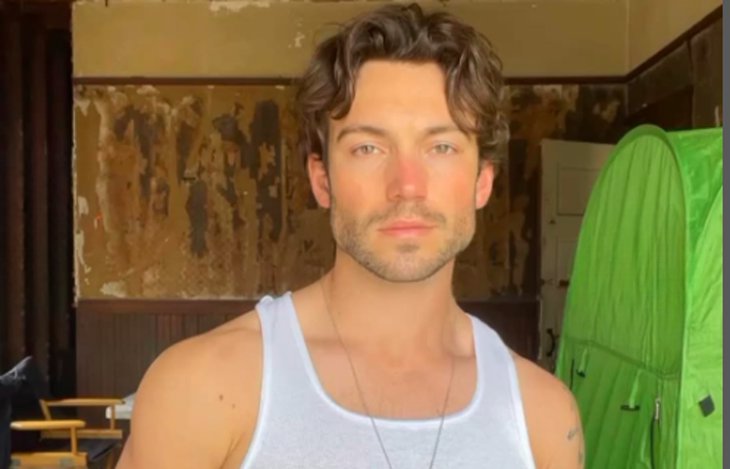
  • Rory Gibson Breaks His Silence: What Really Made His Explosive General Hospital Courtroom Scenes Feel So Real—And It Wasn’t the Script – News

    Rory Gibson Reveals What Made His Genera Hospital Scenes More Real
    When Rory Gibson stepped into the role of Michael Corinthos on General Hospital, the pressure couldn’t have been higher. Taking over after Chad Duell’s exit was no small task, and the storyline he walked into was already fiery enough to burn. Michael wasn’t just facing heartbreak—he was tangled in divorce drama, custody battles, and shocking revelations that turned his world upside down. And now, Gibson is finally opening up about what made those intense courtroom scenes feel so real—and it wasn’t the script.

    For soap fans, Michael Corinthos has always been one of those characters who carries the weight of Port Charles on his shoulders. From being Sonny’s son to weathering countless tragedies, Michael’s life has been a rollercoaster of love, betrayal, and loss. But this latest chapter—his split from Willow, his pursuit of custody, and Sasha’s bombshell pregnancy reveal—has been some of his most explosive material to date.

    So how did Gibson, still the new guy on set, manage to embody all that turmoil with such authenticity? As he tells it, the answer wasn’t found in the dialogue, but in the atmosphere.

    “The intensity in the room was pretty prevalent,” Gibson explained, recalling those heavy courtroom days where nearly the entire cast packed into a confined set. “I feel like not being super-familiar with everyone yet kind of helped me focus a little bit more.”

    General Hospital's Rory Gibson Hit Hard Times After Young & Restless

    Instead of leaning on camaraderie or comfort with his co-stars, Gibson channeled the raw unfamiliarity into Michael’s demeanor. It was a perfect match, considering Michael himself wasn’t looking for warmth or understanding—he was locked in, laser-focused, and ready to fight for what he believed was right.

    “The only thing that I feel like Michael was really concerned about was winning,” Gibson said. “So his dynamic with everyone else in the room doesn’t have to be warm and cuddly.”

    That edge—cold, relentless, and almost detached—ended up working brilliantly. Michael isn’t trying to make friends. He’s trying to protect his children and pull them out of what he views as a dangerous situation. With Willow now under Drew’s influence, Michael sees custody as his only option to shield his family from what he considers unsafe.

    But while the stakes were sky-high for Michael, the experience was just as meaningful for Gibson himself. Being confined on set with so many castmates gave him the unique chance to bond with the very people he was supposed to be fighting against. He admitted that while the storylines were tense, the behind-the-scenes connections helped him feel more at home in Port Charles.

    “It helped me to just be able to lock in on the scene and focus on what was happening in the moment,” he reflected. “On the other side of those scenes, I felt like I’d gotten to know my castmates much better, and I’m thrilled to see those episodes air.”

    For fans, the results have been undeniable. Michael’s courtroom fire has added a fresh layer of intensity to the show, bringing high drama and emotional stakes that feel both grounded and riveting. And while longtime viewers may still be adjusting to Gibson’s take on the role, many are praising the way he’s made Michael his own.

    General Hospital Rory Gibson Unveils The Most Devastating Moment Ahead For  Michael

    Still, what’s most fascinating is how life imitated art. Just as Michael was distancing himself emotionally to keep his focus on the custody battle, Gibson was navigating the same kind of professional distance on set—walking into a room full of unfamiliar faces and channeling that energy into his performance.

    The result? A series of scenes that feel raw, real, and painfully human. Courtrooms are never about comfort—they’re about pressure, strategy, and survival. And that’s exactly what Gibson delivered.

    Looking ahead, fans are bracing themselves for the fallout. Michael’s battle is far from over. With Sasha’s pregnancy reveal shaking everything up, Willow’s loyalties under question, and Drew’s presence looming large, the road ahead promises heartbreak, betrayal, and the possibility of Michael losing everything he’s fighting for.

    For Gibson, though, this is only the beginning. His early days in Port Charles may have felt like being “thrust into the fire,” but now he’s proving he can stand the heat. As Michael Corinthos carves out his next chapter, one thing is certain: Rory Gibson is here to stay, and he’s bringing a new kind of electricity to the role.

  • “WHAT A JOKE!” – Jon Stewart ERUPTS ON LIVE TV, Publicly Humiliates ABC Over Jimmy Fallon’s SHOCK FIRING in a Rant That Left the Entire Studio Frozen… What Happened Next Was Even More Shocking Viewers were left stunned and speechless as Jon Stewart unleashed a raw, unscripted tirade on live television — tearing into ABC executives just minutes after the network’s bombshell decision to fire Jimmy Fallon. With cameras rolling and producers scrambling, Stewart looked directly into the lens and said the words that would set social media ablaze: “What a joke!” What followed was a full-blown on-air meltdown that no one — not even the studio crew — saw coming. But what was behind his rage? Was this truly about Fallon, or is Stewart exposing something far darker about the late-night industry? As rumors swirl of power plays, betrayal, and a fractured network behind the scenes, many now believe this could be the beginning of a much bigger war. The truth about Fallon’s firing — and Stewart’s brutal response — might be far more personal than anyone imagined. The full uncut breakdown is here 👇 – News

    “Is Jon Stewart’s Explosive Takedown of ABC News the Breaking Point for Media Integrity? This Shocking Scandal Could Redefine Journalism Forever!”

    In a jaw-dropping turn of events that has sent shockwaves through the media landscape, comedian and cultural icon Jon Stewart has unleashed a scathing attack on ABC News, branding the network a “complete farce” for its decision to fire veteran host Jimmy Kimmel. The controversy erupted after Kimmel, a long-standing figure at ABC, posted a fiery comment on social media targeting White House deputy chief of staff Stephen Miller. Stewart, never one to shy away from a fight, took to his podcast The Weekly Show to deliver a blistering critique, accusing ABC of bowing to political pressure and abandoning its journalistic principles.

    But as the dust settles, this clash raises a burning question: Is this the moment the fragile facade of media integrity finally crumbles—or will it spark a much-needed reckoning in an industry teetering on the edge?


    The Saga Begins: Kimmel’s Fiery Post and ABC’s Response

    The saga began when Jimmy Kimmel, the beloved late-night host known for his sharp wit and unfiltered commentary, posted a provocative statement about Stephen Miller, a senior political figure in the Trump administration. In the now-deleted post, Kimmel described Miller as a “world-class agitator,” accusing him of making divisive decisions fueled more by rage than reason.

    The comment, interpreted by many as a raw expression of long-held frustrations, quickly gained traction—and so did the backlash. Within days, ABC announced that it would not be renewing Kimmel’s contract, citing a “clear violation of ABC News’ public conduct policies.”

    The move stunned Hollywood and the late-night world alike. Kimmel had long been considered one of ABC’s most bankable stars. His exit immediately raised eyebrows: Was this truly about policy—or politics?


    Jon Stewart’s Explosive Response: A Call for Accountability

    Then came Jon Stewart’s detonation.

    During a recent episode of his podcast The Weekly Show, Stewart slammed ABC’s decision, accusing the network of sacrificing editorial independence and truth-telling for corporate comfort and political appeasement.

    “ABC isn’t upholding journalistic values,” Stewart raged. “They’re managing risk. They’re choosing silence over honesty.”

    He didn’t stop there.

    Stewart highlighted a $15 million legal settlement ABC quietly reached in 2024 with a prominent political figure—widely believed to be Donald Trump—over a defamation lawsuit sparked by an on-air misstatement. Anchor George Stephanopoulos had erroneously claimed the individual had been found liable for a serious criminal charge, later corrected but not before igniting a legal storm.

    To Stewart, the writing was on the wall: ABC is more concerned with avoiding lawsuits than defending the truth.


    Kimmel’s Exit: New Beginnings or Industry Decline?

    For Jimmy Kimmel, the firing is both an end and a possible rebirth.

    After two decades of anchoring Jimmy Kimmel Live!, a program that helped shape late-night television and pop culture, Kimmel now stands at a professional crossroads. Rumors are already swirling about a possible independent move—maybe to Substack, YouTube, or a subscription-based platform.

    To many fans, the move away from ABC reflects a broader shift: media figures breaking free from corporate constraints and carving their own path in the digital wild west.

    “Kimmel didn’t just lose a job,” one insider said. “He gained freedom.”


    Media Bias and Accountability: The Core Crisis

    At the heart of this drama lies an even deeper issue: journalistic independence in an era of corporate risk-aversion.

    ABC defended its decision by citing policy violations and a need to “maintain neutrality.” But as Stewart pointed out, neutrality in 2025 is too often a cover for cowardice.

    “We’re not asking anchors to be robots,” Stewart said. “We’re asking networks to stop acting like scared PR firms.”

    The rise of social media has blurred the lines between private opinion and public persona. Kimmel’s comment about Miller, while controversial, was not out of character for the host. It was, as Stewart argues, the very kind of bold voice viewers turn to in chaotic times.


    The Miller Connection: Why Kimmel Spoke Out

    Stephen Miller is no stranger to controversy. Known for his hardline immigration policies, bombastic rhetoric, and rumored influence in shaping Trump-era culture wars, Miller has long drawn criticism from liberal commentators.

    Kimmel’s post wasn’t baseless—it was a pointed response to years of Miller’s policy decisions. According to Stewart, it was “a moment of justified outrage, not reckless commentary.”

    “Jimmy said what millions were thinking,” Stewart argued. “ABC punished him for it.”


    ABC’s Troubling Track Record: From Settlements to Silencing

    Stewart’s most damning accusation, however, involves what he calls ABC’s “pattern of strategic silence.”

    The 2024 settlement—reportedly connected to the aforementioned Stephanopoulos misstatement—became a case study in corporate damage control. Rather than contesting the lawsuit or standing behind its reporting, ABC paid out and moved on, choosing risk mitigation over editorial backbone.

    “You can’t call yourself a news network,” Stewart said, “if your first instinct is to flinch when someone powerful yells ‘lawsuit.’”

    Coupled with Kimmel’s dismissal, the pattern is clear: ABC is playing defense, not journalism.


    The Rise of Independent Journalism: Colbert, Greenwald, and the Kimmel Blueprint

    Kimmel isn’t the first big-name media figure to ditch the networks. Figures like Glenn Greenwald, Matt Taibbi, and even Stephen Colbert before his own departure from ABC (under similar murky circumstances) have paved the way for subscription-driven, independent platforms.

    With Kimmel possibly joining that exodus, Stewart’s prediction seems more prescient than ever:

    “We don’t need gatekeepers anymore,” he said. “We need truth-tellers with a mic—and no strings attached.”


    Stewart’s Role: Maverick or Media Menace?

    While many celebrate Stewart’s willingness to go to war with network hypocrisy, others question whether his commentary crosses a line. After all, Stewart remains a powerful media figure himself—now wielding influence across podcasts, guest spots, and The Daily Show.

    Still, his fans see him as a rare voice willing to challenge the institutions he once propped up.

    “I’ve criticized everyone—left, right, center,” Stewart said. “But if I stay silent when the system eats one of its own, then I’m complicit.”


    The Timing: Media Integrity at a Crossroads

    Kimmel’s firing. Stewart’s fury. The $15 million payoff. It’s all happening as trust in mainstream news hits historic lows and corporate mergers threaten to consolidate control over American media.

    “This isn’t about one post,” Stewart concluded. “It’s about whether the people still own the press—or if we’ve handed it over to risk managers and boardroom lawyers.”

    As Kimmel reportedly prepares to launch an independent venture, and Stewart keeps the heat turned up, ABC faces the most important question a news organization can face:

    What—and who—is it really for?


    Conclusion: A Media Reckoning Long Overdue?

    Jon Stewart’s explosive takedown of ABC News may go down as one of the most pivotal moments in modern media history—not because of who got fired, but because of what the firing represents.

    Kimmel is gone. The trust is shaken. And the cameras are rolling.

    Is this the collapse of journalism’s last defenses—or the spark that reignites its purpose?

    We may not know yet. But one thing’s certain:

    The facade has cracked. And Jon Stewart is swinging the hammer.

    News

    (CH1) Ex-Husband Shows Off His Younger Wife And Diamond Watch — She Signed In Black Ink — Minutes Later, A Lawyer’s Call Made Her Heir To A Vast Empire

    The Papers Summary: Amelia signs a lopsided agreement while her ex flaunts his new life. Your ex sits across the…

    (CH1) A motorcyclist h:it an 81-year-old veteran in a diner—no one could have imagined what would happen in the next few minutes…

    The diner smelled of fried food and burnt coffee. A trucker nursed his mug in silence while a family shared…

    (CH1) “Mom, That Man’s Crying”—My 7-Year-Old Handed Him Her Lemonade and Savings. What Happened 2 Days Later Left Me Speechless

    I was just trying to stretch another tight week when my daughter noticed a man crying outside the store. What…

    (CH1) My Parents Said I Wasn’t “Ready” To Sit With The Family Yet. So I Stayed Home And…

    I was sixteen the first time I tore up one of my mother’s brochures. It was a glossy trifold, heavy…

    (CH1) I Lent My Brand-New Car to My Sister for One Day, She Trashed It and Refused to Pay – but Karma Doesn’t Spare the Shameless

    I’ve always been the dependable one in my family, the one everyone leans on. But when I finally treated myself…

    (CH1) LITTLE GIRL BRINGS $52 TO BID FOR HER LATE MOM’S POLICE DOG — THEN THE CROWD FELL SILENT

    The county fairgrounds of Willow Creek buzzed with life—laughter, auction bells, the hum of cotton candy machines—but at the edge…


    End of content

    No more pages to load

    Next page

  • Samantha Armytage Breaks Silence on THOSE Golden Bachelor Romance Rumours – News

    “He’s a friend, and I’m the host.”

    Samantha Armytage has made some very rare comments about her dating life.

    The TV host, 49, has been single since splitting from her husband Richard Lavender late last year, and has been at the centre of speculation about her love life.

    In August, the rumour mill was sent into overdrive when she stepped out at the Logie Awards with The Golden Bachelor star Barry “Bear” Myrden.

    Barry rose to fame as Australia’s first Golden Bachelor on Channel Nine’s dating show, which Sam hosts, and fans were convinced something could be going on between them.
    Sam Armytage and Barry 'Bear' Myrden on the Logies red carpet togetherSamantha Armytage has insisted she is not involved with Barry “Bear” Myrden after they attended the 2025 Logie Awards together. (Credit: Getty)
    However, Sam has now poured cold water over the rumours, insisting they are just friends.

    “Well, you can’t host the show and then steal the Golden Bachelor. Hello. That wouldn’t be much fun, would it?” Sam said on Nova’s The Chrissie Swan Show.

    “He’s a friend, and I’m the host, and he’s the golden bach. And there are 20 wonderful ladies who were just so excited to meet him.”

    The 20 glamorous ladies vying for Bear’s attention on The Golden Bachelor were unveiled by Channel Nine on September 15 ahead of the show’s premiere later this year.

    Speaking to hosts Chrissie Swan and Jack Charles, Sam insisted none of the women came on the show for “fame” but all genuinely wanted to find love.

    “This is not like any show I’ve done before or seen before, because they’ve really, they’re not just coming into this for Instagram fame,” she said.
    The Golden Bachelor Sam is hosting The Golden Bachelor, where 20 women will be fighting for Bear’s heart. (Credit: Channel Nine)
    “They really are looking for love, all of them, and they all have these wonderful stories to tell. They’ve lived a life. So they’ve got, you know, plenty of miles on their tyres, so they know what it’s about. They know what they’re looking for. They know what they won’t put up with.

    “Some of them have had pretty horrible things happen in their lives. You know, they’re divorced or they’re widowed, and, of course, no one expects in their 50s and 60s, that’s where they’re going to be.

    “So these women find themselves in these situations now, and they go, you know what? These boomers, they’re really powerful.”

    Nine has yet to confirm the exact air date of The Golden Bachelor, but it is expected to arrive on TV before the end of 2025.

    As well as being linked to Bear, Sam then sparked romance rumours with another man at the start of September.
    sam-armytage-richard-lavenderSam has been single since splitting from her husband Richard Lavender in December. (Credit: Instagram)
    When she was pictured smiling alongside a male companion, fans hoped that Sam might have found love again.

    However, New Idea exclusively learned that the man pictured with Sam was just a friend.

    Sam has been single since splitting from her now ex-husband Richard late last year after four years of marriage.

    “Yes, Richard and I have separated. All break-ups are hard, but it’s somewhat lessened by the fact that it’s amicable and we wish the best for each other,” Sam said in a statement at the time.

    News

    BREAKING — MAHOMES DEMANDS RESPECT: In a moment that sent shockwaves through the NFL, Kansas City Chiefs superstar Patrick Mahomes stepped forward with unflinching fire to address the scandal that pulled Jimmy Kimmel Live! off the air. He wasn’t just giving an opinion — he was demanding accountability…

    BREAKING — MAHOMES DEMANDS RESPECT: In a moment that sent shockwaves through the NFL, Kansas City Chiefs superstar Patrick Mahomes…

    AUSTON MATTHEWS FED UP: Superstar SNAPS as relentless questions about Mitch Marner push him to the edge, fueling rumors of growing tension and frustration inside Maple Leafs’ locker room. SHOCKING reaction leaves media stunned and fans wondering if Toronto’s top duo is headed for a dramatic split!

    Auston Matthews is sick of answering questions about Mitch Marner “Two more weeks, then we’re done,” the Toronto Maple Leafs…

    TORONTO MAPLE LEAFS ON THE VERGE OF BLOCKBUSTER: Top NHL insider LINKS $68 MILLION superstar center to Toronto in a STUNNING twist that could TRANSFORM the franchise forever. Are the Leafs about to pull off the most JAW-DROPPING signing in recent hockey history? Fans are BUZZING with anticipation!

    As the Toronto Maple Leafs gear up for another season with hopes of finally breaking through, the buzz around the…

    BRAD MARCHAND STUNS NHL WORLD: Ex-Bruins defenseman Brandon Carlo DROPS BOMBSHELL, confirming superstar’s SECRET DESIRE to JOIN the rival Leafs. Could Boston’s most notorious agitator BETRAY his team and spark a HISTORIC shift in the battle for hockey supremacy? Fans are REELING from this SHOCKING revelation!

    As the dust settles on another dramatic NHL off-season, whispers of what could have been are echoing louder than ever…

    EXPLOSIVE CLIP LEAKED: Mitch Marner FURIOUSLY confronts Leafs teammates in SHOCKING playoff meltdown, sparking rumors of CHAOS behind the scenes. Is Toronto’s star player LOSING CONTROL at the worst possible moment, or is this the DRAMA that could DESTROY the Leafs’ Stanley Cup dreams for good?

    As the hockey world eagerly awaits the premiere of Amazon Prime’s much-anticipated second season of “Faceoff: Inside the NHL,” a…

    CONTROVERSIAL CALL TO ACTION: Analyst DEMANDS fans and media STOP attacking Arber Xhekaj for every penalty, claiming the Canadiens DESPERATELY NEED his AGGRESSIVE style to survive. Could Xhekaj’s so-called “reckless” play actually be the SECRET WEAPON Montreal needs to DOMINATE the NHL this season?

    In the aftermath of a heated showdown at the Bell Centre, one name continues to dominate the conversation among Montreal…


    End of content

    No more pages to load

    Next page

  • Asylum hotel row erupts as LAB0UR try to ‘BURY THE TRUTH’ about costs – News

    ‘Council budgets are buckling, and residents are being hammered with higher council tax bills to plug the gap’

    Migrants Continue To Cross The English Channel From France

    The cost of housing asylum seekers who reach the UK has become a potent political issue (Image: Getty Images)

    Labour has been accused of trying to “bury the truth” about asylum accommodation by refusing to say how nearly £122million has been allocated to local councils.

    Conservatives warn the “secrecy is unacceptable” when council budgets are “buckling” and taxpayers face higher bills.

    Newly appointed Home Secretary Shabana Mahmood has been challenged to come clean about how the cash is allocated amid fears councils are being “short-changed”.

    Shadow communities minister David Simmonds warns her in a letter: “This lack of transparency is deeply concerning. Local authorities are facing acute financial pressures as a direct result of asylum accommodation costs, while illegal migration across the Channel continues to get to record levels due to the Labour Government’s failure to tackle illegal migration.

    “Without clarity on how grant funding is being allocated, taxpayers cannot be confident they are receiving fair treatment. My own [Hillingdon] council estimates it is being short-changed by around £17million, costs which ultimately fall on residents through higher council tax bills.”

    Shadow Home Secretary Chris Philp warned: “Labour are turning every corner of Britain into a dumping ground for their asylum crisis. People who have lived in the same street for decades now wake up to find their community overwhelmed overnight, with services stretched and safety put at risk.

    “Local voices are ignored, objections brushed aside, and families left powerless. This is an immigration crisis, and the feeble Labour government is making it worse”.


    Mr Philp said the Conservatives would “fix this by deporting every single illegal arrival”, adding: “Without deportations there is no deterrence, without deterrence the boats will never stop.”

    Mr Simmonds added: “Labour are trying to bury the truth about how much councils are really getting to cover the cost of asylum accommodation. If ministers continue to hide this information, it will only raise further questions about what they are trying to conceal.

    “Across the country, communities are being short-changed, council budgets are buckling, and residents are being hammered with higher council tax bills to plug the gap. The public have a right to know where this money has gone and whether their communities are being treated fairly.”

    Shadow Home Secretary Chris Philp

    Shadow Home Secretary Chris Philp wants people who come here illegally deported (Image: Getty)

    In June 2004 – just before Labour took power – there were 29,585 people in hotels receiving asylum support. But at the end of June this year the number was 32,059. During this time the overall number of people receiving asylum support climbed from 100,995 to 106,075.

    Use of hotel accommodation peaked at 56,042 at the end of September 2023.

    A Government spokesperson said: “This Government inherited an asylum system in chaos, with tens of thousands of individuals in hotels waiting for their claims to be heard. We have taken urgent action to fix this. This year, the rate of asylum decision-making has doubled. We have reduced spending on hotels by almost £1billion. And we will close every hotel by the end of this Parliament.”

  • In a JAW-DROPPING revelation, a top Blue Jackets insider has CONFIRMED the swirling last-minute rumor about the Montreal Canadiens, sending SHOCKWAVES through the NHL—this BOMBSHELL could trigger a massive shake-up for Montreal and leave fans and rivals REELING from the news nobody saw coming. – News

    Rumors have a way of electrifying the hockey world, especially when they concern a city as iconic as Montreal and an event as anticipated as the NHL Draft.

    In the final moments before the news cycle resets, a whisper from a trusted source in Columbus has ignited a frenzy of speculation that could change everything for Canadiens fans and the entire league.

    The Bell Centre, long celebrated for its history and atmosphere, is suddenly at the heart of a swirling rumor that promises something truly remarkable—yet nothing is set in stone.

    With respected journalists weighing in and even confirming certain details, the suspense has only grown.

    The possibility of a major event returning to Montreal has insiders buzzing and fans on edge, eager for every scrap of information. While dates have been mentioned and some sources seem confident, official confirmation remains elusive, leaving plenty of room for surprise and debate.

    What does this mean for the city, the team, and the next generation of hockey stars? And just how close are we to seeing Montreal once again become the epicenter of the NHL universe?

    The full story, packed with twists and excitement, is still unfolding—and you won’t want to miss what comes next.

    Photo of Bell Centre

    Photo credit: Sportsnet

    We do indeed have a big last-minute rumor to report, and it involves the Montreal Canadiens.

    The very reliable journalist from Columbus, Mark Scheig, has just reported that the 2026 National Hockey League draft would take place in Montreal, according to the rumor! Wow!

    The 2026 NHL Draft would take place in Montreal!

    See the publication from the Columbus journalist.

    “Rumor has been Montreal. We’ll see if that holds up but we got NHL Draft dates.”

    – Mark Scheig

    Also see the original post from the well-regarded David Pagnotta, confirming the dates of this famous draft that would take place in Montreal.

    “The 2026 NHL Draft will take place June 26-27, 2026

    NHL President of Content & Events Steve Mayer just confirmed with us live on
    SiriusXMNHL.

    He added host city is not yet decided; goal is to finalize that by end of this calendar year.”

    – David Pagnotta

    Everything indicates that Gavin McKenna will be drafted at the Bell Centre, which is pretty incredible.

    Obviously this is major, obviously this is fantastic news, but personally I consider it would be much better news if the draft were held in person (and not in a decentralized format).

    Also note that Scheig’s information matches that of David Calabretta.

    “The 2026 NHL draft will take place June 26-27. Location TBA, however, I heard talk of either Vegas or Montreal.” – David Calabretta

    Clearly, the NHL and its various teams do enjoy coming to Montreal for the draft.

    Details to follow.

    News

    BREAKING — MAHOMES DEMANDS RESPECT: In a moment that sent shockwaves through the NFL, Kansas City Chiefs superstar Patrick Mahomes stepped forward with unflinching fire to address the scandal that pulled Jimmy Kimmel Live! off the air. He wasn’t just giving an opinion — he was demanding accountability…

    BREAKING — MAHOMES DEMANDS RESPECT: In a moment that sent shockwaves through the NFL, Kansas City Chiefs superstar Patrick Mahomes…

    AUSTON MATTHEWS FED UP: Superstar SNAPS as relentless questions about Mitch Marner push him to the edge, fueling rumors of growing tension and frustration inside Maple Leafs’ locker room. SHOCKING reaction leaves media stunned and fans wondering if Toronto’s top duo is headed for a dramatic split!

    Auston Matthews is sick of answering questions about Mitch Marner “Two more weeks, then we’re done,” the Toronto Maple Leafs…

    TORONTO MAPLE LEAFS ON THE VERGE OF BLOCKBUSTER: Top NHL insider LINKS $68 MILLION superstar center to Toronto in a STUNNING twist that could TRANSFORM the franchise forever. Are the Leafs about to pull off the most JAW-DROPPING signing in recent hockey history? Fans are BUZZING with anticipation!

    As the Toronto Maple Leafs gear up for another season with hopes of finally breaking through, the buzz around the…

    BRAD MARCHAND STUNS NHL WORLD: Ex-Bruins defenseman Brandon Carlo DROPS BOMBSHELL, confirming superstar’s SECRET DESIRE to JOIN the rival Leafs. Could Boston’s most notorious agitator BETRAY his team and spark a HISTORIC shift in the battle for hockey supremacy? Fans are REELING from this SHOCKING revelation!

    As the dust settles on another dramatic NHL off-season, whispers of what could have been are echoing louder than ever…

    EXPLOSIVE CLIP LEAKED: Mitch Marner FURIOUSLY confronts Leafs teammates in SHOCKING playoff meltdown, sparking rumors of CHAOS behind the scenes. Is Toronto’s star player LOSING CONTROL at the worst possible moment, or is this the DRAMA that could DESTROY the Leafs’ Stanley Cup dreams for good?

    As the hockey world eagerly awaits the premiere of Amazon Prime’s much-anticipated second season of “Faceoff: Inside the NHL,” a…

    CONTROVERSIAL CALL TO ACTION: Analyst DEMANDS fans and media STOP attacking Arber Xhekaj for every penalty, claiming the Canadiens DESPERATELY NEED his AGGRESSIVE style to survive. Could Xhekaj’s so-called “reckless” play actually be the SECRET WEAPON Montreal needs to DOMINATE the NHL this season?

    In the aftermath of a heated showdown at the Bell Centre, one name continues to dominate the conversation among Montreal…


    End of content

    No more pages to load

    Next page

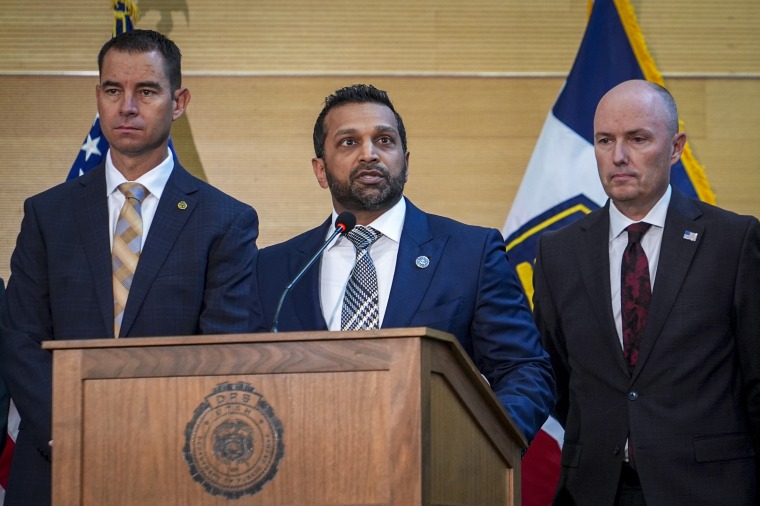
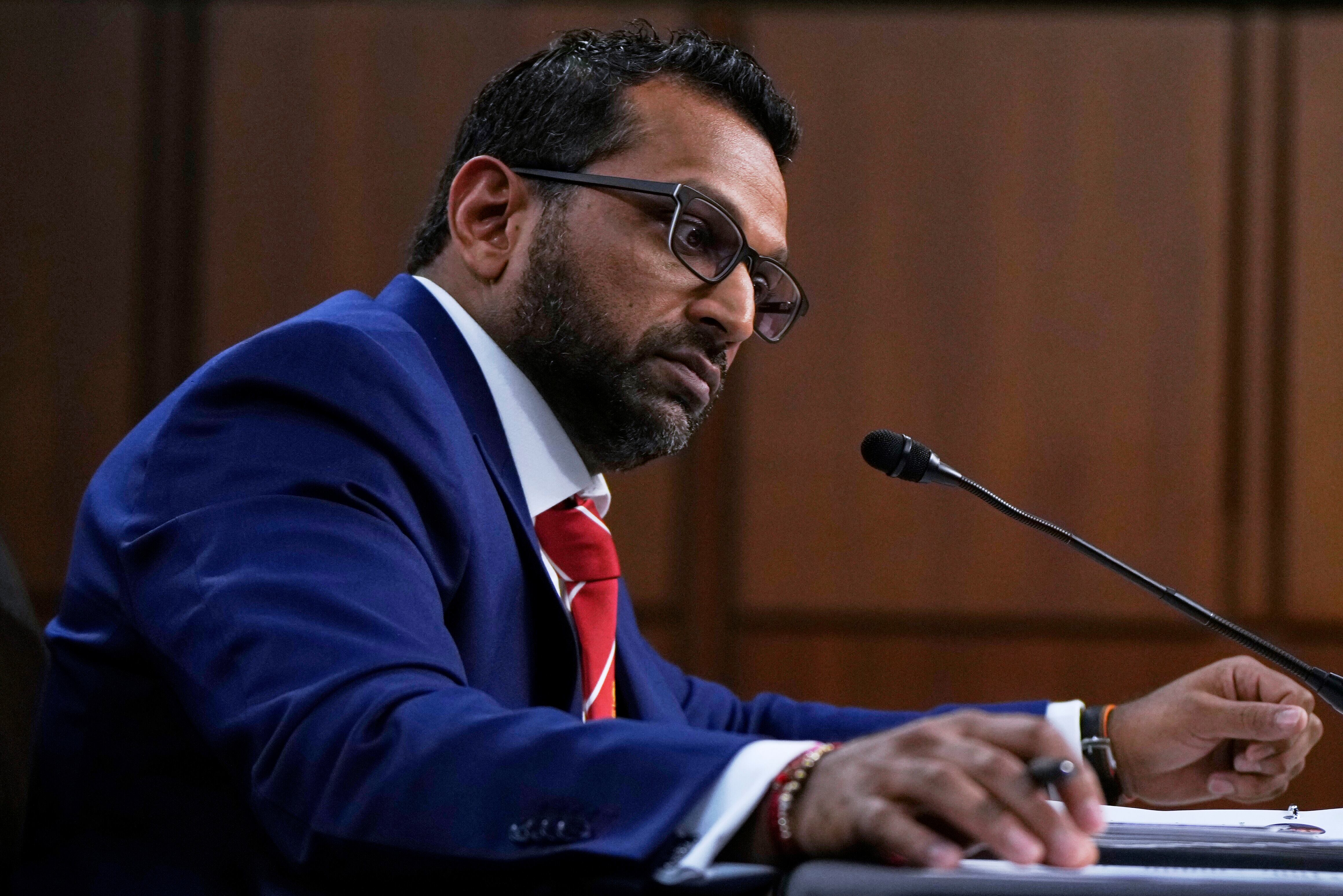
  • STUNNING: FBI Director Kash Patel has unveiled a shocking update regarding the Charlie Kirk investigation. – News

    In a stunning development that has already begun to ripple through political, social, and digital communities across the United States, FBI Director Kash Patel has delivered an update that many are calling one of the most consequential revelations of the year. Speaking with a tone that left little room for interpretation, Patel revealed that the federal investigation surrounding conservative activist Charlie Kirk may be far broader than anyone previously understood. According to Patel, federal authorities are not just looking into isolated figures or fringe actors. Instead, he disclosed that “a lot more” than 20 individuals from a particular Discord community are currently being scrutinized in connection with the disturbing case tied to suspected offender Tyler Robinson.

    The news has electrified both supporters and critics of the ongoing investigation, as the implications extend far beyond a single community chatroom. Discord, a platform originally designed for gamers but now home to sprawling communities of every type imaginable, has once again landed at the center of a national controversy. While many groups use the platform for harmless conversation, Patel suggested that investigators are uncovering troubling signs that certain corners of these communities may have served as breeding grounds for potentially dangerous activity.

    The story began with whispers about Robinson, a figure now linked to a deeply unsettling case that shook observers to their core. Though the details of Robinson’s alleged crimes are still under legal review, the connection to online communities immediately drew attention. Social media platforms have long faced criticism for enabling toxic behavior, but this update suggests the problem may be larger and more organized than previously assumed. By stating that dozens of individuals could be involved—or at least worthy of serious questioning—the FBI has escalated this from a narrow investigation into what could become a landmark case in how digital platforms are policed.

    For Charlie Kirk, the founder of Turning Point USA and one of the most recognizable conservative voices in the nation, the stakes are enormous. Kirk himself has not been directly implicated in wrongdoing, but the FBI’s widening probe places his name squarely in the headlines. Kirk’s supporters argue that he has been unfairly targeted by political adversaries for years, with investigations often weaponized as tools of intimidation. Detractors, however, contend that his influence makes any association—however tenuous—worthy of serious scrutiny. Patel’s update does not resolve that debate; if anything, it intensifies it.

    Political analysts note that Patel’s decision to frame his remarks in stark, unflinching terms signals that the Bureau intends to pursue this case aggressively. The phrase “a lot more” suggests not only numerical expansion but also the potential for the case to touch multiple networks, affiliations, or even organizations. This is the kind of statement that ignites speculation, and already conversations are spreading across television, podcasts, and online commentary circles about how deep this investigation could go.

    Critics of the Bureau will likely seize upon the announcement as evidence of overreach, while defenders will argue that failing to investigate thoroughly could leave the public vulnerable. In an age when digital platforms blur the lines between free expression and dangerous extremism, Patel’s comments strike at the heart of one of the most difficult questions facing American society: How far should law enforcement go in monitoring online communities, and what are the costs of inaction?

    The broader public response has been one of shock, intrigue, and in many cases, unease. Parents who once dismissed Discord as “just another chat app for kids” are now asking harder questions about what their children might encounter online. Politicians, sensing the potential for both risk and opportunity, are beginning to frame the issue in partisan terms. Some have called for stronger oversight of online platforms, while others warn against giving federal agencies too much power to surveil digital spaces.

    For his part, Patel emphasized that the Bureau is working to separate fact from rumor, and that not every individual being investigated should automatically be viewed as guilty. “We are following the evidence,” he said firmly. “What we’ve found so far points to a much broader network than initially assumed. That is the reality, and we will not ignore it.” His statement, while measured, made clear that the FBI is unwilling to downplay the seriousness of what it has uncovered.

    Media outlets, meanwhile, are scrambling to unpack the implications. The fact that the investigation links back not only to Discord but also to a high-profile figure like Charlie Kirk ensures that this story will not fade quickly. Analysts predict weeks—if not months—of speculation, hearings, and potentially explosive revelations.

    News

    Jennifer Aniston, Ben Affleck, Tom Hanks Sign Letter Warning of ‘Dark Moment for Freedom of Speech’ amid Jimmy Kimmel News

    400 celebrities, including prominent Disney stars, such as Selena Gomez, Pedro Pascal, Diego Luna, Martin Short and Meryl Streep, signed…

    A TRIBUTE THAT CROSSED OCEANS AND GENRES: No one could have predicted it. In a moment that stunned the music world, country superstar Blake Shelton, legendary tenor Andrea Bocelli, and icon Tom Jones walked onto a single stage, and a roaring arena of 90,000 people fell into a silence so deep it felt like prayer. This wasn’t a festival lineup; it was an unprecedented union of three masters from different worlds, brought together by a shared sense of loss to honor Charlie Kirk. Led by Shelton’s aching, heartfelt voice, their three distinct styles merged into a single, sacred farewell. It was a breathtaking reminder that in times of deep sorrow, music becomes a universal language, erasing all boundaries to speak directly to the heart.

    Blake Shelton, Andrea Bocelli, and Tom Jones Unite for an Unforgettable Tribute to Charlie Kirk No one expected it. Three…

    After Cheating on Me, My Ex Cut up My Favorite Outfits So I Wouldn’t ‘Look Pretty for Another Man’

    I thought leaving after his affair was the hardest part. Then I walked in and saw my husband cutting my…

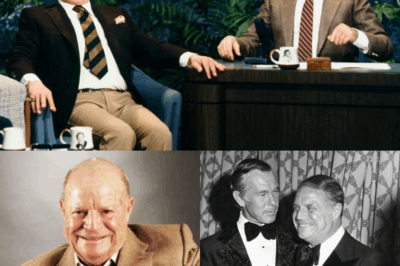
    Before Death, Don Rickles Exposed The Truth About Johnny Carson

    Don Rickles was the kind of comedian who could walk into any room—be it a smoky Las Vegas lounge or…

    At 92, Debra Paget Finally Reveals Why She Rejected Elvis Presley

    If you ask anyone who truly broke Elvis Presley’s heart, most fans will point to the whirlwind romance between the…

    Mick Fleetwood turned 78 this year. For decades, he kept the darkest secrets of Fleetwood Mac locked away. But now, he’s finally talking. The affairs that destroyed friendships. The cocaine that cost him $60 million. The betrayal that made Stevie Nicks ban someone from the studio. In March 2025, something happened that shocked everyone. Mick and Lindsey Buckingham were back in the studio together. What they discussed wasn’t just music. It was the truth about what really tore the band apart. And why Stevie might never forgive him.

    At 78, Mick Fleetwood Finally Breaks His Silence on Fleetwood Mac’s Most Explosive Secrets Mick Fleetwood turned 78 this year,…


    End of content

    No more pages to load

    Next page

  • The Day the Laughter Stopped: Why a Comedian’s Firing Became a Battle for the Soul of American Media – News

    It wasn’t a joke. For the first time in a long time on late-night television, the moment was stripped of all irony. Jimmy Kimmel, his face flushed with a mixture of anger and disbelief, stood center stage and delivered not a monologue, but a eulogy. A eulogy for a show, for a colleague, and perhaps for an entire era of television. “They didn’t just cancel a program,” he said, his voice cracking with genuine emotion. “They fired a truth-teller because the truth got too expensive. This is a declaration of war on truth.” The raw, unfiltered fury of the Jimmy Kimmel speech became the opening salvo in a conflict that has transcended network rivalries, exposing the fragile state of American political satire.

    The news that CBS had abruptly cancelled its flagship program, The Late Show with Stephen Colbert, landed like a shockwave. In a terse press release filled with bloodless corporate jargon, the network cited a “strategic restructuring” and a pivot to “new streaming priorities.” But no one believed it. Not for a second. The Late Show wasn’t a struggling sitcom on the bubble; it was the ratings king, a cultural institution, and for many, a nightly dose of sanity in a deeply fractured nation. The idea that CBS would willingly decapitate its late-night lineup for “synergy” felt absurd. The real story, as it so often does, began to leak from the cracks in the official narrative.

    Jimmy Kimmel Reacts to CBS Canceling Stephen Colbert: 'Fuck You'

    Anonymous sources from within the production, speaking to outlets like Variety and The Hollywood Reporter, painted a much darker picture. They spoke of growing nervousness in the executive suites, of frantic calls from the legal department after particularly sharp monologues, and of a pervasive fear of angering the wrong political faction in a volatile election year. “They wanted a safer show,” one producer allegedly said. “Stephen’s job was to be dangerous.” This growing CBS controversy suggests a fundamental clash of purpose: a comedian who saw his role as holding power accountable and a corporation that saw his commentary as a liability.

    The public backlash was instantaneous and overwhelming. The hashtag #SaveColbert became a global trend within an hour, a digital rallying cry for viewers who felt a profound sense of loss. It wasn’t just about losing a favorite entertainer; it felt like a betrayal. For years, Colbert had curated a unique space. He had perfected a delicate art, blending incisive commentary with a kind of weary empathy, allowing his audience to laugh at the absurdity of the political landscape without succumbing to despair. He was the nation’s pressure valve. To have that valve suddenly sealed shut by a boardroom decision felt like a gag order on the entire country.

    This moment feels seismic because it strikes at the very heart of the role of Late Night television in the 21st century. The genre has long since evolved from the days of Johnny Carson’s affable, even-handed quips. Beginning with the rise of Jon Stewart’s The Daily Show, where Colbert himself became a star, late-night comedy transformed into a vital, alternative form of journalism. Hosts became our most trusted anchors, using humor to deconstruct political spin and expose hypocrisy in a way traditional news often could not. They were jesters in the king’s court, the only ones licensed to speak uncomfortable truths. The premise was that the laughter made the medicine go down. But the fictional event of Stephen Colbert cancelled poses a terrifying question: What happens when the court decides it no longer wants to hear the truth, no matter how funny it is?

    The support from Colbert’s peers was a testament to his standing. Jon Stewart called him a “national treasure.” Sarah Silverman lamented that CBS had “lost the one reason I still paid for cable.” But it was Kimmel’s call for a “Late Night Rebellion”—a collective, week-long blackout—that elevated the situation from an industry dispute to a potential cultural standoff. It was a plea for solidarity, a recognition that an attack on one of them was an attack on all of them, regardless of network affiliation. It was a dare to their corporate bosses: to see what the airwaves looked like without their most vital, challenging voices.

    What makes this hypothetical scenario so resonant is its plausibility. Media conglomerates are under immense pressure from shareholders, advertisers, and political forces. The desire to de-risk content, to smooth over the controversial edges, and to appeal to the broadest possible audience without offense is a powerful financial incentive. Political satire, by its very nature, is risky. It picks sides. It offends. It aims to comfort the afflicted and afflict the comfortable. In the hyper-polarized environment of modern America, that comfort and affliction are often a zero-sum game. For every viewer who cheers at a scathing takedown of a political figure, another may be alienated, creating a calculus of outrage that executives are increasingly unwilling to solve.

    The fallout from this decision pushes a talent like Colbert out of the mainstream and, paradoxically, could make him more powerful. The rumors of a move to a streaming service like Netflix or Apple TV+ represent the next stage in the evolution of media personalities. Unchained from the censors, advertisers, and brand-safety concerns of a broadcast network, a “Colbert Unchained” could be a far more potent and unfiltered force. The very act of trying to silence him could give him a bigger microphone and a more passionate, dedicated audience than ever before.

    Ultimately, the imagined cancellation of The Late Show serves as a powerful allegory for our times. It’s a story about the precarious space for dissent in a corporate world, about the commodification of truth, and about the fear of voices that refuse to be softened. It forces us to ask what we value more: the comfort of inoffensive, “safe” entertainment, or the bracing, necessary discomfort of comedy that matters. Jimmy Kimmel may have lit the match, but the fire was already smoldering. The audience, now more than ever, is hungry for authenticity, for courage, and for the kind of laughter that comes from telling the undeniable, unvarnished truth. The question that hangs in the silent, empty studio is whether anyone is still brave enough to broadcast it.

  • Nurse Vanished in 1972 — 30 Years Later, Her Sister Found Something No One Expected – News


    In the summer of 1972, a young nurse named Angela vanished without a trace in Rochester, New York. For three decades, her sister refused to give up, searching, questioning, hoping. Then, in 2002, she finally found something. But it wasn’t closure. What she uncovered didn’t just bring answers. It shook the entire town to its core.
    A discovery so disturbing some people still won’t talk about it. This is the story of what really happened to Angela and what her sister wishes she had never found. Before we begin this investigation, let us know where you’re watching from in the comments and subscribe for more mysterious disappearance stories like this one.
    Rochester, New York in 1972 was a different world. Treeline streets where children played until street lights came on. Women wore modest dresses. The Vietnam War dominated headlines, but small town America felt safe and predictable. St.
    Mary’s Hospital sat in the heart of downtown, a beacon of hope, where dedicated nurses worked long shifts caring for their community. The summer of 1972 was particularly beautiful, warm, sunny days, perfect for bicycle rides through quiet neighborhoods. Gas cost 36 cents a gallon and only a few families had vehicles in those days, so bicycles were common transportation. The pace of life was slower, more trusting.
    Neighbors knew each other’s names, doors stayed unlocked, and a young woman could ride her bike alone without fear. This peaceful world was about to be shattered by an event that would haunt Rochester for decades. But first, let me tell you about Angela.
    Angela Marie Thompson was 32 years old in the summer of 1972, though she looked younger with her bright smile and optimistic spirit. She had worked at St. Mary’s Hospital for 8 years, specializing in pediatric care. Children adored her gentle touch and soothing voice. Fellow nurses respected her dedication.
    She never called in sick and often stayed late to comfort worried parents. Angela lived in a small apartment on Elm Street, just 2 miles from the hospital. Every morning, she’d ride her powder blue Schwin bicycle to work, her white nurse’s cap secured with bobby pins, a wicker basket attached to the handlebars for her lunch and personal items.
    She was saving money to buy a small house, dreaming of a garden where she could grow flowers. Angela had never married, but she wasn’t lonely. She considered her patients and co-workers her extended family. Nobody could have predicted what was coming. Margaret Thompson, Angela’s younger sister by 3 years, lived just across town with her husband and two small children.
    The sisters talked every Tuesday evening without fail, sharing stories about work, family, and dreams. Margaret often joked that Angela was the good one, always helping others, never complaining, radiating kindness wherever she went.
    Their childhood had been difficult after their parents divorced when they were teenagers, but the sisters had supported each other through everything. Margaret kept a spare key to Angela’s apartment and watered her plants when she worked double shifts. Angela in return babysat Margaret’s children and brought them small gifts from the hospital gift shop.
    They had a tradition of meeting for coffee every Sunday after church, discussing everything from recipes to romance novels. Margaret treasured these moments, never imagining how precious these memories would become. Their bond was about to be tested in ways neither sister could have imagined. Monday, June 12th, 1972. Started like any other day at St. Mary’s Hospital. Angela arrived at 6:30 a.m.
    for the morning shift. Her bicycle parked in the designated area behind the employee entrance. She worked in the children’s ward, checking on young patients, administering medications, and comforting worried families. Nurse Patricia Collins, who worked the adjacent ward, reme
    mbered seeing Angela around 200 p.m. discussing a difficult case involving a six-year-old boy with pneumonia. Angela seemed her usual caring self, perhaps a bit tired from the busy morning. Dr. Harrison, the attending physician, recalled Angela staying an extra 20 minutes to comfort the boy’s mother, promising to check on him
    during the evening shift change. Angela clocked out at 3:15 p.m. 15 minutes late due to her extended care. Security guard Robert Mills watched her retrieve her bicycle, noticing she seemed thoughtful but not distressed. She waved goodbye, adjusted her white cap, and pedled toward the street. It was the last time anyone at the hospital would see her alive.
    Angela’s route home was predictable and safe, or so everyone thought. She would exit the hospital parking lot, turn left on Main Street, then right on Oak Avenue, following it for about a mile before turning onto the quieter residential streets leading to her apartment. The entire journey typically took 12 minutes by bicycle. Mrs.

    Eleanor Hutchkins, who lived on Oak Avenue, was watering her garden around 3:30 p.m. when she saw Angela pedal past, waving as she always did. Angela appeared normal, even cheerful. her nurse’s cap perfectly in place despite the warm afternoon breeze. She was following her usual route. Nothing seemed to miss.
    But somewhere between Oak Avenue and Elm Street, Angela vanished. Her bicycle, her cap, her small purse with a hospital ID badge, everything disappeared as if she had simply evaporated into the summer air. The distance between Mrs. Hutchkins house and Angela’s apartment was less than half a mile. What happened in those crucial minutes remains a mystery. By 6:00 p.m., Margaret began to worry.
    Angela always called after her shift to check on the children and share stories from her day. When the phone remained silent, Margaret tried calling Angela’s apartment. No answer. At 7:30 p.m., Margaret drove to Angela’s building and knocked on her door. silence. Using her spare key, she entered the tidy apartment.
    Angela’s bed was made, her morning coffee cup washed and put away, but there was no sign she had returned home. Her work uniform for Tuesday’s shift hung neatly in the closet, her alarm clock set for 5:30 a.m. Margaret checked with the landlord, Mr. Peterson, who hadn’t seen Angela return. She called Saint Mary’s Hospital. Angela had left on schedule and mentioned no plans to go anywhere except home.
    As darkness fell, Margaret’s concern transformed into genuine fear. Angela was responsible, predictable, and devoted to her routine. She would never simply disappear without explanation. Something was terribly wrong. At 8:45 p.m., Margaret called the Rochester Police Department. Desk.
    Sergeant Williams listened to her concerns with apparent disinterest. Adult women, he explained, had the right to disappear if they chose. Maybe Angela had met someone, decided to take a spontaneous trip, or simply needed time alone. Margaret insisted this was completely out of character. Angela was responsible, caring, and would never worry her family deliberately. The sergeant suggested waiting 24 hours before filing a missing person report.
    Young women sometimes need space, he said dismissively. Margaret felt her frustration building. She knew her sister better than anyone. Angela didn’t take spontaneous trips, didn’t have secret boyfriends, and certainly wouldn’t abandon her patients without notice. She demanded to speak with a detective, but was told none were available for non-emergency situations.
    As Margaret left the police station, she felt utterly alone. If the police wouldn’t help immediately, she would have to start searching herself. Time was slipping away, and every minute mattered. By Tuesday morning, when Angela failed to appear for her hospital shift, Margaret knew her worst fears were justified.
    She called in sick to her own job and began organizing a search. Her husband, Tom, initially shared the police’s skepticism, but agreed to help after seeing Margaret’s determination. They started by retracing Angela’s route from the hospital, questioning neighbors and shop owners along the way. Mrs. Hutchkins confirme
    d seeing Angela around 3:30 p.m. waving as usual. After that, the trail went cold. Margaret posted handwritten flyers throughout the neighborhood. Missing Angela Thompson, 32, nurse at St. Mary’s Hospital. Last seen Monday, June 12th, riding a Blue Schwin bicycle. She included Angela’s photo, a professional headsh shot showing her warm smile and kind eyes.
    Local businesses agreed to display the flyers, and some neighbors joined the search. They checked parks, wooded areas, and abandoned buildings. Margaret felt a growing sense of dread. Angela would never voluntarily cause this much worry and disruption. Something horrible had happened to her beloved sister.
    After 48 hours, the Rochester Police Department officially opened a missing person case. Detective Frank Morrison, a 15-year veteran, was assigned to lead the investigation. He was thorough but skeptical, still believing Angela had likely left voluntarily. Morrison interviewed Angela’s co-workers, friends, and neighbors, searching for clues about her state of mind or any unusual behavior. Everyone described Angela as happy.

    stable and dedicated to her work. There were no signs of depression, financial problems, or romantic troubles. Morrison expanded the search to include nearby towns. Thinking Angela might have been visiting someone, he checked bus stations, train terminals, and car rental agencies. No one matching Angela’s description had been seen.
    The detective also investigated the possibility of foul play, but there were no obvious suspects or motives. Angela had no enemies, no dangerous relationships, no involvement with drugs or crime. As days passed without leads, Morrison began to suspect they might never find answers. The case was becoming more mysterious and disturbing with each passing hour.
    News of Angela’s disappearance spread throughout Rochester’s tight-knit community. St. Mary’s Hospital organized volunteer search parties with dozens of staff members spending their off hours combing through parks, wooded areas, and abandoned buildings. Local businesses donated food and supplies for the searchers.
    The Rochester Democrat and Chronicle ran Angela’s story on the front page, generating tips and volunteer support. High school students joined weekend searches, methodically walking through every accessible area within a 10-mi radius of Angela’s last known location. Margaret coordinated these efforts from her kitchen table, marking searched areas on a large map and logging every tip, no matter how unlikely.
    The community response was overwhelming, proof of how much Angela meant to everyone who knew her. Church groups held prayer vigils and neighbors organized fundraising efforts to support the search. Yet, despite hundreds of hours of searching and genuine community concern, no trace of Angela emerged. It was as if she had vanished into thin air, leaving behind only questions and growing despair.
    Over the following weeks, the police received dozens of tips and reported sightings. A bus driver claimed to have seen Angela boarding a Greyhound to Buffalo. A store clerk in nearby Henrietta insisted she had served Angela ice cream 3 days after the disappearance.
    Each lead required investigation, sending Margaret’s hopes soaring only to crash when the sightings proved false or inconclusive. Detective Morrison followed every credible tip, but they all led nowhere. The most promising lead came from a fisherman who found women’s clothing near the Jese River, but the items didn’t belong to Angela.
    A psychic from Albany contacted the police, claiming to have visions of Angela in a basement somewhere in the city. Despite Morrison’s skepticism, desperate family members convinced him to investigate several basement locations. Nothing was found. After 6 weeks of intensive searching, the active investigation began to wind down. Morrison assured Margaret that the case would remain open, but resources had to be redirected to newer cases.
    The trail was getting colder by the day. As weeks turned to months without answers, rumors began spreading throughout Rochester. Some neighbors whispered that Angela had been having a secret affair and had run away with a married man.
    Others suggested she had suffered a mental breakdown and was living homeless in another city. More sinister theories emerged. Perhaps she had been kidnapped by human traffickers or murdered by a serial killer passing through town. Margaret found these rumors deeply painful, especially the suggestions that Angela had chosen to disappear. She knew her sister’s character.
    Angela was incapable of deliberately causing such pain to her family. The rumors reflected people’s need to make sense of the inexplicable, but they also revealed uncomfortable truths about how quickly a missing person’s reputation could be destroyed by speculation. Margaret began avoiding certain neighbors and social gatherings where she might hear hurtful gossip about Angela.

    the truth was bad enough without adding layers of unfounded accusations. She preferred focusing her energy on continued searching rather than defending her sister’s memory against baseless rumors. As Detective Morrison interviewed more potential witnesses, conflicting accounts emerged that complicated the investigation.
    Harold Jenkins, a construction worker, claimed he saw Angela talking to a man in a dark sedan near the corner of Oak and Pine around 400 p.m. on June 12th. However, teenager Billy Crawford insisted he saw Angela riding her bicycle toward Maple Street around the same time, a completely different direction. Mrs. Dorothy Walsh was certain she spotted Angela entering Riverside Park, but park maintenance worker Jose Martinez had been working there all afternoon and saw no one matching her description.
    These contradictory sightings frustrated Morrison and gave false hope to Margaret. Each witness seemed genuinely convinced of what they had seen. But their stories couldn’t all be true. Morrison began to suspect that people were unconsciously filling in gaps in their memory or perhaps confusing Angela with other women.
    The human mind, he realized, was an unreliable recorder of events. These conflicting accounts made it impossible to establish Angela’s actual whereabouts after leaving Mrs. Hutchkins’s site on Oak Avenue. By autumn 1972, Detective Morrison had exhausted most conventional investigative approaches.
    Angela’s bank account remained untouched, suggesting she hadn’t withdrawn money for a planned departure. Her apartment showed no signs of hasty packing or struggle. Medical records revealed no history of mental illness or suicidal thoughts. Morrison expanded the investigation to include surrounding states, coordinating with police departments in Pennsylvania, Ohio, and Vermont.
    Missing person bulletins were distributed nationwide, but generated no credible leads. The detective even consulted with FBI agents specializing in missing person’s cases, but they found no evidence linking Angela’s disappearance to known criminal patterns. Morrison’s superiors began pressuring him to focus on newer cases with better prospects for resolution. The Angela Thompson file was gradually relegated to his desk drawer, pulled out occasionally when new tips arrived, but otherwise gathering dust.
    Margaret felt increasingly frustrated with the police response, sensing that they had given up hope. She refused to accept that her sister had simply vanished without explanation, but wasn’t sure what else could be done. Frustrated by the stalled police investigation, Margaret decided to hire a private investigator using money from Angela’s savings account.
    Robert Chen, a former police detective who specialized in missing person’s cases, agreed to review the evidence and conduct fresh interviews. Chen was thorough and professional. But after 3 weeks of investigation, he reached the same dead end as the police. He suspected foul play, but couldn’t identify any suspects or locate physical evidence.
    Desperate for answers, Margaret also consulted with several psychics recommended by other families of missing persons. Most offered vague, generic insights. But one woman named Madame Rosa claimed to sense that Angela was trapped in darkness somewhere near water. This led to additional searches along the Jese River and its tributaries, but nothing was found. Margaret spent hundreds of dollars on these alternative approaches, money the family could barely afford, but felt she had to explore every possibility.
    The private investigator and psychics provided emotional support, but no concrete answers about Angela’s fate. The ongoing mystery of Angela’s disappearance began taking a severe toll on Margaret’s family. Her husband Tom, initially supportive, grew frustrated with Margaret’s obsessive focus on the search. Their young children, ages six and four, couldn’t understand why mommy was always sad and distracted.

    Margaret had difficulty sleeping, often lying awake, imagining terrible scenarios about Angela’s fate. She lost weight and developed chronic headaches from stress. Tom suggested she seek counseling, but Margaret insisted she couldn’t rest until Angela was found. Their marriage became strained as Margaret spent increasing amounts of time and money on the search efforts.
    Extended family members, initially sympathetic, began suggesting that Margaret needed to move on and accept reality. These well-meaning comments hurt deeply. How could she abandon her sister? Margaret felt increasingly isolated, as if she were the only person who still believed Angela deserved to be found. The grief was transforming her from a happy wife and mother into someone consumed by loss and determination.
    The family was fracturing under the weight of unanswered questions. Despite the emotional toll, Margaret refused to let Angela’s memory fade. She kept Angela’s apartment exactly as it was, paying the rent each month and visiting weekly to water the plants and dust the furniture. Angela’s nursing uniforms remained hanging in the closet, her favorite books still stacked on the nightstand.
    Margaret created a scrapbook documenting the search efforts, newspaper clippings, and memories shared by Angela’s friends and co-workers. She organized annual memorial services at St. Mary’s Hospital, where Angela’s colleagues shared stories about her kindness and dedication.
    Margaret also established a small scholarship fund for nursing students, ensuring Angela’s commitment to caring for others would continue helping people. These activities provided some comfort, but couldn’t fill the massive hole left by Angela’s absence. Margaret wrote letters to Angela, storing them in a special box, explaining what was happening in the family and expressing her ongoing love and determination to find answers.
    These rituals helped Margaret cope with the uncertainty while maintaining hope that someday, somehow, the truth would emerge about what happened to her beloved sister. As 1972 became 1973, then 1974, Angela’s case gradually faded from public attention. Detective Morrison retired in 1976, passing the file to younger officers who viewed it as a cold case with little chance of resolution.
    Margaret continued her solitary search, but with less community support and dwindling resources. Her marriage survived, though changed by the ordeal. Her children grew up knowing they had an aunt who had mysteriously disappeared, understanding why their mothers sometimes seemed sad for no apparent reason.
    Margaret aged visibly during these years, her face marked by chronic worry and sleepless nights. She developed a routine of driving Angela’s old route every month, hoping to notice something previously overlooked. The neighborhood changed around her. New families moved in, old witnesses moved away or died, and physical landmarks were altered by development.
    By 1980, Margaret was often the only person who remembered the details of Angela’s disappearance. The case file gathered dust in police storage, officially open, but practically forgotten. Margaret felt like a guardian of her sister’s memory, alone in her determination to find answers. In early 2002, 30 years after Angela’s disappearance, Margaret found herself returning to Rochester following a difficult divorce.

    Her children were grown with families of their own, and she needed a fresh start somewhere familiar yet different. She rented a small house on the east side of town, not far from where Angela had lived decades earlier. The city had changed dramatically. New shopping centers, subdivisions, and business districts had transformed the landscape. St.
    Mary’s Hospital had expanded into a modern medical complex barely recognizable from the 1970s. Margaret was 59 years old, graying and worn by three decades of unanswered questions. But her determination to find Angela had never wavered. She decided to revisit all the old locations, hoping that time might have revealed clues previously hidden.
    The police file remained officially open, though the current detective assigned to Cold Cases admitted he had never actively investigated Angela’s disappearance. Margaret realized that if answers were going to be found, she would have to find them herself. This return to Rochester marked the beginning of a new chapter in her long search.
    On a crisp October morning in 2002, Margaret decided to walk Angela’s route from the hospital to her old apartment. The streets were familiar yet foreign. Many buildings had been demolished or renovated, and the quiet residential character had given way to busier commercial development. She started at what had been St.
    Mary’s Hospital, now part of a larger medical complex, and followed the route Angela would have taken on her bicycle. Oak Avenue was wider now with more traffic and fewer trees. Mrs. Hutchin’s house had been torn down for a convenience store. As Margaret walked, she tried to imagine what Angela might have seen or experienced in those final moments.
    The journey took her through areas that had once been searched thoroughly, but had since changed beyond recognition. Near what had been Angela’s apartment building, Margaret noticed a wooded area she didn’t remember from the 1970s. Urban development had shifted over the decades, creating new green spaces while eliminating others.
    Something about this particular area felt significant, though she couldn’t explain why. It deserved closer investigation. The wooded area that caught Margaret’s attention was part of a new city park created in the 1990s when several old industrial buildings were demolished. A network of walking trails had been carved through the trees popular with joggers and dog walkers.
    Margaret decided to explore these paths, thinking they might have existed in some form during the 1970s. The main trail was well-maintained and clearly modern, but she noticed a narrower, overgrown path branching off toward a more secluded area. This secondary trail seemed older, perhaps predating the official park development. As she followed it deeper into the woods, Margaret felt an strange mixture of hope and dread.
    The path wound through dense vegetation before opening into a small clearing dominated by several large oak trees. The area felt isolated and forgotten despite being within walking distance of busy streets. Margaret had the unsettling sensation that she was close to something important, a feeling that had eluded her for 30 years.
    Her heart began beating faster as she continued exploring this forgotten corner of Rochester. As Margaret rounded a bend in the overgrown trail, she stopped abruptly. There, partially hidden by decades of accumulated vines and fallen leaves, was a bicycle. Her breath caught in her throat as she moved closer. The frame was powder blue, though faded and rusted after 30 years of exposure to the elements.

    Vines had grown through the spokes, and moss covered much of the metal, but the basic structure remained intact. Margaret’s hands trembled as she began clearing away the vegetation. The bicycle had a small wicker basket attached to the handlebars, now rotted and broken. As she cleaned away more debris, her heart began pounding. This bicycle looked exactly like Angela’s.
    The same model, the same color, the same style of basket. Margaret knew she needed to be certain before calling the police. She searched for identifying marks. her fingers tracing the rusted frame with desperate hope. If this was Angela’s bicycle, it would be the first concrete evidence found in three decades. The discovery would change everything, potentially providing answers that had remained hidden for 30 years.
    With shaking hands, Margaret continued examining the bicycle, looking for any identifying features that could confirm her suspicions. She remembered that Angela had registered her bike with the hospital security office, and there should be a serial number stamped somewhere on the frame.
    Margaret cleared away more rust and grime, searching methodically despite her excitement and fear. Finally, near the bottom bracket where the pedals attached, she found what she was looking for, a series of numbers and letters stamped into the metal. Though partially corroded, the serial number was still readable. SN447 2 1 96 69 9 Margaret pulled out a small notebook where she had recorded every detail about Angela’s disappearance over the years.
    Her heart stopped as she found the matching entry. Angela’s bicycle serial number carefully copied from hospital security records in 1972. The numbers matched perfectly. This was definitely Angela’s bicycle. After 30 years of searching, Margaret had found the first piece of concrete evidence. But the discovery raised more questions than it answered.
    How had the bicycle ended up in this secluded location? Where was Angela? What had happened here 30 years ago? Margaret immediately called the Rochester Police Department, her voice shaking as she explained her discovery to the desk sergeant.
    Within an hour, detective Lisa Rodriguez arrived at the scene with a crime scene photographer and evidence technician. Rodriguez was young, professional, and took Margaret’s discovery seriously. She carefully documented the bicycle’s location and condition, taking dozens of photographs from every angle.
    The serial number was photographed and verified against the original missing person report. Rodriguez explained that the bicycle would be transported to the police lab for thorough analysis. Though after 30 years of exposure, finding usable evidence would be challenging. Margaret watched as officers carefully removed the bicycle from its resting place. Noting how the vegetation had grown around and through it, suggesting it had been there for decades.

    Rodriguez promised to review the original case file and interview Margaret about any new information she might have remembered over the years. The discovery breathed new life into Angela’s case, transforming it from a cold case into an active investigation. Finally, after three decades, there was hope for answers.
    The police forensics team spent several days thoroughly examining the location where Angela’s bicycle was found. The secluded clearing showed signs of long-term human activity, though determining when that activity occurred was challenging after 30 years. Investigators found several rusted metal objects buried in the soil, tools, pieces of machinery, and what appeared to be personal items.
    The vegetation patterns suggested the area had been disturbed decades earlier, consistent with the timeline of Angela’s disappearance. Soil samples were collected for analysis, and metal detectors were used to search for additional evidence. Detective Rodriguez discovered that the trail Margaret had followed was indeed older than the official park, possibly dating back to the 1960s or earlier.
    City records showed the area had once been part of a larger industrial complex that included storage buildings and maintenance facilities. Most interestingly, the land had been privately owned in 1972 before being sold to the city in the 1980s. The previous owner was an elderly man named Walter Brennan, who had died in 1995.
    The investigation was beginning to reveal secrets that had been buried for decades. Detective Rodriguez’s investigation into Walter Brennan revealed a troubling history. Brennan had owned the property from 1968 until 1984, living in a small house on the eastern edge of the land. He had worked as a maintenance supervisor at several local institutions, including a state mental health facility that closed in 1969.
    Neighbors from the 1970s, now elderly themselves, remembered Brennan as a reclusive man who discouraged visitors and posted no trespassing signs throughout his property. County records showed that police had questioned Brennan briefly during the original investigation into Angela’s disappearance, but he had provided an alibi and was never considered a serious suspect.
    More disturbing was Rodriguez’s discovery that Brennan had been questioned in connection with two other missing person cases in the 1960s, both involving young women who had vanished without trace. In each case, insufficient evidence prevented charges from being filed. Brennan’s former neighbors described him as odd and creepy, mentioning that he often worked at night and seemed to have an unusual interest in young women who passed by his property.
    The pattern was becoming increasingly suspicious. Rodriguez’s investigation revealed that Walter Brennan had worked at Riverside State Hospital from 1965 to 1969 when the facility was closed due to budget cuts and changing attitudes toward mental health treatment. The hospital had housed patients with various conditions, including those committed involuntarily by families or courts.

    Employment records showed that Brennan had been fired from his maintenance position in early 1969 following complaints about his behavior toward female staff members and patients. Several former employees, now in their 70s and 80s, remembered Brennan as inappropriate and threatening. One retired nurse recalled reporting Brennan for entering patient rooms without authorization and making uncomfortable comments to young women.
    The hospital’s closure had scattered records and personnel, making it difficult to fully investigate Brennan’s history there. However, Rodriguez discovered that at least three female patients had disappeared from the facility during Brennan’s employment, all officially listed as voluntary departures despite their severe mental conditions.
    The coincidences were mounting, suggesting a pattern of predatory behavior that may have continued after Brennan’s dismissal. Angela’s case was looking less like a random crime and more like part of a larger, more sinister pattern. As Detective Rodriguez delve deeper into Walter Brennan’s history and the connection to Angela’s disappearance, she encountered unexpected resistance from within the police department and city government.
    Her requests for additional resources were denied, and she was told to focus on more current cases with better prospects for resolution. When Rodriguez tried to access archived records from Riverside State Hospital, she was informed that many files had been lost or destroyed during the facility’s closure. City officials seemed reluctant to pursue an investigation that might reveal decades old institutional failures and cover-ups.
    Rodriguez found herself working alone, using her own time to follow leads that her superiors deemed unimportant. Margaret noticed the detectives frustration during their meetings, sensing that political considerations were interfering with the search for truth. Anonymous phone calls warned Rodriguez to leave Sleeping Dogs lie and focus on other cases. The resistance only strengthened Rodriguez’s determination to uncover the truth.
    But she realized she was fighting not just an old crime, but an entire system designed to protect institutional reputations rather than serve justice for victims like Angela. Frustrated by the official investigation’s limitations, Margaret decided to conduct her own research into Walter Brennan and the mysterious property where Angela’s bicycle was found.
    She spent hours at the Rochester Public Library, searching through old newspaper archives and city records. Margaret discovered that Brennan had owned several properties throughout the region during the 1960s and 1970s, often purchasing them through shell companies or business partnerships that obscured his involvement. She also found references to other missing persons cases in nearby towns, including a 19-year-old college student who disappeared in 1974 and a 25-year-old secretary who vanished in 1976.
    Both cases remained unsolved, and both women had last been seen in areas where Brennan had owned property. Margaret began mapping these locations, finding disturbing patterns that suggested a serial predator had operated in the region for years. Her amateur investigation was yielding more concrete leads than the official police work, but she was also uncovering dangers she hadn’t anticipated.

    Someone was watching her research, and she began receiving threatening phone calls warning her to stop digging into the past. Margaret’s research led her back to the wooded area where Angela’s bicycle had been found. Using old property maps from the library, she realized that Walter Brennan’s original property had extended further than current park boundaries suggested. Following an almost invisible trail deeper into the woods, Margaret discovered the foundation of a small building that had been demolished years earlier.
    Local records indicated it had been a maintenance shed used by Brennan for storing equipment and supplies. The concrete foundation was cracked and overgrown, but Margaret could still make out the basic structure. Metal scraps and rusted tools were scattered around the area along with pieces of rotted wood that had once formed the walls.
    Most significantly, Margaret found several personal items partially buried near the foundation, a woman’s shoe, pieces of jewelry, and scraps of fabric that appeared to be from clothing. The items were old and weather damaged, but they suggested that this location had been significant in ways that investigators had never discovered.
    Margaret carefully documented everything with her camera, knowing that these findings could be crucial evidence in understanding what had happened to Angela and possibly other victims. While exploring the area around the demolished shed’s foundation, Margaret noticed that the soil in one corner appeared to have been disturbed at some point, though vegetation had since grown over it.
    Using a small gardening tel she had brought, Margaret carefully began digging in this spot. About two feet down her tool struck something hard, a metal container of some kind. After careful excavation, she uncovered a rusted metal box approximately the size of a shoe box with a simple latch closure. Margaret’s heart pounded as she carefully lifted the box from its hiding place.
    Despite years underground, the container had protected its contents from complete decay. Inside, wrapped in deteriorated plastic, Margaret found items that made her blood run cold. several driver’s licenses belonging to different women, all young, all from the 1960s and 1970s. There were also photographs, surveillance style pictures that appeared to have been taken without the subject’s knowledge. Among them was a photograph of Angela taken outside St.
    Mary’s Hospital showing her getting onto her bicycle. Margaret realized she had uncovered evidence of a serial predator who had operated in Rochester for decades. The photographs Margaret found in the buried box were disturbing evidence of systematic stalking.
    Each picture showed young women in various everyday situations, walking to work, shopping, riding bicycles, or sitting in parks. The photos appeared to have been taken from concealment, suggesting the subjects were unaware they were being watched. Margaret recognized several locations around Rochester, including streets near St.
    Mary’s Hospital and other areas where missing person cases had been reported over the years. The quality and style of the photographs suggested they had been taken by someone with photographic experience, possibly using professional equipment. Some photos had dates written on the back in neat handwriting spanning from 1967 to 1976.
    Angela’s photograph was dated June 10th, 1972, just 2 days before her disappearance. Margaret realized she was looking at a predator’s trophy collection, documenting his victims before he struck. The systematic nature of the photography suggested careful planning and long-term surveillance. This wasn’t random crime. It was methodical hunting. As Margaret examined the contents of the buried box more carefully, a chilling pattern emerged.

    The driver’s licenses belong to seven different women, ages ranging from 19 to 35, all from the Rochester area and surrounding counties. Margaret cross-referenced the names with missing person reports she had researched over the years, finding matches for five of the seven women. All had disappeared between 1967 and 1976, during the years when Walter Brennan owned the property. The licenses had been carefully preserved, suggesting they were kept as souvenirs or trophies.
    Also in the box were small personal items. A pair of earrings, a hospital name badge, a school ring, and a small locket with a young woman’s photo inside. These items appeared to be keepsakes taken from victims, further evidence of a serial predator’s systematic approach.
    Margaret realized that Angela’s case was part of a much larger pattern of disappearances that had been overlooked or inadequately investigated for decades. The scope of the crimes was staggering, and she wondered how many other victims there might have been whose evidence had never been discovered.
    Margaret immediately contacted Detective Rodriguez with news of her discovery, but the response was disappointing. Rodriguez seemed overwhelmed by the implications of the evidence and concerned about the jurisdictional complications involved. Several of the driver’s licenses belonged to women from other counties, requiring coordination between multiple police departments.
    More troubling was Rodriguez’s suggestion that Margaret shouldn’t have been conducting her own investigation on what was now considered an active crime scene. Margaret felt frustrated by the bureaucratic response to evidence that clearly demonstrated a pattern of serial crimes.
    She decided to contact local news media, hoping that public pressure might force authorities to take the case more seriously. Channel 8 News agreed to interview Margaret about her discoveries, though they were cautious about making accusations against a deceased man who couldn’t defend himself. Margaret understood their concerns, but felt that the victims deserved to have their stories told.
    She was determined to ensure that Angela and the other women wouldn’t be forgotten, even if it meant challenging the system that had failed them for so many years. The truth was finally emerging, but the fight for justice was just beginning. Margaret’s interview with Channel 8 News aired on November 15th, 2002, generating immediate public interest and controversy.
    The story titled Cold Case Breakthrough: Missing Nurse’s Sister Uncovers Evidence of Serial Crimes featured Margaret holding Angela’s Hospital photo while describing the discovery of the bicycle and the buried box of evidence. The broadcast included interviews with former neighbors who remembered Walter Brennan and experts who discussed the significance of the physical evidence.

    Within hours of the broadcast, the police department received dozens of calls from viewers who remembered other missing person cases or had information about Brennan. Several elderly residents came forward with stories about Brennan’s suspicious behavior, including reports of him following young women and being found on private property without permission. The media attention also brought criticism from some officials who accused Margaret of sensationalizing an unproven theory and potentially damaging the reputation of a deceased man.
    However, the public response was overwhelmingly supportive of Margaret’s efforts to find answers about her sister’s disappearance. The story was picked up by regional news outlets, bringing additional attention to the case and pressure on authorities to thoroughly investigate the evidence.
    As media attention intensified, Margaret began encountering more aggressive resistance from various institutions. City officials expressed concern about potential lawsuits from families of other victims and worried about Rochester’s reputation as a safe community.
    The police department faced criticism for their handling of the original investigation and their initial dismissal of Margaret’s recent discoveries. Hospital administrators were concerned about liability issues related to Angela’s employment and the security of their staff. Most disturbing was Margaret’s discovery that several key pieces of evidence from the original 1972 investigation had mysteriously disappeared from police storage.
    Files that should have contained witness statements and physical evidence were either missing or heavily redacted. Margaret suspected that certain individuals had worked to suppress information about Brennan’s crimes to protect institutional reputations and avoid scandal. The resistance confirmed her belief that Angela’s disappearance had been part of a larger pattern of institutional failure and coverup.

    Margaret realized she was fighting not just for justice for Angela, but against a system that prioritized protecting powerful institutions over finding truth for victims and their families. Through her investigation and the evidence she had uncovered, Margaret was able to piece together a likely scenario of what had happened to Angela on June 12th, 1972.
    Walter Brennan had been stalking Angela for several days, photographing her routine and planning his attack. On that Monday afternoon, he had waited along her route home from the hospital, possibly using his vehicle to force her off the road or lure her into stopping. Angela had been taken to Brennan’s property, where the maintenance shed served as a location for his crimes.
    The bicycle had been hidden in the woods to eliminate evidence, while Angela herself had likely been killed and buried somewhere on the extensive property. Over the years, development and land sales had disturbed or destroyed other evidence, but the bicycle and buried box had remained hidden until Margaret’s determined search uncovered them.
    The discovery suggested that Angela had been one of multiple victims of a serial predator who had operated in the Rochester area for nearly a decade. While the full truth would never be known, Margaret finally had answers about what had happened to her beloved sister. The knowledge was painful, but provided the closure she had sought for 30 years.
    Despite the compelling evidence Margaret had uncovered, justice for Angela and the other victims remained elusive. Walter Brennan had died in 1995, taking his secrets to the grave and beyond the reach of criminal prosecution. The statute of limitations had expired on many related crimes, and much of the physical evidence had been compromised by decades of exposure and contamination.
    Several other suspects who might have been accompllices or had knowledge of Brennan’s crimes were also deceased or too elderly to face trial. The police investigation, while reopened, proceeded slowly due to the age of the case and limited resources. Margaret found herself in the frustrating position of having solved the mystery of Angela’s disappearance while being unable to achieve full legal justice.
    However, she took some comfort in knowing that the truth had finally been revealed and that other families might find closure through her discoveries. The case demonstrated how institutional failures and delayed justice could allow predators to operate with impunity while victims families suffered in ignorance.
    Margaret’s determination had succeeded where the official system had failed, but the cost had been enormous for everyone involved. Margaret kept Angela’s hospital photograph in a silver frame on her mantelpiece, finally able to look at her sister’s image without the crushing weight of unanswered questions. The truth about Angela’s fate was horrific, but knowing was better than 30 years of wondering and hoping.

    Margaret had succeeded in her mission to find answers. But the journey had revealed disturbing truths about institutional failures, cover-ups, and the vulnerability of young women in seemingly safe communities. She established a foundation to support families of missing persons and to advocate for better police procedures in cold case investigations.
    Margaret also worked with legislators to extend statutes of limitations for serious crimes and to improve recordkeeping procedures that might prevent evidence from disappearing. As she reflected on her three decade search, Margaret realized that what she had found wasn’t just a bicycle in the woods. It was a doorway to something much darker that had been hidden in plain sight.
    The discovery had revealed not just Angela’s fate, but the systematic failure of institutions to protect vulnerable people and pursue justice for victims. Some doors, once opened, could never be closed again, and the truth would continue to haunt Rochester long after Margaret was gone. Angela’s story reminds us that some missing person cases never truly close, even when answers are found decades later.
    This cold case investigation reveals how one sister’s determination uncovered a chilling mystery that had remained unsolved for 30 years. The nurse who vanished without a trace in 1972 became part of a larger pattern of mysterious disappearances that shocked an entire community. If you’re fascinated by true crime stories and unsolved mysteries like this missing person’s investigation, subscribe for more suspenseful disappearance stories. Share your thoughts about this vanished nurse case in the comments below.
    What other cold case files would you like us to explore? Remember, behind every missing person documentary is a family still searching for answers. And sometimes the truth is more disturbing than we ever imagined.

  • BREAKING: Good Morning Britain’s Ed Balls embroiled in another BIAS CONTROVERSY leaves fans calling for his SACKING – News

    BREAKING: Good Morning Britain’s Ed Balls embroiled in another BIAS CONTROVERSY leaves fans calling for his SACKING

    Good Morning Britain presenter Ed Balls faced heavy criticism after viewers claimed he was being “biased” during a discussion about the cabinet reshuffle. Following Angela Rayner’s departure as D3puty Pr!me M!nister, Keir Starmer seized the 0pportunity to get rid of several underperforming m!nisters too.

    The Pr!me M!nister has appointed David Lammy as D3puty Pr!me M!nister and Justice Secretary in the reshuffle. He also appointed Shabana Mahmood as Home Secretary and Yvette Cooper as Foreign Secretary.

    Discussing the recent changes on Monday’s (September 8) instalment of Good Morning Britain, Ed said: “Interestingly, Margaret Thatcher, Tony Blair, David Cameron, none of them had to do a big reshuffle of the top jobs like this after one year.”

    “David Lammy spent four years building foreign relations around the world, he’s now in charge of sentencing in prisons. Yvette Cooper, my wife, spent all those years preparing and working on this, suddenly she’s working on Israel and Palestine.”

    Ed pointed out that Mahmood is now tasked with resolving a range of pressing issues, but developments are already underway that may assist her in this role.

    “Shabana Mahmood, she’s suddenly in the hot seat and has got to sort this all out. Luckily, there’s quite a lot of things coming down the pipeline for her already,” he added.

    The comments drew strong criticism, with many viewers taking to social media to accuse the presenter of having a biased perspective.

    One fumed: “Has there ever been a more blatant example of conflict of interest before involving a politician who is married to a mainstream media tv presenter. It’s unbelievable.”

    “The guy should not be on this show,” declared a second as another added: “‘My wife is bloody brilliant’ vibe is very strong here and he is given a regular platform to say this.”

    A third agreed: “Ed’s got the inside info on whats happening in gov. How is he still in post on GMB?”

    Demanding the presenter’s removal from the show, a fourth said: “He should be taken off GMB, as he’s so pro Labour it’s unbelievable.”

    Another echoed: “His wife has done nothing, an unbiased presenter would see that.”

  • SHOCKWAVES are rippling through the hockey world as rumors swirl about Jayden Struble being the KEY PIECE in a massive Bruins trade for a star centerman, a move so bold it could send fans into a frenzy and rewrite the fate of both franchises forever. – News

    The Montreal Canadiens and the Boston Bruins—two storied rivals, forever locked in a battle for supremacy—may be on the brink of a blockbuster trade that could send shockwaves through the NHL. In the latest twist, insider reports have surfaced suggesting that Canadiens defenseman Jayden Struble is attracting serious attention from the Bruins, who are reportedly eager to bolster their lineup with young talent. But the story doesn’t end there.

    Rumors are swirling that Kent Hughes, Montreal’s general manager, has initiated discussions with his Boston counterpart regarding a deal for the imposing 6-foot-3 centerman, Pavel Zacha. The intrigue deepens as multiple sources confirm Struble’s name has come up repeatedly in trade talks—a clear sign that the Bruins see something special in the young blueliner.

    Yet, as exciting as the prospect of Struble joining Boston may be, insiders caution that he’s just one piece of a much larger puzzle. The potential deal appears to hinge on more than just Struble, hinting at a complex negotiation that could reshape both teams’ futures in unexpected ways.

    What exactly will it take for this high-stakes trade to become reality? And how could the ripple effects impact the Canadiens and Bruins for years to come? The answers may surprise you.

    Mar 22, 2025; Montreal, Quebec, CAN; Montreal Canadiens defenseman Jayden Struble (47) tracks the play against the Colorado Avalanche in the third period at Bell Centre. Mandatory Credit: David Kirouac-Imagn Images

    Photo credit: David Kirouac-Imagn Images

    Journalist Jimmy Murphy published a very interesting article in the last few hours regarding the Montreal Canadiens and the Boston Bruins.

    We mentioned it to you very recently, but he specifically confirms that Kent Hughes contacted the Bruins’ GM about a trade involving the 6-foot-3 centerman, Pavel Zacha.

    But that’s not all.

    In his article, there are also two very interesting passages about defenseman Jayden Struble.

    The Boston Bruins like Jayden Struble “a lot”: he would be involved in a trade between the Montreal Canadiens and the Bruins

    Indeed, if the Habs were to come to an agreement with the Bruins for a trade, everything indicates that Struble would indeed be involved.

    Here are the two passages in question.

    “It should be noted that RG has already heard Struble’s name linked to the Boston Bruins.” – Jimmy Murphy

    All the details are in his full article, but Murphy also reports the comments of a second solid NHL source, who confirms that he “knows the Bruins like Struble a lot, but that it would take more than just Struble in order to trade for Zacha.”

    This source therefore also confirms that Jayden Struble would be involved in the trade with Boston (as a starting point), but that other pieces would need to be added on Kent Hughes’ side.

    This will be a fascinating case to follow!

    News

    BREAKING — MAHOMES DEMANDS RESPECT: In a moment that sent shockwaves through the NFL, Kansas City Chiefs superstar Patrick Mahomes stepped forward with unflinching fire to address the scandal that pulled Jimmy Kimmel Live! off the air. He wasn’t just giving an opinion — he was demanding accountability…

    BREAKING — MAHOMES DEMANDS RESPECT: In a moment that sent shockwaves through the NFL, Kansas City Chiefs superstar Patrick Mahomes…

    AUSTON MATTHEWS FED UP: Superstar SNAPS as relentless questions about Mitch Marner push him to the edge, fueling rumors of growing tension and frustration inside Maple Leafs’ locker room. SHOCKING reaction leaves media stunned and fans wondering if Toronto’s top duo is headed for a dramatic split!

    Auston Matthews is sick of answering questions about Mitch Marner “Two more weeks, then we’re done,” the Toronto Maple Leafs…

    TORONTO MAPLE LEAFS ON THE VERGE OF BLOCKBUSTER: Top NHL insider LINKS $68 MILLION superstar center to Toronto in a STUNNING twist that could TRANSFORM the franchise forever. Are the Leafs about to pull off the most JAW-DROPPING signing in recent hockey history? Fans are BUZZING with anticipation!

    As the Toronto Maple Leafs gear up for another season with hopes of finally breaking through, the buzz around the…

    BRAD MARCHAND STUNS NHL WORLD: Ex-Bruins defenseman Brandon Carlo DROPS BOMBSHELL, confirming superstar’s SECRET DESIRE to JOIN the rival Leafs. Could Boston’s most notorious agitator BETRAY his team and spark a HISTORIC shift in the battle for hockey supremacy? Fans are REELING from this SHOCKING revelation!

    As the dust settles on another dramatic NHL off-season, whispers of what could have been are echoing louder than ever…

    EXPLOSIVE CLIP LEAKED: Mitch Marner FURIOUSLY confronts Leafs teammates in SHOCKING playoff meltdown, sparking rumors of CHAOS behind the scenes. Is Toronto’s star player LOSING CONTROL at the worst possible moment, or is this the DRAMA that could DESTROY the Leafs’ Stanley Cup dreams for good?

    As the hockey world eagerly awaits the premiere of Amazon Prime’s much-anticipated second season of “Faceoff: Inside the NHL,” a…

    CONTROVERSIAL CALL TO ACTION: Analyst DEMANDS fans and media STOP attacking Arber Xhekaj for every penalty, claiming the Canadiens DESPERATELY NEED his AGGRESSIVE style to survive. Could Xhekaj’s so-called “reckless” play actually be the SECRET WEAPON Montreal needs to DOMINATE the NHL this season?

    In the aftermath of a heated showdown at the Bell Centre, one name continues to dominate the conversation among Montreal…


    End of content

    No more pages to load

    Next page