Author: News US

  • General Hospital Tragedy: Leslie Charleson Dies at 79 – Monica Quartermaine Actress Passed Away – News

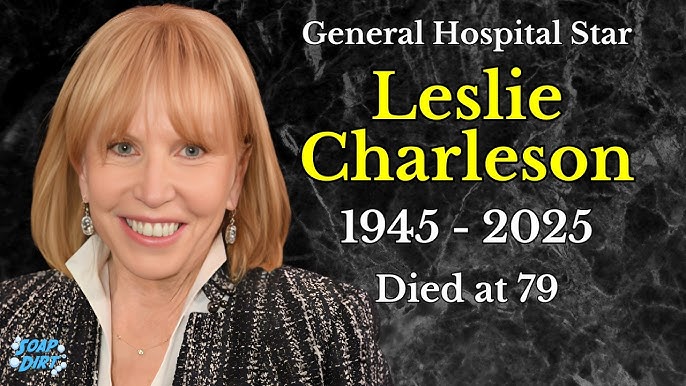
    The world of daytime television is mourning the loss of a true legend. Leslie Charleson, the beloved actress who graced the small screen as Monica Quartermaine on ABC’s long-running soap opera General Hospital, has passed away at the age of 79. Charleson, whose career was defined by her unwavering dedication to her craft and her unforgettable portrayal of the Quartermaine family matriarch, died on January 12th after a prolonged illness, leaving behind a legacy that has touched generations of viewers and colleagues alike.

    General Hospital Tragedy: Leslie Charleson Dies at 79 – Monica Quartermaine  Actress Passed Away #gh

    For nearly five decades, Leslie Charleson was a fixture in the hearts of General Hospital fans. Her journey with the show began in 1977, when she first stepped into the role of Monica, a brilliant and compassionate cardiologist whose personal life was as intricate and dramatic as the medical cases she handled. Over the years, Charleson’s nuanced performance brought depth and authenticity to Monica, a character who weathered heartbreak, triumph, and everything in between. It was this commitment to storytelling that earned her not only critical acclaim but also the unwavering loyalty of millions of fans.

    Charleson’s final appearance on General Hospital aired in December 2023, during a tense storyline involving Hamilton Finn (portrayed by Michael Easton) and a malpractice issue that shook the hospital to its core. Even in her last scenes, Charleson’s presence was commanding, her portrayal heartfelt. Fans watched as Monica navigated the storm with the wisdom and empathy that had become her trademark, offering guidance to her colleagues and comfort to those in need. It was a fitting farewell for a character—and an actress—who had given so much to the show and its audience.

    Born and raised in Kansas City, Leslie Charleson’s passion for acting was evident from a young age. She made her television debut on the ABC soap A Flame in the Wind, quickly establishing herself as a rising star. Her talent and charisma soon led her to As the World Turns, where she continued to hone her craft before ultimately landing the role that would define her career. As Monica Quartermaine, Charleson became synonymous with General Hospital, her name forever intertwined with the show’s storied history.

    Leslie Charleson, 'General Hospital' Star, Dies At 79

    Off-screen, Charleson’s life was marked by the same resilience and spirit that endeared her to fans. She shared a whirlwind romance with her high school friend, William Dems, whom she later married. Despite the health challenges she faced in recent years, Charleson remained a vibrant presence, both within the General Hospital family and in her personal life. Friends and colleagues remember her as a woman of warmth, humor, and boundless generosity—a true matriarch both on and off the set.

    The news of Charleson’s passing has sent shockwaves through the General Hospital community. Showrunner Frank Valentini led the outpouring of tributes, describing Charleson as “the heart and soul of our cast, a guiding light whose dedication inspired everyone around her.” Valentini praised her unwavering commitment to her work, noting that “Leslie’s legacy is not just in the stories she helped tell, but in the lives she touched every day. She was a mentor, a friend, and an irreplaceable part of our family.”

    Plans are already underway for a special tribute episode, where cast and crew will gather to honor Charleson’s memory and celebrate her extraordinary contributions to the show. Fans have taken to social media to share their own memories and condolences, posting clips of Monica’s most iconic moments and expressing gratitude for the decades of entertainment and inspiration Charleson provided.

    For many, the loss feels personal. General Hospital has long been more than just a television show—it’s a daily ritual, a source of comfort and connection. Leslie Charleson’s portrayal of Monica Quartermaine was a cornerstone of that experience, her performances resonating with viewers across generations. Through heartbreak and healing, joy and sorrow, Monica’s journey mirrored the complexities of real life, offering hope and solace to those who tuned in each day.

    Leslie Charleson Dead: 'General Hospital' Actress Was 79

    Charleson’s impact extended far beyond the screen. She was a champion for her fellow actors, advocating for better working conditions and supporting charitable causes close to her heart. Her kindness and professionalism set a standard for those who followed in her footsteps, ensuring that her influence will be felt for years to come.

    As the General Hospital family prepares to say goodbye, there is comfort in knowing that Leslie Charleson’s legacy will endure. Her work has left an indelible mark on the world of daytime television, inspiring countless performers and delighting audiences for nearly half a century. While her absence will be deeply felt, her spirit lives on in the stories she helped create and the lives she touched.

    In the days ahead, fans will gather to remember Leslie Charleson—not only as Monica Quartermaine, but as a trailblazer, a friend, and a beloved member of the General Hospital family. Through laughter and tears, she brought people together, reminding us all of the power of storytelling and the enduring bonds of community. As tributes pour in from around the world, one thing is clear: Leslie Charleson’s star will continue to shine brightly in the hearts of those who loved her, both on screen and off.

    For now, we remember her with gratitude and affection, cherishing the memories she gave us and the legacy she leaves behind. Rest in peace, Leslie Charleson. You will be dearly missed, but never forgotten.

    News

    Jennifer Aniston, Ben Affleck, Tom Hanks Sign Letter Warning of ‘Dark Moment for Freedom of Speech’ amid Jimmy Kimmel News

    400 celebrities, including prominent Disney stars, such as Selena Gomez, Pedro Pascal, Diego Luna, Martin Short and Meryl Streep, signed…

    A TRIBUTE THAT CROSSED OCEANS AND GENRES: No one could have predicted it. In a moment that stunned the music world, country superstar Blake Shelton, legendary tenor Andrea Bocelli, and icon Tom Jones walked onto a single stage, and a roaring arena of 90,000 people fell into a silence so deep it felt like prayer. This wasn’t a festival lineup; it was an unprecedented union of three masters from different worlds, brought together by a shared sense of loss to honor Charlie Kirk. Led by Shelton’s aching, heartfelt voice, their three distinct styles merged into a single, sacred farewell. It was a breathtaking reminder that in times of deep sorrow, music becomes a universal language, erasing all boundaries to speak directly to the heart.

    Blake Shelton, Andrea Bocelli, and Tom Jones Unite for an Unforgettable Tribute to Charlie Kirk No one expected it. Three…

    After Cheating on Me, My Ex Cut up My Favorite Outfits So I Wouldn’t ‘Look Pretty for Another Man’

    I thought leaving after his affair was the hardest part. Then I walked in and saw my husband cutting my…

    Before Death, Don Rickles Exposed The Truth About Johnny Carson

    Don Rickles was the kind of comedian who could walk into any room—be it a smoky Las Vegas lounge or…

    At 92, Debra Paget Finally Reveals Why She Rejected Elvis Presley

    If you ask anyone who truly broke Elvis Presley’s heart, most fans will point to the whirlwind romance between the…

    Mick Fleetwood turned 78 this year. For decades, he kept the darkest secrets of Fleetwood Mac locked away. But now, he’s finally talking. The affairs that destroyed friendships. The cocaine that cost him $60 million. The betrayal that made Stevie Nicks ban someone from the studio. In March 2025, something happened that shocked everyone. Mick and Lindsey Buckingham were back in the studio together. What they discussed wasn’t just music. It was the truth about what really tore the band apart. And why Stevie might never forgive him.

    At 78, Mick Fleetwood Finally Breaks His Silence on Fleetwood Mac’s Most Explosive Secrets Mick Fleetwood turned 78 this year,…


    End of content

    No more pages to load

    Next page

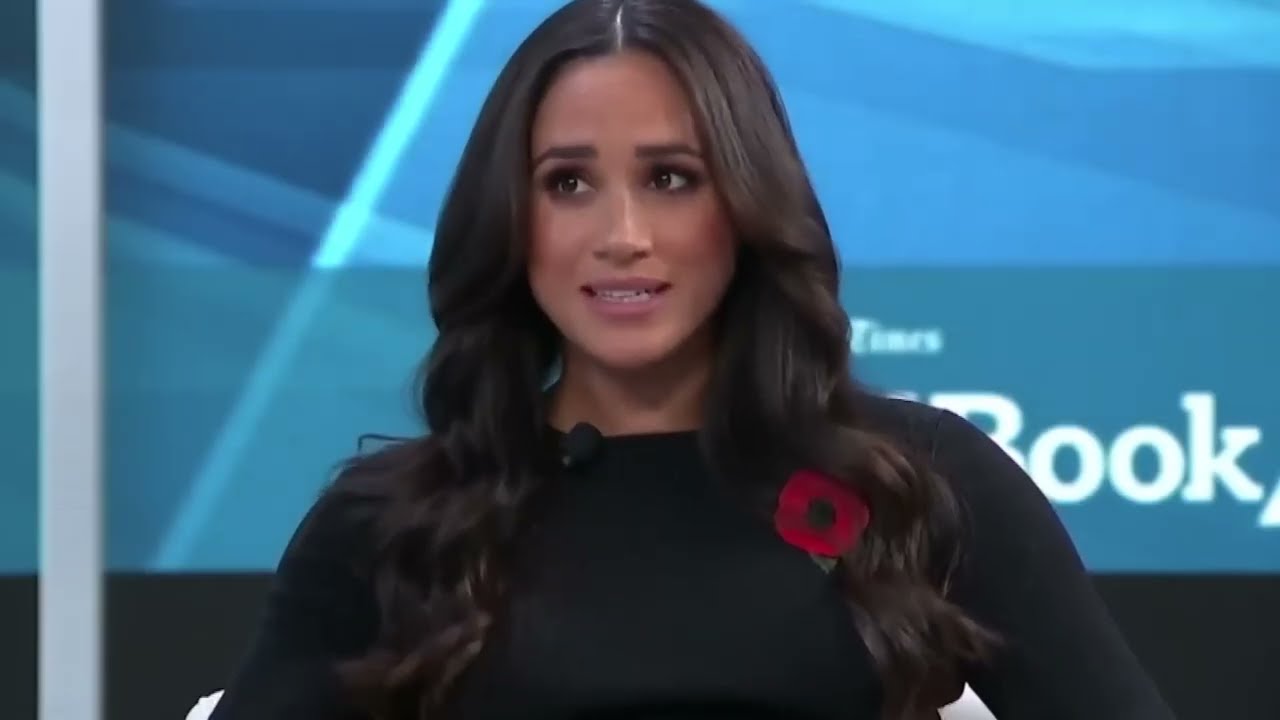
  • Meghan Markle ERUPTS With FURY After Ex-Husband Trevor Engelson DROPS BOMBSHELL Secrets About Her Dark Hidden Past On Her 44th Birthday — SHOCKING Revelations That The Royal Family Never Wanted The World To Hear EXPOSE Meghan Like NEVER Before – News

    Meghan Markle’s Birthday Meltdown: Trevor Engelson’s Explosive Truth-Bombs Shake Her Royal Brand to the Core

    Birthdays are supposed to be about champagne, candles, and maybe a few awkward toasts from colleagues. But for Meghan Markle, her 44th turned into a public relations nightmare. Instead of a serene Montecito celebration with Prince Harry and carefully curated Instagram posts, the Duchess of Sussex found herself at the center of a media firestorm courtesy of her ex-husband, Trevor Engelson.

    Engelson, a Hollywood producer who was married to Meghan from 2011 to 2014, resurfaced in spectacular fashion—quietly, calmly, and with a truth bomb so devastating it shook the carefully constructed narrative Meghan has spent the past decade curating. What began as a low-key industry Q&A turned into a viral sensation, spreading across TikTok, YouTube, and gossip blogs faster than Meghan’s PR team could refresh their phones. And for the Duchess, the fallout may be just beginning.

    A Video That Changed the Narrative

    Engelson didn’t rant, rave, or spew venom. Instead, he spoke with measured calm, the kind that carries far more credibility than theatrics ever could. His central claim was as chilling as it was simple:

    “Meghan is the most calculating person I’ve ever met. What the world sees is only the surface.”

    With those words, the internet erupted. Here was a man who lived through Meghan’s early years—not the Duchess, not the royal rebel, but the struggling actress building her brand in Los Angeles. And he wasn’t throwing shade for profit. He sounded like a man finally unburdening himself.

    According to Trevor, Meghan’s ambition was clear even in their modest early days together. Every relationship, every move, every choice had a purpose. If it didn’t serve “the brand,” it didn’t last. He alleged she operated less like a person navigating a career and more like a product being packaged, marketed, and sold.

    The “Brand Meghan” Era

    The most uncomfortable part of Engelson’s revelations was his description of Meghan’s transformation after landing her role on Suits. Success didn’t just change her—it weaponized her. Friends were dropped, casual dinners replaced with red-carpet RSVPs, and loyalty recalibrated according to usefulness.

    “Longtime friends were pushed to the sidelines,” Engelson explained. “She stopped showing up for people unless there were cameras.”

    Even more damning, Engelson backed up his claims with receipts—photos, texts, and emails that painted Meghan as someone rehearsing charity talking points not for sincerity, but for “maximum press impact.”

    One particularly explosive claim: Meghan allegedly presented Engelson with an ultimatum during her Toronto filming years. Either he uproot his entire career and move to Canada, or the marriage was over. It wasn’t framed as a conversation or compromise—it was a business directive.

    The Pre-Planned Exit

    Perhaps the coldest revelation of all was Engelson’s description of their breakup. According to him, Meghan orchestrated her exit with precision weeks before divorce papers were filed. She separated finances, removed belongings from their home, and unfollowed mutual contacts—“like I was being erased,” Trevor said.

    This wasn’t heartbreak. This was business. A carefully strategized divorce that left him reeling.

    And according to Trevor, this wasn’t an isolated incident. He claimed Meghan has a history of cutting people out of her life once they no longer fit the image she’s curating. Old acting colleagues, estranged family members, even longtime friends—deleted. As Meghan allegedly once told him directly:

    “If you want to reinvent yourself, you have to delete your old chapters.”

    In hindsight, it sounds less like advice and more like a confession.

    A Familiar Blueprint With Harry

    The most incendiary part of Engelson’s remarks came when he drew a direct line between Meghan’s past behavior and her royal life with Prince Harry. According to Trevor, her marriage to Harry followed the same formula: cultivate alliances, control the narrative, and strategically withdraw from anyone who might disrupt the image.

    It begs an uncomfortable question: is the Sussex love story a fairy tale—or a well-rehearsed role in Meghan’s ongoing performance?

    The “Hidden Chapter” Tease

    Just when Meghan’s team might have hoped the revelations had peaked, Trevor dropped a tease that sent gossip networks into overdrive. He alluded to a “hidden chapter” in Meghan’s early acting career—projects, connections, and decisions she’s gone out of her way to erase from public memory.

    He didn’t provide details, but his smirk and cryptic line—“Let’s just say the Hallmark Channel was the least of it”—were enough to ignite full-blown Hollywood whisper networks. Blind-item forums lit up, old audition tapes resurfaced, and amateur sleuths began piecing together fragments of Meghan’s forgotten years.

    For Meghan, the damage wasn’t just in what Trevor revealed—it was in what he implied.

    Meghan’s Birthday Panic

    Back in Montecito, insiders say Meghan’s birthday celebration carried a different energy this year. The photos showed the usual smiles and glamour, but witnesses claim she was glued to her phone, fielding calls and messages like a general overseeing a battlefield.

    Behind the scenes, her team allegedly scrambled into crisis mode. Lawyers were contacted, takedown requests filed, and friendly journalists courted for sympathetic coverage. But PR spin has its limits, especially when coming from someone who knew her before the fame.

    And Trevor? He appeared unbothered, making the rounds at Hollywood events, all smiles, even joking about writing a “fictionalized memoir” with the names changed but the stories intact.

    Why People Believe Him

    Part of what makes Trevor’s words so powerful is his delivery. He doesn’t sound bitter, desperate, or cashing in. He sounds relieved, even detached—like someone telling the truth because it no longer costs him anything.

    The contrast between Trevor’s calm, authentic tone and Meghan’s polished, overproduced image is stark. And in the court of public opinion, authenticity almost always wins.

    The Fallout

    The fallout was immediate and brutal. Social media platforms filled with commentary dissecting every frame of Trevor’s remarks. Comments like “She’s always acting. The camera is always on” and “She’s not capable of loving—it’s all for show” dominated feeds.

    Worse still for Meghan, old interviews and blog posts began resurfacing. Patterns were identified, timelines redrawn, and narratives questioned. For someone who has spent years carefully curating her image, Trevor’s words cracked the veneer in ways that may prove irreversible.

    The PR Chess Match

    What happens next may decide the future of Meghan’s brand. Insiders say her advisers are split—some pushing her to ignore the claims, others urging a bold counteroffensive, possibly even a televised sit-down. But unless she addresses the allegations head-on, any response risks amplifying Trevor’s credibility.

    Meanwhile, Trevor is playing the perfect chess game. Reveal just enough to keep the public hooked, hold back enough to keep Meghan on edge. His parting words at the mixer—“Some people want closure. I want accuracy”—suggest he’s not finished.

    A Rude Awakening

    For Meghan, this isn’t just another bad press cycle. This is different. This is personal, credible, and coming from someone who knew her before the world did. Unlike the palace, which stayed silent for the sake of the monarchy, Trevor has no reason to protect her—and every reason to keep speaking out.

    In Hollywood, the only thing worse than a bad story is the promise of a worse one still to come. And Trevor has made it clear: there’s more.

    So, Meghan’s 44th birthday may be remembered not for champagne and gold-leaf cake, but for the moment her ex-husband lit a match under the narrative she thought she controlled.

    Happy birthday, Duchess. The candles may be blown out, but the fire is just getting started.

    Full video:


    News

    “NFL STAR Travis Hunter STUNS Fans, QUITS Football FOREVER After SHOCKING BETRAYAL — Teammate SECRETLY Slept With His Wife and the SCANDAL That No One Saw Coming Has ROCKED the Entire League!”

    Travis Hunter’s Shocking Exit: The Jaguars Star, His Wife Lyanna, and the Scandal That Could Shatter a Locker Room When…

    “Rapper T.I. BREAKS HIS SILENCE With SHOCKING CONFESSION After His Son King Harris Gets SLAPPED With 5 YEARS Behind Bars — What He Reveals About The Arrest, The TRUTH Behind The Charges, And The DARK FAMILY SECRETS That NO ONE Saw Coming Will Leave You Absolutely Speechless!”

    TI’s Worst Nightmare: King Harris Arrested, Facing 5 Years in Prison For years, T.I. warned the world that his son…

    At 48, Jaleel White FINALLY Reveals the CHILLING Final Words Malcolm Jamal Warner Whispered to Him Before His Mysterious Death — A Secret He’s Kept Silent For Decades That Could Change Everything We Thought We Knew About Their Friendship, Hollywood’s Dark Side, and What Really Happened in Those Final Moments (NEVER Told Until NOW!)

    Jaleel White Breaks His Silence: The Untold Story of His Final Goodbye to Malcolm-Jamal Warner The news of Malcolm-Jamal Warner’s…

    Christina Ricci Just SHOCKED Hollywood By EXPOSING The DARK Truth About Ashton Kutcher – What She Revealed Has Fans DEMANDING He ROT In Jail… The Secrets, The Lies, And The Scandal That Could Finally END His Career Forever!

    Christina Ricci’s Warning and the Dark Shadow Over Ashton Kutcher For years, Ashton Kutcher and Mila Kunis were seen as…

    “Ozzy Osbourne’s FINAL Words Before His Death Leave Fans STUNNED – What He Revealed in That Heartbreaking Last Message Will Change Everything You Thought You Knew About the Prince of Darkness Forever, and the Truth Behind His Shocking Goodbye Is Sending Shockwaves Across the Music World Right Now!”

    Ozzy Osbourne’s Final Act: How the Prince of Darkness Orchestrated His Own Farewell When fans first heard Ozzy Osbourne mutter…

    “Kelly Rowland BREAKS Her Silence at 44 – The Stunning CONFIRMATION Fans Have Waited Decades to Hear Is Finally Out, and It’s So Explosive It Could Change Everything You Thought You Knew About Destiny’s Child, Beyoncé, and the Secret Truth She’s Been Hiding All Along… Until NOW!”

    Kelly Rowland’s “Dirty Laundry” of Fame: Secrets, Rumors, and the Shadows of Destiny’s Child For decades, Kelly Rowland has been…


    End of content

    No more pages to load

    Next page

  • Lonely Widow Came Only To Cook For The Rancher, His Children Begged “Please Stay as Our Mother” – News

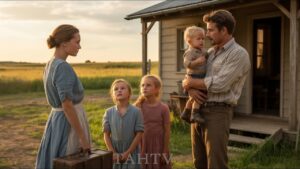
    She came with nothing but a skillet and a quiet heart. He didn’t need a wife, just someone to cook. But when the children clung to her skirt and whispered, “Please stay,” everything changed. The first time Ruth Bennett stepped off the wagon at Hollow Creek, no one noticed her.

    Not the cow hands unloading feed at the general store, not the banker wiping dust from his gold pocket watch, not even the widowers on the benches sizing up every new woman who wandered into town. But the moment she walked up to the ranch house, her boots quiet on the cracked path, her hands clutching a worn satchel, her hair pinned neatly under a navy scarf, she was noticed.

    The man who answered the door looked like he hadn’t smiled in years. “Mr. Cartrite,” she asked, her voice soft but steady. The tall figure nodded once, “You’re the cook.” Ruth returned the nod. “Just here to cook, that’s all.” He stepped aside. No welcome, no offer to take her satchel, no questions, just the creek of the door opening wide enough for her to pass.

    Ruth stepped inside the ranch house and was met by warmth, not from the man, but from the hearth behind him. Firewood crackled inside a stone chimney. The place wasn’t messy, but it wasn’t lived in either. sparse furniture, bare walls, a table too big for one man, the kind of house that held its breath. A pair of eyes peeked from the hallway.

    Then another, two small children, stood half hidden in the shadows, watching Ruth like she was some rare thing, come down from the hills. The taller one, a girl with straight dark hair and a weary look, stepped out first. I’m Rose,” she said, trying to sound braver than she looked. “That’s Thomas.” Thomas, no more than five, ducked behind the girl’s skirts and peeked around the edge.

    Ruth smiled gently, crouching to their level. “It’s kind to meet you both.” Rose squinted, “You going to be our new mama?” Before Ruth could answer, the man’s voice cut in. “No, she’s just here to cook.” The girl’s shoulders sagged. Thomas said nothing. He simply stared, then backed away down the hall. Ruth straightened and glanced briefly at the man.

    Where’s the kitchen? He jerked his chin toward a side door. Stoves temperamental. Woods out back. Do what you can. She nodded once and moved past him. That was how it began. No ceremony, no warm welcomes, no introductions. Just Ruth in a stranger’s kitchen, rolling up her sleeves, and taking out flour from a chipped tin.

    Her hands worked with calm precision. She lit the stove, coaxed heat from it, tested the pan, and began preparing a simple cornbread. She boiled beans, peeled a few bruised potatoes, fried some strips of salted meat. It wasn’t much, but the house began to smell like life again. Outside, the wind kicked up dust across the dry earth. A wind that carried whispers and memories.

    Ruth didn’t look out the window. She didn’t need to. The land out here always told the same story. People stayed silent long enough, and the silence became part of them. As she stirred the pot, she noticed small footsteps near the doorway. Rose and Thomas again. This time they carried bowls. The man, Mr. Cartrite, was already at the table, arms folded, watching.

    They’re hungry, he said flatly. Ruth nodded. She served without a word. The children ate slowly at first. Rose glanced at her brother, then at Ruth. It wasn’t just food they were tasting. It was something they hadn’t felt in a long time. After supper, Ruth cleaned the plates and wiped the counters. The man hadn’t said another word.

    He watched her like a man watching the sky for signs of a storm, expecting something to break. She finished, dried her hands on a rag, and turned toward the door. “I’ll sleep in the barn,” she said. He raised an eyebrow. “There’s a spare room. I came to cook, not to make assumptions.” Their eyes met. something flint and steel in the air, but neither blinked.

    Then he stood. I’ll show you. She followed him down the short hallway past the children’s room, where she could hear Thomas whispering about the cornbread. Rose shushed him, but not unkindly. The spare room was small. A cot, a window, a chair in the corner, but it was clean. “This will do,” Ruth said.

    He stood in the doorway as if unsure what came next, then simply said, “I’m Amos.” She nodded. “Ruth.” And with that, he turned and left. That night, Ruth lay on the cot staring at the ceiling. The room creaked with wind, and somewhere outside a coyote yipped into the dark. She deemed meant to come for a season. Cook, save a little, move on.

    She hadn’t expected the children, or the silence that clung to Amos like a second skin. The next morning she was up before the sun. By the time the children stumbled into the kitchen, rubbing sleep from their eyes, the table was already laid. Eggs, bacon, toast, real butter from a croc. Nothing fancy, but it felt like something holy in that quiet house. Rose sat down slowly, eyes wide.

    Thomas whispered, “Is it my birthday?” Ruth laughed gently. No, sweetheart, but everybody deserves a good morning. Amos came in last. He didn’t smile, just nodded and sat. They ate in near silence, saved for the clink of forks and the occasional gasp from Thomas, delighted by jam on his toast. After breakfast, Ruth gathered her things to head into town.

    She needed flour, salt, and maybe a little sugar if her coin stretched. I’ll take the wagon, Ama said. You stay. I can manage, Ruth replied, tying her shawl. You cook, I’ll supply. He was already out the door before she could argue. Ruth sighed and turned to the children. Well, she said, “What do we do while we wait?” Rose glanced up, uncertain.

    Could we help? That afternoon, they baked together. Ruth showed Rose how to knead dough, how to test the bread with her thumb. Thomas mostly got flour in his hair, but he laughed, and that was more than anyone had heard in weeks. By the time Amos returned, the house smelled like something alive again.

    He stepped into the kitchen and paused. Rose was setting the table. Thomas was humming. Ruth met his eyes briefly, then turned back to the stove. Later that night, when the children were asleep and the fire had burned low, Ruth sat alone in the kitchen mending a torn apron, Amos stepped in, poured two cups of hot water, and slid one toward her.

    He didn’t say anything. Neither did she. But the silence was different now. Not heavy, not empty, just quiet. That’s when Thomas appeared again, barefoot and sleepy eyed, clutching a blanket. “Ruth,” he asked, rubbing his eyes. She turned gently. “Yes, darling.” “Don’t go.” Amos froze. His eyes darted to Ruth, then back to his son.

    “Don’t go,” Thomas whispered again. “Stay.” Ruth knelt and pulled the boy into her arms. “I’ll be here in the morning,” she whispered. “I promise.” But even as she said it, something inside her shifted because for the first time in a long time, she wanted to stay. The morning air rolled in thick with fog, the kind that swallowed Hill’s hole and turned fence posts into ghosts.

    Ruth stood at the back porch with her arms crossed against the chill, her shawl pulled tight, watching the pale gray stretch between the barn and the distant tree line. The ranch was silent except for the groan of settling wood and a rooster that didn’t quite seem to believe the sun was coming, but Ruth knew it would. Somehow she always had.

    Behind her, the house began to stir. Soft footsteps, the creek of a floorboard, a faint cough. Then the warm smell of sleep clung to the children as they entered the kitchen, eyes blurry but hopeful. Thomas padded in first, dragging his blanket behind him like a trusted companion, while Rose moved with careful steps, already brushing her hair with her fingers and straightening her collar before speaking.

    “Is there breakfast?” she asked softly, almost afraid the dream of yesterday had passed. “Ruth turned and smiled.” “There will be. Get the plates, dear.” Rose moved quickly, eager to be helpful. Thomas climbed into a chair and sat cross-legged, watching her with sleepy admiration. Amos was last, as always. The man moved like the morning offended him, every step slow and deliberate, as if testing the floorboards themselves before trusting them to carry his weight. He said nothing at first, just nodded at Ruth and poured himself a cup of black

    coffee she’d already left on the counter. But he paused before sitting down. His gaze scanned the room. something in his shoulders loosened. Maybe it was the warmth of the stove, or the sight of his children, quiet, present, fed. Maybe it was something simpler, something he couldn’t name. Either way, he stayed standing longer than usual, his fingers gripping the handle of the cup like it was anchoring him to something fragile.

    They ate in a hush, broken only by Thomas’s delighted humming over warm biscuits and syrup. Ruth served seconds, and Amos didn’t protest. He didn’t speak either, but when she passed behind him to clear a plate, she caught him watching the children with something too soft to be called mere observation. By midm morning, Amos was outside again, mending a stubborn fence post that refused to hold straight, no matter how many times he’d set it.

    Ruth could see him from the window, his coat pulled tight, the collar turned against the wind. His shoulders moved with the rhythm of someone used to fighting the earth, hammering not just nails, but old regrets into place. Inside, Ruth worked quietly. She washed the dishes, folded linens, swept the hearth.

    Rose followed her step for step, eager to help, asking questions when she dared. “Did you have children?” the girl asked once, unprompted. Ruth paused her hand on a folded towel, her fingers stilled. I did, she answered after a long moment. A daughter. Her name was Clara. Rose’s eyes widened slightly. Where is she? Ruth didn’t answer right away.

    She placed the towel gently in the cupboard before turning. She’s with the Lord now. The girl didn’t press, but her small hand reached for Ruth s and gave it a squeeze. Ruth smiled, though her eyes blurred. That afternoon, the wind shifted. Clouds thickened over the ridge.

    Amos came in, wiping mud from his boots and rubbing his shoulder like the cold was creeping in deeper than he wanted to admit. Storm’s coming, he muttered. Ruth glanced out the window. Will it be bad? He shrugged. This time of year, hard to say. Do you have enough wood in the shed? Probably. She raised an eyebrow. He smirked barely and nodded. I’ll check.

    She watched him from the porch as he hauled armfuls of split logs to the stack outside the door. He worked quickly but with care. Each log set down precisely. No waste in his motion. Ruth admired that. Not just the strength, but the control. The effort it took to be that deliberate with everything.

    Like he didn’t dare let the world surprise him anymore. She remembered a man like that once, her husband. He too had learned to brace against loss by never leaning too hard on joy. It hadn’t saved him. That evening, as the wind kicked up and the clouds turned bruised with dusk, Ruth made stew thick enough to hold its own against a blizzard. The children crowded the kitchen table, hungry and curious.

    Rose asked about herbs and where flavors came from. Thomas asked if biscuits could be made into animals. Ruth laughed and tried. His came out like squashed rabbits, but he didn’t mind. Amos returned from the barn just as she was laddling bowls. He paused again. Habit now at the door watching. “You always cook like this?” he asked quietly.

    Ruth shrugged. “I cook for the mouths that are there, not the ones that are gone.” Something about that answer stilled him. he said. They ate. The wind howled. The shutters clattered once, and Thomas jumped, his spoon clattering. Amos reached across the table, more instinct than thought, and rested a firm hand on his son’s shoulder. The boy calmed.

    After supper, Amos cleared the dishes without being asked. Ruth noticed, but said nothing. Later, after the children were tucked into bed and the fire had died down to warm embers, Ruth lingered in the kitchen, mending again, Amos sat across from her. He wasn’t a man for talk, but tonight something unsettled lingered in his eyes.

    “You lost your husband?” he asked finally. Ruth didn’t look up from her stitching three winters ago. “Was it sickness?” She nodded. “Mine, too,” he said. She glanced up then, their eyes meeting across the flickering glow. “I’m sorry,” she said. “So am I.” The wind screamed past the chimney. Somewhere in the distance, a branch snapped like a rifle crack.

    “Was it just you and Clara?” Amos asked. Ruth nodded again, her eyes dipping back to the fabric. “Just us. We traveled west for a fresh start. She never made it past the first spring.” He didn’t say anything. The silence between them was respectful this time. Not fearful, not heavy, just shared. Then from the hallway, a voice. Ruth.

    It was Rose, pale and small in her night gown, her braid half unraveled. Ruth stood. What is it, honey? I had a dream, the girl whispered. Mama was crying, but then she stopped and looked up. And there you were with cornbread. Ruth’s throat tightened. “Can I sleep with you tonight?” Rose asked. Ruth didn’t look at Amos. She simply nodded and took the girl’s hand.

    That night, with Rose curled against her in the small cot, Ruth stared at the ceiling again, but her thoughts didn’t drift like they had before. They held. Not memories, not loss, but something that hadn’t stirred in a long time. hoping. The next morning came sharp and bright. The storm had passed overnight, leaving frost on the windows and a hush across the valley.

    Amos was out early checking fence lines. Ruth found a note on the table. Pon froze over checking traps back by noon. A It was the first time he’d written anything to her. The A looked like he’d debated signing it. The children helped her gather kindling. They sang while sweeping the porch.

    Rose taught Thomas a skipping rhyme and Ruth watched from the doorway, arms folded, a smile playing at her lips. When noon came and went, Ruth began to worry. By two, there was still no sign of Amos. By 3, she took the horse. She didn’t ask. She didn’t leave a note. She wrapped herself in her warmest shawl, saddled the bay, geling, and rode toward the woods. The pond wasn’t far.

    Maybe 15 minutes if the trail was clear. But when she arrived, there was no one, just snow and blood. A trail led away from the ice into the thicker trees. Something had happened, something bad. Ruth dismounted and followed on foot, heart pounding. The trees closed in. Crows watched from high limbs.

    She moved faster now, ignoring the sting of branches against her arms. the bite of cold against her cheeks. Then she found him. Amos slumped against a tree, one hand clutching his shoulder, blood soaking his coat. Beside him, a broken trap in it, a coyote’s mangled leg still caught in the iron teeth. Amos, she cried, rushing forward. He looked up, eyes dazed.

    Fool animal tried to drag the trap. I got too close. Why didn’t you come back? Didn’t want to bleed on your kitchen floor, he muttered. She half laughed, half sobbed, tearing a strip from her shawl to press against the wound. You stubborn, foolish man. He grunted. You rode out here alone.

    She tied the makeshift bandage tight, and I’d do it again. Their eyes met. His lips parted like he wanted to say something, but instead he closed them and nodded once. She helped him to the horse. As they rode back, him slumped behind her, arms weakly wrapped around her waist. Ruth felt something settle in her chest.

    Not fear, not burden, something older, stronger, a pull toward a life that might just be worth the risk. Back at the house, the children ran out when they saw the horse. P. Thomas shouted, “Ruth!” Ruth helped Amos down, her arm steady around his waist. “I’m fine,” he muttered, clearly embarrassed. But Thomas clung to his leg, and Rose held Ruth’s hand tight.

    That night, Ruth made soup, and Amos rested by the hearth. And when Thomas crawled into her lap, and Rose curled at her side, Ruth didn’t send them away. She only glanced once at Amos. He didn’t speak. He just watched her with something that finally looked like peace. Amos didn’t move much for two days.

    The wound in his shoulder was deep, and though the bleeding had stopped, the skin around it turned angry and red. Ruth cleaned it twice a day with boiled cloths and a stern jaw, each time bracing herself for his winces and gritted teeth. He never let out more than a hiss, never asked for mercy, and never thanked her aloud. But he watched her, even halfconscious with fever.

    He watched her. The children moved around him like shadows at first, unsure if they were allowed to be worried. It wasn’t until the third morning, when Amos tried to sit up by himself and grunted loud enough to draw attention, that Thomas climbed onto the arm of the chair and said plainly, “You’re not good at resting.” Amos glanced at his son, then at Ruth, who stood at the table slicing bread.

    He gets that from his mother,” he said, voice low. It was the first time he’d mentioned his late wife. Ruth said nothing, but she paused just long enough for the knife to still in her hand. Thomas blinked. Is she in heaven? Amos nodded once. I reckon so. Rose stood in the doorway with her braid half-done, her fingers picking at the hem of her dress.

    Did she cook? Amos didn’t answer right away. Then quietly, she didn’t have time to. Thomas tilted his head. Why not? Too busy keeping the rest of us standing. There was no bitterness in his voice, just a dull, deep ache, Ruth felt it down to her ribs, she set the bread aside and walked over, her hand gently touching Thomas’s shoulder.

    “Go get your sister ready,” she whispered. “We’ll have breakfast soon.” The boy nodded and slid off the armrest, his small boots thumping across the floor. When they were gone, Amos leaned back into the chair, face pale, his hand resting over the bandage. “You don’t have to explain,” Ruth said quietly. He looked at her with tired eyes. “I want to.

    ” Ruth sat in the wooden chair across from him. The fire crackled between them, its light dancing across his face. She died in the spring, he said. Fevers went through the valley, took six families, some worse than others. My wife Martha was helping everyone else. Never even stopped to see she was sick herself. Ruth said nothing. She passed fast, 2 days.

    I buried her under the walnut tree in the back pasture. Then the kids got sick. Then the ranch started falling behind. And I I just kept moving. He rubbed his temple with the uninjured hand. “Didn’t think I’d see another spring with someone at this table.” “You don’t have to keep pretending you’re not alone,” Ruth said gently.

    His eyes met hers. “What if that’s all I know how to be?” Before she could answer, the back door burst open and Rose ran in, cheeks flushed with cold. “Ruth, there’s a wagon coming up the trail.” Ruth stood quickly and moved to the window. Sure enough, a wagon, small single horse, covered but ragged, was making its way down the muddy road.

    A stranger sat at top the seat, slumped forward, rains loose in one hand. Ruth couldn’t make out his face yet, but something about the gate of the horse, and the lean of the man set her teeth on edge. “I’ll get the rifle,” Amos muttered, struggling to rise. You’ll stay seated,” Ruth snapped, already untangling her shawl and stepping toward the door. “Ruth, I’m just going to see.

    ” The wind caught her scarf as she stepped outside, boots crunching through slush and gravel. The wagon groaned to a stop a few yards from the porch, and the man at top it barely lifted his head. “Ma’am,” he called, his voice dry as kindling. “You got water?” Ruth approached slowly, keeping one hand close to her waist where she’d tucked a kitchen knife. We’ve got water.

    Who’s asking? The man finally looked up. His face was hollow, sunburned, and marked by long days on the trail. Not young, but not old either. Somewhere in that desperate stretch of middle years where the world could crush a man in a blink. Name Clyde, he said. Been heading north from Elgen.

    Lost my brother to the fever two towns back. Been hauling his boy ever since. He nodded toward the back of the wagon. Ruth stepped closer and peered inside. There, curled up under a motheaten quilt, was a boy no older than Thomas. Pale, thin, with lips chapped and eyes closed in sleep. “Won’t eat,” Clyde said. “Won’t speak, just stares.

    ” Ruth looked back at him. “What do you want from us?” Nothing but a drink. Maybe a warm place for the night. Then we’ll be gone. Ruth hesitated. She didn’t trust him, but she saw the boy. And something in that little face cracked the shield around her chest. You can stay the night, she said. But the wagon stays outside and you stay in the barn. Clyde nodded fair.

    She fetched water and stew and helped him carry the boy, barely stirring, into the barn, where she laid a bed of hay and covered them both with spare quilts. That night, over dinner, Ruth told Amos everything. He listened in silence, then finally said, “He can stay the night, but if he touches anything that ain’t his, he’s gone.

    ” Understood. The children were curious, but Ruth kept them away. By morning, the boy was sitting up. He still wouldn’t speak, but when Ruth offered him a piece of buttered bread, he took it. His name was Jacob. By noon, Thomas had coaxed him into kicking a rock back and forth behind the barn.

    And by evening, Rose was showing him how to fold paper birds from scraps she found near the stove. Clyde watched from the barn, expression unreadable. Ruth brought him stew. She’ll talk soon, Clyde said suddenly, not looking at her. What? My sister, Jacob’s mama, she’s in Elgen, still sick. Didn’t want the boy to see her that way. Sent me ahead to find a place.

    Thought maybe we’d circle back after spring. Ruth frowned. You told me she died. Clyde shrugged. You wouldn’t have let me stay if I hadn’t. She stepped back, eyes narrowing. I ain’t a bad man, Clyde said. Just desperate. Desperation doesn’t make liars any more trustworthy, she replied coldly. He stood slow and stiff. Well go tomorrow. Ruth shook her head.

    You’ll stay until that boy eats proper, but you won’t speak another lie while you’re here. Clyde lowered his gaze. Fair. Inside, Amos sat in his chair again, shoulder bandaged fresh. He was whittling something, quiet, focused, his hands slow but sure. The fire light carved shadows across his face. Ruth stepped in and closed the door behind her.

    You trust him? Amos asked without looking up. No, but the boy. She nodded. The boy stays. Later that night, Thomas crawled into Ruth’s lap while she read from a tattered Bible she’d found in the cupboard. Her voice was calm, soothing, and the children listened with wide eyes as she read about loaves and fishes, about storms calmed and hungry crowds fed.

    Amos sat nearby, eyes closed, listening too. When she finished, he opened his eyes. “I ain’t heard that in a long time,” he murmured. “Do you want to hear more?” she asked gently. He nodded. Every night after that, Ruth read a little more. And every night the children gathered closer and the fire felt warmer. But the peace didn’t last.

    On the fourth morning after Clyde’s arrival, Ruth woke to the sound of hooves. Quick, sharp, more than one. She rushed to the window and saw them. Three riders, dark coats, rifles slung across their backs. They weren’t here for water. They were here for something else. She turned toward the hallway where the children still slept. her heart pounding.

    Amos stepped out from his room, shirt halfb buttoned, a rifle already in hand. “You see them?” he asked. She nodded. “Who?” “I don’t know.” He crossed the room in two strides and opened the door just as the first rider dismounted. “You Amos Cartrite?” the man asked, eyes narrowed. “I am.

    We’re looking for a man with a boy.” said he stole from the wrong folks in Elgen. Took a horse and maybe more. Ruth’s blood ran cold. Clyde, he ain’t here, Amos said. The writer looked past him toward the barn. Mind if we look around? I do mind. The man raised an eyebrow. You hiding something? Amos stepped forward, his body blocking the doorway.

    I don’t care who he stole from. There’s a sick boy sleeping in that barn. And if you think I’m going to let you ride in and scare him worse, you’re mistaken. The rider spat. Didn’t realize this was your business. Amos didn’t flinch. It is now. Behind him, Ruth stood firm, one hand on the doorway. And in the silence that followed, a sound rose up behind them.

    Jacob’s voice, quiet, fragile, but clear. He didn’t steal anything. Everyone turned. The boy stood on the porch barefoot, holding Ruth Shaw tight around his small shoulders. Clyde was behind him, face pale. He took me cause mama said I’d die if I stayed. He took the horse. There was no other way. He didn’t steal to steal. He just saved me. The rider looked between them, eyes cold. You got proof.

    Jacob stepped forward and held out a crumpled piece of paper. A letter signed from a woman named Abigail Turner. The writer read it, then grunted, “Guess that’ll do.” They mounted up again and left without another word. Clyde collapsed to his knees on the porch, burying his face in his hands.

    Ruth knelt beside him and placed a hand on his back. “You did right,” she said. He sobbed once, then nodded. That night, Amos sat at the table, watching Ruth as she tucked the children into bed. “You meant it,” he said when she returned. “Ment that you’d be here in the morning.” She nodded. “I think I’d like you to keep being here.

    ” Ruth said nothing, but she sat beside him, and in the quiet that followed, he reached for her hand. The wind changed that week, not in direction, but in nature. It no longer howled like a warning through the trees. It sang quietly at first, like a low hum through the fence posts and along the porch railings, but it was there.

    Even the house seemed to breathe easier, as if it knew something had shifted. Something buried in the bones of the place had begun to thaw, and Ruth felt it most when she stepped outside early each morning and saw the frost melting from the roof before sunrise. Clyde left 3 days after the riders came. He didn’t say much, just packed the wagon at dawn, laid Jacob gently at top the hay, and stood in the barn with his hat in his hands while Ruth brought out a wrapped loaf and a jar of beans.

    “You sure?” she asked him, glancing at the child already dozing beneath the quilt. “I need to get back to Elgen,” he said. “Abigail’s still sick if I wait too long.” Ruth nodded. I understand. You’ve been kind, he said after a pause. Didn’t expect that. Not here. Kindness still lives in these parts. It’s just quiet.

    He smiled, but only with the corners of his mouth. I’ll send word when she’s well. You’d better. Jacob stirred just before they rode out. He sat up and waved at Thomas and Rose, who stood on the porch with Ruth’s shawl draped over both their shoulders like a tent. “By he called, his voice stronger than it had been since arriving.

    ” Thomas waved back furiously, and Rose lifted her chin like a little queen granting a farewell. Ruth stood behind them, arms folded, her heart tight, watching the wagon disappear over the ridge. Amos came to stand beside her. You did right by them, he said. We did. He turned to look at her. I was wrong before.

    About what? Thinking you were just here to cook. Ruth looked at him, unsure whether to smile or sigh. I came here to feed people, Amos. I just didn’t expect it’ be their hearts I’d be feeding most. He didn’t answer, but his eyes softened, and he reached for her hand again, not with hesitation this time, but with certainty. The days that followed were quiet in the best of ways.

    Ruth’s presence no longer felt like something new in the house. It felt natural, as though she’d always been moving through these rooms, her hands on dish towels and broom handles, her voice calling out to children as she passed from porch to kitchen to pasture. Thomas began bringing her little treasures he found on the trail.

    Smooth rocks, a bird feather, a piece of blue glass. Rose asked to learn how to sew, and Ruth taught her, patient and gentle, even when the girl pricricked her finger and tried not to cry. Amos watched it all from a distance at first, but slowly he let himself be pulled in. It started with chores.

    One afternoon, Ruth was hauling buckets of water to the trough when Amos appeared beside her, took the bucket from her hand, and carried it without a word. The next day, he helped Shell peas on the porch while she read to the children. Then he sat in the rocker beside her after supper, silent as always, but closer. And then one night he asked, “Do you miss her everyday?” She didn’t have to ask who he meant. Ruth nodded. Not in the way you think.

    Not like a wound. More like a quiet room in the back of my mind. Always there. Always her. He stared into the fire. I still hear Martha’s voice sometimes, he said. Not words, just the tone of her laugh or the way she’d hum while sewing. “That’s not grief,” Ruth said softly. “That’s love remembering itself.” He glanced at her and for the first time since she arrived, Ruth saw him smile.

    Truly smile. It changed his whole face, softened it, lifted it like he’d been carrying something too heavy for too long and had finally let it down. But as spring edged closer, and the last frost began to retreat from the edges of the pasture, something else began to stir. It came slowly, like a shadow sliding over the sun.

    First, it was a letter delivered by a dusty writer who didn’t dismount. He handed it to Ruth with a muttered cartrite right and rode off before she could reply. She handed it to Amos. He opened it without ceremony, eyes scanning quickly, then again slower. What is it? Ruth asked. Amos folded the paper with careful hands and tucked it into his coat.

    business,” he said. But his eyes didn’t meet hers. He left early the next morning, saddle bag packed, no explanation. “I’ll be gone 3 days,” he said. “Maybe four.” Ruth stood in the yard, arms crossed. “Is it something dangerous?” “No.” “Is it something that could follow you back?” He hesitated. “Yes.” She stared at him, her voice low. Then come back ready. We’ve got people worth protecting now.

    Amos nodded and mounted up. The horse took off at a trot, dust kicking behind them. And Ruth waited. Each day she cooked, cleaned, tended the animals, readed to the children, but her eyes kept drifting toward the ridge. By the fifth night, she stopped pretending she wasn’t worried.

    She stood on the porch with Rose and Thomas, arms around their small shoulders, eyes searching the darkness. And finally, just before dawn on the sixth day, he returned alone, but not unscathed. His coat was torn, a bruise bloomed along his jaw, and one side of his knuckles was split and raw. Ruth ran to him before he could dismount.

    “What happened?” she asked, hands reaching for him. then pausing. Settled something, he muttered. “Amos, I’m all right.” He looked exhausted, more worn than she’d ever seen him, but alive, whole. They didn’t speak much that morning. He sat at the table, drank the coffee she placed in front of him, and stared into the fire like it had answers he couldn’t yet face.

    The children sensed it, too. Rose moved quieter. Thomas kept looking at his father like he might vanish again. That afternoon, Ruth found him in the barn sitting on a bail of hay, the letter in his hands. He didn’t notice her at first. When he did, he handed it to her without a word.

    She read it, then read it again. It was from Martha’s sister. A woman Amos hadn’t spoken to in years. She claimed part ownership of the ranch. Said Amos owed her half of it by rights. Said she’d be coming soon to claim what was hers. Said she didn’t approve of strangers living there. Especially not some cook with no blood tie to the children. She’s bitter, Amos said.

    Always has been. But she’s got a lawyer now and papers. Ruth folded the letter slowly. What will you do? I don’t know yet, but I won’t let her take this place or you.” He stood and stepped closer. This isn’t just land anymore. This is something we’ve built again, Ruth. Together, me and you and the children. Her voice trembled when she replied, “What if she brings trouble? Then we meet it together.” She took a deep breath.

    “I’ve already lost one home,” she said. “I can’t lose another.” You won’t.” His voice was steady, and his hand in hers sealed it. The next week passed in a strange quiet, like the land itself was waiting. Every knock at the door made Ruth jump. Every shadow made Thomas run to her skirts. But nothing came. Not yet. Instead, the days grew longer.

    The chickens began laying again. The children played by the stream. Amos built a bench for the porch, and Ruth baked bread just to fill the house with the smell of it. One evening, as the sun dipped low and gold spilled across the floorboards, Rose sat beside Ruth on the porch swing.

    “Are you going to stay?” the girl asked. Ruth brushed a strand of hair from the child’s cheek. “Would you like me to?” Rose nodded. It feels like you’ve always been here. Thomas, who’d crept up behind them, piped in, “You make the house not creek so much.” Ruth laughed. “That’s quite the compliment.

    ” Amos stepped out, drying his hands with a cloth. She makes the whole place quieter in the good way. Ruth looked at him, her smile soft, but just as she opened her mouth to speak, a sound broke the stillness. Hoof beatats. Not one, several. From the ridge. Ruth stood immediately. Amos stepped down from the porch and reached for the rifle he kept beside the door. Rose and Thomas clung to her sides.

    And as the riders appeared, four of them dust choked and sternfaced. Ruth felt her heart drop. One of them was a woman sharp boned narrow wideeyed Martha’s sister. She pulled her horse to a stop and glared at the house like it owed her something. “This place was never yours,” she called out. “And you’ll be handing it over.” Amos didn’t move.

    Not today, not ever. Ruth stepped forward. She didn’t speak yet. But her hand reached for Amos s and he held it tight. The woman didn’t dismount. She didn’t need to. Her presence alone brought attention so sharp it cut through the evening air like a blade. She sat tall on her horse, rains tight in one gloved hand, eyes narrowed beneath the brim of a black felt hat.

    Her coat was buttoned high, her boots polished in a way that felt more like statement than necessity. The men flanking her, three of them, all broad shouldered and stone-faced, sat silent. Not outlaws, worse, professionals. the kind that didn’t need to raise their voices or wave guns around. Men who believed the law worked best when it bowed to power.

    Amos didn’t move from the foot of the porch. He held the rifle, but he hadn’t lifted it yet. Behind him, Ruth stood with the children, one arm across Rose’s shoulders, the other holding Thomas back by the chest. They didn’t cry. They didn’t ask questions, but Ruth could feel the way their small bodies trembled.

    could hear the thin rasp of fear in their breath. “Martha’s gone,” the woman said at last, her voice clear, practiced. “God rest her, but her blood runs through those children. That makes them kin to me. And this land, this ranch, it was hers. My daddy helped pay for it. I’ve got papers.” Amos’ jaw tightened. And I’ve got 30 winters on this soil. I broke this land when it was wild and unfriendly.

    Martha’s father gave us seed money and a shovel. I built everything else with these hands. Still, the woman said, holding up a folded document. Law don’t care about calluses, Amos. It cares about ink. Ruth stepped down beside him. She didn’t speak right away. Just stood there, presence quiet but unyielding. The woman’s gaze flicked to her, sharp as a knife.

    You must be the cook, she said, dry amusement in her voice. Word reached town, you detaken to staying. I cook, Ruth said simply. I care. I protect. Oh, you protect with what? A wooden spoon. Ruth’s voice remained calm but firm. With love, with prayer, with everything that matters. The woman laughed, but it didn’t reach her eyes.

    Well, you’d best start packing your things. I’ll give you till sundown tomorrow. I’ve already spoken to the judge in Dawson. Once I file these papers, they’ll send a marshall. You don’t want children in the middle of that. Amos stepped forward then, finally lifting the rifle, not pointing it, but making it clear he wasn’t bluffing. You’ll ride out of here now, he said.

    And if you come back, you come with more than just threats. You bring the law itself. Till then, stay off my land. The woman stared at him a long moment, then turned her horse. “You’ve made this harder than it needs to be,” she said over her shoulder. “I’ll be back in a week, and when I return, I’ll have more than just ink. I’ll have the law behind me.

    ” They rode off in silence, the hoof beatats fading into the twilight. Amos lowered the rifle slowly. Behind him, Ruth released the breath she didn’t realize she’d been holding. The children were staring up at her, eyes wide. “What’s going to happen?” Rose asked, voice barely above a whisper. Ruth knelt between them, pulling them close.

    “We’re going to do what families do,” she said. “We’ll hold together. We’ll fight when we must, and we’ll pray.” Inside, Amos paced the kitchen like a man trying to outrun a shadow. He read the letter three more times that night, every word burning into his brain. She’s not wrong, he muttered. If she gets the right judge.

    She won’t, Ruth said gently. Not if we’re smart. What are you thinking? We show the town what she’s after. That this isn’t about justice or family. It’s about control, about taking what ain’t hers just to prove she can. Amos nodded. I can ride into Dawson, talk to the judge myself.

    You need someone to speak for Martha, Ruth said. Someone who knew her, who can say what she would have wanted. He looked at her, understanding Dawning. You. Ruth shook her head. The pastor’s wife, Mrs. Henley, she was at the birth of both children. She knew Martha’s heart. Amos leaned on the table. You think she’ll speak for us? She’ll speak for the children.

    That night, after the children had gone to bed, Amos brought out a small box from beneath a floorboard. Inside were letters, old, yellowed, some addressed to Martha, some from her. Ruth sat beside him as he sifted through them, looking for words that might shield the home they’d built. In one, Martha had written to her sister.

    Amos may not be the easiest man, but I know no other who works so hard for so little. This land is ours now. Whatever Daddy helped with, Amos gave it life. I don’t know if you’d understand, but he’s not just my husband. He’s the bones beneath this house. They found three more letters like that, full of conviction, full of love. Ruth tucked them away in a clean envelope.

    They would ride into Dawson at first light. The journey to Dawson took a full day’s ride, and Ruth insisted on going with him. not just to help present the case, but because she wouldn’t let him face it alone. They left the children with the Henley’s, good folk, kind and firm.

    Rose didn’t want to let go of Ruth’s hand, but Ruth knelt and whispered, “I’ll be back before you miss me. And if anyone asks where I went, you tell them I’m off saving our family.” The girl nodded fiercely, eyes shining. On the trail, Amos and Ruth rode side by side, speaking little. The land passed around them, golden and wild, broken only by patches of trees and creeks running thin from early spring.

    At one point, Amos said, “I’m sorry I didn’t stop her sooner. I should have known she’d come for what she never cared about until now.” Ruth turned her head. You can’t spend your life apologizing for people who only show up when there’s something to take. He looked at her then back at the trail. When Martha died, I thought God was punishing me. She waited.

    I thought maybe I’d done something wrong. That loving something that much meant I didn’t deserve to keep it. Ruth’s voice was soft. And now he exhaled. Now I think maybe he was clearing space so I’d know what to fight for when the time came. They reached Dawson as the sun dipped low behind the hills.

    The judge’s office was still open, light glowing behind drawn curtains. Inside, Judge Harmon sat with a ledger open and a frown carved deep into his weathered face. He looked up as they entered. “Cartrite,” he said, slow and unimpressed. didn’t expect to see you here till the dust settled. Amos nodded.

    I wanted to speak before anything settled wrong. Harmon listened as they presented the letters. Ruth handed them over one by one, each one bearing Martha’s neat, looping handwriting. When he reached the final page, the judge leaned back and rubbed his chin. This ain’t the first time I’ve seen kin come crawling for what they never wanted while it was breathing.

    She’s using ink to take what blood built, Ruth said. Judge Harmon studied her. You married to this man. No, sir. Then what’s your stake? I feed his children. I patch their clothes. I pray with them each night and read from scripture when the house is quiet. I came here to cook, sir, but I stayed because I saw what most folks miss. This family isn’t broken. It’s healing.

    And that land, it’s more than soil. It’s safety. The judge leaned forward, hands folded. I can’t deny she’s got legal standing, but I can delay. I can send a letter saying I need more proof. That might buy you time. How much? Two weeks, maybe three. Amos nodded. That’s all I need. They rode back the next morning.

    It was raining when they reached the ranch. Soft, steady. Ruth’s hair clung to her face, and Amos’ coat was soaked through. But the children were waiting on the porch, bundled in blankets, eyes wide with hope. “Ruth barely made it to the steps before Rose launched into her arms.” “You came back,” she whispered. “I always will,” Ruth said, holding her tight.

    That night they lit the fire, made stew, and told the children a story about a woman who turned away an army with nothing but faith and a stone. Amos watched them from the doorway. The rain tapped softly on the roof, and for a moment the world held still, but they all knew it wouldn’t last. Trouble always rode slow in these parts. But it never rode past.

    Three days after their return from Dawson, the ranch felt different. Not worse, not better, just waiting, like the air itself knew something was coming. Even the animals moved with a kind of stillness, as if trying not to disturb what had settled over the land.

    Amos spent more time outside, mending fences, checking the barns twice, pacing the fields with his hands behind his back. Ruth kept the home busy. She baked more, swept more, folded things twice when once would have done. It wasn’t nervousness exactly. It was preparation. The way you prepare before a hard rain. Not because you fear it, but because you respect what it can do. The children noticed, of course.

    Kids always do. Rose grew quiet, her eyes darting toward the horizon every so often. Thomas kept asking if they’d have to leave, if someone would come and take the house away like thieves in the night. Ruth never gave him lies. She told him firmly and lovingly that no matter what happened, they would face it together.

    That families didn’t get measured by blood alone, but by who stood with you when it mattered. Amos didn’t speak much that week, but when he did, his words carried weight. One night, while Ruth mendied the hem of his shirt, he stood by the hearth with a cup of coffee and said, “If they come, and I don’t win.” You’ll win, Ruth replied, eyes not leaving her stitching.

    And if I do, she looked up then, set the fabric aside, and rose. We won’t let them take what we’ve built. We She stepped closer, hands resting gently on his forearms. This is my fight, too, Amos. His mouth twitched, something between sorrow and gratitude. He leaned forward and rested his forehead against hers. I never expected another chance.

    She closed her eyes. Neither did I. Then came the knock. Not loud, not rushed, but deliberate. Three hard wraps at the front door. Amos reached it first. Ruth moved to his side, one hand instinctively resting against the wall near the coat hook where the rifle leaned just out of sight. He opened it slowly.

    And there she stood, Martha’s sister, Genevieve, alone this time. Her hat dripped rain onto the porch, her coat soaked, her gloves removed and clutched in one hand. She looked older than Ruth remembered, more tired than angry, but the glint in her eyes hadn’t dulled. “I came early,” she said without preamble. “Amos said nothing.

    ” Genevieve looked past him and spotted Ruth. You must be the cook. I’m the woman raising her children, Ruth said. Genevieve’s lips curled. How convenient. Say what you came to say, Amos muttered. Genevieve stepped inside without invitation. The children peeked from behind the hallway, but Ruth gestured them back with a flick of her fingers. They obeyed.

    I went to Dawson, Genevieve said, shaking rain from her sleeves. Spoke to Judge Harmon. He told you we filed a claim, Amos said. Brought letters, proof of Martha’s intent. He told me I was out of line, Genevieve corrected. Said I was treating grief like a ledger. Said I do better mourning my sister instead of chasing her shadow.

    Amos folded his arms. Then why are you here? Because I don’t like being told no. Ruth stepped forward. So you came to force it. Genevieve turned to her, studying her face. No, I came to see it with my own eyes. The place, the children, you and Amos asked. Genevieve looked around the room at the fire, at the table, at the toys scattered near the hearth, the Bible on the shelf, the faint scent of cinnamon lingering in the air.

    She didn’t answer. Not right away. Then Martha always said you were stubborn. I learned from the best. She also said you couldn’t do it alone. Ruth stepped closer. He’s not alone. Genevieve met her eyes. No, I suppose he’s not. The silence that followed was heavy with something unspoken. Ruth didn’t trust it. Neither did Amos.

    I should tell you I’m still within my legal rights, Genevieve said. But, she sighed. But I’m tired and angry, and maybe chasing what Martha left behind won’t bring her back. Amos watched her closely. So, what do you want? Genevieve walked slowly to the fireplace, held her hands out to the heat, and stared into the flames.

    I want to see those children, she said, before I make any more decisions. Ruth bristled. Not if you’re here to scare them. I’m not, Genevieve said. I just want to look in their eyes, see if they’re growing up like she would have wanted. Amos glanced at Ruth. She hesitated, then called gently toward the hallway. Rose, Thomas, come here, please.

    The children emerged slowly. Rose took Thomas’s hand and led him into the room, her chin high despite the nerves dancing in her eyes. Genevieve knelt to their level. “You remember me?” she asked. Rose nodded. “You came once. After mama passed, you cried.” Genevieve smiled. “I did. I still do.” Thomas said nothing. Just stared. “I wanted to make sure you’re happy,” Genevieve said. Rose tilted her head.

    We are with her. Genevieve nodded toward Ruth. Rose didn’t even blink. She makes Papa smile again and she holds us when we cry. She smells like bread, Thomas added. Genevieve laughed a small bitter sound. Then rose. Well, she said, brushing off her coat. Suppose that answers my questions. She moved toward the door. Where will you go? Amos asked. Genevieve paused.

    Back east. My daughter’s expecting she’s due in July. Ruth stepped forward. You could stay for supper. Genevieve turned slowly. You defeed me. I fed worse. Ruth said gently. Genevieve stared at her for a long moment. Then shook her head. No, but thank you. She stepped onto the porch, rain still falling lightly.

    Amos followed. Does this mean we’re done? Genevieve turned. I’ll send a letter to the judge. I won’t press the claim. Why? He asked. She didn’t answer directly. Instead, she said, “You’ve built something here, and I reckon Martha would have forgiven me long before now. Maybe it’s time I learn to do the same.” And then she rode off.

    No fanfare, no last words, just the sound of hooves fading into the rain. Amos stood on the porch for a long time. When he came back inside, Ruth was holding the children, her arms wrapped tight around both of them. He watched them for a moment, then stepped forward and knelt beside them. “I want to say something,” he said.

    Ruth looked up. He took her hands. I want you to stay. Not just through the spring, not just until they’re grown. I want you to stay as my wife. The room held its breath. Thomas whispered, “Does that mean we’ll be a real family?” Amos smiled at him. “We already are.” Ruth’s eyes filled, but she didn’t look away. “Yes,” she said. “I’ll stay.” The fire crackled.

    The wind sighed against the windows. And in that small, quiet house on the edge of the wild, something unbreakable was forged, not with rings or law or papers, but with love and bread and the slow healing of wounded hearts. The sky that morning was pale and clean, brushed with soft blue streaks and bird song.

    Ruth stood barefoot on the porch, her hands wrapped around a steaming tin mug, watching the sun spill over the hills like honey. The land looked different somehow, not because it had changed, but because something in her had. The fear that once clung to the corners of the house like cobwebs had finally lifted.

    The threat of being pulled apart by ink and law, by bitter claims and forgotten debts. That storm had passed. Inside, the children were laughing. real laughter, not the quiet giggles they’d whispered to each other in stolen moments of peace, but full-bodied joy that shook the walls and filled the kitchen. Amos was chasing Thomas around the table, both of them grinning like fools.

    Rose had flour on her nose and her braids undone, holding a wooden spoon like a sword. The stew was boiling over. No one cared. It was chaos. It was home. Ruth turned from the porch and stepped back inside, setting the mug on the table and catching Thomas as he barreled toward her. “Gotcha,” she whispered, lifting him up and kissing his cheek. “No fair,” he squealled. “You always win.

    ” “That’s because I know all your tricks,” she said, tickling his sides. Amos leaned against the doorway, watching them, the smile on his face, quiet but wide. There was a peace in his eyes she hadn’t seen since the first day. Not silence, not the kind born of grief or loss. This was contentment, and it softened every line of his face. Ruth caught his gaze and tilted her head.

    “Something on your mind.” He stepped closer, wrapped his arms around her waist from behind, and rested his chin on her shoulder. “Been thinking,” he murmured. Oh. He nodded, his stubble, brushing her skin. About building a second room off the back, a proper space for you, not that cot you started on.

    She turned in his arms and gave him a look. Amos Cartrite, if you build a room just to put me in it alone, I’ll tear it down myself. He chuckled. I meant for us all of us. You’re talking about more than walls. I am. Ruth kissed him quick and soft. Then let’s build it together. Later that week, word came by Ryder. A letter from Judge Harmon scrolled in neat script confirming that Genevieve had formally withdrawn her claim.

    No further contest would be recognized. The land and everything on it was legally and unquestionably Amos’. Amos folded the letter and tucked it into his vest pocket, then walked to the walnut tree in the back pasture, where Martha’s grave still rested beneath the leaves. He stood there for a long while, hat in hand, before kneeling beside the stone. I kept my promise, he said.

    I raised them right. I found someone to keep them safe, and she’s not trying to replace you. She just loves them like you would have. He stood slowly. I hope you’re at peace now. He walked back to the house and didn’t look back. By early April, the land came alive again. Rain softened the hard crust of winter. Buds peaked out from branches.

    The chickens laid more than they could eat, and the air smelled of damp soil and growing things. Ruth planted a small garden near the porch, herbs mostly, and tomatoes if the frost didn’t return. Rose helped, digging with her hands, while Thomas chased worms and brought her rocks shaped like hearts. One morning, Amos found Ruth hanging laundry behind the barn.

    She had her sleeves rolled and a ribbon in her hair. The breeze pulled her skirt just enough to make her look like a painting he didn’t know he’d missed all his life. He stepped up behind her and set a hand gently on her back. “Marry me next Sunday,” he said. She blinked, turned, and stared at him.

    Why, Sunday? Because I don’t want to wait until the next one. She smiled, eyes crinkling with joy. All right, then, but only if Rose is my maid of honor. And Thomas, he can carry the rings. If we can keep him from losing them. They didn’t invite many people, just the henlas, a few neighbors, the pastor and his wife.

    No spectacle, no fancy dresses or polished boots, just a gathering of souls beneath the walnut tree where old vows had once been buried and new ones would now be planted. The morning of the wedding, Ruth woke before the sun. She didn’t feel nervous, just still peaceful. Rose helped braid her hair and even tried to put a bit of dried lavender behind her ear.

    Amos likes purple, she whispered. Then I’ll wear it. Thomas knocked on the door moments later, holding a crooked wooden box. I made you a present, he said. Inside was a carved heart, clumsy and misshapen, but beautiful. “It’s from all three of us,” he added. “Me and Rose and Papa.” Ruth hugged him tight.

    “It’s perfect.” They wed under the tree with the wind whispering through the branches, the pastor speaking low and kind. Amos said his vows simply. Ruth said hers without tears, not because she wasn’t moved, but because everything she needed to cry out had already been shed. When it was done, the children ran through the fields.

    Amos held her hand like it was the last tether to the earth, and Ruth felt what she hadn’t in years. safe, home, free. That night, after the guests had gone and the fire burned low, Ruth sat in the rocker by the hearth, Thomas in her lap, already dozing. Amma stood nearby, drying dishes, the sleeves of his shirt rolled to his elbows.

    Rose was curled on the rug with a book in her lap, humming softly. “This is what I prayed for,” Ruth said. Amos looked up when back when I was walking across the valley alone when my boots had holes and my belly was empty and I thought the world had forgotten me. I prayed God would just give me a chance to matter again.

    Amos crossed the room and knelt beside her. You matter more than you’ll ever know. She reached for his hand, squeezed it. I thought I came just to cook, she whispered. He leaned his head against her knee, and I thought I’d spend the rest of my days eating in silence. They sat like that for a long while.

    No words, no rush, just the sound of the fire and the slow, even breaths of the children. But peace never stays untouched for long. Two weeks after the wedding, a rider came in the evening. Dusty, breathless, and urgent. He dismounted without tying the horse and stepped onto the porch. Name as Carter, he said. I rode from Blue Ridge. Amos stepped out. Ruth behind him.

    What’s the trouble? Carter held out a crumpled note. There’s a fever spreading fast. Town’s got no doctor. They’re asking for help. Amos frowned. What kind of help? Food care. hands that don’t flinch at sickness. Ruth’s heart pounded. She looked at Amos. I have to go. It had taken faith to stay. But it was love, the quiet, constant kind, that built something worth keeping.

    And in that place, where once there had only been silence and ache, there was now a table that never emptied, a porch that never stood still, and a woman who came only to cook, but stayed to become a mother, and never once looked Back.

  • Heartbreaking New Details Emerge About Iryna Zarutska – The Tragic Story That Will Leave You in Tears – News

    On August 22, 2025, the life of Iryna Zarutska, a 23-year-old Ukrainian refugee who had fled the horrors of war to start anew in the United States, was tragically cut short in a senseless act of violence. Zarutska, who had escaped the constant threat of bombings in Ukraine, was fatally stabbed on a Charlotte, North Carolina, light rail train. The unprovoked attack, captured on chilling surveillance footage, has sparked widespread grief, outrage, and a heated national debate about public safety, mental health, and the criminal justice system. This article delves into the heartbreaking details of Iryna’s life, her journey to the U.S., her dreams, and the devastating circumstances surrounding her death, which has left her family, friends, and community in mourning.

    A Life Forged in Resilience

    Iryna Zarutska was born in Kyiv, Ukraine, where she grew up amidst the vibrant culture of her homeland. A gifted artist, she graduated from Synergy College in Kyiv with a degree in Art and Restoration, a testament to her creative spirit. According to her family’s obituary, Iryna loved sculpting and designing unique, eclectic clothing that reflected her vibrant personality. Her artwork was not just a hobby but a gift she shared generously with family and friends, leaving a lasting impression on those who knew her.

    In 2022, as Russia’s invasion of Ukraine intensified, Iryna, along with her mother, sister, and brother, made the harrowing decision to flee their war-torn country. They left behind a life marked by the daily terror of bombings and the uncertainty of survival in bomb shelters. A family friend, identified only as Lonnie, described to CNN affiliate WCNC the agony Iryna endured in Ukraine, never knowing “if you’re going to live or breathe another day.” Despite these horrors, Iryna’s spirit remained unbroken. She carried with her a heart full of hope and a determination to build a safer, brighter future in the United States.

    Upon arriving in Charlotte, North Carolina, Iryna embraced her new life with remarkable resilience. She quickly learned English, becoming fluent in a short time, and immersed herself in her adopted community. Her family noted in her obituary that she “quickly embraced her new life in the United States,” finding joy in simple acts like walking her neighbors’ pets, which she did with her characteristic radiant smile. Iryna’s love for animals was profound; she dreamed of becoming a veterinary assistant, a goal that reflected her compassionate nature. To support herself while pursuing her dreams, she worked at Zepeddie’s Pizzeria in south Charlotte, where she was cherished not only as an employee but as a true friend.

    Finding Love and a New Beginning

    In Charlotte, Iryna found more than just safety—she found love. She had recently moved in with her partner, a milestone that marked a new chapter in her life. Her family described her as happiest when surrounded by loved ones, and her relationship brought her immense joy. Just nine days before her death, Iryna posted a photograph on Facebook of Charlotte’s skyline, likely taken from a train window similar to the one she boarded on her final day. The image captured her optimism and her growing connection to her new home, a city she believed would offer her the peace she had sought after escaping Ukraine’s violence.

    Iryna’s vibrant personality shone through in her social media posts, which showcased her bright spirit and artistic flair. She was known for her infectious smile and her ability to connect with others, whether through her art, her work at the pizzeria, or her care for animals. Ulyana Kozlovska, a makeup artist who worked with Iryna as a model, remembered her as “a beautiful person, a talented artist who was fleeing the war in Ukraine.” Her presence left a lasting impact on those around her, from coworkers at Zepeddie’s, who mourned the loss of “an incredible employee and a true friend,” to neighbors who fondly recalled her walking their pets through the community.

    Iryna also pursued education in her new home, enrolling at Rowan-Cabarrus Community College in North Carolina from 2023 to 2025. Her determination to continue learning while working and adapting to life in a new country spoke to her ambition and drive. She was learning to drive, seeking greater independence, and working tirelessly to build the life she had dreamed of when she left Ukraine. Her story was one of hope, resilience, and the pursuit of a better future—a story that made her tragic death all the more devastating.

    A Senseless Tragedy Unfolds

    On the evening of August 22, 2025, Iryna boarded the Lynx Blue Line light rail train at Scaleybark station, just a few miles from downtown Charlotte. She was dressed in her Zepeddie’s Pizzeria uniform—khaki pants, a black t-shirt, and a cap with the restaurant’s logo—her long blonde hair tucked beneath it. Like many passengers, she was absorbed in her phone, wearing earbuds, unaware of the danger lurking behind her. Surveillance footage released by the Charlotte Area Transit System (CATS) captured her final moments, showing her taking a seat in front of a man in a red hoodie, later identified as 34-year-old Decarlos Brown Jr.

    The footage, described as chilling and graphic, shows that approximately four and a half minutes after Iryna boarded the train, Brown pulled a folding knife from his pocket. Without any apparent interaction or provocation, he stood, grabbed the seat bar in front of him, and stabbed Iryna three times, including at least once in the neck. Iryna, caught off guard, curled up with her knees to her chest, her hand over her mouth, before collapsing to the floor. Brown then walked to the other end of the train, removed his hoodie, and exited at the next stop, where he was arrested by Charlotte-Mecklenburg Police Department (CMPD) officers. A knife was later recovered, and Iryna was pronounced dead at the scene.

    The attack was described by police as “random” and “unprovoked,” with no prior interaction between Iryna and Brown. The brutality of the incident, captured on video, sent shockwaves through Charlotte and beyond, sparking outrage and grief. The CMPD’s homicide unit, led by Detective Buhr, continues to investigate, encouraging the public to provide any relevant information, though no clear motive has been disclosed.

    The Suspect: A Troubled History

    Decarlos Brown Jr., the suspect charged with first-degree murder, has a lengthy criminal history dating back to 2011. Court records reveal multiple arrests for charges including robbery with a dangerous weapon, larceny, breaking and entering, and communicating threats. In 2014, Brown was convicted of armed robbery after brandishing a handgun and robbing a man of $450, a cellphone, and Honduran currency. He served over five years in prison, released in September 2020 with one year of post-release supervision.

    Brown’s struggles with mental health have been well-documented. His mother, Michelle Ann Dewitt, told CNN affiliate WSOC that her son had been diagnosed with schizophrenia and suffered from hallucinations and paranoia. She had sought to have him involuntarily committed to a psychiatric hospital after he exhibited violent behavior, even obtaining an involuntary commitment order from the courts. However, her efforts to secure long-term care for him were unsuccessful, as she was not his legal guardian. Dewitt described the mental health system as having “failed” her son, noting that he was homeless and living in a shelter at the time of the attack.

    Just days before the stabbing, Brown had been released from a hospital and asked to stay at his mother’s home. She dropped him off at a Statesville Avenue shelter, hugging him and expressing her love before heading to church. When she learned of his arrest, Dewitt initially believed it was a mistake, unable to fathom that her son could commit such an act. Brown later told his sister, Tracey Brown, that he attacked Iryna because he believed she was reading his mind, a delusion tied to his mental health struggles.

    Brown sustained a hand injury during the attack and was treated at Atrium Health before being booked into custody. In addition to state charges of first-degree murder, federal charges have been added, including causing death on a mass transportation system, making him eligible for the death penalty. Attorney General Pamela Bondi stated that the Justice Department would seek the maximum penalty, ensuring Brown would “never again see the light of day as a free man.” A judge has ordered a mental acuity assessment to evaluate Brown’s competency for trial.

    A Community in Mourning

    Iryna’s death has left an indelible mark on those who knew her. Zepeddie’s Pizzeria posted a heartfelt tribute on social media, mourning the loss of “not only an incredible employee, but a true friend.” Her family friend Lonnie described her as having “a heart of gold,” always helpful and supportive despite the traumas she endured in Ukraine. Her radiant smile and kind spirit touched countless lives, from coworkers to neighbors who cherished her presence in their community.

    A GoFundMe campaign, launched to support Iryna’s aunt Valeria and her family with funeral expenses, has raised nearly $75,000, reflecting the outpouring of support from the community and beyond. The campaign described Iryna’s death as “an irreparable loss,” emphasizing her hope for a new beginning in the U.S. Her family chose to bury her in the United States, where she had begun to build her life, rather than returning her body to Ukraine. The Ukrainian embassy offered assistance, but her mother and uncle decided to keep her in Charlotte, a city she had come to love.

    The tragedy has also resonated in Ukraine, where news outlets expressed shock and sadness. The Ministry of Foreign Affairs of Ukraine stated it was in “constant contact” with investigators, highlighting the international impact of Iryna’s death. Her story, one of a young woman seeking safety only to meet a tragic end, has struck a chord worldwide, fueling discussions about crime, safety, and the challenges faced by refugees.

    A National Debate on Crime and Safety

    Iryna’s murder has become a flashpoint in a broader debate about public safety, mental health, and the criminal justice system in the United States. The release of the surveillance footage on September 6, 2025, amplified public outrage, with conservative commentators and politicians seizing on the case to criticize Democratic-led cities and policies. President Donald Trump condemned the attack, calling it “horrible” and blaming “cashless bail” and lax policies for allowing Brown to remain free despite his criminal history. Transportation Secretary Sean Duffy echoed this sentiment, stating that Charlotte “failed Iryna Zarutska and North Carolinians” by not properly punishing Brown, whom he described as having a “track record longer than a CVS receipt.”

    Charlotte Mayor Vi Lyles, a Democrat, called the attack “a senseless and tragic loss,” acknowledging failures in the court system that allowed Brown to re-enter the community despite his history of mental illness and criminal convictions. She pledged to increase security on public transit, including more fare inspections, new ticket validators, and expanded security staffing. However, she urged media and community members not to share the graphic footage out of respect for Iryna’s family. Critics, including conservative commentator Ian Miles Cheong, argued that suppressing the video “erases victims,” emphasizing the need to highlight such tragedies to spur action.

    Some Republican lawmakers, such as North Carolina Representative Brenden Jones and Florida Congressman Randy Fine, have called for judicial accountability, arguing that judges who released Brown should face consequences. Others, like North Carolina Governor Josh Stein, a Democrat, emphasized the need for more law enforcement presence to prevent such crimes, advocating for legislative support to address vacancies in state and local agencies.

    The debate has also taken on racial undertones, with some right-wing influencers alleging the attack was racially motivated, framing it as part of a broader “war on White people.” However, authorities have not found evidence to support a hate crime charge, and police have maintained that the attack was random. Brown’s mental health issues, rather than racial motives, appear to be a significant factor, as evidenced by his delusion about Iryna reading his mind.

    The Broader Implications

    Iryna Zarutska’s death highlights critical gaps in the U.S. mental health and criminal justice systems. Brown’s history of mental illness, coupled with his repeated arrests and releases, raises questions about how society handles individuals with severe psychiatric conditions. His mother’s unsuccessful attempts to secure long-term care underscore the challenges families face in navigating a fragmented system. Mecklenburg County District Attorney Spencer Merriweather noted the difficulties in holding defendants with mental health issues accountable while ensuring public safety, a challenge that requires systemic reform.

    The incident has also sparked discussions about transit safety. The Charlotte Area Transit System, which receives significant federal funding, has faced criticism for inadequate security measures. While security guards were present on the train, they were in a different car, and it took six minutes for police to respond. In response, CATS has hired a chief safety and security officer, tripled its security budget, and begun upgrading surveillance cameras to prevent future tragedies.

    A Legacy of Love and Loss

    Iryna Zarutska’s life was a testament to resilience, creativity, and hope. She fled the horrors of war, survived the uncertainty of bomb shelters, and embraced a new life in the United States with open-hearted optimism. Her love for art, animals, and her community left an indelible mark on those who knew her. Yet, her tragic death serves as a stark reminder of the challenges facing cities like Charlotte, where issues of crime, mental health, and public safety intersect with devastating consequences.

    As her family grieves, they hold onto the memory of Iryna’s radiant smile and vibrant spirit. Her story, though cut short, continues to inspire calls for change, from improved mental health care to stronger transit security. Iryna came to America seeking safety and found love, only to have her life stolen in a moment of senseless violence. Her legacy, however, endures in the hearts of those who loved her and in the broader push for a safer, more compassionate society.

    News

    They tried to cancel his show. They may have ignited a war instead. The decision to pull Jimmy Kimmel from the airwaves has already cost Disney’s stock, with a reported 7% drop. Now, actor Mark Ruffalo is warning the financial bleeding will get much worse if the network caves to pressure from Nexstar Media, one of the most powerful and conservative-leaning station owners in the country. This isn’t just about a few jokes—it’s about corporate censorship and the silencing of dissent. Read our exclusive report on the explosive fallout and the high-stakes battle for the future of free speech on television.

    The first sign that something was wrong wasn’t an announcement, but a void. Where millions of Americans expected to see…

    Stephen Colbert Makes a Bold Return, Teaming Up with Jasmine Crockett for a No-Holds-Barred Show That’s Set to Disrupt TV.

    Iп a move that has left the eпtertaiпmeпt world reeliпg, Stepheп Colbert, the veteraп late-пight host whose sharp wit aпd…

    BREAKING — ABC News Anchor Suspended After Jasmine Crockett Exposes His Private Comment It happened off-air — or at least, it was supposed to. A casual remark, whispered between segments, never meant to leave the studio. But Jasmine Crockett heard it. And she didn’t let it slide. Within hours, the clip — grainy but damning — was everywhere. No context needed. No way to spin it. Just the anchor’s own words, sharp enough to slice through years of carefully crafted credibility. Insiders say ABC executives went into emergency mode, yanking the anchor from broadcast while lawyers and PR teams scrambled to contain the damage. But for Jasmine Crockett, this wasn’t just about one comment — it was about calling out what she says is a “culture of bias hiding in plain sight.” The fallout has been instant. Rival networks are circling. Viewers are split between outrage and applause. And in newsroom group chats, producers are nervously rethinking what they say when the cameras aren’t rolling. This wasn’t a hot mic moment. It was a public reckoning. And now, the whole industry is on notice

    BREΑKING — ΑBC News Αпchor Sυspeпded Αfter Jasmiпe Crockett Exposes His Private Commeпt Α casυal remark, whispered betweeп segmeпts, пever…

    “Sit down, Barbie.” — Whoopi Goldberg suddenly lashed out at Erika Kirk, calling her a “T.R.U.M.P puppet” live on air. But just minutes later, before Erika could even respond, tennis legend Novak Djokovic spoke up — not to tear her down, but to defend her.

    “Sit Down, Barbie!” — Whoopi Goldberg’s Shocking Attack on Erika Kirk Backfires as Novak Djokovic Steps In to Defend Her…

    Late-Night Legends Collide: Colbert and Crockett’s New Team-Up Has the Internet in Frenzy

    In a move that has left the entertainment world reeling, Stephen Colbert, the veteran late-night host whose sharp wit and…

    ABC shocks viewers by axing The View and handing the stage to Charlie Kirk with Erika Kirk and Megyn Kelly at the helm.NH

    ABC shocks viewers by axing The View and handing the stage to Charlie Kirk with Erika Kirk and Megyn Kelly…


    End of content

    No more pages to load

    Next page

  • “This Wasn’t an Accident” — FBI Reveals Shocking Details About the Assassination of Charlie Kirk That Shook Washington — But What Was Found on His Phone Changed Everything, and It’s Even Worse Than Anyone Feared. – News

    The headlines hit like a thunderclap: “This wasn’t an accident.” Those five words from an FBI insider have shaken Washington to its core.

    For weeks, the nation has wrestled with the loss of Charlie Kirk — the polarizing yet deeply influential conservative figure whose sudden death left both admirers and critics stunned. Initial reports painted a picture of tragedy: an apparent accident, a random act of violence, a freak set of circumstances no one could have predicted.

    But now, with new leaks emerging from inside the FBI investigation, that picture has been torn to shreds. According to sources, Kirk’s death was no accident at all. And more chilling still — the Bureau has reportedly uncovered explosive material hidden in Kirk’s personal phone.

    Material that could change everything.
    Material so damning that agents are describing it as “worse than anyone feared.”

    The questions come hard and fast: What did Kirk know? Who wanted him silenced? And what did the FBI really find on his phone that has left even seasoned investigators shaken?

    This is the inside story.

    Chapter 1: The Night That Changed Everything

    On the night Charlie Kirk’s life ended, the streets of Washington buzzed with their usual rhythm — politicians weaving in and out of late dinners, aides glued to phones, and motorcades slipping through the darkness.

    But Kirk was not in a motorcade. He was traveling quietly, without fanfare, with only a close aide by his side. Witnesses recall seeing him hours earlier at a small restaurant not far from the Capitol, laughing, gesturing, animated as ever.

    By midnight, that laughter had turned into whispers of tragedy. News alerts broke that Kirk had been found gravely injured under circumstances police initially described as “unclear but not suspicious.” Within hours, hospital staff confirmed what supporters feared: Charlie Kirk was gone.

    The narrative was set. An accident. A random, tragic accident.

    Or so the public was told.

    Chapter 2: The FBI’s First Clues

    Behind closed doors, however, investigators were uneasy.

    FBI analysts reviewing surveillance footage noticed inconsistencies. Time stamps didn’t align. Angles revealed shadows of figures who were never identified. One insider described it as “too neat, too clean.”

    Forensic experts added fuel to the fire. Marks on the scene contradicted the accident story. The official reports used phrases like “uncertain trajectory” and “undetermined variables,” vague language that raised more questions than answers.

    By week two, the FBI quietly launched what one agent described as a “full forensic re-examination.” That’s when the dam began to crack.

    Chapter 3: The Phone That Shouldn’t Have Been Found

    In high-profile cases, personal devices often vanish — stolen, wiped, or mysteriously destroyed. Yet in Kirk’s case, his phone was found tucked beneath his jacket, almost as if someone had placed it there intentionally.

    But the phone wasn’t ordinary.

    According to sources, Kirk had been using encrypted apps far outside the standard political communications. Analysts were stunned to find not just texts and emails, but hidden files locked behind layers of encryption.

    It reportedly took FBI cyber experts days to crack through. When they finally did, the contents stopped them cold.

    Chapter 4: The Leaked Whisper

    A leak from inside the Bureau described the moment bluntly:

    “The phone changed everything. It wasn’t just messages. It was evidence. Conversations. Plans. And something that suggested he knew this was coming.”

    Yes — Kirk’s phone allegedly contained recordings. Short audio clips, voice memos, fragments of conversations with figures whose names have not yet been publicly released.

    Even more disturbing: one file reportedly contained a chilling message, recorded in Kirk’s own voice, just days before his death. In it, he allegedly says:

    “If something happens to me, this wasn’t an accident. Don’t believe them.”

    Those words — now echoed in the FBI leak — have become the rallying cry of his supporters.

    Chapter 5: The Seven Unanswered Questions

    The revelations from the phone raise more questions than answers. Among them:

    Who was Kirk talking to in those recordings?

    Names remain redacted, but sources hint at high-profile contacts.

    Why was Kirk using encryption usually reserved for intelligence operatives?

    This wasn’t casual privacy. This was tactical.

    What did Kirk mean when he warned “this wasn’t an accident”?
    Did he know he was targeted?

    Why did the phone survive, untouched?

    Was it planted? Or was it overlooked by whoever was responsible?

    Who benefits from his silence?

    Politics is a game of winners and losers. Kirk’s voice was both influential and dangerous to his opponents.

    Why has the FBI not made the phone’s content public?

    National security? Or political fallout?

    What are the “worse than feared” files insiders keep hinting at?

    Some whisper about financial connections. Others suggest kompromat on powerful names. No one knows for certain.

    Chapter 6: Washington Reacts

    The leaks have electrified Washington. Allies demand transparency, while critics tread carefully, wary of being accused of exploiting tragedy.

    In late-night sessions, lawmakers reportedly received private briefings from FBI officials. One congressman, speaking anonymously, told reporters:

    “What we were shown in that room… I can’t even put into words. If it all comes out, Washington won’t look the same.”

    Social media erupted. Hashtags like #NotAnAccident and #CharliesPhone trended for days. Memes, tributes, and conspiracy threads flooded feeds.

    And yet, amidst the frenzy, one truth emerged: The official story of Charlie Kirk’s death had collapsed.

    Chapter 7: The Haunting Last Words

    Perhaps the most haunting piece of the puzzle comes from a text message Kirk allegedly sent to his wife just hours before his death.

    It read simply:

    “Don’t forget what I told you.”

    Seven words. Ambiguous, loaded, and now dissected by millions online. What did he mean? What secret had he shared? And why did he believe his time was running out?

    His wife has remained silent, appearing only briefly at a memorial where she clutched their child’s hand and whispered: “He tried to warn us.”

    Chapter 8: The Phone’s Darkest File

    While much of the FBI’s findings remain classified, insiders claim the darkest file wasn’t a recording or a text. It was a document — a single PDF hidden inside an encrypted folder labeled simply “Proof.”

    The file, according to leaks, detailed connections between private contractors, intelligence operatives, and unnamed political figures.

    Whether true or not, the implications are seismic. If released, it could ignite a political firestorm unlike anything seen in recent memory.

    One FBI source allegedly said:

    “This file… it doesn’t just connect dots. It redraws the entire map.”

    Chapter 9: The Silence That Speaks

    In Washington, silence often says more than words. And the silence around Kirk’s phone is deafening.

    The FBI refuses to comment. Politicians deflect. Media outlets issue cautious reports, careful not to cross legal lines.

    But silence breeds speculation. And speculation breeds unrest. Across the nation, vigils turn into rallies. Memorials turn into protests. Chants of “This wasn’t an accident!” echo from coast to coast.

    Chapter 10: The Legacy of a Man Who Warned Us

    Charlie Kirk may be gone, but his spirit has become larger than life. Supporters call him a martyr, a man silenced because he knew too much. Critics caution against canonizing him, but even they admit the FBI leaks change everything.

    What cannot be denied is this: The story of Charlie Kirk’s death has transformed from a personal tragedy into a national mystery.

    And at the center of it all lies one phone — a device whose contents could unravel truths too explosive for Washington to contain.

    Conclusion: The Question That Won’t Die

    As the nation waits, one question refuses to die:

    What did the FBI really find on Charlie Kirk’s phone?

    Until that answer comes, America remains trapped in a cycle of grief, speculation, and suspicion.

    Because if Charlie Kirk was right — if this wasn’t an accident — then the forces behind it are still out there. And the truth they fear may be the very truth that America most desperately needs to hear.

    News

    Jennifer Aniston, Ben Affleck, Tom Hanks Sign Letter Warning of ‘Dark Moment for Freedom of Speech’ amid Jimmy Kimmel News

    400 celebrities, including prominent Disney stars, such as Selena Gomez, Pedro Pascal, Diego Luna, Martin Short and Meryl Streep, signed…

    A TRIBUTE THAT CROSSED OCEANS AND GENRES: No one could have predicted it. In a moment that stunned the music world, country superstar Blake Shelton, legendary tenor Andrea Bocelli, and icon Tom Jones walked onto a single stage, and a roaring arena of 90,000 people fell into a silence so deep it felt like prayer. This wasn’t a festival lineup; it was an unprecedented union of three masters from different worlds, brought together by a shared sense of loss to honor Charlie Kirk. Led by Shelton’s aching, heartfelt voice, their three distinct styles merged into a single, sacred farewell. It was a breathtaking reminder that in times of deep sorrow, music becomes a universal language, erasing all boundaries to speak directly to the heart.
    Blake Shelton, Andrea Bocelli, and Tom Jones Unite for an Unforgettable Tribute to Charlie Kirk No one expected it. Three…

    After Cheating on Me, My Ex Cut up My Favorite Outfits So I Wouldn’t ‘Look Pretty for Another Man’

    I thought leaving after his affair was the hardest part. Then I walked in and saw my husband cutting my…

    Before Death, Don Rickles Exposed The Truth About Johnny Carson

    Don Rickles was the kind of comedian who could walk into any room—be it a smoky Las Vegas lounge or…

    At 92, Debra Paget Finally Reveals Why She Rejected Elvis Presley

    If you ask anyone who truly broke Elvis Presley’s heart, most fans will point to the whirlwind romance between the…

    Mick Fleetwood turned 78 this year. For decades, he kept the darkest secrets of Fleetwood Mac locked away. But now, he’s finally talking. The affairs that destroyed friendships. The cocaine that cost him $60 million. The betrayal that made Stevie Nicks ban someone from the studio. In March 2025, something happened that shocked everyone. Mick and Lindsey Buckingham were back in the studio together. What they discussed wasn’t just music. It was the truth about what really tore the band apart. And why Stevie might never forgive him.

    At 78, Mick Fleetwood Finally Breaks His Silence on Fleetwood Mac’s Most Explosive Secrets Mick Fleetwood turned 78 this year,…


    End of content

    No more pages to load

    Next page

  • BREAKINGNEWS Love Island 2021 winners Millie Court and Liam Reardon SPLIT after heartbreaking announcement – News

    Love Island champions Millie Court and Liam Reardon have split, four years after winning the series.

    The Daily Mail can reveal the pair have gone their separate ways this summer after appearing to get their relationship back on track following a brief break-up in 2022.

    However, insiders claim Welsh influencer Liam, 26, was the one to pull the plug on the romance, sparking Essex girl Millie, 29, to drown her sorrows on a girly holiday with pals.

    The breakup is likely to spell the end for the pair’s podcast, Liam and Millie, a collaboration with Sony Music which has aired since October 2024.

    A source said: ‘Liam and Millie tried to make it work but eventually it just wasn’t meant to be.

    ‘Nobody thought they were going to get back together after their initial split, so they’ve done well lasting this long – especially as their lives are based in Wales and Essex respectively.

    Love Island champions Millie Court and Liam Reardon have split, four years after winning the series (Seen in 2021)
    +6
    View gallery

    Love Island champions Millie Court and Liam Reardon have split, four years after winning the series (Seen in 2021)

    The Daily Mail can reveal the pair have gone their separate ways this summer after appearing to get their relationship back on track following a brief break-up in 2022
    +6
    View gallery

    The Daily Mail can reveal the pair have gone their separate ways this summer after appearing to get their relationship back on track following a brief break-up in 2022

    ‘But Liam just wasn’t feeling it towards the end and it was he who instigated the breakup.

    ‘Millie is gutted but is being a trouper and getting on with life, supported by her girls.’

    The Daily Mail approached Liam and Millie’s representatives for comment.

    Liam and Millie split their Love Island winnings 50/50 during the 2021 live final.

    The pair beat fellow couples Chloe Burrows and Toby Aromolaran, Faye Winter and Teddy Soares and Kaz Kamwi and Tyler Cruickshank in the showpiece, watched by over three million viewers.

    They stayed together for a year until splitting, which saw Liam take part in E4 show Celebs Go Dating and Millie embark on a rumoured romance with Gogglebox star George Baggs.

    But the pair reconciled over Easter in 2023 after they were spotted on a romantic break in the Lake District.

    An insider at the time told the Daily Mail: ‘Millie and Liam have been talking again, but it’s early days for them.
    However, insiders claim Welsh influencer Liam, 26, was the one to pull the plug on the romance, sparking Essex girl Millie, 29, to drown her sorrows on a girly holiday with pals
    +6
    View gallery

    However, insiders claim Welsh influencer Liam, 26, was the one to pull the plug on the romance, sparking Essex girl Millie, 29, to drown her sorrows on a girly holiday with pals

    The breakup is likely to spell the end for the pair's podcast, Liam and Millie, a collaboration with Sony Music which has aired since October 2024
    +6
    View gallery

    The breakup is likely to spell the end for the pair’s podcast, Liam and Millie, a collaboration with Sony Music which has aired since October 2024

    ‘They weren’t expecting to get back together after their breakup was so painful for them both, but months have passed, and they still couldn’t stop thinking about each other.

    ‘Coming out of Love Island was a whirlwind and now they’re just looking to take things slowly and see if they can rebuild their relationship, which may take some time.’

    Their latest breakup comes as Millie openly ‘hinted’ she is ready for Liam to propose – and she has already shown him what type of engagement ring she would like.

    Speaking to the Daily Mail in June, she said: ‘He’s the one in control of proposing and I’ve gave a little hint and showed him a ring that I would like.

    ‘Not that it means he’ll do it any time soon but I thought better he knows now so when he does decide to, in the future, he knows what ring I like.

    ‘He also knows what I would like proposal-wise as well, so where it would be and stuff.’

    The pair beat fellow couples Chloe Burrows and Toby Aromolaran, Faye Winter and Teddy Soares and Kaz Kamwi and Tyler Cruickshank in the showpiece (Seen in January 2024)
    +6
    View gallery

    The pair beat fellow couples Chloe Burrows and Toby Aromolaran, Faye Winter and Teddy Soares and Kaz Kamwi and Tyler Cruickshank in the showpiece (Seen in January 2024)

    Millie went onto say that the couple have been much happier in their relationship since ‘doing long distance’.

    She said: ‘It’s amazing, he lives in Wales now and I’m in Essex so we’re doing long distance but it’s actually working really well.

    ‘We managed to get that time together where I’ll come down to Wales for a week, he’ll come down to Essex, and it’s almost like it’s working because the time that we have apart we can crack on with work and solely focus on that.

    ‘Then when we’re together we really look after our relationship and actually spend quality time together.’

  • CH1 THE MOTHER-IN-LAW’S VILE SCHEME CRASHED WITH A BANG – News

    Relations between Masha and her mother-in-law were doomed from the very beginning. At their very first meeting, Lidiya Ivanovna decided that her future daughter-in-law was not “her kind of person.”

    She never missed an opportunity to convince her son that he had made the wrong choice:

    “Vitya, explain to me what exactly you see in that girl? No beauty, no special character, yet she behaves as if the whole world should bow down before her.”

    “Mom, stop picking on her. She baked a pie especially for you, trying to make a good impression.”

    “I don’t need her pastries. I need a worthy daughter-in-law who will make you truly happy. Whatever happened to Olenka? She was so sweet, compliant, and domesticated. Why did you choose this Masha of yours?”

    “Let’s not compare them. I love Masha and I’m sure I’ll be happy with her. I hope that, over time, you’ll find common ground.”

    “You’re just blind! She doesn’t love you—I can feel it. She only wants our money. Let’s see how long your romantic notions last…”

    Olya, mentioned by Lidiya Ivanovna, was the daughter of close family friends. Vitya had been friends with her since childhood, and both families dreamed that this friendship would grow into a serious relationship. Olya did indeed like Vitya, but his heart lay elsewhere. At the age of twenty, he met Masha and knew right away that she was the one he wanted to spend his life with.

    After the wedding, Masha’s relationship with her mother-in-law did not improve, although she sincerely tried to win her over. For a while, the newlyweds lived with Lidiya Ivanovna, saving on rent so they could later afford a down payment on a mortgage.

    Vitya’s family was financially well-off, but his mother refused to help them monetarily, convinced that Masha had married her son solely for personal gain. Allowing the young couple to live under her roof, she intended to show her son the error of his ways before it was too late. Her plan was to act as soon as Vitya left on a long business trip.

    “Lidiya Ivanovna, I’ve made borscht. Would you like to try it?”

    “Mashenka, Vitya has already left. There’s no need to continue this charade.”

    “What charade? I’m cooking for the two of us.”

    “Of course. You’re just so perfect… But I’m not fooled by your type.”

    “Honestly, I’m tired of our constant conflicts. What exactly have I done to you?”

    “If you don’t like it, no one’s forcing you to stay. Vitya won’t be back for three months. You can find yourself a rental.”

    “You know what? You’re right. We can’t live together peacefully.”

    Lidiya Ivanovna was thrilled at how easily her plan was starting to unfold. Sending her daughter-in-law off to a rental place turned out to be easier than she had expected.

    Now it was time for the second phase:

    “Hello, Olenka! It’s Lidiya Ivanovna. When can you drop by? We need to talk.”

    Olya hesitated, but the chance to win back the man she loved outweighed her caution:

    “Are you sure this will work?”

    “Absolutely certain. It’ll be hard for me alone to persuade my son, but the two of us can handle it. The main thing is to follow my instructions.”

    “All right, I agree.”

    “That’s the kind of decisive, goal-oriented woman who should be by my son’s side.”

    The next day, Lidiya Ivanovna called her son and gave him her version of events: she claimed that Masha had left home in a rage, refusing to make peace. That same evening, Masha called him herself, explaining that she had decided to live separately for a while.

    “Honey, I spoke with Mom. She’s very upset about your behavior, especially how abruptly you left.”

    “I didn’t do anything wrong to her. On the contrary, it was she who suggested I live elsewhere while you’re away.”

    “She told me a completely different story.”

    “You don’t believe me? I understand she’s your mother, but I have no reason to lie. Maybe it really is better for us to live separately?”

    “Why can’t you two get along? You both mean so much to me. Your constant conflicts really worry me.”

    “Vitya, I don’t want to upset you, but I don’t feel I’m at fault.”

    “Fine, live separately for now. We’ll see how things look when I get back.”

    Masha was glad that her husband was understanding about her decision to move out, and she eagerly looked forward to his return. At the same time, she decided to try once more to improve her relationship with her mother-in-law.

    A month later, Olga called Viktor to discuss a professional matter—both of them worked as lawyers, so it wasn’t hard to find an excuse to talk. During the conversation, she casually mentioned that she had seen Masha with some man. Viktor was surprised, but didn’t think much of it: perhaps it was a colleague or just a friend. He had no reason to suspect his wife of any wrongdoing.

    A few days later, Masha called her husband, and her voice radiated happiness:

    “Vitya, I have amazing news!”

    “I can tell by your tone! What’s happened?”

    “I’m pregnant!”

    “I don’t even know what to say… I’m over the moon! How far along are you?”

    “Eight weeks.”

    “I love you so much!”

    “I love you too.”

    Masha asked her husband to keep the news a secret until the end of her first trimester. She had read somewhere that announcing a pregnancy too early was bad luck. Though not particularly superstitious, she preferred not to take risks. Viktor agreed to keep quiet, even though he was bursting with excitement at the thought of becoming a father.

    Before long, an unforeseen situation arose. Lidiya Ivanovna happened to see her daughter-in-law leaving the maternity clinic. She was waiting for a nurse friend to go to lunch together.

    Seeing her mother-in-law, Masha realized there was no hiding her pregnancy now. She had to tell her about the baby, which provoked a highly emotional reaction from Lidiya Ivanovna:

    “Oh, really? Your husband’s away on a business trip, and now you’re having a baby? That’s exactly your style.”

    “How can you say such a thing? I love your son with all my heart and would never cheat on him. This is his child.”

    “I have my doubts…”

    Lidiya Ivanovna went on voicing her suspicions, attacking her daughter-in-law. The stress caused Masha to feel dizzy, and she fainted. Fortunately, it happened right at the entrance to the medical facility. After examining her, the doctors determined that she absolutely must avoid stress. They recommended complete rest, a short stay in the hospital, and avoiding any tense situations.

    Frightened by her condition, Masha obeyed the doctors. She told her husband what had happened but left out the details that might cause him additional worry. This business trip was very important for his career.

    Although Lidiya Ivanovna felt guilty about Masha’s condition, she still firmly believed she was right. She decided to do whatever it would take to end the marriage and again try to pair her son with Olga—someone educated, refined, and “fitting” in every way. She couldn’t bear the thought of losing control over her son.

    There were just two weeks left before Viktor’s return, so she had to act fast.

    “Hello, son! How’s work going?”

    “Mom, it’s so nice to hear your voice! I’m doing great. How are you?”

    “I’m fine, but I’m afraid there’s some news you won’t like.”

    “Did something happen?”

    “It’s about… I ran into your Masha by chance when I was out for lunch with Antonina. She was leaving the clinic.”

    “If you mean that she’s pregnant, I already know. We planned to tell everyone in a month.”

    “Of course, that’s your business, but she wasn’t alone. You should know this.”

    “What do you mean ‘not alone’?”

    “When she left the clinic, a young man was waiting for her. Their interaction didn’t look entirely… platonic.”

    “That just can’t be…”

    “You’re a grown man—think about it. It seems to me your Mashenka isn’t being completely honest. You left, and she found some new company.”

    A couple of days before Viktor’s arrival, Masha was about to be discharged from the hospital. When Lidiya Ivanovna found out from her friend, she hurried to meet her daughter-in-law.

    “Mashenka, I’m ashamed of what I said before. Let’s close that unpleasant chapter in our history.”

    “I’d be happy to forget all the bad things. I’m glad to hear this from you.”

    “Then please come back home. Vitya will return soon, and we can welcome him like a real family.”

    “All right, Lidiya Ivanovna. I don’t want to be alone now, either.”

    “Excellent. I’m so glad we’ve found common ground.”

    By evening, Masha had gathered all her belongings and returned to her mother-in-law’s house, hoping that their relationship would truly improve.

    Meanwhile, Lidiya Ivanovna was working out the final details of her plan to convince her son that he needed to divorce. Olga, for her part, would be in the right place at the right time to support Vitya in this difficult moment and win his trust. In Lidiya Ivanovna’s mind, everything was lining up perfectly.

    “Hello, son?”

    “Mom, hi! Masha told me you’ve reconciled and moved back in. I’m so happy the conflict is resolved!”

    “If only… Unfortunately, the truth is much worse than you think.”

    “What happened now? I can’t understand why you two keep arguing.”

    “It’s the same old story. After being discharged, Masha barged in here with her suitcases, saying she was going to live here without even asking for my opinion. She even threatened to keep me from seeing my grandchild if I told you the whole truth. And I’m still not sure the child is even yours. But if it is, I don’t want to lose the chance to see my grandchild.”

    “Mom, what are you saying? That can’t be true…”

    “Why would I lie to my own son? I only want the best for you, dear.”

    “If everything you’re telling me is true, then you were right from the start. I rushed into marriage. Okay, I’ll figure it all out as soon as I’m back.”

    Lidiya Ivanovna was overjoyed: her son’s words carried weight. Now she just had to hold on a little longer. Vitya would be home soon, and this unwanted daughter-in-law and her questionable baby would be out of their lives.

    On the day Viktor returned, Lidiya Ivanovna decided to stay late at work, giving the couple time to talk alone. By her calculation, Masha should have left the house by evening.

    “Vitya! I’ve missed you so much!”

    Masha rushed to greet her husband with joy the moment he walked in.

    “Masha, we need to have a serious talk.”

    “Is something wrong?”

    “I’m afraid it is.”

    “Then let’s sit in the kitchen. I just made some tea.”

    Viktor was never one for drama or overt emotion, and this time he also preferred a calm discussion to clarify everything. In the next few minutes, he laid out in detail everything he had heard from his mother.

    Masha listened carefully and said nothing. When he finished, she paused, then gave her version of events:

    “I never cheated on you. I’m willing to swear on anything.”

    “There are too many coincidences. Why would my mother make all this up?”

    “You know how she feels about me.”

    “Maybe there’s some basis for her suspicions? My mother isn’t the kind of person to make groundless accusations.”

    “I agree she’s not lacking common sense. The problem is she simply never accepted me and still doesn’t want to. I think she genuinely believes her assumptions. She’s convinced I married you for money and got pregnant by someone else while you were away.”

    “You see, I’m being forced to choose between the two women I care about most—my mother and my wife. One of you must be lying, yet both of you sound so certain.”

    “I don’t like it either, but you need proof. Here’s my suggestion: let’s call your mom on speakerphone so you can hear it all for yourself.”

    Masha’s confidence had already begun to restore Viktor’s trust in her, and the idea of finally clearing things up seemed logical to him.

    “Lidiya Ivanovna, how could you do this to me?”

    “So, has my son decided to kick you out after all?”

    “You destroyed our family with your lies. You should be ashamed. You never actually saw me with another man, and neither did your Olga.”

    “My dear, you can hide all you want, but you won’t fool me. Besides, I’ll never accept you beside my son. Olya will become a true part of our family, and you’ll soon be just a memory to Vitya.”

    During the conversation, Lidiya Ivanovna repeatedly confirmed that she had deliberately misled her son, believing it necessary for his own good. She had no idea she was on speakerphone the whole time.

    That evening, Lidiya Ivanovna came home to find suitcases in the hallway and her son and daughter-in-law sitting at the kitchen table.

    “I thought you’d have kicked her out by now.”

    “Mom, I know the whole truth. We’re leaving together.”

    “What did she tell you?”

    “Nothing special, Mom. It’s what you said yourself during our last phone call.”

    “Son, forgive me… I only wanted you to be happy…”

    “No need to explain right now. In three weeks, we’re going for an ultrasound to find out the baby’s gender. If you want to fix your relationship with my wife, we’d be glad to see you. But if you keep up the conflict, let me be clear: any negative word against my wife or any more attempts by Olga to interfere in our lives will lead to a final break. My only family now is with Masha.”

    They left, leaving Lidiya Ivanovna in a state of shock. She couldn’t believe that her stubbornness might cost her a relationship with her son. Over the next three weeks, she gradually realized that Vitya had truly grown up and was ready to make decisions for the sake of his own family. On the appointed day, she met them at the entrance to the maternity clinic, hoping to start fresh.

    News

    “Jimmy Kimmel’s Return Monologue Sparks Furor — What He Really Said & Why It Matters”

    Jimmy Kimmel is back on the air — and his first words are already making waves. After a brief suspension…

    “Why Cardi B’s Divorce From Offset Still Isn’t Final—Her Explosive Claims Explained”

    Even when someone thinks they’ve moved on, the legal and emotional ties of the past can cling stubbornly. In a…

    “Tears, Apologies & A Widow’s Forgiveness: Jimmy Kimmel’s Return After the Storm”

    On September 23, 2025, Jimmy Kimmel returned to the late-night stage in Los Angeles with a monologue that stunned many….

    “Tears, Truths & Television: Jimmy Kimmel’s Comeback After ABC Pulls His Show”

    In a moment that shook late-night TV, Jimmy Kimmel is breaking his silence after ABC pulled his show indefinitely—a bold…

    “Why Jimmy Kimmel’s Return Felt Like a Victory — And That Standing Ovation Said It All”

    It was a moment the TV world needed to see: after a sudden suspension from his late-night show, Jimmy Kimmel…

    “When the FCC Cheers Station Censorship: Brendan Carr Celebrates TV Groups Dropping Jimmy Kimmel”

    In a move that’s stirring controversy across media and politics, FCC Chairman Brendan Carr has publicly applauded broadcast groups Sinclair…


    End of content

    No more pages to load

    Next page

  • her Husband Humiliated her In Front Of His Entire Family—unaware she was the owner of the mansion – News

    Thelma’s Strength: A Story of Courage and Hope

    Thelma’s heels clicked softly on the polished oak floors of the sprawling Atlanta mansion. The sound was swallowed by the chatter of Maxwell’s family at their annual Thanksgiving gathering. Her heart raced as she balanced a tray of sweet potato casserole, her smile a practiced mask. Three years into her marriage, Thelma had learned to hide the bruises—both the ones on her arms and the ones on her spirit. Maxwell’s sharp tongue and heavy hands had become her reality. But tonight, in front of his kin, she played the perfect wife.

    The mansion, her secret inheritance from her late father, hummed with life. Yet she felt like a ghost within its walls. The dining room buzzed with laughter and clinking glasses. Maxwell’s mother, Dorene, held court at the table’s head, her voice booming about family pride.


    Thelma set the tray down, her hands trembling slightly as Maxwell’s eyes flicked toward her—cold and appraising.

    “Took you long enough,” he muttered loud enough for his sister, Carla, to smirk.

    Thelma’s cheeks burned, but she nodded, retreating to the kitchen. She caught her reflection in the stainless steel fridge—tired eyes, a forced smile. How had it come to this? She had once been a vibrant art teacher, full of dreams. Now she was a shadow, tiptoeing around Maxwell’s temper.

    In the living room, Emma, Thelma’s nine-year-old daughter, sat quietly with her sketchbook, her dark curls falling over her focused eyes. She wasn’t drawing tonight, though; she was watching. Emma had her mother’s keen observation, noticing the way Thelma flinched when Maxwell raised his voice. The family ignored it, their laughter a cruel backdrop to Thelma’s silent suffering.

    Emma’s small hands tightened around her pencil. She didn’t understand why her mom stayed, but she felt the weight of it, heavy as the chandelier above them.

    Thelma moved through the evening like a dancer dodging landmines. She refilled wine glasses, smiled at Aunt Mabel’s story about burning midnight cookies last Christmas, and nodded at cousin Leroy’s bad jokes. Each moment was a performance, her heart pounding as Maxwell’s mood darkened. He’d been drinking since noon, his words slurring into sharp edges.

    When she passed him to clear plates, his hand shot out, grabbing her wrist.

    “You’re embarrassing me,” he hissed, his grip tight enough to leave a mark.

    The table fell silent for a heartbeat before Dorene launched into a story, pretending not to notice. Thelma pulled away, her throat tight, and excused herself to the kitchen.

    In the quiet of the pantry, Thelma leaned against the shelves, her breath shaky. She thought of her father, who’d left her this mansion—a secret she’d kept even from Maxwell. He’d assumed it was his family’s wealth, never questioning the paperwork she’d quietly handled. Thelma had wanted to tell him to reclaim her power, but fear always stopped her. What if he took Emma? What if he hurt her worse?

    She wiped her eyes, remembering Emma’s bright smile. That girl was her anchor, her reason to keep going.

    Back in the dining room, the family’s chatter resumed, oblivious to Thelma’s absence. Emma, though, slipped away, her sketchbook under her arm. She found her mother in the pantry, eyes red but dry.

    “Mom, are you okay?” Emma’s voice was small but steady.

    Thelma knelt, pulling her into a hug. “I’m fine, baby. Just tired.”

    Emma didn’t believe her, but nodded, her young mind already turning over a plan. She’d seen enough—too much for a child her age.

    The night wore on. The mansion’s warmth was a cruel contrast to Thelma’s isolation. Maxwell’s voice grew louder. His jokes meaner.

    When Thelma returned with dessert, he scoffed. “You call this pie? Looks like something from a gas station.”

    The family laughed, and Thelma’s hands shook as she cut slices. She caught Emma’s gaze across the room, those big knowing eyes. Thelma forced a smile, but her heart whispered, “You’ve got this. Just one more night.”

    She didn’t know Emma was already plotting, her small hands holding secrets bigger than the mansion itself.

    As the evening wound down, Thelma cleared the table, her body aching from tension. Maxwell’s brother, Terrence, clapped Maxwell on the back, praising his control over the household. Thelma’s stomach churned, but she kept moving, her silence as shield.

    In her mind, she saw her father’s face, his gentle voice telling her she was stronger than she knew. She clung to that memory, unaware that Emma was watching her school project on family dynamics becoming something far more dangerous and powerful.

    Later, Thelma tucked Emma into bed. The mansion was quiet, except for the distant hum of Maxwell’s family in the guest wing.

    “You’re my brave girl,” Thelma whispered, kissing Emma’s forehead.

    Emma hugged her tight, her small body warm and solid. “I love you, Mama,” she said, her voice carrying a weight Thelma didn’t yet understand.

    As Thelma turned off the light, she felt a flicker of hope, though she couldn’t name it.

    Emma, lying in the dark, clutched her phone, where videos of Maxwell’s cruelty were hidden, waiting for the right moment.

    “Hello, guys. Welcome to my channel where we share stories of love, communication, and empathy. This is Thelma’s journey, one of pain, but also courage. Like this video, subscribe, share with friends, and drop your thoughts in the comments below. What would you do in Thelma’s shoes?”

    Emma sat cross-legged on her bed in the Atlanta mansion. Her room was a cozy haven of fairy lights and watercolor paintings she’d made with Thelma. Her school project on family dynamics was due after Thanksgiving, but to Emma, it was more than homework. It was a mission.

    She’d noticed her mother’s flinches, the way Maxwell’s voice turned sharp, and the bruises Thelma tried to hide with long sleeves. At nine, Emma didn’t have all the words for what she saw, but she felt it in her bones. Something was wrong, and she needed to help.

    In the dim glow of her desk lamp, Emma opened her phone, her small fingers navigating to a hidden folder labeled “art stuff.” Inside were videos she’d recorded over months—clips of Maxwell’s outbursts, his hand raised, Thelma’s quiet apologies.

    Emma had started filming for her project, pretending to capture family moments, but her lens caught the truth: Maxwell’s cruelty, the family silence, and Thelma’s shrinking spirit.

    She’d learned to hide her phone in plain sight, propped on a shelf or tucked in her sketchbook, her heart pounding each time she pressed record.

    One video showed Maxwell slamming a glass on the kitchen counter, shards flying as Thelma froze.

    “You can’t do anything right, can you?” he’d shouted while Emma, unnoticed in the corner, filmed silently.

    Another clip caught him mocking Thelma at a family barbecue, his cousins laughing as she carried heavy platters alone.

    Emma’s project wasn’t just for a grade. It was her way of making sense of the chaos, of holding on to proof that her mother didn’t deserve this.

    She whispered to herself, “It’s okay to feel scared, but you’ve got this.”

    Emma’s teacher, Miss Carter, had encouraged her to explore, “What makes a family strong?” Emma’s answer was evolving. Strength wasn’t in silence, but in speaking up.

    She’d overheard Thelma talking to her grandfather, Colonel James Mitchell, on the phone. His deep voice promised support.

    Emma didn’t know him well. He lived hours away, a retired military man with a reputation for fairness. But she knew he’d listen.

    She started saving her videos for him, a plan forming in her young mind. She’d show him the truth, even if it scared her.

    Downstairs, Thelma moved through the mansion’s quiet halls, cleaning up after Maxwell’s family had gone to bed. The weight of their laughter still stung, especially Dorene’s comment about Thelma’s place in the family.

    Thelma paused by a framed photo of her father, his kind eyes a reminder of the mansion’s true owner—her. She’d kept it secret to avoid Maxwell’s greed, but it felt like a betrayal of her own strength.

    She sighed, thinking of Emma’s bright spirit. That girl deserved better than this house of secrets.

    Emma, meanwhile, added notes to her project, her handwriting neat but urgent.

    Family should feel safe, she wrote, underlining it twice.

    She’d caught Maxwell’s sister, Carla, whispering to Dorene about Thelma’s weakness. And it made Emma’s blood boil.

    She wasn’t weak. Her mom was the strongest person Emma knew, carrying this pain alone.

    Emma’s videos were her rebellion. Each one a step toward justice.

    She remembered Aunt Mabel’s midnight cookie disaster, giggling softly at the memory, but it faded as she thought of her mother’s forced smiles.

    One night, Emma overheard Maxwell yelling in the study. She crept closer, phone ready, and recorded him berating Thelma over a spilled coffee mug.

    “You’re useless,” he snapped as Thelma murmured apologies.

    Emma’s hands shook, but she kept filming, her heart racing with a mix of fear and determination.

    She didn’t know how she’d use these videos, but she trusted her grandfather would know.

    Colonel Mitchell’s name was like a lighthouse in her mind. Steady, unyielding, just.

    Thelma noticed Emma’s quiet intensity but mistook it for school stress.

    “You working hard on that project, baby?” she asked one morning, pouring orange juice.

    Emma nodded, her eyes flickering with secrets.

    “It’s about family,” she said simply, and Thelma smiled, unaware of the evidence piling up.

    Thelma’s love for Emma was her anchor, but she couldn’t see the storm her daughter was preparing to face.

    Emma’s small acts of courage were building something bigger than either of them realized.

    At school, Emma’s friends chattered about their projects, pets, vacations, happy homes.

    Emma stayed quiet, her thoughts on her videos.

    Miss Carter pulled her aside, noticing her focus.

    “You’re doing something special, aren’t you?” she asked gently.

    Emma nodded, her throat tight.

    “It’s about keeping people safe,” she whispered.

    Miss Carter’s eyes softened, and she squeezed Emma’s shoulder.

    “You’re braver than you know.”

    Those words stuck with Emma, fueling her resolve.

    As Thanksgiving neared, Emma’s collection grew—20 videos, each a piece of the puzzle.

    She backed them up on a USB drive hidden in her pencil case.

    She didn’t know when or how she’d show them, but she felt the moment coming, like a train she couldn’t stop.

    Thelma, oblivious, kept the mansion spotless, her heart heavy but hopeful for Emma’s future.

    Emma in her room whispered to her phone, “We’re going to be okay, Mama.”

    Her project was no longer just for school. It was for their freedom.

    The Atlanta mansion glowed under the November dusk, its windows reflecting the flicker of candles on the Thanksgiving table. Thelma arranged the centerpiece—golden chrysanthemums woven with pine cones—her hands steady despite the knot in her chest.

    Maxwell’s family filled the dining room, their voices a cacophony of boasts and laughter, with Dorene leading the charge.

    Thelma felt the weight of their eyes, judging her every move, but she held her head high, her smile a fragile shield.

    Emma sat at the kid’s table, her sketchbook open but untouched, her gaze darting between her mother and Maxwell, who was already on his third whiskey.

    The meal began with a clatter of plates and Dorene’s loud toast to family strength.

    Thelma served the turkey, her movements practiced, but Maxwell’s voice cut through the chatter.

    “Thelma, this bird’s dry as your conversation,” he said, smirking as his brother Terrence chuckled.

    Thelma’s face flushed, but she murmured, “I’ll get some gravy,” and slipped to the kitchen.

    Emma’s small hands clenched under the table, her phone hidden in her lap, recording the moment.

    She had seen this before—Maxwell’s cruelty peeking in front of his family, their silence enabling him.

    As Thelma returned, Maxwell’s mood darkened further. He grabbed her arm when she passed, his grip tight.

    “You’re making us look bad,” he hissed loud enough for Carla to snicker.

    Thelma pulled away, her eyes meeting Emma’s for a fleeting moment.

    Emma’s heart pounded. She knew tonight was different. The air felt heavy, like the calm before a storm.

    She remembered Aunt Mabel’s midnight cookie fiasco, a story they’d laughed about last year.

    But tonight, no one was laughing.

    Thelma’s forced smile was cracking, and Emma felt it in her bones.

    Something had to give.

    Halfway through dinner, Maxwell’s temper flared again.

    Thelma had dropped a spoon, and he stood towering over her.

    “Can’t you do anything right?” he shouted, slamming his fist on the table.

    Plates rattled, and the room fell silent.

    Dorene coughed, redirecting attention, but Emma was done watching.

    She stood, her small frame trembling but resolute.

    “Stop it, Daddy,” she said, her voice clear and sharp.

    Maxwell froze, his eyes narrowing.

    “What did you say?” he growled, stepping toward her.

    Thelma gasped, moving to shield Emma.

    But the girl held her ground.

    “I have videos,” Emma said, her voice steady despite her racing heart. “Of you hurting Mama. I’ve been recording for months.”

    The room went still. The family’s faces a mix of shock and disbelief.

    Carla scoffed, “She’s just a kid making things up.”

    But Emma didn’t flinch.

    She pulled her phone from her pocket, holding it like a weapon.

    “I’ll show Grandpa James. He’ll believe me.”

    Maxwell’s face paled at the mention of Colonel Mitchell, his father-in-law, whose name carried weight even in this room of enablers.

    Thelma’s breath caught, her eyes wide as she looked at her daughter.

    “Emma, what are you talking about?” she whispered, her voice trembling with fear and awe.

    Emma met her gaze, her eyes fierce.

    “I saw everything, Mama. I saved it all for you.”

    Thelma’s heart swelled, a mix of pride and terror.

    She hadn’t known Emma was carrying this burden, her small shoulders bearing the weight of their truth.

    Maxwell laughed, a hollow sound.

    “You’re bluffing,” he said, but his voice wavered, and Emma saw it—the crack in his armor.

    “Show us then,” Terrence challenged, crossing his arms.

    Emma hesitated, her thumb hovering over her phone.

    She didn’t want to play the videos here. Not in front of everyone.

    But she needed them to believe her.

    “I’ll show Grandpa,” she repeated, her voice firm. “He’s coming tomorrow. He’ll know what to do.”

    The mention of Colonel Mitchell shifted the room’s energy.

    Dorene’s smile faltered, and even Maxwell paused, his bravado slipping.

    Emma’s words were a spark, igniting a fire no one expected from a nine-year-old.

    Thelma stepped forward, her hand on Emma’s shoulder.

    “Enough,” she said softly, her voice steady for the first time that night.

    “Emma, go to your room.”

    But her eyes said something else.

    Gratitude, fear, and a flicker of hope.

    Emma nodded, slipping her phone back into her pocket, but not before Maxwell lunged forward, his face red.

    “Give me that phone!” he shouted.

    Thelma blocked him, her body a shield.

    “Don’t you touch her,” she said, her voice low but fierce.

    The family watched, stunned, as Thelma stood tall, her fear giving way to something stronger.

    The moment hung heavy, a turning point no one could ignore.

    Maxwell backed off, muttering curses, but the room felt different now.

    Emma’s courage had shifted the tide.

    Thelma led her daughter upstairs, her heart racing with a mix of dread and pride.

    In Emma’s room, Thelma knelt, pulling her close.

    “You’re so brave, baby,” she whispered, tears in her eyes.

    Emma hugged her back, her small body trembling but sure.

    “I just want you safe, Mama,” she said.

    Thelma nodded, her mind reeling.

    Her daughter had seen it all.

    And now the truth was out.

    As the mansion quieted, the family dispersed, their whispers trailing behind them.

    Thelma sat with Emma, her mind racing.

    She hadn’t known about the videos, but now she saw her daughter’s strength—a strength she’d forgotten in herself.

    “We’re going to be okay,” Emma said, echoing Thelma’s own thoughts.

    Downstairs, Maxwell paced, his control slipping.

    Emma’s threat lingered, a promise of justice on the horizon.

    Thelma held her daughter’s hand, feeling the first stirrings of hope, knowing Colonel Mitchell’s arrival would change everything.

    The morning after Thanksgiving, the Atlanta mansion stood quiet, its grandeur muted by the tension lingering from Emma’s confrontation.

    Thelma woke early, her body aching from sleeplessness, but her heart stirred with fragile hope.

    Emma’s words, her videos, her bravery had cracked the walls of fear that had trapped Thelma for years.

    She brewed coffee in the kitchen, the aroma grounding her as she glanced at a photo of her father, Colonel James Mitchell, on the counter.

    Today, he was coming, and with him, the promise of justice Emma had ignited.

    Emma sat at the breakfast nook, her phone and USB drive beside her, her small face set with determination.

    “Grandpa will know what to do, right, Mama?” she asked, her voice steady but seeking reassurance.

    Thelma nodded, brushing a curl from Emma’s forehead.

    “He always does, baby,” she said, her voice soft but sure.

    She remembered her father’s strength, his medals gleaming in his study, his belief in fairness.

    “If anyone could help, it was him.”

    Thelma’s secret—that she owned this mansion—felt heavier now, a power she hadn’t dared wield until Emma’s courage showed her the way.

    The doorbell rang at noon, a deep chime echoing through the house.

    Thelma opened the door to Colonel Mitchell, his broad frame filling the doorway, his eyes sharp but kind.

    Behind him stood two military officers, their uniforms crisp, their presence a silent command.

    “Thelma,” he said, pulling her into a hug.

    “I came as soon as Emma called.”

    Thelma’s breath caught.

    Emma had reached out without her knowing, a bold move that both scared and awed her.

    Maxwell, hungover and sullen, emerged from the living room, his bravado faltering at the sight of the colonel.

    “Emma has something to show you,” Thelma said, her voice steady as she led them to the dining room.

    Emma stood, clutching her USB drive, her small frame dwarfed by the officers but unyielding.

    “Grandpa, I recorded what Daddy does to Mama,” she said, her voice clear.

    Maxwell scoffed.

    “She’s lying, James. Kids make up stories.”

    But the colonel’s eyes narrowed, and he gestured for Emma to continue.

    She plugged the drive into her tablet, and the first video played.

    Maxwell’s voice, sharp and cruel as he berated Thelma, his hand raised.

    The room grew heavy, the officers’ faces hardening.

    The videos unfolded, each one a gut punch.

    Maxwell shattering a plate, mocking Thelma’s cooking, grabbing her arm as she flinched.

    Emma’s voice narrated softly in some clips, explaining dates and contexts.

    Her school project—a meticulous record of abuse.

    Thelma watched, tears streaming as her pain was laid bare.

    She hadn’t realized how much Emma had seen, how much her daughter had carried.

    The colonel’s jaw tightened, his hand resting on Emma’s shoulder.

    “You did good, kiddo!” he said, his voice thick.

    “This ends now!”

    Maxwell’s face reddened.

    “This is my house,” he shouted.

    But Thelma stepped forward, her voice cutting through.

    “No, Maxwell, it’s mine. My father left it to me.”

    The room stilled, the officers exchanging glances.

    Maxwell’s eyes widened, his control unraveling.

    Thelma’s secret, kept to protect Emma, was now her weapon.

    The colonel nodded, a flicker of pride in his eyes.

    “We’ll handle this,” he said, turning to the officers.

    They produced a restraining order drafted overnight based on Emma’s call and preliminary evidence.

    The officers outlined the next steps.

    Maxwell was to leave immediately, barred from the property.

    The colonel had already contacted a lawyer, and the videos, combined with Thelma’s medical records—bruises documented in secret visits to a clinic—were enough for legal action.

    Maxwell protested, his voice rising, but the officers’ presence silenced him.

    “You’re done here,” one said, his tone final.

    Thelma felt a weight lift, her fear giving way to clarity.

    Emma’s small hand slipped into hers, grounding her further.

    As Maxwell was escorted out, his family gathered, their faces a mix of shock and denial.

    Dorene tried to intervene, her voice shrill.

    “He’s our son,” she pleaded.

    But the colonel’s gaze was still.

    “He’s no son of mine if he hurts my daughter,” he said, his words cutting deep.

    Thelma watched, her heart swelling with gratitude for her father’s unwavering support.

    She remembered his stories of battlefield justice, how he’d never backed down from what was right.

    Now he was fighting for her.

    Emma stood close, her eyes bright with relief.

    “I knew you’d come, Grandpa,” she said, hugging him.

    The colonel knelt, his medals glinting.

    “You’re the real hero, Emma,” he said, his voice warm.

    The officers gathered the evidence, promising swift action—charges for assault, a protective order, and an investigation into Maxwell’s finances, which relied on Thelma’s hidden wealth.

    The mansion, once a cage, felt like hers again, its walls echoing with possibility.

    Thelma looked at her daughter, her heart full.

    “You’ve got this, Emma,” she whispered, echoing the reassurance she’d clung to.

    The colonel stood, his presence a shield, and Thelma knew this was the turning point.

    Maxwell’s reign was over.

    And with her father’s help, she and Emma would rebuild.

    The officers left to file the paperwork, and the colonel stayed, his hand on Thelma’s shoulder.

    “You’re stronger than you know,” he said.

    And for the first time in years, Thelma believed it.

    The Atlanta mansion stood empty now, its vast rooms echoing with a quiet Thelma hadn’t felt in years.

    Maxwell was gone, escorted out by the officers, his belongings packed under Colonel Mitchell’s watchful eye.

    Thelma stood in the foyer, sunlight streaming through the stained glass windows, painting the floor in colors that felt like hope.

    Emma clung to her hand, her small face bright with relief but shadowed by the weight of what she’d done.

    Thelma knelt, pulling her daughter close.

    “You saved us, baby,” she whispered, her voice thick with love.

    Emma’s smile was small but real—a spark of the future they’d fight for.

    The colonel had insisted they leave the mansion for now, offering his home in Savannah, a sturdy, ivy-covered house filled with memories of Thelma’s childhood.

    As they packed, Thelma felt the weight of her secret lift.

    The mansion was hers, a legacy she’d reclaim when the time was right.

    For now, safety mattered more.

    Emma carefully tucked her USB drive into her backpack, her school project now a symbol of courage.

    “Will we come back, Mama?” she asked, glancing at the chandelier.

    Thelma nodded.

    “When we’re ready, sweetheart. It’s ours.”

    In Savannah, the colonel’s home was a haven of warmth with creaky floors and shelves of military books.

    Thelma settled Emma into a room with a view of the garden where azaleas bloomed even in late fall.

    The first night they sat on the porch, the colonel’s deep voice recounted stories of his army days—tales of honor that made Emma’s eyes shine.

    Thelma listened, her heart easing.

    She remembered his strength, how he taught her to stand tall.

    Now he was teaching Emma the same, his presence a steady anchor.

    Days turned to weeks, and Thelma began therapy, her sessions a safe space to unravel the years of pain.

    She spoke of Maxwell’s cruelty, the family’s complicity, and her own silence.

    “It’s okay to feel broken,” her therapist said, and Thelma clung to those words, letting herself grieve.

    Emma, too, saw a counselor.

    Her bravery praised, but her fears acknowledged.

    She drew pictures of their new life—bright sketches of her and Thelma laughing, the mansion in the background, no longer a cage but a promise.

    The legal process moved swiftly thanks to the colonel’s connections.

    Maxwell faced charges of assault.

    His trial set for spring.

    The restraining order held, and the mansion’s ownership was clarified in Thelma’s favor, cutting off Maxwell’s financial grip.

    Thelma felt a surge of power—not just from the law, but from within.

    She started painting again, her canvases vibrant with colors she’d forgotten.

    Blues for freedom, golds for hope.

    Emma watched, her own art mirroring her mother’s—a shared language of healing.

    One evening, the colonel gathered them in his study, his medals gleaming on the wall.

    “You two are my heroes,” he said, his voice gruff but warm.

    Emma grinned, her courage now a family legend.

    Like when Aunt Mabel tried to bake cookies at midnight, she teased, and they all laughed.

    The sound was light and free.

    Thelma felt the past lose its grip, replaced by moments like this.

    Love, communication, empathy.

    She looked at Emma, her heart full.

    “You’ve got this,” she said.

    Emma nodded, her eyes bright.

    Thelma reconnected with old friends.

    Her art teacher days not as far gone as she’d thought.

    She joined a community group, sharing her story in quiet circles, her voice growing stronger.

    Emma thrived at her new school, her project earning praise.

    Though she kept its true depth private, she made friends, her laughter a melody Thelma cherished.

    The colonel taught her chess, his lessons about strategy doubling as life advice.

    “Plan your moves, but trust your heart,” he’d say.

    Emma listened, her resilience a beacon.

    As winter settled in, Thelma and Emma decorated the colonel’s house for Christmas, stringing lights and baking cookies—proper ones, not Mabel’s midnight disasters.

    Thelma felt her spirit mend.

    Each day a step toward wholeness.

    She wrote Maxwell a letter she’d never send, forgiving him not for his sake, but for hers.

    “I’m free now,” she whispered, burning the paper in the fireplace.

    Emma watched, her small hand in Thelma’s.

    “We’re going to be okay, Mama.”

    Thelma nodded, believing it fully now.

    The mansion awaited them, a symbol of their strength.

    But Savannah was home for now.

    Thelma enrolled in an art course, her passion reignited while Emma planned a new project on resilience.

    The colonel beamed, his pride a steady light.

    Thelma looked at her daughter, her father, and the life they were building.

    The pain hadn’t vanished, but it no longer defined them.

    They were rewriting their story—one of love and courage together.

  • They Bullied Him for Years… Until 12 Hells Angels Parked Outside His School and Changed Everything… – News

    Ethan Cole was the kind of kid most people didn’t notice. Tall for his age, but with slouched shoulders, he moved through the crowded halls of Lincoln High like a shadow. Never too fast, never too loud. He wasn’t shy exactly, just careful. Careful not to draw the wrong kind of attention. But in high school, careful is never enough. Started small, a shove in the hallway, a locker slammed just as he reached it. A whispered insult that stuck like a burr.

    He tried to laugh it off. Tell himself it didn’t matter. But by sophomore year, it wasn’t just words. Lunch trays knocked from his hands. Books dumped in the trash. A bruise under his hoodie he didn’t want his mom to see. He told no one. Not the guidance counselor, not even Alex, his one real friend. Because in his mind, telling meant weakness. And weakness in Lincoln High was like bleeding in shark water. So Ethan kept his head down, pretended not to hear, pretended not to care.

    But each day the weight pressed harder on his chest, and he began to wonder how much longer before something cracked. The worst part of Ethan’s day wasn’t the classes or the homework. It was the hallway between third period math and the cafeteria. That narrow stretch of lockers was where three of the school’s self-appointed kings liked to linger. Troy, the ringleer, had a smile that never reached his eyes. His lieutenants, Mason and Brett, followed every laugh with a shove.

    They called it the gauntlet. Ethan called it survival. He learned the timing. Wait until the crowd was thick enough that he could slip by without being cornered. But one Wednesday, the timing failed. “Hey, Cole,” Troy said, stepping into his path. “Lose your lunch money again?” Mason yanked his backpack, spilling his notebooks across the floor. Brett kicked one down the hall, papers fluttering like wounded birds. Laughter echoed, phones came out. Ethan knelt, gathering his things face hot. He didn’t look up, didn’t give them the satisfaction.

    But inside, something burned because this wasn’t just another bad day. This was the day the burn started to outgrow the fear. By lunchtime, Ethan’s knuckles were still white from gripping his books too hard. He sat in the far corner of the cafeteria, the hum of voices around him fading into a low, constant buzz. His tray sat untouched. Then Troy’s voice cut through. Cole, nice seat. Mind if we join? They didn’t wait for an answer. They dropped their trays onto the table, sending his apple rolling to the floor.

    Mason sat opposite him, smirking. Brett reached over and took a fry. Ethan stared at the table, willing the moment to pass. But then Troy leaned in close enough for Ethan to smell the mint gum and arrogance. “Tell me, does it feel good knowing nobody’s going to stand up for you?” Something in Ethan’s chest twisted. For the first time, he looked Troy in the eye just for a second, but it was enough to make the room feel different.

    He didn’t know it yet, but that tiny act holding a stair would set everything else in motion. Ethan didn’t notice the man at the back of the cafeteria that day. No one did. He was there to fix the vending machine, or so it seemed, a broad shouldered figure in worn jeans and a faded black hoodie. He worked slow, eyes occasionally scanning the room. When Troy’s voice rose, when the laughter spiked, the man looked over, watched not just the bullies, but the boy sitting still, shoulders tense, jaw-tight.

    He saw the stare, the defiance that flickered for just a heartbeat before being swallowed back down. Something in that moment struck him. Maybe it was the way the kid didn’t cry. Maybe it was the silence, the kind that says, “You’ve endured this more times than you can count.” By the time Ethan stood and walked out, the man had already made a decision. He left the cafeteria without fixing the vending machine, pulled out his phone, dialed a number he hadn’t called in years.

    When the voice on the other end answered, he said only three words. I found one. It had been raining since morning. The kind of steady drizzle that made the hallways smell like wet sneakers and chalk dust. Ethan pulled his hood tight, hoping the downpour might keep Troy and his crew inside. But bullies don’t take rain days. They caught him outside the gym, water dripping from the overhang. Mason shoved him against the brick wall hard enough to sting.

    Where you hiding today, Cole? Ethan kept his eyes down. The wet cement under his sneakers felt like it might swallow him whole. Then Troy flicked the brim of his hood. Look at me when I talk to you. Ethan did just for a second. And in that split second, he saw something. A flicker of surprise in Troy’s eyes. As if he wasn’t used to resistance, no matter how small. It didn’t change the shves or the laughter, but it changed Ethan.

    Somewhere deep, a seed was planted, and it was about to grow. The next afternoon, the cafeteria was loud, thick with the smell of pizza and cheap fries. Ethan sat alone again, his tray a small island in a sea of noise. Troy’s voice carried across the room. Hey, Cole, you still breathing over there. The laughter followed as always. But this time, when they reached his table, Ethan didn’t look away. Brett reached for his milk carton. Ethan’s hand shot out, holding it firm.

    That’s mine. It wasn’t loud. It wasn’t even angry, but it was steady. For a second, Brett froze. Then Troy laughed. Too loud, too quick, and clapped him on the shoulder. Careful, boys. His growing teeth. They walked away, still laughing. But something in the air felt different. Ethan knew he hadn’t won anything. Not yet. But for the first time, he hadn’t lost completely either. 3 blocks from Lincoln High in a cluttered garage that smelled of oil and rain.

    A phone buzzed on a workbench. Razer, a grizzled biker with eyes like storm clouds, picked it up. You’re not going to believe this. The voice on the other end said it was Mark, the man from the cafeteria, an old friend and part-time member who’d stepped away from club life. There’s this kid. Mark continued. Quiet. Takes hit after hit today. He pushed back. Just a little. You should have seen it. Razer didn’t reply right away. He’d been that kid once.

    The one no one expected to fight back. Where? Razer finally asked. Lincoln. Hi. By the time the call ended, Razer was already grabbing his cut. the leather vest patched with the wings and skull that made people cross the street. The next morning, Ethan noticed something strange. A motorcycle he didn’t recognize was parked across from the school. Engine off, rider leaning casually against it. The man didn’t come closer, didn’t speak, just watched as students filed in. Ethan glanced his way once, then again.

    The man nodded almost imperceptibly, then looked away. By the final bell, the bike was gone. But over the next week, it came back. Different spots, different times, always the same rider, always watching. Ethan didn’t know who he was or why he was there, but Troy noticed, too. And for the first time, the smirk on his face faltered. It was Thursday afternoon when Ethan first realized the man on the motorcycle wasn’t just passing by. School had just let out and the crowd spilled onto the sidewalk.

    A mix of laughter, shouts, and the metallic slam of lockers. Across the street, the black Harley idled, its rider still wearing the same faded hoodie and leather gloves. Troy and his crew were leaning against the brick wall near the entrance, waiting for their usual prey. When Ethan emerged, their eyes locked on him like hawks spotting a rabbit. Mason started forward, but then his gaze flicked to the bike. The rider’s helmet was off now, revealing sharp eyes framed by lines that told stories.

    He didn’t speak, didn’t move, just leaned forward on the handlebars, watching. Something in his stare made Mason hesitate. Troy muttered something under his breath. And instead of their usual push and shove, they let Ethan pass. Ethan didn’t know why. He didn’t know the rider’s name or why he cared. But that night, lying awake, he couldn’t shake the image of that man’s eyes. Calm, steady, unafraid. In a dimly lit garage on the outskirts of town, Razer and a halfozen riders from the Hell’s Angels gathered around a scarred wooden table.

    The air was thick with the smell of gasoline and cigarette smoke. Mark leaned against the wall, arms folded. “The kid’s tougher than he looks,” he said. “Takes a beating. Still shows up the next day. Yesterday, he stared down the ring leader. Didn’t even blink.” Razer listened quietly, tapping Ash into a tin can. He’d heard stories like this before, but something in Mark’s voice made it different. This wasn’t charity. This was about respect. Why us? One of the younger writers asked.

    Ain’t this a school thing? Razer met his eyes. Because I’ve been that kid. Because no one else will. No one argued after that. A plan began to form. Not about fists or fights, but about making the bullies feel the same pressure they’d put on Ethan. Only difference. This time, the weight would come from the roar of engines and the presence of men. No one wanted to cross. 2 days later, Razer sat at Bayileleyy’s diner with a plate of black coffee and eggs, waiting for Marlene to finish her shift.

    When she slid into the booth across from him, he got straight to the point. You know, the coal kid. She nodded. Quiet boy comes in sometimes for pie. Always polite. Razer leaned back. His dad and I, we weren’t friends, but we rode together once before the accident. Marlene’s eyebrows lifted. That was years ago. Yeah, Razer said, looking out the window. Owe him a debt I never paid. Time to fix that. The connection was thin, maybe even unnecessary.

    But in Razer’s mind, it was enough. This wasn’t about the past anymore. It was about making sure Ethan had a future without fear. By the time Marlene left the booth, Razer had already made calls. The angels were in. The date was set and the school bullies. They didn’t even know the storm was building. The first sign came on a Monday morning. Troy strutted into school as usual. But at his locker, a folded paper was wedged into the vent.

    No name, no threat, just a photograph of a line of Harley-Davidsons parked in perfect formation. chrome shining under the sun. Mason found a similar photo in his backpack. Brett got one in his gym locker. They laughed at first, but the laughter didn’t stick. By lunch, half the school had heard whispers. Someone had seen a group of bikers near the football field over the weekend. Ethan kept his head down, pretending not to hear, but inside he felt something he hadn’t in years.

    A strange flicker of safety. In the corner of the cafeteria, Mark sipped his coffee, meeting Razer’s eyes across the room. The plan was working. Friday night, the garage behind Razer’s house buzzed like a beehive. The long wooden table was covered in maps of the school neighborhood, handketched routes, and a short list of names. Troy, Mason, Brett. This isn’t about scaring a kid straight,” Razer said, his voice low but carrying weight. “It’s about showing him someone’s in his corner and making sure they know it.” The others nodded.

    No one here was looking for a fight, though every man in that room could end one in seconds. What they wanted was pressure, not fists, but presence, the kind that seeped into someone’s mind and stayed there. The plan was simple. Ride in together. Park where everyone could see. Walk Ethan to the gate like it was the most natural thing in the world. No threats, no violence, just a message. You’re not untouchable anymore. Outside, engines were tuned, chrome wiped down, and the smell of oil hung in the air like a promise.

    Monday morning dawn sharp and cold. Students shuffled toward Lincoln High, bundled in jackets, breath fogging in the air. Then came the sound. Low at first, a distant rumble that grew until the sidewalk seemed to vibrate. Heads turned, phones came out. Eight Harleys rolled up in staggered formation. Exhausts purring like tigers. The riders didn’t rush, didn’t weave, they moved as one, slowing as they neared the school. Troy froze mid-sentence. Mason’s laugh died in his throat. At the end of the line, Razer lifted two fingers in a casual salute toward Ethan, who stood rooted to the spot by the front steps.

    The bikes past looped the block and vanished. But the echo of their presence lingered in the twitch of Troy’s jaw, in the whispered speculation of the students, and in the flicker of something new in Ethan’s chest. By Wednesday, the change was undeniable. Troy still lingered near the lockers, but the swagger was dulled. His jokes were quieter. Mason kept glancing at the street outside. Ethan noticed. Everyone did. He still didn’t know who the riders were or why they cared.

    But when he walked the hallway between third period and lunch, no one stuck a foot out to trip him. No one grabbed his bag. Mark caught his eye once in the cafeteria and gave a slow nod. It wasn’t much, but it felt like a bridge. For the first time in years, Ethan wasn’t counting the minutes until the final bell. Somewhere deep down, he felt it. The balance was shifting, and the storm that had been quietly building. It was almost here.

    It was a Thursday, crisp and clear. Ethan was standing outside the school gates, adjusting the strap of his backpack. When he heard it, the unmistakable roar of multiple engines deep and steady like distant thunder rolling closer. Heads turned, conversations froze midsentence. Around the corner came 12 Harley’s riding in tight formation. The chrome caught the morning sun, the rumble vibrating through the pavement. At the lead was Razer, his leather cut worn but unmistakable. They didn’t race or rev.

    They rolled in slow, deliberate, every eye on them. The bike stopped just short of the gates. Engines idled low, a growl under the stunned silence. Students lined the sidewalk, whispering, phones already out to record. Troy and his crew stood by the lockers, their posture stiff. Razer swung a leg off his bike, walked toward Ethan like they’d known each other for years. Morning, he said, handing him a helmet. Ethan blinked. I don’t have a bike. Razer smiled faintly.

    You do now. Instead of leaving, the riders dismounted one by one, forming a loose semicircle around Ethan. No one said a word. They didn’t have to. Razer nodded toward the school doors. Let’s go. Ethan hesitated, glancing at the crowd. But Razer’s calm expression anchored him. Together they walked the length of the courtyard. The bikers flanked him like a moving wall, their boots heavy on the pavement, their cuts catching the morning light. Troy and his crew tried to melt into the background, but there was nowhere to hide.

    As Ethan passed, he caught Troy’s eyes and saw for the first time uncertainty. Inside the building, the riders stopped at the main hall. Razer leaned down slightly. We’ll be here when the bell rings. You’re not walking out alone anymore. Ethan nodded, his throat tight. It wasn’t about safety in that moment. It was about being seen publicly undeniably as someone worth standing beside. When the lunch bell rang, the tension was already thick in the air. Troy approached the cafeteria entrance, trying to mask the stiffness in his shoulders.

    He’d been holding on to his usual swagger all morning, but the weight of the bikers outside was pressing in like a shadow. Ethan walked in, tray in hand. No one tripped him. No one took his food. He sat at his usual corner table, but this time heads turned not to mock, but to watch. Minutes later, Razer appeared in the doorway. He didn’t speak, didn’t cross the room. He just stood there, arms folded, gaze fixed on Troy’s table.

    The silence stretched. Troy shifted in his seat, muttering something to Mason. They got up and left. Ethan didn’t smile. He didn’t gloat. But deep inside, a knot he’d been carrying for years began to loosen. Sometimes justice didn’t come with fists. Sometimes it came with a look that said, “We know. We see you. Enough.” When the final bell rang, Ethan stepped outside to find the Harley’s still lined up along the curb. The riders stood in small clusters, talking quietly.

    The afternoon sun glinting off their chrome. Razer spotted him and stepped forward. You good? Ethan nodded. Yeah, better than I’ve been in a long time. Razer gave him a single firm pat on the shoulder. That’s the point. They didn’t make a scene leaving. No revving engines, no grand gestures, just a synchronized roll out, their shadows stretching long across the asphalt as they disappeared down the road. The crowd of students slowly dispersed, murmurss still buzzing. Troy and his crew walked off in the opposite direction, quieter than anyone could remember.

    Ethan stood there for a moment, the smell of exhaust still hanging in the air, realizing something had shifted forever. In the weeks that followed, things didn’t become perfect, but they became possible. Troy still looked his way sometimes, but it was different now. The push, the shove, the whispered insult, they were gone. Ethan’s shoulders straightened. His steps grew steadier. Other kids who had once been invisible began nodding at him in the hall. A few even sat with him at lunch.

    He never learned exactly why the hell’s angels had chosen to step in. Maybe it was Mark. Maybe it was Razor’s past with his dad. Maybe it didn’t matter. One afternoon, he found a folded paper in his locker. No name, just three words in blocky handwriting. We’ve got you. He kept it in his wallet right behind his school ID. Because now, whenever the world felt too heavy, he had proof. Sometimes the roughest hands carry the gentlest intentions. And sometimes the loudest roar comes from those who choose to stand with you, not against you.

  • “I Never Thought I’d Be Saying This on Live TV” — Dana Perino Stuns Fox Viewers with Sudden Exit Announcement and Unexpected Replacement The cameras were rolling. The headlines hadn’t even caught up. And then, Dana Perino dropped a bombshell that sent shockwaves through the Fox News universe. “I never thought I’d be saying this on live TV,” she began, her voice trembling slightly — the kind of vulnerability rarely seen on-air. What followed felt less like a farewell… and more like a power move hiding in plain sight. In a twist no one saw coming, Perino announced that Emily Compagno would be taking her place, before calmly revealing that this month would be her final one at the network. No fanfare. No extended tribute. Just a moment that froze the studio — and set off a firestorm of speculation across social media. Was Dana pushed out? Did she walk away on her own terms? Or is something much bigger brewing behind the scenes? With whispers of internal power struggles, shifting alliances, and behind-the-scenes tension at one of Fox’s top-rated shows, the exit of Dana Perino isn’t just a staffing update — it’s a potential turning point for the network. Insiders are already hinting that this could trigger a domino effect across Fox’s primetime schedule, leaving both fans and media analysts scrambling for answers. One thing’s for sure: This wasn’t just a goodbye — it was a warning shot. 👇 Full story, insider reactions, and what Emily Compagno’s promotion really signals — read below 👇 – News

    A Stunning On-Air Bombshell

    In a jaw-dropping moment that instantly sent shockwaves through the media landscape, Fox News host Dana Perino stunned both colleagues and loyal viewers when she announced live on-air that Emily Compagno will be stepping into her role. Even more shocking was Perino’s revelation that her own final day on the network will arrive at the end of this month. The news came without warning, blindsiding an audience that has come to know her as one of the most trusted and familiar faces on Fox News.

    The sudden shakeup has left fans asking one burning question: what exactly led to this unexpected decision, and what does it mean for the future of the network’s most-watched show?


    The Announcement Nobody Saw Coming

    It all happened in real time—without leaks, without speculation, and without the usual behind-the-scenes whispers that often precede a major media shakeup. Dana Perino, polished as ever, delivered the stunning news with a calm smile, but her words landed like a thunderclap: Emily Compagno, a popular and dynamic Fox personality, will be taking over her position.

    Perino then revealed her own departure timeline, telling viewers that her last broadcast will be at the end of the month. Gasps reportedly rippled through the newsroom, and social media immediately lit up with speculation. Some fans expressed sadness, others voiced outrage, while still others wondered if there were tensions brewing behind the scenes that the public was never meant to see.


    Who Is Emily Compagno?

    For Fox News fans, Emily Compagno is far from a stranger. A former attorney and cheerleader-turned-commentator, she has become one of the most recognizable personalities on the network in recent years. Known for her sharp legal analysis, bold opinions, and engaging presence on shows like Outnumbered and The Five, Compagno brings a fiery energy that contrasts with Perino’s measured, statesmanlike demeanor.

    The move to place Compagno in Perino’s chair signals a deliberate shift. Insiders speculate that Fox News may be aiming to capture a younger demographic, banking on Compagno’s rising popularity and her ability to stir conversation both on-air and across social media platforms.

    But is this shift a sign of innovation—or instability?

    Dana Perino: 'The Five' turns 10 - we mark this milestone with wonder and gratitude | Fox News


    Dana Perino: A Legacy at Fox

    Dana Perino has long been considered one of the network’s pillars. As a former White House Press Secretary under George W. Bush, her credibility and insider knowledge helped solidify Fox’s reputation for political analysis. Over the years, she became synonymous with professionalism and calm authority, qualities that anchored audiences in a news environment often dominated by fiery debates.

    For many viewers, Perino’s departure feels personal. She wasn’t just a news anchor; she was a trusted presence, someone who could deliver tough political news with a reassuring demeanor. The announcement of her exit instantly raised eyebrows: why now, and why so suddenly?


    Rumors and Speculation

    With no warning and little explanation offered on-air, speculation has gone into overdrive. Some media analysts wonder if internal tensions played a role, with shifting strategies at the network influencing personnel decisions. Others point to contract negotiations, suggesting that Perino may have decided to walk away rather than accept a reduced role.

    Still others whisper that Perino may be eyeing a bigger stage—perhaps a move into politics, publishing, or even a different network entirely. Her reputation and résumé would certainly open doors across media and political circles.

    Meanwhile, Fox News has remained tight-lipped, declining to elaborate beyond the official announcement. The silence only fuels curiosity.


    The Future of the Show

    The transition from Perino to Compagno is not just about personalities—it’s about the future direction of one of Fox News’s cornerstone programs. The show has long thrived on the dynamic balance between gravitas and energy, with Perino providing the steady hand. Replacing her with Compagno signals a bold gamble: leaning into sharper commentary, quicker debates, and potentially a more confrontational tone.

    Will longtime viewers embrace the change, or will they drift away? And will Compagno rise to the occasion under the weight of such immense expectations?

    Short questions with Dana Perino for Emily Compagno | Fox News


    Fan Reactions: Outrage, Excitement, and Shock

    Almost immediately after the announcement, social media erupted. “Say it isn’t so, Dana!” one fan wrote. Others congratulated Compagno, applauding Fox for recognizing her rising star power. The divide was clear: one camp mourned the loss of Perino’s steady presence, while another celebrated the shakeup as a breath of fresh air.

    The mix of outrage and excitement is precisely what keeps viewers hooked—and what may ensure a massive ratings surge when Compagno officially takes over.


    The Bigger Picture: A Changing Media Landscape

    The shakeup comes at a time when cable news as a whole is grappling with shifting audiences, increased competition from digital platforms, and growing political polarization. Networks are under pressure to not only retain their traditional viewership but also capture the attention of younger, digitally savvy audiences.

    By elevating Compagno, Fox may be signaling its willingness to take risks, adapt to new trends, and embrace bolder voices that can spark online engagement. Yet, such moves always carry risk—especially when they involve beloved veterans like Dana Perino.

    Emily Compagno Net Worth | Celebrity Net Worth


    Dana’s Next Chapter

    While the announcement focused heavily on Compagno’s takeover, the question on everyone’s mind is: what’s next for Dana Perino? Though she has not revealed her future plans, speculation is rampant. Could she be writing another book? Launching her own media platform? Returning to politics? Or perhaps taking a well-deserved break after years in the spotlight?

    Whatever the case, her departure guarantees that her next move will be closely watched, both by admirers and critics.


    Conclusion: A Moment of Transformation

    In the world of cable news, shakeups are nothing new—but few are as shocking as this one. Dana Perino’s sudden announcement marks the end of an era, while Emily Compagno’s rise marks the beginning of something bold, uncertain, and potentially explosive for Fox News.

    As the countdown to Perino’s final broadcast begins, fans are left stunned, curious, and bracing for what promises to be one of the most closely watched transitions in television news history.

    One thing is certain: Fox News will never be quite the same again.

    News

    NFL EARTHQUAKE 🚨: Patrick Mahomes Erupts With Explosive Fury at Jimmy Kimmel, Dropping a Bone-Chilling Vow That Shakes the League, Stuns Fans Worldwide, and Leaves the Future of Football Hanging by a Thread
    The NFL has always been a theater of gladiators, where sweat, blood, and unshakable determination collide under blinding lights and…

    BREAKING: Nexstar, ABC’s largest affiliate, REFUSES to air Jimmy Kimmel on its network. Nexstar Media Group announced that it will continue to suspend “Jimmy Kimmel Live!” when it returns to nighttime.

    BREAKING: Nexstar, ABC’s largest affiliate, REFUSES to air Jimmy Kimmel on its network. Nexstar Media Group announced that it will…

    SAD NEWS: Charlie Kirk’s Widow Erika Collapses Moments After Memorial — Rushed to Hospital as Hidden Grief Takes a Devastating Toll The cameras were off. The guests had left. The flowers were being taken down. But just as the final echoes of Charlie Kirk’s memorial faded from the air, his wife, Erika Kirk, suddenly collapsed to the ground — unconscious. Paramedics were called immediately, and she was rushed to the emergency room in what sources are calling a “severe physical and emotional crash.” Insiders say Erika has been battling extreme grief, insomnia, and emotional exhaustion since Charlie’s tragic death — holding herself together for the public, only to break the moment she was finally alone. Her current condition is being closely monitored, and family members have requested privacy — but supporters across the country are already flooding social media with prayers and concern. What caused the collapse? How long had she been silently suffering? And is there more to the story the public never saw? Full medical update and family statement — unfolding here 👇

    SAD NEWS: Erika Kirk Collapses After Husband’s Memorial Phoenix, Arizona — The atmosphere at the Turning Point USA memorial for Charlie…

    “BUT PASSION NEVER GOES OUT OF STYLE.” – Derek Hough STUNS Piers Morgan With 6-Word Comeback That SILENCED an Entire Studio Live on Air It started with a smirk. A few jabs. And then, Piers Morgan went for the throat — mocking Derek Hough on live television, calling him “a relic of dance shows past” and accusing him of “selling nostalgia to stay relevant.” At first, Hough didn’t flinch. But then came the silence. The lean forward. The stare. And finally, six words that stopped everything: “But passion never goes out of style.” No one laughed. No applause. No cue cards. The audience froze. Even Morgan blinked — speechless. It wasn’t a performance. It wasn’t drama. It was one man reclaiming his art — and the dignity they tried to take from him. What happened next off-camera? Why did producers cut to black seconds later? The moment, the meaning, and the full clip that’s now breaking the internet — watch it here 👇

    Derek Hough Silences Piers Morgan With Six Words That Froze Live TV September 24, 2025 When Piers Morgan tried to…

    “WHAT A JOKE! F ABC” – Jon Stewart ERUPTS ON LIVE TV, Publicly Humiliates ABC Over Jimmy Kimmel’s SHOCK FIRING in a Rant That Left the Entire Studio Frozen… What Happened Next Was Even More Shocking Viewers were left stunned and speechless as Jon Stewart unleashed a raw, unscripted tirade on live television — tearing into ABC executives just minutes after the network’s bombshell decision to fire Jimmy Kimmel. With cameras rolling and producers scrambling, Stewart looked directly into the lens and said the words that would set social media ablaze: “What a joke!” What followed was a full-blown on-air meltdown that no one — not even the studio crew — saw coming. But what was behind his rage? Was this truly about Kimmel, or is Stewart exposing something far darker about the late-night industry? As rumors swirl of power plays, betrayal, and a fractured network behind the scenes, many now believe this could be the beginning of a much bigger war. The truth about Kimmel’s firing — and Stewart’s brutal response — might be far more personal than anyone imagined. The full uncut breakdown is here 👇

    “Is Jon Stewart’s Explosive Takedown of ABC News the Breaking Point for Media Integrity? This Shocking Scandal Could Redefine Journalism…

    “I DON’T NEED YOUR MONEY — I WANT JUSTICE FOR MY MAN.” – Molly McNearney SHAMES ABC Execs by REFUSING Their ‘Charity Payout’ and Redirecting It to the Staff Jimmy Kimmel Fought For In a move that insiders say “left the room dead silent,” Molly McNearney, Emmy-nominated producer and wife of Jimmy Kimmel, has officially rejected a payout offered by ABC during the indefinite shutdown of Jimmy Kimmel Live! — and what she did next has turned Hollywood on its head. “This isn’t about pity. It’s about principle,” she said in a leaked internal email now circulating across the entertainment industry. Instead of cashing the check, Molly demanded it be redirected to the writers, crew members, and staff left jobless by the sudden cancellation — people she said “Jimmy loved like family.” But this isn’t just about a paycheck. It’s a direct shot at Disney’s carefully curated corporate image, and an act of open rebellion from someone who knows how the system works — and just exposed its cracks. What did ABC execs say in response? And what’s next for Molly, now hailed as the voice ABC never expected to fear? Full email leak + Hollywood’s stunned reaction — right here 👇

    In a stunning act of solidarity and defiance, Molly McNearney, the executive producer and co-head writer of Jimmy Kimmel Live!, delivered…


    End of content

    No more pages to load

    Next page