She curled up in row 10, her worn jacket pulled tight against the airplane’s chill, looking more like someone who’d missed her connecting flight than a first class passenger. The whispers started before takeoff. Cruel judgments about her threadbear clothes and scuffed boots echoing through the cabin. But when Captain Phillips collapsed over the Rocky Mountains and a category 5 storm tore apart their navigation systems, when the terrified co-pilot’s voice cracked over the intercom, asking if there were any combat pilots aboard, Diana Spectre West opened her eyes and stood up.
The woman they dismissed as nobody was about to become their only hope for survival. Flight 847 pulled back from gate B7 at Denver International Airport precisely at 11:47 p.m. Its Boeing 777 engines spinning to life with a low rumble that vibrated through the cabin walls. Outside the terminal window, snow had begun falling in thick, heavy flakes that clung to the aircraft’s wings before being swept away by the deicing crews.
Winter storms in Colorado were unpredictable, but tonight’s weather reports suggested clear skies ahead once they climbed above the mountain peaks. Diana West pressed her face against the small window in seat 10 C, watching the ground crew disconnect the final power cables and remove the wheel chocks. Her reflection stared back from the glass. A woman in her early 30s with tired eyes and shoulderlength brown hair that needed cutting. She wore a faded military surplus jacket over a plain gray sweater.
Both items showing the kind of wear that came from years of use rather than fashion choices. Her jeans had a small tear near the left knee, carefully mended with thread that didn’t quite match the original denim. to the other passengers settling into their seats around her. Diana appeared unremarkable. Just another traveler heading home after the holidays, probably someone who’d saved up for months to afford the upgrade to premium economy. Her small black duffel bag was tucked under the seat in front of her, containing the minimal possessions of someone who’d learned to travel light.
a change of clothes, basic toiletries, a paperback novel with dogeared pages, and buried beneath everything else, a folded letter she’d read so many times the creases had worn through the paper. The businessman in 10A adjusted his Italian leather briefcase and glanced sideways at Diana’s scuffed hiking boots. Marcus Wellington had paid $3,000 for his first class ticket, and he expected a certain caliber of fellow travelers. His navy suit was tailored. His silver watch was Swiss, and his carry-on luggage board the discrete logos of expensive brands.
When he’d seen Diana boarding with her worn jacket and that patched duffel bag, he’d assumed she was in the wrong section. “Excuse me,” Marcus said to flight attendant Andre Brown as he passed down the aisle, checking seat belts. “I think there might be some confusion about seating assignments. That woman doesn’t appear to have a first class boarding pass. ” Andre glanced at Diana, then checked his passenger manifest. Ms. West is confirmed in 10 C. Sir, is there a problem with your seat?
Marcus waved dismissively. No, no problem. Just seemed unusual. But his tone suggested it was very much a problem, at least in his mind. Three rows ahead, Dr. Catherine Reed finished organizing her medical journals in the overhead compartment. She’d been attending a cardiac surgery conference in Denver and was eager to return to her practice in Seattle. Catherine had noticed Diana during boarding had seen the way other passengers eyes lingered on the worn clothing and modest luggage. As a surgeon who’d worked in military hospitals early in her career, Catherine recognized something familiar in Diana’s posture.
The way she moved through the aisle with economic precision. The way her eyes automatically scanned exits and safety equipment. the particular stillness she maintained while other passengers fidgeted with electronics and magazines. That woman has military bearing, Catherine murmured to herself, settling into seat 7B, but she kept the observation private, focusing instead on the surgical case notes she planned to review during the flight. Near the front of the cabin, 8-year-old Lily Chen clutched a stuffed penguin as flight attendant Paige Scott helped her fasten her seat belt.
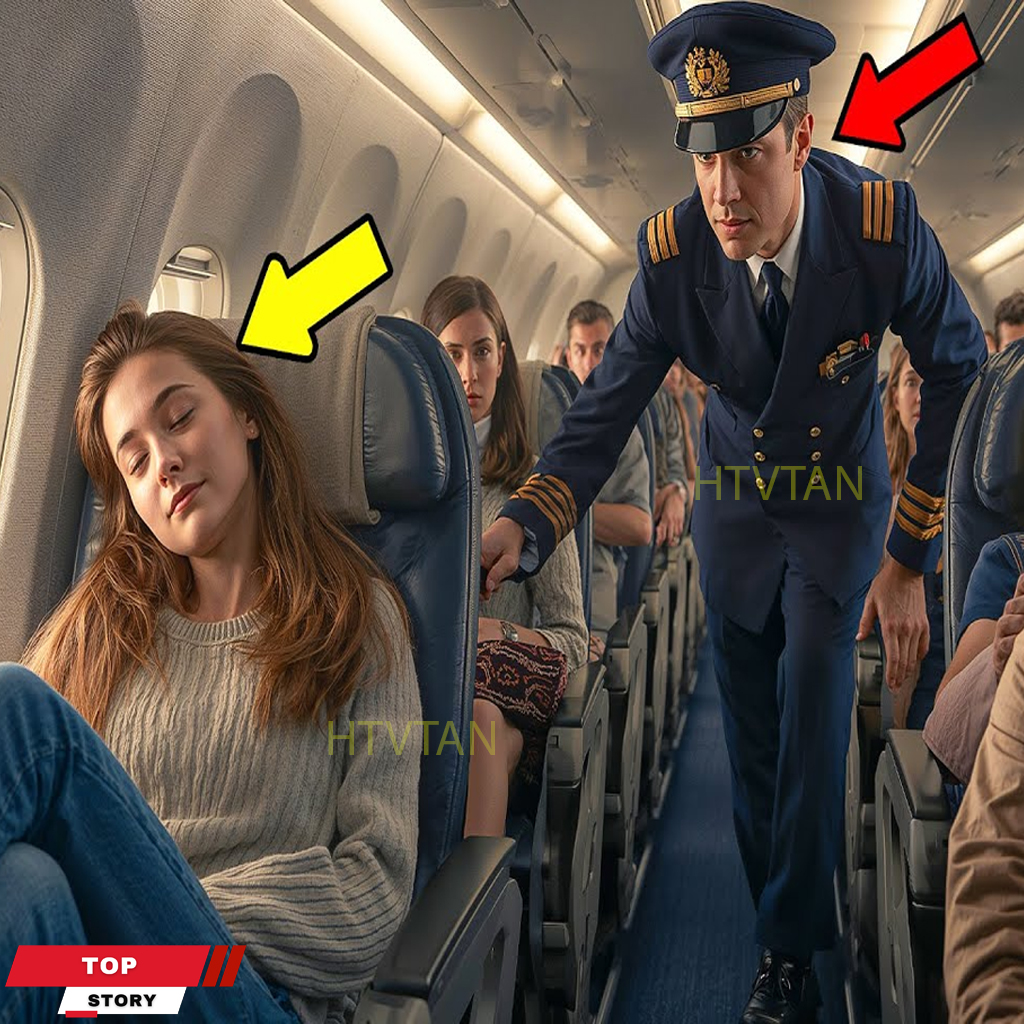
Lily was traveling alone to visit her grandmother in Seattle, her first unaccompanied minor flight. She’d been nervous during boarding, but Paige’s gentle manner had helped calm her fears. “Remember, if you need anything during the flight, just press this button.” Paige explained, showing Lily the call light. “I’ll be checking on you every few minutes, okay?” Lily nodded, her dark eyes wide with the mixture of excitement and anxiety that comes with new experiences. She glanced back toward the premium economy section where Diana sat quietly by the window.
Something about the woman’s calm presence was reassuring, though Lily couldn’t articulate why. Behind them in row 15, Sophia Morales adjusted her sleeping infant daughter against her shoulder while struggling with an overflowing diaper bag. Sophia was a single mother returning from a job interview in Denver, hoping against hope that the position she’d applied for would offer the stability her family desperately needed. The flight represented more than transportation. It was a bridge between her current struggles and the possibility of a better future.
“Ma’am, would you like me to help you get settled?” Andre asked, noticing Sophia’s difficulty managing both the baby and her belongings. “Thank you. That’s very kind,” Sophia replied, grateful for the assistance. As Andre helped organize her seat area, Sophia noticed how he moved with the confident efficiency of someone accustomed to handling emergencies. What she didn’t know was that Andre’s calm demeanor came from eight years as an army medic before joining the airline industry. Captain Mark Phillips completed his pre-flight checklist in the cockpit.
His experienced hands moving automatically through procedures he’d performed thousands of times during his 20-year commercial flying career. At 48, Phillips was considered one of the airlines most reliable pilots with an impeccable safety record and the kind of steady temperament that inspired confidence in both crew members and passengers. Weather looks good once we get above the mountains, Philip said to first officer Tara Johnson as she programmed their flight plan into the navigation computer. Denver approach is reporting light snow, but Seattle’s showing clear skies with light winds.
Tara nodded, though something in the updated weather reports concerned her. At 26, she was still relatively new to commercial aviation, having joined the airline 18 months earlier after completing her flight training. She’d been paired with Captain Phillips for the past 6 months and had come to appreciate his mentoring style and wealth of experience. Captain, I’m seeing some reports of rapidly developing weather systems over the Rockies, Tara mentioned, pointing to her weather display. The storm cells weren’t there during our briefing, but they’re showing significant development in the past hour.
Philillips leaned over to study her screen. Mountain weather can be unpredictable this time of year. We’ll keep an eye on it, but our route should keep us well north of any significant activity. What neither pilot knew was that a collision between Arctic air masses and unusually warm Pacific moisture was creating atmospheric conditions that would generate one of the most severe winter storms in Colorado’s recorded history. The weather services computer models hadn’t predicted the rapid intensification. And by the time meteorologists recognized the danger, multiple aircraft would already be airborne and flying directly into the developing system.
Diana settled deeper into her seat as the aircraft pushed back from the gate, her eyes automatically tracking the ground crews movements outside her window. Even in civilian clothes, even after 3 years away from military aviation, her pilot’s instincts remained sharp. She noticed the slight hesitation in the tug driver’s movements. The way the wing walker positioned himself differently than standard procedure dictated, the minor delay and ground power disconnect that suggested the crew was being extra cautious due to weather conditions.
Her left hand rested on the armrest, fingers occasionally trembling in the subtle pattern that had ended her military flying career. The tremors were barely noticeable to casual observers, but Diana was acutely aware of them. Physical therapy had helped, but the nerve damage from her final combat mission remained permanent. The Air Force Medical Board had been clear. Pilots with neurological impairments, even minor ones, represented unacceptable risks during critical flight operations. Diana closed her eyes as the aircraft began its taxi toward the active runway.
But sleep didn’t come immediately. Instead, memories surfaced unbidden. The weight of an F-16’s control stick in her hands. The roar of afterburners during combat takeoffs, the precise coordination required to deliver ordinance on target while enemy surfaceto-air missiles tracked her aircraft through hostile airspace. She’d been good at it, better than good. Her call sign Spectre had been earned through an uncanny ability to appear where enemy forces least expected her, to strike targets that other pilots couldn’t reach, to bring damaged aircraft home when lesser aviators would have ejected.
he. But that was before the improvised explosive device had detonated 30 ft from her aircraft during a close air support mission in Afghanistan. Before the shrapnel had severed nerves in her left arm, before the medical board had declared her unfit for flight status despite her protests that she could still fly as well as anyone in the squadron. Ladies and gentlemen, this is Captain Phillips speaking. We’ve been cleared for takeoff on runway 34 left. Our flight time to Seattle tonight will be approximately 2 hours and 15 minutes.
We’ll be cruising at 37,000 ft. And the weather looks good once we get above these mountain peaks. Flight attendants, please prepare for departure. Diana opened her eyes as the engines spooled up to take off power, their vibration traveling through the aircraft structure into her bones. She’d always loved this moment, the transition from earthbound machine to flying aircraft, the precise application of physics and engineering that lifted tons of metal and human cargo into the sky. Even as a passenger, she found herself automatically monitoring engine sounds, feeling for any irregularities in the acceleration pattern, noting the pilot’s technique as the aircraft rotated and climbed away from Denver’s lights.
Marcus Wellington fastened his seat belt and continued his quiet assessment of his fellow passengers. The woman in 10 C seemed oddly calm for someone who appeared to be flying premium economy for the first time. Most nervous travelers fidgeted with magazines or checked their phones repeatedly during takeoff. But Diana sat perfectly still, her breathing regular, her hands relaxed on the armrests, despite the obvious tremor in her left fingers. Probably medication, Marcus concluded silently. Some kind of anxiety disorder that requires pharmaceutical management.
The judgment felt comfortable, fitting neatly into his assumptions about people who couldn’t afford proper traveling attire. Dr. Katherine Reed noticed the woman’s stillness, too, but her medical training led to different conclusions. The tremor pattern in Diana’s left hand was consistent with peripheral nerve damage rather than anxiety or medication side effects. The woman’s posture and alertness during takeoff suggested someone comfortable with aviation rather than nervous about flying. Catherine had seen similar presentations in wounded veterans during her residency at Walter Reed Medical Center.
As flight 847 climbed through 10,000 ft and the lights of Denver fell away below them, Diana finally allowed herself to relax. The constant hum of the engines and the gentle motion of the aircraft triggered the deep fatigue she’d been fighting all day. She’d driven 12 hours from her small apartment in Colorado Springs to catch this flight. her ancient Honda Civic burning oil and threatening to overheat during the mountain passes. The drive had been a pilgrimage of sorts, a journey to scatter her father’s ashes in the Pacific Ocean, as he’d requested before his death from cancer 6 months earlier.
Diana’s father had been a Navy pilot during Vietnam, and the ocean represented both his service and his final rest. She’d taken emergency leave from her job at a small airport fixed base operator, spending most of her savings on the flight and a hotel room in Seattle. Diana pulled her jacket tighter and closed her eyes, letting the aircraft’s motion lull her towards sleep. Around her, the cabin settled into the quiet rhythm of a late night flight. Passengers dozed or read quietly.
Flight attendants dimmed the lights further, and Captain Phillips engaged the autopilot as they reached their cruising altitude above the Colorado Rockies. None of them knew that 200 m ahead, atmospheric conditions were generating the kind of severe weather system that occurred perhaps once in a decade. Wind shears capable of flipping aircraft, ice accumulation that could bring down engines, and turbulence severe enough to cause structural damage to even large commercial jets. Diana’s breathing deepened as exhaustion finally overcame her hypervigilance.
Her left hand relaxed on the armrest, the tremors subsiding as muscle tension faded. For the first time in weeks, she looked peaceful, almost vulnerable in her worn clothing and modest seat. Marcus Wellington glanced at her again, his expression softening slightly. Whatever judgment he’d made about her financial situation seemed less important now that she appeared to be sleeping. Even Dr. Catherine Reed found herself hoping the woman would get some rest. The stress lines around her eyes suggested someone carrying burdens that went beyond a simple fatigue.
Flight attendant Andre Brown moved quietly through the cabin, checking on passengers and preparing for the in-flight service. When he passed row 10, he paused to observe Diana’s sleeping form. Something about her stillness reminded him of soldiers he treated during his Army Medical Corps service. The particular way combat veterans learned to find rest whenever and wherever possible. But Andre kept his observations to himself, continuing his rounds as flight 847 flew steadily westward through the night sky. The aircraft was pressurized to 8,000 ft equivalent altitude.
The cabin temperature was a comfortable 72° and all systems were functioning normally. It was exactly the kind of routine flight that airline passengers expected and crew members preferred. What none of them could see was the massive storm system developing ahead of their flight path. a meteorological monster that was defying every computer model and exceeding every forecast. Within the next hour, flight 847 would encounter conditions that would test every system aboard the aircraft and every skill possessed by its crew.
Diana Spectre West slept on, unaware that her military training, her combat experience, and her hard one knowledge of emergency procedures were about to become the difference between life and death for 183 souls flying through the night toward an appointment with disaster. The mountain peaks below them were already disappearing under a blanket of clouds that glowed with the strange luminescence that comes from lightning trapped within ice crystals. The storm was building, growing stronger with each passing minute, and flight 847 was flying directly into its path.
Telling and preparing the story took us a lot of time. So, if you’re enjoying it, subscribe to our channel. It means a lot to us. Now, back to the story. 43 minutes into the flight, Captain Mark Phillips felt the first wave of dizziness wash over him like cold water. He gripped the control yolk tighter, blinking hard to clear his vision as the cockpit instruments seemed to shimmer at the edges. The sensation lasted only a few seconds, but it left him unsettled in a way that 20 years of commercial flying had never prepared him for.
“Everything okay, Captain?” First officer Tara Johnson asked, glancing over from her navigation display where she’d been tracking the weather system. developing ahead of their route. “Just tired,” Philillips replied, though the metallic taste in his mouth suggested something more serious. “Long day yesterday, and this weather situation has me on edge.” Tara returned to her instruments, but she’d caught the slight slur in Philip’s speech, the way his hand lingered on the yolk longer than necessary. As a newer pilot, she’d been trained to watch for signs of crew fatigue or medical issues.
But confronting a senior captain about potential problems required a delicate touch. In the cabin behind them, Diana West had settled into the light sleep that military training had taught her to achieve anywhere, anytime. Her breathing was slow and regular, but her subconscious remained alert to changes in the aircraft’s sound or movement. Years of flying combat missions had conditioned her to sleep with one part of her mind, always monitoring for threats. The elderly couple in 8A and 8B were sharing family photos on their phone.
Their quiet conversation, a gentle murmur beneath the engine noise. Harold and Margaret Peterson had been married for 42 years. And this trip to Seattle was their first vacation in over 2 years. “Herald’s recent retirement from the postal service had finally given them the freedom to visit their scattered grandchildren. “She’s been sleeping since takeoff,” Margaret whispered, nodding toward Diana. “Poor dear must be exhausted.” Harold adjusted his reading glasses and glanced at Diana’s peaceful form. Reminds me of our Susan when she was that age.
Always could sleep anywhere. Two rows ahead, Marcus Wellington was reviewing quarterly financial reports on his laptop. The screen’s blue glow illuminating his precisely groomed features. His hedge fund had performed exceptionally well this year, and tomorrow’s board meeting would likely result in substantial bonuses for senior partners. The success felt hollow, though. At 51, Marcus had accumulated wealth beyond his childhood dreams. But the cost had been measured in failed relationships and a growing sense that financial achievement meant less than he’d expected.
He glanced again at Diana, irritated by his own fascination with her presence. Something about her stillness bothered him. The way she seemed completely at peace while surrounded by luxury she clearly couldn’t afford. It challenged his fundamental beliefs about success and status in ways that made him uncomfortable. Dr. Katherine Reed was deep in a journal article about innovative cardiac surgical techniques when the aircraft hit its first patch of turbulence. The sudden jolt was mild, but it caused her coffee cup to slide across her tray table.
As she studied the cup, Catherine noticed that Diana hadn’t stirred despite the movement. That level of sleep discipline typically came from military training or medical residency, situations where rest had to be grabbed whenever possible, regardless of circumstances. In row 15, Sophia Morales’s six-month-old daughter, Elena, began fussing as the atmospheric pressure changes affected her ears. Sophia tried to soo her quietly, conscious of the other passengers trying to rest. The infant’s soft cries carried through the cabin, and several travelers glanced back with expressions ranging from sympathy to annoyance.
Flight attendant Paige Scott noticed the disturbance and made her way down the aisle with practiced grace, despite the aircraft’s slight swaying motion. First flight with a baby? She asked Sophia quietly. Second, but she didn’t cry last time, Sophia replied, gently bouncing her daughter. I think the pressure changes are bothering her. Paige retrieved a small bottle of children’s pain reliever from the medical kit. This might help. Flying can be tough on little ears. As Paige helped Sophia administer the medication, neither woman noticed the subtle changes occurring in the aircraft’s movement.
The autopilot was making small corrections more frequently, adjusting for wind patterns that were becoming increasingly erratic. The smooth flight was gradually becoming less smooth, though the changes were too gradual for passengers to notice consciously. In the cockpit, Philillips was fighting his own battle with escalating symptoms. The dizziness had returned, accompanied by a crushing sensation in his chest that made breathing difficult. Sweat was beating on his forehead despite the cockpit’s cool temperature and his left arm felt heavy and numb.
“Tara,” he said quietly, trying to keep the strain out of his voice. “I need you to take the controls for a few minutes. ” “Of course, Captain. I have the aircraft,” Tara replied, assuming Philillips needed a brief rest or wanted to review something in their flight manual. But when she glanced over at him, she saw his pale complexion and the way his hand pressed against his chest. Captain Phillips, are you having chest pain? She asked, her voice sharp with concern.
Phillips nodded weakly, no longer able to maintain the pretense that he was simply tired. I think I’m having a heart attack, he whispered. The words hit Terra like a physical blow. In 18 months of commercial flying, she’d handled mechanical problems, weather deviations, and difficult passengers, but never a medical emergency involving the pilot in command. Her training had covered the procedures, but experiencing them in reality felt completely different. “Captain, I’m declaring a medical emergency,” Tara announced, reaching for the radio.
Seattle Center, flight 847, declaring medical emergency. We have pilot incapacitation and request immediate priority handling and clearance to nearest suitable airport. Flight 847 Seattle Center copies your medical emergency, state, nature of emergency, and souls on board. We have the captain experiencing cardiac symptoms and incapacitated. First officer assuming command. 183 souls on board. Fuel for approximately 90 minutes. As Terra handled the emergency communications, Philip slumped forward in his seat, his breathing becoming shallow and irregular. The captain, who had seemed invincible just minutes earlier, was now fighting for his life while his aircraft flew through increasingly dangerous weather.
Seattle Center Flight 847, we’re also encountering severe weather development. Request vectors around the storm activity. Flight 847, we’re showing significant weather development over your route. Recommend immediate deviation to heading 180° and descent to flight level 250 to avoid the worst of the system. Terra’s hands were steady on the controls, but her mind was racing. She was now solely responsible for an aircraft carrying 183 people flying toward a storm system that was intensifying faster than anyone had predicted.
Her training had prepared her for this scenario in theory, but the reality felt overwhelming. In the cabin, passengers were beginning to notice the increasing turbulence. Diana’s eyes opened as the aircraft hit a particularly sharp bump. Her pilot’s instincts instantly alert. Something in the aircraft’s movement pattern told her they were dealing with more than routine mountain wave turbulence. Andre Brown was securing loose items in the galley when he felt the aircraft bank sharply to the right, a deviation that hadn’t been announced to the cabin crew.
His military medical training had taught him to recognize when routine situations were becoming emergencies, and the aircraft’s current behavior suggested significant problems developing. Ladies and gentlemen, we’re experiencing some weather related turbulence. Tara’s voice came over the intercom, but her tone carried stress that contradicted her calm words. Please ensure your seat belts are fastened and remained seated until further notice. Diana sat up straighter, her sleep forgotten. The first officer’s voice had the particular tension that came from managing multiple problems simultaneously.
As someone who’d flown combat missions where split-second decisions meant the difference between success and catastrophe, Diana recognized the sound of a pilot operating at the edge of her experience level. The turbulence intensified, causing overhead bins to rattle and several passengers to gasp in alarm. Lily Chen clutched her stuffed penguin tighter, looking around the cabin with wide, frightened eyes. The gentle rocking motion that had lulled many passengers to sleep was now replaced by sharp jolts and sudden drops that made stomachs lurch.
“This doesn’t feel normal,” Marcus Wellington muttered, closing his laptop as another sharp bump nearly sent it sliding off his tray table. He looked toward the front of the aircraft, wondering if the crew was going to provide more information about what was happening. Dr. Katherine Reed was fighting her own concerns as she recognized the signs of an aircraft in distress. The engine sounds were changing subtly. The cabin pressure felt different. And the flight attendants body language suggested they were dealing with more than routine turbulence.
In row 15, Sophia’s baby began crying again. Her distress adding to the growing tension in the cabin. Sophia tried to comfort her daughter while fighting her own rising panic. As a single mother, she’d learned to stay calm during difficult situations. But being trapped in an aircraft, experiencing severe problems triggered fears she couldn’t easily suppress. Diana’s eyes swept the cabin, taking in the nervous passengers, the flight attendants, forced calm, and the increasingly violent motion of the aircraft. Her left hand gripped the armrest, tremors more pronounced now due to stress, but her mind was crystal clear.
Every instinct she developed during 500 combat flight hours was telling her that flight 847 was in serious trouble. The storm ahead of them had now reached category 5 intensity with wind speeds exceeding 200 mph and hail the size of golf balls. What had started as a minor weather disturbance was now a meteorological disaster that posed a direct threat to any aircraft attempting to fly through it. And in the cockpit, first officer Tara Johnson was running out of options for avoiding the storm while dealing with an incapacitated captain and an aircraft that was becoming increasingly difficult to control.
As they encountered the outer edges of the weather system, lightning exploded outside the cockpit windows as flight 847 plunged into the heart of the storm system. Terra Johnson fought the controls as wind shears grabbed the Boeing 777 and shook it like a child’s toy. The aircraft dropped 500 ft in 3 seconds, then shot upward just as violently. Warning alarms screamed from every corner of the instrument panel. Seattle Center Flight 847 requesting immediate emergency descent. Tara called into her headset, her voice tight with concentration.
We’re encountering severe turbulence and windshar. Captain Phillips is unconscious and unresponsive. Flight 847, Seattle Center, cleared to descend flight level 200. Be advised, we’re losing radar contact due to weather interference. Squawk, emergency code 770. Captain Phillips lay slumped against his restraints, his face gray and slick with perspiration. His breathing came in short, labored gasps that Tara could hear even over the storm’s fury. She’d activated the emergency medical kit’s oxygen supply, but without proper medical training, there was little else she could do for him.
The weather radar display showed solid red directly ahead, indicating precipitation so heavy it could overwhelm the engines. Hail reports were coming in from other aircraft, describing ice chunks large enough to crack wind screens and dent wing surfaces. Tara had never flown through conditions remotely this severe. Andre, I need you in the cockpit. Tara called back to the senior flight attendant through the intercom. Medical assistance required. Andre Brown unbuckled from his jump seat and made his way forward, using the walls for support as the aircraft bucked through the turbulence.
His Army medic training had prepared him for medical emergencies, but not at 37,000 ft in the middle of a storm. When Andre reached the cockpit, he immediately assessed Captain Phillips. condition. Weak pulse, shallow breathing, skin cold and clammy. Classic signs of cardiac distress, possibly a massive heart attack. Andre began checking vitals while Tara continued fighting the storm. “How is he?” Tara asked, not daring to take her eyes off the instruments as another violent downdraft sent the aircraft plummeting.
“Stable but critical,” Andre replied. “He needs immediate medical attention. How far to Seattle at this rate? Maybe an hour if we can maintain course, but I don’t think we can fly through this storm much longer. The aircraft shuddered as golf ball-sized hail began hammering the fuselage. Through the cockpit windows, Terra could see ice accumulating on the wing surfaces, disrupting the airflow patterns that kept them aloft. Engine number two began showing warning indications as ice built up in the intake.
In the cabin, passengers were no longer trying to maintain their calm composure. The violent motion had awakened everyone, and the sound of hail striking the aircraft’s aluminum skin created a terrifying percussion that echoed through the passenger compartment. “What’s happening?” Harold Peterson called out to flight attendant Paige Scott as she struggled down the aisle, checking that passengers remained securely fastened in their seats. We’re experiencing severe weather, sir, Paige replied, her trained smile not quite masking the concern in her voice.
Please keep your seat belt tight and try to remain calm. Marcus Wellington’s laptop had slammed shut during one of the violent jolts, and his carefully organized financial documents were scattered across his seat area. For the first time in years, his wealth felt irrelevant. Money couldn’t control weather or fix whatever was wrong with their aircraft. 8-year-old Lily Chen pressed her face against the window, watching lightning fork through the clouds below them. She wasn’t crying, but her knuckles were white as she gripped her stuffed penguin.
“The storm looked like something from a movie. Beautiful and terrifying simultaneously.” “Are we going to crash?” Lily asked Paige as the flight attendant checked her seat belt. “No, sweetie. The pilots are very experienced and they know how to handle storms like this.” Paige replied, though her own confidence was wavering as the turbulence grew worse. Diana West’s eyes snapped open as the aircraft hit an air pocket that sent her stomach into her throat. Her pilot’s brain immediately began processing the sensory information, engine sound patterns, aircraft attitude changes, the particular vibration that came from severe weather encounter.
This wasn’t normal turbulence. This was the kind of weather that destroyed aircraft. She sat up automatically checking her seat belt tension and scanning the cabin for signs of structural stress. Other passengers were gripping armrests and looking around nervously, but none showed the systematic assessment that came from aviation training. The aircraft lurched violently to the left, and Diana heard the distinct sound of metal stress as the airframe flexed beyond normal parameters. Her left hand trembled against the armrest, but her mind was calculating wind speeds, turbulence intensity, and structural load factors with the precision of someone who’d flown through combat conditions.
Dr. Katherine Reed was fighting motion sickness as the aircraft pitched and rolled through the storm. As a surgeon, she was accustomed to maintaining steady hands under pressure, but the violent motion made it impossible to focus on anything except survival. She noticed that Diana West seemed remarkably composed despite the chaos, sitting upright with the alert posture of someone prepared for action. Ladies and gentlemen, this is First Officer Johnson speaking. Terara’s voice came over the intercom, though static from the storm made her words difficult to understand.
We’re encountering severe weather and are taking steps to ensure your safety. Please remain in your seats with seat belts securely fastened. What Terra didn’t announce was that engine number two was now showing serious warning signs, that their weather radar had failed completely, and that she was flying essentially blind through one of the most dangerous storm systems she’d ever encountered. Sophia Morales held her baby daughter close, whispering prayers in Spanish as the aircraft shook around them. Elena had stopped crying, perhaps sensing her mother’s fear, and now clung silently to Sophia’s sweater.
around them. Other passengers were beginning to show signs of real panic. “This is not normal turbulence,” Marcus Wellington announced to no one in particular, his voice carrying the authority of someone accustomed to being heard. “Something seriously wrong with this flight. ” His words triggered a wave of nervous murmurss throughout the cabin. Passengers who had been trying to maintain composure now began expressing their fears openly. “Are we going to make it?” an elderly woman called out. “Where are the pilots?
Why aren’t they telling us what’s happening? demanded a middle-aged man in a business suit. Andre Brown returned to the cabin, his face grim. He moved quickly to the intercom, knowing that the passengers needed information, but also that panic could make an already dangerous situation catastrophic. Ladies and gentlemen, we have encountered a medical emergency involving one of our pilots. Quote, Andre announced his voice carrying the calm authority of someone trained to handle crisis situations. First officer Johnson is safely operating the aircraft, but we are also dealing with severe weather conditions.
The admission sent a chill through the cabin. Passengers exchanged frightened glances, and several people began reaching for their phones despite the lack of cellular service at altitude. We need immediate assistance from anyone aboard with aviation experience, Andre continued. If there are any pilots, military aviators, flight instructors, or air traffic controllers among our passengers, please identify yourselves immediately. Diana’s heart began racing, but not from fear. For the first time in 3 years, her specialized training was desperately needed.
Every instinct told her to respond, but the memory of her medical discharge held her back. What if her tremors interfered at a critical moment? What if she made the situation worse? Around the cabin, passengers looked at each other, hopefully, searching for anyone who might have the expertise to help, but no one stood up. No one raised their hand. The silence stretched painfully as the aircraft continued its violent dance with the storm. Harold Peterson leaned toward his wife, Margaret.
“Surely someone on this plane knows how to fly,” he whispered. “Maybe they’re too scared to admit it,” Margaret replied. her own voice shaking as another lightning flash illuminated the cabin. Dr. Katherine Reed was studying Diana’s face, noting the way her eyes tracked the aircraft’s movements, the unconscious way she monitored engine sounds, the particular alertness that suggested extensive aviation knowledge. Catherine had seen enough military pilots during her residency to recognize the signs. “Miss,” Catherine said quietly, leaning across the aisle toward Diana.
“You’re a pilot, aren’t you?” Diana met her gaze and for a moment the pretense fell away. Former pilot, she said quietly. “These people need your help,” Catherine pressed. “Whatever kept you from flying before, it can’t be more important than 183 lives.” The aircraft dropped again, this time falling nearly 800 ft before Terra could arrest the descent. Screams echoed through the cabin as passengers felt weightlessness followed by crushing gravitational force. Several overhead bins popped open, spilling luggage into the aisles.
Diana looked toward the cockpit where she could see Terara struggling with controls that seemed to have a mind of their own. The first officer was competent, but she was fighting a battle that required experience Diana had earned through years of flying in conditions where mistakes meant death. “I was medically discharged,” Diana said to Dr. Reed, her voice barely audible over the storm. “Nerve damage, tremors in my left hand. Can you still fly? Diana looked at her trembling fingers, then at the terrified faces around her.
Lily Chen was crying now, her small body pressed against the window as she searched for any sign that they would survive. Sophia Morales was whispering prayers while holding her baby, and even Marcus Wellington’s arrogant composure had cracked completely. “I don’t know,” Diana admitted. “But I’m about to find out. ” Diana West unbuckled her seat belt and stood, her movement deliberate despite the aircraft’s violent pitching. The cabin erupted in a cacophony of groaning metal and terrified passengers as another massive downdraft sent loose items flying through the air.
A service cart broke free from its restraints and crashed into the galley wall with a sound like gunfire. “I’m a pilot,” Diana called out to Andre Brown, her voice cutting through the chaos. “Former Air Force F-16 combat missions.” Marcus Wellington twisted in his seat, staring at Diana with undisguised disbelief. The woman who’d been sleeping peacefully in worn clothing was claiming to be a military pilot. “You’ve got to be kidding me,” he said loudly enough for several rows to hear.
“Her look at her.” Andre studied Diana’s face, searching for any sign of deception or desperation. Military bearing was difficult to fake, and something in Diana’s steady gaze convinced him she was telling the truth. Ma’am, the cockpit is this way. Quickly, wait just a damn minute. Marcus stood up, ignoring the flight attendant’s instructions to remain seated. You’re going to trust our lives to someone who looks like she can barely afford a bus ticket. I demand to speak with someone in authority.
Diana paused, meeting Marcus’s hostile stare. Sir, your captain is having a heart attack. Your first officer is flying solo through the worst storm she’s ever seen and this aircraft is being torn apart by wind shears. Would you prefer to discuss my wardrobe or would you like to live through the next hour? The directness of her response silenced Marcus, but his expression remained skeptical. Around the cabin, other passengers were listening to the exchange with growing alarm. The revelation that their captain was incapacitated sent waves of panic through the rows.
A heart attack. Sophia Morales clutched her baby tighter, her voice rising with fear. “Does that mean we’re going to crash?” “Nobody’s crashing on my watch,” Diana replied, though her left hand betrayed her with a visible tremor as she gripped the seat back for balance. She hoped no one else noticed, but Dr. Catherine Reed was watching her carefully. The aircraft suddenly banked hard to the right, throwing Diana against the wall as Terra fought to regain control. Through the cockpit door, they could hear alarms blaring and Terara’s voice calling out altitude readings in the clipped tone of someone operating at the edge of panic.
Flight level 180 and descending, Tara announced over the intercom weather radar is completely obscured, flying on instruments only. Diana pushed forward through the turbulence, her muscle memory from combat operations, allowing her to move efficiently despite the aircraft’s erratic motion. behind her, she could hear Marcus Wellington arguing with Andre about allowing an unqualified person into the cockpit. “She’s not even in uniform,” Marcus protested. “How do we know she’s actually a pilot?” “This could be some kind of breakdown or delusion.” Dr.
Catherine Reed stood up carefully, using her medical authority to cut through the argument. “I’ve worked with military pilots before. This woman has the bearing and responses of someone with extensive aviation experience. Right now, experience is exactly what we need. “Thank you, doctor,” Diana said without looking back. She reached the cockpit door and paused, taking a deep breath. It had been 3 years since she’d sat in a pilot’s seat. 3 years since the medical board had declared her unfit for flight duties.
Her left hand was shaking noticeably now, the stress triggering the nerve damage that had ended her military career. Andre opened the cockpit door and Diana got her first clear view of the crisis. Captain Phillips was unconscious, his head lulled to one side, oxygen mask covering his face. First officer Tara Johnson was fighting the controls with both hands, sweat streaming down her face as she battled wind shears that were trying to flip their aircraft inverted. “Thank God,” Tara gasped when she saw Diana.
“Are you really Air Force?” Former Air Force Diana replied, sliding into the observer’s seat behind the pilots. Captain Diana West, call sign Spectre. 500 combat hours in F-16s before medical discharge. Medical discharge? Terra’s voice carried new concern. What kind of medical issue? Diana held up her trembling left hand. Nerve damage from shrapnel sometimes affects fine motor control under stress. For a moment, Tara hesitated. The idea of trusting their lives to a pilot with documented medical problems seemed like exchanging one crisis for another.
But as the aircraft dropped another 300 ft in 2 seconds, she realized they were beyond the luxury of perfect solutions. “Can you still fly?” Terra asked directly. “I’m about to find out,” Diana replied, studying the instrument panel. What she saw made her stomach clench. They were flying blind through a storm system that was generating wind shears capable of destroying any aircraft. Engine 2 was showing ice accumulation warnings. Their weather radar was completely whitewashed and they were burning fuel at an unsustainable rate while fighting the turbulence.
First officer Johnson, what’s our current position and fuel status? Last known position was approximately 150 mi east of Salt Lake City, Terara replied, her voice tight with concentration. But that was before we started deviating for weather. Fuel remaining is about 12,000 lb, maybe 45 minutes at current consumption. Diana felt the familiar calm that had descended during her most dangerous combat missions. When everything was falling apart, when technology failed and normal procedures became useless, training and experience became the only reliable guides.
Tara, I need you to reduce power on both engines and let the aircraft settle into the turbulence instead of fighting it. Diana instructed, “You’re burning fuel and stressing the airframe by trying to maintain precise altitude, but procedure says to maintain assigned altitude. Procedure assumes normal weather conditions. Right now, we need to survive the storm first and worry about air traffic control later.” As terror reduced power, the aircraft’s motion became less violent. They were still being tossed around, but the engines weren’t screaming against the downdrafts anymore.
Diana’s advice was working, but she could see the doubt in Tara’s eyes. Back in the cabin, Marcus Wellington had enlisted Dr. Catherine Reed in his campaign to question Diana’s qualifications. Doctor, surely you can see this is madness. We’re trusting our lives to someone who admits she’s medically unfit to fly. Catherine studied Marcus’ agitated face, then looked toward the cockpit where Diana was working. Mr. Wellington. I’ve seen combat veterans operate under extreme stress, sometimes experience Trump’s perfect health.
But her hands are shaking, Marcus insisted. How can someone with tremors fly an airplane? The same way surgeons with arthritis perform operations, Catherine replied. Compensation, adaptation, and 20 years of muscle memory. Lily Chen had been listening to the adults argue, and now she spoke up in her clear child’s voice. The nice lady’s helping the pilots. That’s good, right? Her innocent questions silenced the argument. Even Marcus found himself without a response to 8-year-old logic. In the cockpit, Diana was studying weather reports from other aircraft in the area.
The news was uniformly bad. Three commercial flights had already diverted to emergency airports, and one military transport had declared an emergency after losing an engine to hail damage. Terra, we need to get below this weather layer. Request descent to flight level 100. That’s only 10,000 ft. Terra protested. We’ll be in the mountains. The mountains are our friend right now. The storm structure should be less severe at lower altitude and we can navigate visually once we get below the cloud deck.
Terra keyed her radio. Seattle center flight 847 requesting emergency descent to flight level 100. Flight 847 unable to approve flight level 100. Minimum safe altitude for your position is flight level 180 due to terrain. Diana reached for the radio microphone. Seattle center. This is Captain Diana West, United States Air Force. I’m assisting Flight 847’s crew with emergency operations. We have pilot incapacitation, severe weather encounter, and are declaring emergency authority to descend below minimum safe altitude. There was a long pause from air traffic control.
Flight 847. Did you say Air Force Captain West? Affirmative. Former F-16 pilot taking emergency action to save this aircraft. Captain West, this is Colonel Peterson, Air Force liaison at Seattle Center. We have your service record on file. You were reported killed in action 3 years ago. Diana closed her eyes briefly. Colonel Dan Bolt Richardson had been her squadron commander, her mentor, and one of the few people who’d believed in her potential when she was a young lieutenant learning to fly fighters.
“Hello, Bolt,” Diana said quietly. Reports of my death were greatly exaggerated. The radio silence stretched for 15 seconds before Colonel Dan Richardson’s voice crackled back through the static fil transmission. “Diana, we searched for your aircraft for 3 weeks after you went down in the Kandahar Valley. How the hell are you alive? Long story bolt, Diana replied, her fingers already moving across the instrument panel as she assessed their critical situation. Right now, I need you to clear every aircraft out of a 50-mi radius, and give me direct routing to the nearest military field capable of handling a 777 in zero visibility conditions.
Standby, Spectre, Richardson responded using her old call sign automatically. I’m pulling up suitable airfields now. Tara Johnson stared at Diana with a mixture of relief and apprehension. The transformation in the cockpit’s atmosphere was immediate and dramatic, where moments before she’d been fighting the storm alone with an unconscious captain. Now she had backup from someone who spoke with the authority of extensive experience. Captain West, what do you need from me? Tara asked, relinquishing primary control of the aircraft without hesitation.
Keep monitoring our engine parameters and fuel flow, Diana instructed, her hands settling on the control yolk with practiced familiarity. Call out any warning lights or system failures immediately. We’re going to hand fly this aircraft out of the storm using techniques they don’t teach in commercial aviation. The difference in aircraft handling was immediate. where Terra had been fighting the turbulence with large control inputs that stressed the airframe, Diana worked with the wind shears, making small adjustments that allowed the aircraft to ride the atmospheric waves rather than battling them.
Her F-16 training had taught her to think of severe weather as just another adversary to be outmaneuvered rather than overpowered. In the cabin behind them, passengers noticed the change in flight characteristics, even if they couldn’t identify what was different. The violent jolting motion was replaced by a more controlled movement. Still rough, but no longer threatening to tear the aircraft apart. Andre Brown moved through the passenger compartment, checking for injuries and trying to maintain calm despite the ongoing emergency.
When he reached Marcus Wellington’s seat, the businessman grabbed his arm. That woman has no business in the cockpit. Marcus hissed. I’ve been flying commercial for 20 years as a passenger, and I’ve never seen anything like this. She’s going to kill us all. Sir, she’s our best option right now, Andre replied firmly. The captain is unconscious, and our first officer requested assistance. Captain West has the training we need. Captain? Marcus’ voice pitched higher with indignation. She’s wearing a thrift store jacket and boots that belong in a construction site.
How do we know she’s actually military? Dr. Catherine Reed leaned across the aisle, her voice carrying the authority of someone accustomed to life and death decisions. Mr. Wellington, I’ve worked with military personnel for 15 years. That woman’s responses and bearing are consistent with combat aviation experience. Her medical condition doesn’t negate her training. Medical condition, Marcus seized on the phrase, “What medical condition? Are you telling me we’re trusting our lives to someone who’s medically unfit to fly? Before Catherine could respond, 8-year-old Lily Chen’s voice cut through the argument with the clarity that only children possess.
She’s helping the scared pilot lady. That’s good. Why are you being mean? Marcus found himself unable to argue with a child’s logic, but his fear manifested as continued skepticism. This is insane. Absolutely insane. In the cockpit, Diana was demonstrating why the Air Force had given her the call sign Spectre. Her ability to appear exactly where enemies least expected her translated perfectly to finding paths through weather that conventional navigation declared impossible. Seattle Center Flight 847 requesting vectors to Cheyenne Mountain Air Force Base.
Diana transmitted, “We need a precision approach capability and emergency medical facilities. Flight 847 Cheyenne Mountain is 200 mi southeast of your last known position. Current weather there is marginal but improving. Winds 280 at 25 knots gusting to 40. Visibility 2 mi in snow showers. We’ll take it, Diana replied. What’s the current approach minimums? Precision approach runway 21. Minimums are 200 ft and half mile visibility. Terra’s face went pale. Captain West, I’ve never attempted an approach in conditions that marginal.
My minimum experience is 500 ft in one mile. Then today you’re going to learn something new, Diana said, adjusting their heading toward Cheyenne Mountain. Combat aviation teaches you that sometimes the only option is the one that scares you most. Diana’s left hand began working the throttles, compensating for engine power variations caused by ice accumulation. Her tremors were more pronounced now, but her movements remained precise and deliberate. Years of flying in combat zones had taught her to function effectively even when her body wasn’t cooperating perfectly.
Engine 2 is showing fluctuating power output. Terra reported ice accumulation in the intake is affecting compression ratios. Copy that. We’ll keep number two online as long as possible, but be prepared for single engine approach procedures if it fails completely. The casual way Diana discussed potentially losing an engine sent chills through Terara’s spine. Commercial pilots trained for engine failures, but they were typically practiced in simulators under controlled conditions, not during actual emergencies in severe weather. Sophia Morales was trying to keep her baby calm when another passenger, a middle-aged insurance executive named Robert Hayes, leaned over from across the aisle.
Ma’am, I think we should demand to speak with the real pilot. This situation is completely unacceptable. “The real pilot is unconscious,” Sophia replied, exhaustion creeping into her voice. “At least someone’s trying to help us.” “Someone completely unqualified,” Robert pressed. “Look at her. She looks like she lives on the street. ” Harold Peterson turned around from his seat two rows ahead, his normally gentle voice sharp with irritation. “Son, I flew transport planes in Vietnam for two tours. That woman moves like a pilot, talks like a pilot, and right now she’s the only thing standing between us and a smoking hole in the ground.
I suggest you shut your mouth and let her work. ” The rebuke from a fellow veteran carried weight that silenced Robert’s complaints, at least temporarily. Harold had recognized something in Diana’s bearing that civilian passengers missed. The particular confidence that came from making life and death decisions under extreme pressure. Diana was working with Colonel Richardson to establish their exact position using radio navigation aids that predated GPS technology without weather radar or reliable satellite navigation. They were effectively flying using techniques that World War II pilots would have recognized.
Spectre, I’m showing you approximately 180 mi northeast of Cheyenne Mountain based on radio bearings. Richardson transmitted, “Be advised, there are multiple aircraft declaring emergencies in your area. The storm system has exceeded all forecast models. Bolt. How many aircraft are we talking about? Seven commercial flights and two military transports. This storm caught everyone by surprise. Diana absorbed this information while continuing to handfly the aircraft through the turbulence. If multiple aircraft were in distress, emergency response resources would be stretched thin.
They couldn’t count on extensive ground support or priority handling. Terra, I need you to start calculating single engine approach speeds and minimum fuel requirements for Cheyenne Mountain, Diana instructed. If we lose engine 2, we’ll need every advantage we can get. Captain West, I’ve never actually performed a single engine approach in a 777. Terra admitted the simulator training was theoretical only. Then you’re about to get the best education in emergency procedures you’ll ever receive, Diana replied. Combat flying teaches you that theory and reality are two completely different things.
As Diana spoke, her left hand seized momentarily, the tremors intensifying to the point where she nearly lost her grip on the throttles. She clenched her jaw, willing the muscle spasms to subside. But both Tara and Andre noticed the episode. “Captain, are you sure you can handle the controls?” Andre asked quietly. Diana looked at her shaking hand, then at the storm raging outside the cockpit windows. Andre, 3 years ago, I was flying close air support missions in Afghanistan when an IED nearly killed me.
The doctor said I’d never fly again. Tonight, 183 people are depending on skills I learned in combat zones where hesitation meant death. My hand may shake, but my judgment is solid. The conviction in her voice convinced Andre, but she could see continued doubt in Terara’s expression. The first officer was young enough to believe that perfection was a requirement for success. Inexperienced enough to think that physical limitations always trumped mental capabilities. First officer Johnson, quote, Diana said formally, “I need to know if you can follow my instructions even when they contradict your training.
What I’m about to ask you to do will seem wrong, dangerous, and possibly suicidal, but it’s based on experience flying through weather that would ground every commercial pilot in the world. Terra met Diana’s steady gaze and saw something there that reminded her of her own instructors during flight training. Authority earned through experience rather than rank. I’ll follow your lead, Captain West, Tara replied. Just tell me what you need. The stunned silence that followed Diana’s revelations stretched across multiple radio frequencies as air traffic controllers from Denver to Seattle processed the impossible.
Spectre had been postumously awarded the distinguished flying cross after her aircraft disappeared during a close air support mission in Afghanistan. Her memorial service had been attended by three generals and a senator. Spectre, I attended your funeral. Colonel Richardson’s voice carried a tremor of disbelief. Your parents buried an empty casket. The whole squadron thought you were dead. Had to let them think that bolt, Diana replied while simultaneously adjusting their descent angle to stay ahead of the worst turbulence.
Sometimes disappearing is the only way to survive what comes after. She’d been captured after her F-16 went down, spent 14 months in enemy hands before a special operations team extracted her during a prisoner exchange that never made the news. The physical injuries had been severe, but the psychological trauma had been worse. The Air Force had given her a medical discharge and a new identity to protect her from potential retaliation. “Diana, I need to know your current physical and mental status,” Colonel Richardson said, his voice shifting to official mode.
“Are you capable of handling this emergency?” Diana’s left hand cramped suddenly, fingers seizing around the throttle controls. She bit back a gasp of pain, forcing her muscles to relax through sheer willpower. Bolt, I’ve got nerve damage that causes tremors and occasional muscle spasms, but I can still fly better in a storm than most pilots can in perfect weather. Terra watched Diana struggle with her physical limitations, seeing how the stress was affecting her condition. Captain West, maybe I should maintain primary control.
You can guide me through the procedures. Negative, Diana replied firmly. You don’t have the experience for what we’re about to attempt. I need you monitoring systems and backing me up, not trying to fly through conditions that would challenge a test pilot. The aircraft shuddered as they descended through 15,000 ft, entering the lower reaches of the storm, where visibility dropped to near zero. Diana was flying entirely on instruments, her movements guided by muscle memory developed through hundreds of hours in combat conditions where electronic warfare made normal navigation impossible.
Engine 2 just flamed out. Tara announced, her voice tight with controlled panic. Ice ingestion caused compressor stall. We’re on single engine. Diana’s response was immediate and decisive. Secure engine 2. Maintain minimum single engine speed. Recalculate fuel consumption for Cheyenne Mountain approach. Terra, this is why combat pilots train for worst case scenarios. One engine, no weather radar, questionable navigation. Tuesday afternoon in Afghanistan. Her casual tone while describing their dire situation helped calm Terara’s rising panic. If Diana could treat engine failure during a storm as routine, maybe they actually had a chance of survival.
In the cabin, passengers felt the aircraft’s motion change as it transitioned to single engine flight. The steady twin engine hum was replaced by a different sound pattern that made everyone acutely aware something significant had occurred. Marcus Wellington unbuckled his seat belt despite Andre’s instructions and pushed toward the cockpit. I demand to know what’s happening. That’s not normal engine sound. Andre blocked his path with the practiced authority of someone who dealt with panicked soldiers under fire. Sir, return to your seat immediately.
We have multiple emergencies developing and passenger interference could prove fatal. I’m not going to sit here while some homeless woman experiments with our lives. Marcus shouted loud enough for most of the cabin to hear. The accusation triggered angry responses from several other passengers. Harold Peterson stood up carefully, his Vietnam veteran status giving him credibility that silenced the nearby arguments. “Son, I’ve seen real pilots under pressure. And I’ve seen wannabes fold when things get serious,” Harold said, his voice carrying absolute conviction.
“That woman up there is saving our lives right now. If you can’t see that, you’re too stupid to deserve survival. ” Sophia Morales bounced her crying baby while listening to the arguments swirling around her. Her own fears were overwhelming, but something about Diana’s calm competence gave her hope. “She knows what she’s doing,” Sophia said quietly. “I can feel it.” Dr. Catherine Reed was monitoring the conversation while simultaneously listening to radio chatter bleeding through the cockpit door. As someone who’d worked in trauma surgery, she understood that expertise often came in unexpected packages.
The woman has extensive training, Catherine announced to the nearby passengers. Her medical condition is manageable, and her experience is exactly what we need. Meanwhile, Diana was executing a descent through cloud layers that would have been considered impossible under normal circumstances. She was using mountain wave patterns and wind shear signatures to navigate by field, techniques that existed nowhere in commercial aviation manuals. Cheyenne Mountain approach. Flight 847 declaring emergency. Single engine pilot incapacitation. 183 souls on board. Request immediate precision approach runway 21.
Flight 847 Cheyenne approach. We have emergency equipment standing by. Current weather is 300 ft overcast. Visibility 1 mile and moderate snow. Winds 280 at 30 knots gusting to 45. Approach minimums are 20 and a half mile. Can you accept these conditions? Diana studied their fuel remaining and calculated approach speeds for single engine configuration. The margins were razor thin with no room for missed approaches or extended patterns. Cheyenne approach, we accept. Be advised, we have an Air Force pilot aboard providing emergency assistance.
Flight 847. Roger. Be further advised. We have Colonel Richardson coordinating emergency response. You’re cleared for immediate approach runway 21. Emergency equipment is positioned and standing by. As they established on the approach course, Diana’s military training took complete control. She’d made dozens of combat approaches under fire, landing on damaged runways with wounded crew members and failing systems. This approach was challenging, but it was also exactly the kind of situation her entire career had prepared her for. Terra, call out our altitude every 100 ft below 1,000.
Watch our single engine approach speed. If we get slow, we’re dead. 1,00 ft on glide slope, speed 160 knots, Terra announced, her voice steadier now that she had specific tasks to focus on. 900 ft, still on glide slope. Engine 1 parameters look good. Diana’s left hand cramped again as she adjusted the throttles, but she pushed through the pain, making the delicate power corrections required for single engine flight. Her right hand maintained precise control of the aircraft’s attitude while her feet worked the rudder pedals to counteract the asymmetric thrust.
600 ft breaking out of the clouds, Tara called. I can see the runway lights. Cheyenne Mountains runway appeared through the snow like a lifeline. Its approach lights cutting through the darkness with mathematical precision. Diana had landed at this base before during her Air Force career, but never under conditions like these. Quote, “200 ft on speed on glide slope. ” Terra announced Diana’s hands moved with the fluid precision of someone whose muscle memory had been forged in combat.
The touchdown was firm but controlled, and she immediately deployed reverse thrust on the single operating engine while applying maximum braking. “We’re down,” Diana announced quietly, and the cockpit erupted in relieved celebration from Tara and Andre. But Diana knew the real test was just beginning. Colonel Richardson would be waiting with questions she wasn’t sure she was ready to answer. Emergency vehicles surrounded flight 847 before the engines had fully spun down, their red and blue lights painting the snowcovered tarmac in kaleidoscope patterns.
Paramedics rushed toward the aircraft with stretchers and medical equipment. While fire crews positioned themselves strategically around the Boeing 777’s damaged frame, ice still clung to the wing surfaces, and scorch marks from lightning strikes were visible along the fuselage. Diana West remained in the pilot’s seat, her hands still gripping the controls despite the fact that they were safely on the ground. The tremors in her left arm had intensified during the final approach, and now muscle spasms were radiating up to her shoulder.
She closed her eyes and focused on breathing techniques learned during her recovery from captivity. CCaptain West, that was the most incredible piece of flying I’ve ever witnessed, Tara Johnson said, her voice filled with genuine admiration. The way you threaded that approach between the mountain peaks with zero visibility. I didn’t think it was possible. Combat aviation teaches you that impossible is just another word for expensive, Diana replied, finally releasing her death grip on the yoke. Every landing you walk away from is a good landing, regardless of how ugly it looks.
Through the cockpit windows, they could see Colonel Dan Richardson striding across the tarmac, his uniform pristine despite the blowing snow. Even at a distance, his command presence was unmistakable. Diana hadn’t seen her former squadron commander in person since the classified debriefing that had officially ended her military career. Andre Brown was coordinating with the medical team as they prepared to evacuate Captain Phillips. The pilot’s vital signs had stabilized during the flight, but he remained unconscious and would require immediate cardiac intervention.
Paramedics are ready to board, Andre reported. They want to get Captain Phillips to the hospital within 10 minutes. Clear them to board, Diana replied. Tara, you did outstanding work tonight. Most commercial pilots with twice your experience would have panicked in those conditions. I was panicking, Tara admitted. I just tried not to show it. Diana smiled for the first time since the emergency began. Fear keeps you alive as long as you don’t let it control your decisions. You’ll be a hell of a captain someday.
The passengers were beginning to disembark, many stopping to thank Diana as they passed the cockpit. Harold Peterson paused to shake her hand, his grip firm despite his age. Vietnam, 1969 to 1971. C30 transport missions. I recognize a combat pilot when I see one. Thank you for your support back there, Diana replied. It meant more than you know. Dr. Catherine Reed stopped next, her medical bag in hand. Your tremors are consistent with traumatic peripheral neuropathy. Have you been receiving proper treatment?
Physical therapy when I can afford it, Diana admitted. The VA clinic is 90 minutes from where I live. Catherine pulled a business card from her wallet. I know neurologists who specialize in combat related injuries. Call me when you get back to civilization. Marcus Wellington approached last, his earlier arrogance replaced by visible shame. He stood in the cockpit doorway for several seconds before speaking. Captain West, I owe you an apology. I judged you based on your appearance and nearly cost everyone their lives because of my prejudice.
Diana studied his face, seeing genuine remorse beneath the expensive suit and polished exterior. “Mr. Wellington, fear makes people say things they don’t mean. What matters is that everyone’s going home tonight.” “No, what I said was inexcusable,” Marcus insisted. “I’ve spent my whole life believing that success was measured by what people owned rather than what they could do. Tonight, you showed me how wrong I was.” As the last passengers filed off the aircraft, Lily Chen broke away from Paige Scott and ran back to the cockpit.
The 8-year-old threw her arms around Diana’s legs, her stuffed penguin clutched tightly in one hand. “Thank you for saving us,” Lily whispered. “You are the bravest person I ever met. ” Diana knelt down to Lily’s level, her professional composure finally cracking slightly. “You were very brave, too, sweetheart. Taking care of your mom when she was scared.” Sophia Morales appeared behind Lily. her baby daughter sleeping peacefully in her arms. “Captain West, I don’t have much money, but if there’s ever anything I can do to repay you.
” “Just take care of your family,” Diana replied. “That’s payment enough.” As the cabin emptied, Diana gathered her worn duffel bag and prepared to face the reunion she’d been avoiding for 3 years. Colonel Richardson was waiting at the aircraft door, flanked by military police and intelligence officers whose presence suggested this encounter would be more than a casual conversation between old friends. Diana Richardson said as she stepped onto the jet bridge, “We need to talk.” They walked through the military terminal in silence, past walls lined with photographs of aircraft and crews that span decades of Air Force history.
Diana recognized many of the faces, pilots she’d trained with, commanders who’d shaped her understanding of military aviation, friends who’d died in combat operations around the world. Richardson led her to a small conference room where a pot of coffee was waiting, along with a thick file folder marked with security classifications Diana hadn’t seen in years. Two officers she didn’t recognize sat at the table, their expressions unreadable. Diana, this is Major General Monica Price from the Pentagon and Colonel Jake Stevens from Air Force Personnel Command.
Richardson said they have questions about your current status and tonight’s events. General Price opened the file folder, revealing photographs from Diana’s supposed crash site, official casualty reports, and documentation of her postumous commendations. Captain West, according to our records, you died in Afghanistan 3 years ago. Your family received death benefits. Your squadron held memorial services and your name is engraved on the wall of honor at the Air Force Academy. Diana sat down across from them, her duffel bag at her feet, and for the first time in hours allowed her exhaustion to show.
General, after my extraction from enemy custody, the decision was made to maintain my KIA status for security reasons. The people who captured me had extensive intelligence networks, and keeping me officially dead was the only way to ensure my safety. That decision was made by people far above your pay grade, Colonel Stevens interjected. But it created significant complications for your family, your squadron, and your service record. My parents were briefed on the classified aspects, Diana replied. They knew I was alive, but they had to maintain the fiction for everyone else’s protection.
General Price leaned forward, her expression intense. Diana, what you accomplished tonight changes everything. Single engine approach in zero visibility conditions using dead reckoning navigation. That’s not just exceptional flying. That’s the kind of skill we can’t afford to waste. Ma’am, I was medically discharged for good reason. The nerve damage affects my fine motor control, especially under stress. And yet, you just saved 183 lives while experiencing those symptoms, Richardson pointed out. Maybe our medical standards are too rigid for the realities of modern combat aviation.
Colonel Stevens pulled out another folder, this one containing contemporary documents. Diana, we’ve been tracking the performance of every pilot we’ve medically discharged over the past 5 years. We’re finding that many of them, like you, still possess capabilities that exceed those of pilots we’ve kept on active duty. What are you saying, Colonel? I’m saying the Air Force is developing new programs for utilizing pilots with non-disqualifying medical conditions and specialized roles. Training positions, emergency response coordination, test pilot programs where experience matters more than perfect health.
General Price pushed a document across the table. Diana, we’re offering you reinstatement with a promotion to Lieutenant Colonel and assignment as chief of combat aviation training at Nellis Air Force Base. you be responsible for teaching the next generation of fighter pilots the kind of crisis management skills you demonstrated tonight. Diana stared at the paperwork, hardly believing what she was reading. Ma’am, my medical condition hasn’t improved. If anything, the stress of tonight made it worse. Your condition is manageable, General Price replied.
And your experience is irreplaceable. We’ve learned that perfect physical health doesn’t always translate to perfect performance under extreme conditions. Outside the conference room windows, Diana could see Flight 847 being inspected by maintenance crews. Ice was still being removed from the engines, and lightning damage was visible along the aircraft’s skin. By any objective measure, the aircraft should have been destroyed by the storm they’d flown through. I need time to think about it, Diana said finally. Of course, Richardson replied.
But Diana, think about this. How many other pilots are we losing because we’re too focused on medical perfection instead of operational effectiveness? As Diana left the conference room, she carried with her not just the offer of military reinstatement, but the knowledge that her actions tonight would influence how the Air Force evaluated damaged pilots for years to come. Dawn was breaking over the Colorado mountains when Diana West finally emerged from the debriefing room. Her worn jacket now bearing a visitor’s badge that felt heavier than any medal she’d ever earned.
The past four hours had been spent reconstructing every detail of flight 847’s emergency. From Captain Phillips, initial symptoms to the final touchdown on Cheyenne Mountains ice licked runway. News vans were already gathering outside the base perimeter. Their satellite dishes extended toward a gray sky that promised more snow. Somehow, word had leaked about the emergency landing and the mysterious pilot who’d appeared from nowhere to save 183 lives. National morning shows were leading with the story, though the Air Force had managed to keep Diana’s identity classified pending their investigation.
Captain Mark Phillips was stable at Cheyenne Mountain Regional Medical Center, where cardiac surgeons had performed emergency angoplasty to restore blood flow to his blocked coronary artery. The doctor said he was fortunate that without immediate medical intervention, he likely wouldn’t have survived another hour. Diana walked across the base toward the visiting officers quarters where she’d been assigned temporary lodging. Her duffel bag felt impossibly heavy after 24 hours without sleep, and the adrenaline that had carried her through the emergency was finally wearing off, leaving her depleted and disoriented.
Diana, Colonel Richardson’s voice, called across the parking area. He approached with another officer she didn’t recognize, a woman with short gray hair and the confident bearing of senior leadership. This is Brigadier General Patricia Hayes from Air Force Recruiting Command. Richardson said she flew here from Washington specifically to speak with you. General Hayes extended her hand, her grip firm and brief. Captain West, what you accomplished last night is exactly the kind of story the Air Force needs to be telling.
Young people today don’t understand what military service can teach them about leadership and crisis management. Diana studied the general’s face, looking for hidden agendas. Military brass rarely flew across the country just to offer congratulations. General, with respect, what exactly are you asking? I’m asking you to consider a very public return to active duty, Hayes replied. Your story, a combat pilot presumed dead who returns to save civilian lives. Resonates with every value the Air Force wants to promote.
My medical condition hasn’t changed. Diana pointed out the tremors, the muscle spasms, they’re permanent. But your effectiveness under pressure is clearly unimpaired,” Richardson interjected. Last night proved that medical perfection and operational competence aren’t the same thing. Diana felt a familiar tension building in her shoulders. The stress response that had plagued her since her captivity. The attention, the expectations, the pressure to become a symbol rather than simply a pilot. It was exactly what she’d tried to escape by disappearing into civilian life.
Generals, I appreciate the offer, but I need to think about whether returning to military life is what I want. Of course, General Hayes replied, but consider this. How many other qualified people are we losing because our evaluation criteria are too rigid? Your case could change policy for thousands of service members. As the officers walked away, Diana continued toward her quarters, but her path was blocked by a familiar figure. Marcus Wellington stood beside a black sedan, still wearing his expensive suit, but looking somehow diminished in the harsh morning light.
“Captain West, could I speak with you for a moment?” Marcus asked, his earlier arrogance replaced by something that might have been humility. Diana stopped, curious about what the hedge fund manager wanted to discuss. During the flight, Marcus had been her most vocal critic, questioning her qualifications and demanding she be removed from the cockpit. I’ve been thinking about what happened last night, Marcus began. About the things I said, the assumptions I made. I built my entire life around the belief that success was measured by material possessions and social status.
Mr. Wellington, you were terrified. People say things when they’re afraid. No, it was more than fear, Marcus replied. I looked at you and saw someone I considered beneath my notice. Your clothes, your luggage, the way you carried yourself without trying to impress anyone. It threatened everything I believed about success and value. Diana waited, sensing that Marcus needed to finish his confession without interruption. “I made $40 million last year,” Marcus continued. “I own three houses, drive cars that cost more than most people’s annual salary, and wear suits that could fund a small business.
But last night, when it mattered, I contributed nothing. You wearing a jacket from a surplus store saved every life on that aircraft. Money doesn’t teach you how to fly through storms, Diana observed. But it does teach you to judge people by what they own rather than who they are, Marcus replied. I want to do something about that. My foundation focuses on financial literacy programs, but I’d like to expand into supporting veterans who are struggling with reintegration. Diana studied Marcus’ face, looking for signs of publicity seeking or guilt-driven charity that would fade once the crisis became a memory.
Instead, she saw someone genuinely wrestling with fundamental questions about value and worth. Mr. Wellington, veterans don’t need charity. They need opportunities to use their skills and recognition that their service has value beyond their ability to conform to civilian expectations. Then help me understand how to provide opportunities instead of handouts. Before Diana could respond, her phone rang. The number was local, but she didn’t recognize it. Captain West, this is Natalie White from Channel 7 News. We understand you were the pilot who saved flight 847 last night.
Could we arrange an interview? Diana declined quickly and hung up, but the phone rang again immediately. This time it was a producer from a national morning show, then a representative from a book publisher, then someone claiming to represent a Hollywood studio interested in her story. “It’s starting,” Diana muttered, turning off her phone completely. “The media circus,” Marcus asked. “The part where a private person becomes public property,” Diana replied. “Where your story gets told by people who weren’t there, shaped to fit whatever narrative sells best.” They’d reached the visiting officers quarters, a modest building that provided temporary housing for personnel on official business.
Diana’s room was spartanly furnished with military efficiency, a single bed, small desk, and window overlooking the flight line where F-16s were lined up like sleeping predators. “Captain West,” Marcus said as she prepared to enter the building. Whatever you decide about the Air Force’s offer, I hope you’ll consider consulting with my foundation. Not as charity, but as someone who understands what it means to be misjudged. Diana paused at the door, her hand on the handle. Mr. Wellington, last night you learned something important about looking beyond appearances.
Don’t let that lesson fade when you get back to your comfortable world. Inside her temporary quarters, Diana sat on the narrow bed and pulled out the letter she’d been carrying in her duffel bag. It was from her father, written during his final weeks of cancer treatment and given to her just before his death. The letter contained his thoughts about service, sacrifice, and the importance of using whatever gifts you possessed to help others, regardless of personal cost. He’d known about her classified survival and her struggles with civilian reintegration, and his words carried the weight of a lifetime spent in military service.
Diana. The letter read, “Your mother and I are proud of what you accomplished in the Air Force, but were prouder of who you became afterward. The person who can save lives while hiding in plain sight, who can maintain humility despite extraordinary capabilities. Don’t let the military or anyone else convince you that your value depends on their approval. ” Diana folded the letter carefully and tucked it back into her bag. Outside her window, snow was still falling and she could see maintenance crews working on flight 847’s damaged engines.
The aircraft would fly again after repairs, but the lives of everyone aboard had been permanently changed by 6 hours of terror and revelation. Her phone buzzed with text messages from numbers she didn’t recognize, interview requests, book offers, speaking engagement opportunities. The world wanted to turn her into a celebrity, a symbol, a story that could be packaged and sold. But Diana West had spent 3 years learning to live without recognition, to find value in ordinary work and simple survival.
The question now was whether she could return to military service without losing the person she’d become in exile. 6 months after Flight 847’s emergency landing, Diana West stood before a congressional subcommittee in a hearing room packed with military officials. aviation experts and families of service members who’d been medically discharged for conditions similar to hers. The mahogany table before her held a thick stack of documentation detailing how her case had prompted a complete review of Air Force medical evaluation procedures.
Lieutenant Colonel West Chairman Senator Robert Hayes began his voice carrying the weight of someone who’d spent decades in military oversight. Your testimony today could affect thousands of service members who’ve been deemed medically unfit for duty despite retaining significant operational capabilities. Diana adjusted the microphone in front of her, acutely aware that her left hand was trembling slightly under the committee’s scrutiny. She wore her dress blue uniform for the first time in 3 years. The silver oak leaves of her new rank catching the harsh fluorescent lighting of the hearing room.
Senator, I want to be clear that I’m not advocating for lowered medical standards. Diana began. Combat aviation requires peak physical performance under normal circumstances, but emergency situations aren’t normal circumstances, and sometimes damaged people perform better under extreme stress than healthy people do under routine conditions. Behind the committee table, General Monica Price nodded approvingly. The Pentagon had invested considerable political capital in Diana’s reinstatement, using her case as a foundation for broader policy reforms that would affect military personnel across all branches of service.
Lieutenant Colonel West, Senator Patricia Morales interrupted, “You mentioned in your written testimony that civilian passengers initially doubted your capabilities based on your appearance and behavior. How does that relate to military evaluation processes?” Diana thought about Marcus Wellington, who’d sent her a handwritten letter every month since the emergency landing. His foundation had quietly funded medical treatment for 12 combat veterans whose conditions had prevented them from obtaining proper care. His transformation from skeptical businessmen to advocate for invisible heroes had been more dramatic than any character arc in fiction.
Senator, both civilian and military cultures tend to equate appearance with competence, Diana replied. We assume that people who look successful are successful, that people who meet our visual expectations are more qualified than those who don’t, but expertise doesn’t always come in the packaging we expect. In the gallery behind her, Diana recognized several faces from Flight 847. Dr. Catherine Reed sat in the front row, having flown from Seattle specifically to provide testimony about Diana’s medical condition and operational effectiveness.
Tara Johnson, now a captain herself after an accelerated promotion, had taken leave to attend the hearing. Harold Peterson occupied a wheelchair in the disabled seating area, his Vietnam service credentials displayed on a military cap that had seen better decades. The old soldier had become an unexpected advocate for Diana’s reinstatement, writing letters to every member of the committee about what he’d witnessed during the emergency. Lieutenant Colonel West. Senator Hayes continued, “Your current assignment as Chief of Emergency Procedures Training at Nellis Air Force Base represents a new category of military position.
Can you explain how your program differs from traditional pilot training?” “Senator, traditional training assumes that equipment will function as designed and that procedures will be followed under controlled conditions,” Diana replied. My program teaches pilots what to do when everything goes wrong simultaneously when technology fails and muscle memory becomes your only reliable guide. What Diana didn’t mention was how her own medical condition had become an unexpected asset in her training role. Students who watched her manage tremors and muscle spasms while demonstrating complex procedures learned that physical limitations didn’t automatically disqualify someone from effective performance.
We’ve had the opportunity to review performance data from pilots who’ve completed Lieutenant Colonel West’s training program. General Price interjected across every measurable metric. Mission success rates, emergency response effectiveness, crew survival, and adverse conditions, these pilots outperform their peers by significant margins. Senator Morales leaned forward, her expression intense. General Price, are you suggesting that pilots trained by someone with documented medical limitations actually perform better than those trained through conventional programs? Senator, I’m suggesting that experience gained through adversity often translates to superior performance under stress, General Price replied.
Lieutenant Colonel West’s medical condition forced her to develop compensation strategies and problem-solving approaches that enhance rather than diminish her instructional effectiveness. Diana’s phone buzzed silently with a text message from Lily Chen. now 9 years old and living with her grandmother in Seattle. The message contained a photo of a model airplane Lily had built, painted with the same colors as Flight 847 along with a note that read, “Thank you for teaching me that heroes come in all shapes.” The child’s message reminded Diana why she’d accepted the Air Force’s reinstatement offer despite her reservations about public attention.
It wasn’t about personal recognition or career advancement. It was about demonstrating that service members who had been wounded in combat still had contributions to make. Lieutenant Colonel West quote, “Senator Hayes said, “Your case has prompted legislation requiring the military to reconsider medical discharges based solely on specific physical conditions. How do you feel about becoming the face of that reform effort?” Diana considered her answer carefully. Six months ago, she’d been working as a part-time flight instructor at a small civilian airport, barely earning enough to cover rent and medical expenses.
Her tremors had been getting worse, her pain levels were increasing, and she’d begun to believe that her best years were behind her. Senator, I didn’t want to become a symbol or a cause, Diana replied. I just wanted to help people get home safely. But if my experience can prevent other qualified service members from being discarded because of fixable medical conditions, then I’ll accept whatever public role that requires. The hearing room erupted in applause, led by the veterans in the gallery who understood exactly what Diana’s testimony meant for thousands of discharged service members struggling with similar challenges.
I after the committee adjourned, Diana walked through the capital building’s marble corridors, her dress uniform, drawing respectful nods from military liaison and congressional staff. At 34, she was one of the youngest lieutenant colonels in Air Force history, but her promotion had been based on demonstrated performance rather than time and service. Outside the capital, Dr. Katherine Reed was waiting beside a rental car. Diana, I wanted to thank you personally. The neurological rehabilitation program you helped design at Walter Reed has already treated 47 combat veterans with conditions similar to yours.
How are their outcomes? Diana asked, genuinely curious about whether their innovations were proving effective. Remarkable. We’re seeing functional improvement in 78% of cases with many patients returning to meaningful employment in aviation related fields. Diana felt a satisfaction that had nothing to do with personal recognition. The program had been her idea, developed during her first months back on active duty when she’d realized how many capable veterans were being lost to medical bureaucracy. As she prepared to return to Nellis Air Force Base in her training command, Diana reflected on how dramatically her life had changed since that night on flight 847.
She’d gone from anonymous civilian to public figure. From medically retired officer to innovative training commander, from someone hiding her capabilities to someone using them to transform how the military evaluated human potential. Her left hand was still trembling as she signed autographs for young airmen who saw her as proof that physical limitations didn’t define personal worth. 2 years after Flight 847’s emergency landing, Diana West walked through the hanger at Nellis Air Force Base, where her latest class of student pilots was conducting their final examination.
The test wasn’t happening in a simulator or classroom, but in actual F-16 aircraft during a carefully orchestrated emergency scenario designed to push each pilot beyond their comfort zone. Thunder lead, this is control. Dana’s voice came through the radio as she coordinated the exercise from the ground. Your primary navigation has just failed. Secondary GPS is offline. Weather is deteriorating rapidly. You have 15 minutes of fuel remaining and three potential landing sites, each with different risks. Your decision. Lieutenant Amy Foster, flying as Thunder, was sweating inside her helmet as she processed the information.
6 months of training under Diana’s program had prepared her for exactly this scenario. But the reality of making life and death decisions while flying a $30 million aircraft felt completely different from classroom discussions. Control Thunder requesting vectors to Peterson Air Force Base, longest runway, best emergency facilities. Negative, Thunder. Peterson just went below minimums due to blizzard conditions. Try again. Diana watched the exercise through binoculars, noting how each pilot’s personality emerged under pressure. Foster was methodical but sometimes overthought problems.
Jackson relied too heavily on technology. Martinez had excellent instincts but struggled with confidence. The tremors in Diana’s left hand were barely noticeable now controlled through a combination of medication and exercises developed during her rehabilitation. Control Thunderlead request emergency descent to Buckley Space Force Base. Thunder. Buckley is reporting runway conditions fair, but you’ll be landing with minimum fuel. No opportunity for missed approach. Are you committed to this decision? Lieutenant Foster’s voice carried new resolve. Control, Thunder is committed, declaring emergency for immediate approach Buckley runway 08.
Diana smiled, recognizing the moment when training transformed into competence. Foster had made a decision based on incomplete information and accepted full responsibility for the consequences. That was the essence of military leadership. Outstanding work, Thunderlead. Exercise complete. Return to base. As the F-16s landed and taxied back to the hangers, Diana reflected on how her teaching methods had evolved since accepting the training command position. Traditional pilot instruction focused on procedures and systems knowledge. Diana’s program emphasized decision-making under stress, leadership during crisis, and the mental flexibility required when normal procedures became inadequate.
Her phone buzzed with a text message from Marcus Wellington. His foundation had just funded its 50th veteran reintegration program, providing flight training scholarships for former military pilots who’d been medically discharged, but retained their passion for aviation. The programs were producing commercial pilots, flight instructors, and aviation safety specialists who brought combat tested experience to civilian aviation. Colonel West, Lieutenant Foster approached as Diana climbed down from the control tower. That exercise was unlike anything I experienced during undergraduate pilot training.
How did you develop these scenarios, Lieutenant? Every scenario in my program is based on actual situations I’ve encountered or studied,” Diana replied. “The goal isn’t to make flying seem more dangerous than it is, but to prepare you for moments when your training is all that stands between success and catastrophe.” Foster nodded thoughtfully. “Ma’am,” the other students have been wondering, “Is it true that you saved a commercial airliner while you were technically a civilian? Diana considered how to answer.
The story of flight 847 had become legend within Air Force circles, though most details remained classified to protect the passengers privacy. Lieutenant I was in the right place at the right time with the right experience. The lesson isn’t about heroics. It’s about maintaining your skills and being prepared to use them when circumstances demand it. That evening, Diana drove to Denver International Airport for a reunion that had been planned for months. The Flight 847 survivors group met annually on the anniversary of their emergency landing, a tradition that had started spontaneously when passengers began reaching out to each other during the months following their shared trauma.
Harold Peterson was waiting in the airport’s main terminal, his Vietnam veteran cap immediately recognizable despite the crowds of holiday travelers. At 78, he moved more slowly than he had two years earlier, but his eyes remained sharp and his handshake was still firm. Diana, you look good in uniform, Harold said, noting her Air Force dress blues. Command suits you. Thank you, Harold. How’s Margaret? She’s doing well. Still talks about that night every time we fly anywhere. Says it changed how she looks at people.
made her realize that you can’t judge someone’s capabilities by their circumstances. They walked together toward the restaurant where the other survivors were gathering. Sophia Morales had flown in from Phoenix, where her new job as a social worker allowed her to support her growing family. Dr. Katherine Reed had driven down from her practice in Denver, bringing with her documentation of the neurological rehabilitation program that had helped dozens of veterans return to meaningful work. Tara Johnson arrived in her captain’s uniform, having been promoted ahead of schedule based partially on her performance during the flight 847 emergency.
The airline industry had taken notice of her calm professionalism under extreme pressure, and she’d become a sought-after instructor for emergency procedures training. “Diana, I want you to meet someone,” Tara said, introducing a young man in civilian clothes. “This is my brother Kevin. He’s applying for Air Force pilot training, and your story convinced him that military service was worth pursuing. Kevin shook Diana’s hand enthusiastically. Colonel West, Captain Johnson told me about that night. How you took control when everything was falling apart.
I want to learn to do that. Flying is easy, Diana replied. Leading during crisis is what separates pilots from aircraft operators. As the group settled around their dinner table, Diana noticed that Marcus Wellington had arrived quietly and taken a seat at the bar rather than joining the main group. His presence at these gatherings was always tentative, as if he remained unsure whether his participation was welcome given his initial behavior during the emergency. “Marcus should join us,” Sophia suggested, following Diana’s gaze.
“He’s part of the story, too.” Diana walked to the bar where Marcus sat, nursing a club soda, his expensive suit replaced by casual clothing that made him look more approachable. “You’re part of the group, Marcus. Stop hiding over here. I still feel like a fraud,” Marcus admitted. Everyone else was brave that night. I was just another terrified passenger who said terrible things. You learned from your mistakes, Diana replied. That’s more than most people manage. Your foundation work has helped more veterans than any medal or commendation I’ve received.
Marcus joined the main table reluctantly, but as the evening progressed, his contributions to the conversation became more natural. He developed genuine relationships with several of the survivors, particularly Harold Peterson, whose military experience had helped Marcus understand the true cost of service and sacrifice. Lily Chen, now 10 years old and living full-time with her grandmother in Seattle, had sent a video message that played on Catherine’s tablet. The girl had grown into a confident, articulate child who’d written school reports about heroes who don’t look like heroes and the importance of helping others despite personal limitations.
Colonel West Lily’s recorded voice said, “I hope you know that you didn’t just save our plane that night, you saved the way I think about people.” Grandma says, “That’s even more important than flying.” As the reunion wound down and survivors began preparing to return to their respective lives, Diana realized that flight 847 had created something unprecedented. A community of people bound together not by shared tragedy, but by shared transformation. Each person at the table had been changed by witnessing what could happen when someone stepped forward despite their limitations to serve others.
Diana’s military career had been resurrected. But more importantly, her understanding of service had evolved. True leadership wasn’t about perfect performance under ideal conditions. It was about doing what needed to be done with whatever capabilities you possessed, regardless of whether those capabilities met other people’s expectations. Walking back to her car through Denver’s terminal, Diana passed gate B7, where flight 847 had originated that night two years earlier. A Boeing 777 was boarding passengers for the Red Eye to Seattle, the same route she’d flown as an anonymous passenger in worn clothing and scuffed boots.
This time, she wore the uniform of a lieutenant colonel with ribbons that told the story of combat service, survival, and innovation in military training. But beneath the decorations and rank insignia, she remained the same person who’d stepped forward when others couldn’t, who’d used damaged hands to save undamaged lives, who’d proven that true qualification came from character rather than credentials. Her left hand still trembled occasionally, particularly during stress or fatigue. But those tremors had become a reminder rather than a limitation.
Evidence that strength could emerge from broken places and that the most valuable people were often those whom society was quickest to dismiss. As Diana drove back toward Nellis Air Force Base and her responsibilities as training commander, she carried with her the knowledge that flight 847 had changed more than just aviation policy. It had changed how an entire generation of military personnel understood the relationship between physical condition and operational effectiveness. The woman who had once been presumed dead had become very much alive in ways that transcended mere survival.
She discovered that sometimes the most important missions came disguised as personal limitations and that the greatest service often required accepting help rather than providing it. Diana Spectre West had learned to fly again, not just aircraft, but above the assumptions and prejudices that defined how society valued human potential. And in teaching others to do the same, she’d found a purpose that exceeded anything she’d accomplished during her original military career.





 INTERNET EXPLOSION: Elon Musk Issues a 3-Word Response to Jimmy Kimmel After the Host Mocked Him Over Nazi Salutes and Tesla Drama | HO~










 (Credit: Seven)
 (Credit: Seven)
 Thomas’ mum and dad are popular Kimba residents. (Credit: Facebook).
 Clarette has fallen hard for Thomas. (Credit: Channel Seven).
 Farmer Thomas is said to be very close to his uncle. (Credit: Channel Seven).



















 | HO~
| HO~