Blog

  • Drew Carey Under Fire—Price Is Right Fans Say His Comment Was ‘Rude and Unfunny’ – News

    ‘The Price Is Right’ Fans Slam Drew Carey For Brutal Comment

    The Price Is Right Drew Carey - YouTube/After Midnight

    Drew Carey is under fire by The Price Is Right fans after he made fun of a contestant’s job on live television. Now the beloved host is facing backlash online and being asked to apologize. What could Drew Carey have said that has fans up in arms? Keep reading to find out.

    Drew Carey Makes Jokes About Contestant’s Job

    Contestant Jack Shannon was picked on The Price Is Right during the April 29 episode. Jack put in a bid on a DSLR camera and, after guessing the closest amount, he was picked for the next showcase.

    Before they started the next round, Drew Carey stopped to talk to Jack, as he does with most contestants. He shared with viewers and the live audience that Jack came to the show with his dad.
    Drew Carey - YouTube, The Price Is RightYouTube/The Price Is Right
    “Jack and his father making a living, it’s a family business where they make labels for like wine bottles, beer, paint cans, anything you want,” Drew shared with viewers.

    Continuing the conversation, Drew Carey asked Jack what the weirdest thing he’s ever made a label for was. After thinking for a moment, Jack said that it was octagon bottles.

    “Oh wow. What an exciting life Jack leads,” Drew laughed. Looking rather nervous, Jack joined in on the joke, laughing with Drew.

    “Still talking about those octagon bottles,” the host hammered down before moving on to list the prizes Jack had a chance of winning.

    The Price Is Right Fans Aren’t Impressed With Drew’s Jokes

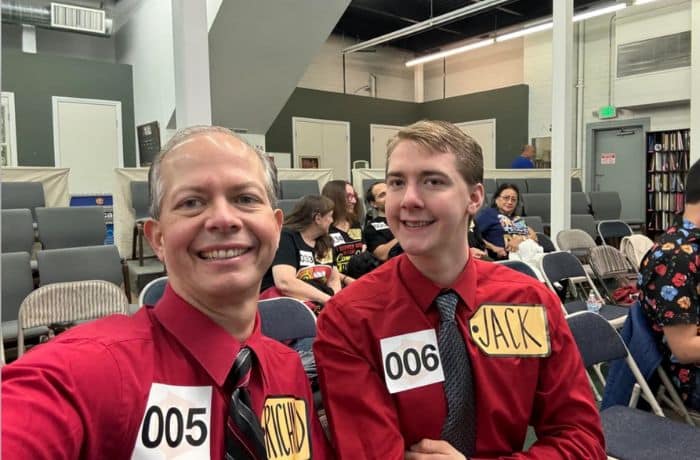
    Before appearing on the show, Jack’s dad (Richard) shared a photo of them both on Reddit waiting to see if they’d be chosen for The Price Is Right. He shared that Drew Carey greeted them and shook their hands.

    Richard noted that the host remembered the family business because he and his wife won the game show the day before. During their conversation, he asked Jack if he worked for the family business and inquired about whether or not he was going to college. Richard didn’t think they’d get chosen again, but he was wrong.
    The Price Is Right conetstants Richard and Jack - RedditReddit
    A number of fans were excited for Jack. However, many people were not thrilled about Drew Carey’s comments about his occupation.

    “Didn’t like Drew asking what the strangest thing labeled and then laughing at him saying ‘still talking about those octagon bottles,’” one fan commented. “He asked & then laughs & pokes fun about an exciting life. Not nice and not funny!” another wrote. “He’s a young guy following his father’s business. Still rude & not funny,” a third person agreed.

    “I didn’t like that either. I happened to be just tuning into the show right at that moment, so I did not hear the context. But it was not nice for Drew to poke fun at the young man like that. A joke at a contestant’s expense is never okay,” another viewer chimed in.

    Several people stood up for The Price Is Right host though, stating that he was making fun of Jack’s job and not Jack himself.

    What do you think about the comments Drew Carey made? Let us know in the comments below.

  • ESPN BLOODBATH Continues! MAJOR Star to be FIRED After CATASTROPHIC On-Air MISTAKE – Network in PANIC as Viewers FLEE and Advertisers THREATEN to PULL OUT! – News


    The Rationale Behind Demoting Doris Burke: Insights from ESPN Leadership


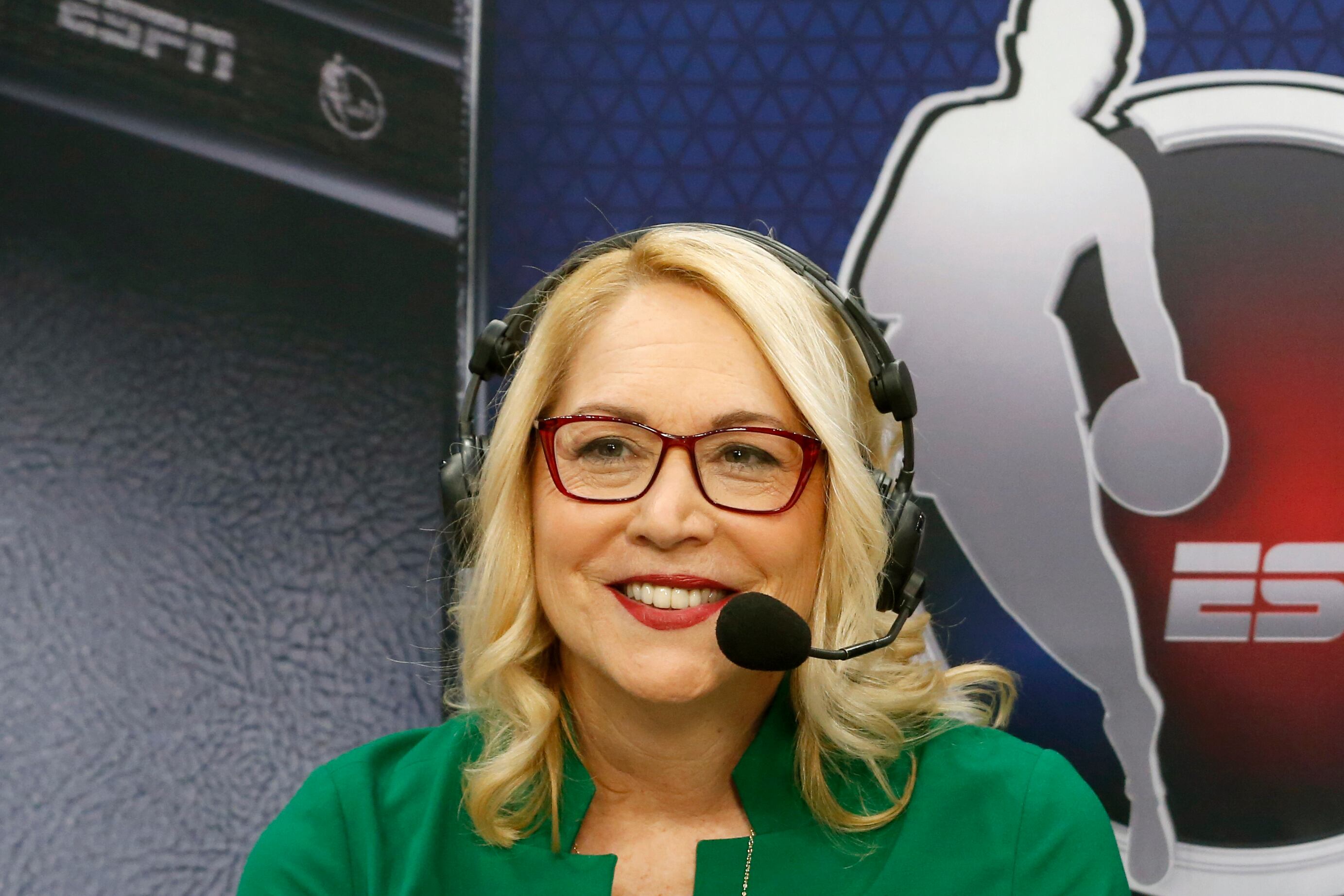
    In August 2025, ESPN made a surprising yet strategic move by demoting Doris Burke from the network’s premier NBA broadcast team.

    This decision, while unexpected to many fans and analysts, was clarified by Burke Magnus, ESPN’s president of content, during a recent podcast interview with The Athletic’s Richard Deitsch.

    Magnus emphasized that the change was not a reflection on Burke’s talent or professionalism but rather a calculated step toward optimizing the broadcast team’s chemistry and presentation.


    Burke, a trailblazer in sports broadcasting and a beloved NBA analyst, had spent two seasons alongside play-by-play announcer Mike Breen and a rotating cast of analysts, most recently Richard Jefferson.

    Despite her undeniable expertise and popularity, ESPN sought to find the ideal combination of voices that would elevate their NBA coverage to new heights.

    Magnus described Burke as “an A-plus-plus human being” and highlighted that the network extended her contract simultaneously with the announcement of her new role, signaling their continued confidence in her abilities.


    The decision to move Burke to ESPN’s No. 2 NBA team, where she will work with play-by-play announcer Dave Pasch, was rooted in the belief that her strengths shine brightest in a two-person commentary setup.

    Magnus stated, “We honestly believe that now with a little experience in the top team in a three-person arrangement, the best manifestation of Doris’ work is actually alone with a play-by-play person.”

    This adjustment aims to maximize Burke’s impact during high-profile games, ensuring that her insights remain a vital part of ESPN’s NBA coverage.

    Context and Career Highlights of Doris Burke


    Doris Burke’s journey to becoming one of the most respected voices in basketball broadcasting is nothing short of inspiring.

    A former high school basketball star from New Jersey, Burke transitioned into sports media and quickly made a name for herself with her sharp analysis and deep understanding of the game.

    Over the years, she broke barriers as one of the few female analysts in a male-dominated industry, earning widespread respect from fans, players, and colleagues alike.


    Burke’s tenure in ESPN’s top NBA booth began following the network’s 2023 mass layoffs, which included the departure of well-known analysts Mark Jackson and Jeff Van Gundy.

    Initially paired with Doc Rivers, who later left to coach the Milwaukee Bucks, Burke then worked alongside JJ Redick and Richard Jefferson before the recent reshuffle.

    Her ability to adapt and maintain high-quality commentary throughout these transitions has been a testament to her professionalism and expertise.


    The introduction of Tim Legler to the top broadcast team marked a new chapter for ESPN. Legler, a former NBA three-point specialist and long-time ESPN studio analyst, brings a fresh perspective and a wealth of basketball knowledge. Burke Magnus praised Legler’s extensive experience and communication skills, noting that his promotion was well-earned and anticipated by many within NBA circles.

    What This Means for ESPN’s NBA Coverage Moving Forward


    ESPN’s strategic reshuffling of its NBA broadcast teams reflects a broader effort to enhance the viewing experience for basketball fans. By aligning commentators whose styles and strengths complement each other, the network aims to deliver more engaging and insightful game coverage.

    Burke’s move to the No. 2 team does not diminish her role but rather positions her to continue calling significant and meaningful games throughout the season. ESPN’s production management, including Tim Corrigan and Mike McQuade, played a crucial role in determining the best fit for each commentator to ensure the highest quality presentation for marquee matchups such as the Conference Finals and NBA Finals.


    This approach also allows ESPN to leverage its deep talent pool across multiple broadcast teams, providing viewers with diverse perspectives and expert analysis regardless of which game they watch. Doris Burke’s presence on the No. 2 team guarantees that her voice remains a cornerstone of ESPN’s NBA coverage, delivering the insightful commentary that fans have come to expect.

    Conclusion


    ESPN’s decision to demote Doris Burke from the top NBA broadcast booth was a thoughtful and strategic move aimed at optimizing team chemistry and enhancing the overall quality of NBA game coverage.

    As ESPN continues to evolve its broadcast teams, Doris Burke remains a vital and respected figure in basketball analysis, poised to contribute significantly alongside Dave Pasch on the No. 2 team.

    For fans eager to stay updated on the latest in sports media and NBA broadcasting, following these developments promises exciting insights and expert commentary throughout the season.

    Stay informed on all things NBA and sports broadcasting by subscribing to our newsletter and never miss an update on your favorite analysts and game coverage!


    News

    TOM HOLLAND RUSHED to ER! Glasgow Set Accident Leaves Cast “STUNNED & SILENT” —Will Spider-Man Swing Back or Is Filming DOOMED? Doctors Spill the Truth…

    Tom Holland Injured and Rushed to Hospital: What is the Health Status of the Spiderman Star?       Actor…

    “TOTAL MAYHEM!” Aces vs. Fever Playoff Turns into ALL-OUT BRAWL—Elbows, Hard Fouls & Shocked Refs

    LAS VEGAS — Becky Hammon thought her Las Vegas Aces were too nice for a rough playoff battle. “You can’t…

    QUIZ SHOW BOMBSHELL! Paul Sinha ACCUSED of THROWING “Beat The Chasers” so 84-Year-Old GRAN could SNAG £30K —ITV BACKLASH IMMINENT!

    Beat The Chasers Fans Convinced Paul Sinha is in BIG Trouble with ITV After ‘Deliberately Letting Player Win’ by Throwing…

    “YOU WENT TOO FAR!”: Stephen Curry DESTROYS Killer Mike After INSULTS to Ayesha – Warriors GOAT Drops SAVAGE Receipts, Internet in MELTDOWN!

    Stephen Curry Confronts Killer Mike Over Comments About Wife Ayesha     In a recent public incident, NBA superstar Stephen…

    COLBERT BLASTS ABC OVER KIMMEL SUSPENSION: “This is OBVIOUS CENSORSHIP!” — Late-Night Wars ESCALATE as Stephen Colbert DEFENDS Jimmy Kimmel in Fiery On-Air Attack!

    Stephen Colbert Reacts to ABC ‘Indefinitely’ Suspending Jimmy Kimmel’s Late-Night Show     In a recent episode of “The Late…

    GMB SET STUNNED: John Stapleton’s SHOCKING Death Leaves Good Morning Britain in Complete Disbelief — Susanna Reid FIGHTS Back Tears as Richard Madeley Admits ‘I Just Can’t Wrap My Head Around It’ in Heartbreaking On-Air Moment!

    Susanna Reid fights back tears after death of ‘legendary’ Good Morning Britain star John Stapleton – as Richard Madeley admits…


    End of content

    No more pages to load

    Next page

  • Stephanie McMahon Finally Reveals What Hulk Hogan Did To Female Wrestlers! – News

    Hulk Hogan’s Dark Secrets Exposed: Stephanie McMahon’s Confession

    In the world of professional wrestling, where the spotlight and fame often obscure the darker sides, a recent interview has opened up secrets that many would never dare to imagine.

    Stephanie McMahon, one of the most powerful figures in the industry, has forcefully exposed Hulk Hogan’s shocking actions towards female wrestlers.

    Her words not only caused a stir but also sparked a major debate about the safety and rights of women in an industry that is already full of injustice.

    Hulk Hogan’s Shocking Actions

    In the interview, Stephanie did not hesitate to criticize Hulk Hogan, saying that he abused his power to manipulate and intimidate female wrestlers.

    “Hulk Hogan did terrible things that no one could imagine! He made many women live in fear and silence,” she said. This is not just a simple accusation; it is a cry from the hearts of those who have suffered in the shadows.

    Stephanie McMahon Finally Reveals What Hulk Hogan Did To Female Wrestlers!

    Victims’ Confessions

    Many female wrestlers have experienced terrifying situations while working with Hogan. They have faced pressure not only from him but also from an industry where the powerful are often protected.

    A prime example is Chyna, one of the most famous female wrestlers, who has shared her struggles working in an environment rife with sexism and abuse of power. Such stories are not only part of wrestling history but also a reminder of the need to speak out against misconduct.

    The Silence Is Scary

    Stephanie pointed out that the silence surrounding Hogan’s actions was not only due to the fear of female wrestlers but also from the system. “It’s time for the truth to come out! What happens in the dark can’t stay buried,” she asserted.

    This calls into question the responsibility of those at the top of the industry who may have known but chose to remain silent.

    Hulk Hogan Reveals Backstage Conversation with Stephanie McMahon at RAW  Netflix Debut

    Impact on the Industry

    These revelations not only affect Hulk Hogan’s reputation, but could have wider ramifications for the wrestling industry as a whole.

    If a prominent figure like Hogan fails to maintain integrity in his actions, it could lead to a breakdown in public trust in other leaders in the movement. Stephanie stressed that “we need to protect the vulnerable and ensure they don’t have to suffer any longer.”

    The Fight for Justice

    The fight to expose the truth is not just Stephanie’s responsibility, but the responsibility of everyone who loves and respects wrestling. Fans need to stand up and demand transparency from the figures they admire.

    “I will not let the victims suffer in silence!” Stephanie declared, asserting that this is a fight not only for female wrestlers but also for the future of the industry.

    Conclusion: A Brighter Future

    By exposing Hulk Hogan’s dark secrets, Stephanie McMahon is not only defending the victims but also paving a new path for change in the wrestling industry. This is a call for all of us: to stand up for truth, justice and the safety of those who have served and are serving this sport.

    We cannot allow wrongdoing to continue in silence. Let’s listen to the voices of those who have suffered and work together to build a future where every wrestler is respected and protected. Only by confronting the dark secrets can we hope for a more just and humane wrestling industry.

    News

    WWE Wrestlers Open Up About ALL Victims Hulk Hogan Groomed

    WWE Wrestlers Break Silence: Alarming Allegations Against Hulk Hogan Revealed In a shocking new video that has taken the wrestling…

    Hulk Hogan’s Daughter EXPOSES WWE Wrestlers In Court!

    Hulk Hogan’s Daughter Exposes Shocking Truths About WWE Wrestlers in Court In a stunning turn of events that has captured…

    Brock Lesnar’s New Revelations About Hulk Hogan Change Everything

    Unveiling the Truth: Brock Lesnar’s Shocking Revelations About Hulk Hogan In the world of professional wrestling, where the line between…

    WWE Wrestlers Who Slept With Other Wrestlers’ Wives

    Behind the Ropes: The Scandalous Affairs of WWE Wrestlers In the world of professional wrestling, where the drama unfolds both…

    Mike Tyson’s Silence and the Shadow of Charlie Kirk’s Death

    The news broke on a gray morning: Charlie Kirk was dead. For millions, it was a headline that flashed across their phones,…

    When ABC tried to bury Jimmy Kimmel’s voice behind a cash settlement, Pink wasn’t having it. The pop rebel grabbed the spotlight and fired off one line that sent the room into chaos — and within minutes, more than 80,000 reactions online turned her words into a cultural earthquake. What she said didn’t just defend Kimmel — it challenged the very idea of who gets to speak in America…

    Pink’s Bold Stand: Challenging Silence in the Wake of Jimmy Kimmel’s Cash Settlement In an unexpected turn of events that…


    End of content

    No more pages to load

    Next page

  • I Kept Quiet About My Fortune at My Daughter’s Wedding — Until She Called Me ‘Broke’ in Her Speech – News


    At my daughter’s wedding, I overheard her tell her rich mother-in-law, “She’s just a pathetic failure, nothing like you.” So, I stood up during toasts and played a message her deceased father had recorded before he died. The room fell completely silent. If you’re watching this, subscribe and let me know where you’re watching from.

     But, let me back up and tell you how I got to that moment. My name is Dorothy Williams, though most people call me Dot. I’m 68 years old and until two weeks ago, I thought my daughter Sarah respected me. I was wrong about a lot of things. It turns out the wedding was everything Sarah had dreamed of since she was 12 years old.

     The Asheford family estate in Connecticut with its manicured gardens and mansion that looked like something from a movie. 200 guests, a 12-piece orchestra, and enough flowers to stock a florist shop. Michael Ashford’s family had money, the kind that goes back generations, and Sarah had landed exactly what she’d always wanted. I’d driven up from my small apartment in Hartford that morning, wearing the navy dress I’d bought specifically for this occasion. It wasn’t designer, but it was respectable. At least I thought it was until I saw the other guests. The women

    wore clothes that cost more than my monthly rent, diamonds that could blind you, and that particular look of confidence that comes with never having to check your bank balance. Sarah looked absolutely stunning in her grandmother’s vintage Chanel dress that I’d carefully preserved for 40 years.

     The same dress I’d worn when I married her father, Frank, back when we thought love was enough to build a life on. She’d insisted on wearing it, and I was foolish enough to think it meant something sentimental to her. How naive I was. The ceremony was perfect, if you like that sort of thing.

     I sat in the second row, right behind Sarah’s college roommate and her husband. Patricia Ashford, Michael’s mother, sat in the front row, wearing pearls that probably cost more than my car. She’d been politely cold to me since we met 8 months ago. The kind of coldness that comes wrapped in good manners, but cuts just as deep.

     After the ceremony during the cocktail hour, I was standing near the terrace doors when I heard Sarah’s voice. She was talking to Patricia near the flower arrangements, probably thinking the music would cover their conversation. But I’ve always had excellent hearing, a blessing and a curse, as any mother will tell you. Don’t worry about her, Sarah was saying, glancing in my direction.

     She’s just a pathetic failure. Nothing like you. She’s never accomplished anything worthwhile. I mean, she worked at the public library for 30 years. Can you imagine anything more depressing? Patricia nodded approvingly. Well, at least she knows her place. Some people from simpler backgrounds can be so pushy about inserting themselves where they don’t belong. My hand tightened around my champagne glass.

     Simpler backgrounds, as if dignity and hard work were something to be ashamed of. I thought about the double shifts I’d worked to put Sarah through college. the sacrifices Frank and I had made so she could have music lessons and summer camps and all the opportunities we’d never had. That’s when I remembered the letter in my purse.

     Frank had given it to me a week before he died with strict instructions. If Sarah ever treats you badly, he’d said, his voice weak but determined. You read this out loud. Promise me, Dot. She needs to hear what I really thought about some things. I’d carried it with me ever since, never imagining I’d actually need to use it.

     But standing there listening to my daughter describe me as a pathetic failure to a woman who saw me as beneath her notice, I realized Frank had seen something coming that I hadn’t. He’d been watching Sarah change during his final months, and he hadn’t liked what he was seeing. The reception dinner was a blur of forced smiles and small talk.

     I sat at table 8, strategically placed far enough from the head table to be out of sight, but close enough to not be obviously exiled. My dinner companions were distant relatives of Michael’s family, who made polite conversation about the weather and the beautiful flowers, while carefully avoiding any questions about what I did for a living.

     I picked at my salmon and watched Sarah work the room like the politician she’d always wanted to be. She’d graduated from Yale with a degree in public relations and now ran social media campaigns for wealthy clients. She was good at it, I had to admit. She knew exactly how to present herself, how to make people feel important, how to say all the right things.

     Tonight, she was the perfect bride, gracious and radiant, and everything a rich family would want in a daughter-in-law. But I knew the real Sarah. The one who’d called me crying when her rent was due in college. The one who’d moved back home for eight months after a disastrous relationship in her 20s.

     The one who’d sat by Frank’s bedside during his final weeks, holding his hand and promising to take care of me after he was gone. Or so I’d thought. During the father-daughter dance, they played The Way You Look Tonight, Frank’s favorite song. Sarah danced with Michael instead since Frank wasn’t there to twirl her around the dance floor. her one last time.

     I watched her smile and laugh, apparently unbothered by his absence. When the song ended, she didn’t even glance toward the empty chair where I’d placed his photo. That’s when I knew I had to read Frank’s letter, not to hurt Sarah, but to understand what had happened to the daughter I thought I knew.

     I slipped away during the dancing and found a quiet corner in the mansion’s library. The Ashfords probably had more books than our entire town library, though I suspected most of them were for show. I pulled out the envelope Frank had given me, his handwriting shaky, but still recognizable across the front. For Dorothy, only if you need it.

    Inside was a single sheet of paper covered in Frank’s careful script. The date at the top showed he’d written it just 3 days before he died. My dearest dot, it began. If you’re reading this, it means Sarah has shown you who she’s become, not who she used to be. I’m sorry, sweetheart. I know this will hurt, but you need to know what I observed during my final weeks.

     My heart was already racing, but I forced myself to keep reading. Sarah has been different since she started seeing Michael. Not just happy different, but calculated different. She’s been asking questions about our finances, about my will, about what would happen to you after I’m gone. When I asked why, she said she was worried about your future.

     But I’ve been watching her dot and I don’t think worry is the right word. I felt a chill that had nothing to do with the air conditioning in the library. Yesterday, she brought me papers from something called Metobrook Manor, an assisted living facility. She said she’d been researching options for your future, places where you could be properly cared for after I died.

     She had brochures, pricing information, even a waiting list application. When I asked her why she thought you’d need assisted living at 68, she said it was just planning ahead. The letter continued for another page. Each observation more devastating than the last.

     Frank describing Sarah’s increasing impatience with his medical needs. Her comments about how expensive my medications were becoming. Her suggestions that perhaps I was getting too old to live alone safely. I changed my will, Dot. Everything goes to you now with instructions that she can’t contest.

     But more than that, I want you to know that the daughter we raised is still in there somewhere. She’s just lost her way. Don’t let her convince you that you’re a burden. You’re the best thing I ever did with my life. And if she can’t see that, it’s her loss. Not yours. The letter was signed simply forever yours, Frank, with a postcript that made my hands shake. P.S. I saw the Metobrook Manor brochure in her purse again today. She’s planning something. Dot. Don’t let her do it.

    When I finished reading, I sat in that elegant library surrounded by books that probably cost more than most people’s cars. And I finally understood why Frank had made me promise to use this letter if I needed to. He’d spent his final days not just fighting cancer, but protecting me from a daughter who saw his death as an opportunity rather than a loss. I rejoined the reception with Frank’s words echoing in my mind.

     His letter hadn’t contained shocking revelations or complex investigations, just the careful observations of a dying man who’d noticed his daughter’s growing coldness and selfishness. But those simple observations painted a picture that broke my heart. Sarah hadn’t suddenly turned cruel.

     She’d been planning my future without consulting me, researching ways to have me declared incompetent or unsafe to live alone. Frank had seen it happening and tried to warn me the only way he could. I watched Sarah accept congratulations from the guests, her smile bright and practiced. But now I could see what Frank had noticed.

     The way she calculated each interaction. The slight impatience when someone took too long to make their point. The careful way she steered conversations away from anything that might reflect poorly on her new status. Mrs. Williams. A young man appeared at my elbow. One of Michael’s cousins whose name I’d forgotten. Michael wanted me to make sure you were enjoying yourself.

    Can I get you anything? I smiled politely. I’m fine, thank you. It’s a beautiful wedding. The Ashford family certainly knows how to throw a party, he agreed, then lowered his voice. Though between you and me, it’s nice to see Michael settling down with someone so practical.

     After some of the socialites he used to date, Sarah seems refreshingly down to earth. Practical. Down to earth. If only he knew what my downto-earth daughter was planning for my immediate future. I thanked him and moved away, needing space to think. The irony was overwhelming. Here was Sarah, desperate to become part of high society, surrounded by people who appreciated her for the very qualities she was trying to shed.

     Her work ethic, her intelligence, her ability to connect with people, all things she’d learned growing up in a modest household with parents who valued character over status. But Frank’s letter had revealed something else. Sarah wasn’t just trying to fit in with the Ashfords. She was actively trying to distance herself from everything that reminded her of her origins, including me.

     I found myself studying the other guests with new eyes. The women Patricia’s age moved through the crowd with the confidence of people who’d never doubted their place in the world. They had the kind of security that comes from generational wealth, from never having to worry about mortgage payments or whether you could afford to retire.

     That’s what Sarah wanted. not just money, but the peace of mind that comes with never having to think about money. And in her mind, taking care of an aging mother was a liability that threatened that security. The reception was winding down, but I knew the real evening was just beginning.

     Frank had given me more than just his observations about Sarah’s plans. He’d given me permission to fight back if I needed to. And as I watched my daughter play her role as the perfect bride, I began to understand that I was going to need that permission. During the bouquet toss, Sarah looked directly at me and smiled.

     It was the first genuine attention she’d paid me all evening, and for a moment, I felt a flutter of hope. Maybe Frank had been wrong. Maybe his illness had made him suspicious of innocent behavior. Then I heard her conversation with Patricia as they stood near me afterward. “Thank goodness that tradition is over,” Sarah said, adjusting her veil. I was worried some desperate woman would knock you over trying to catch it.

     Patricia laughed. Well, at least your mother didn’t try. At her age, remarage would be rather pathetic, don’t you think? Oh, mom’s past all that, Sarah replied casually. She’s focusing on more age appropriate activities now. Quiet hobbies, simple routines. It’s probably better for her to accept the limitations that come with getting older.

    Limitations. At 68, I was supposed to accept limitations and fade quietly into the background while my daughter built her new life. Frank’s letter suddenly felt like a lifeline rather than a burden. He’d seen this coming, and he tried to protect me the only way he could. I had a choice to make.

     I could continue being the gracious, unobtrusive mother who didn’t embarrass her successful daughter. Or I could remember that I was Dorothy Williams, a woman who’d raised a child, built a career, and supported a husband through cancer treatment. A woman who deserved better than being written off as a pathetic failure by her own daughter.

     The next morning, I drove back to Hartford with my mind clearer than it had been in months. Frank’s letter had given me a different perspective on my recent conversations with Sarah, and I realized I needed to do some research of my own. My first stop was the public library where I’d worked for 30 years. Dot.

     Margaret hugged me warmly when I walked into the library Monday morning. How was the wedding? I want to hear everything about this fancy family Sarah married into. I’d always liked Margaret’s directness. She was 5 years younger than me, but had started working at the library the same week I did. Fresh out of library school and full of energy.

    We’d been friends through raises and budget cuts, difficult patrons and technology upgrades that left us both feeling ancient. It was quite an experience, I said carefully. Actually, I was hoping you could help me with something. I’m curious about assisted living facilities in Connecticut, particularly one called Metobrook Manor.

    Margaret raised an eyebrow, but didn’t ask questions. That was another thing I’d always appreciated about her. She understood that information was power and sometimes you needed to gather it before you knew exactly how you’d use it. An hour later, we’d compiled quite a file from public records and online reviews.

     Metobrook Manor was indeed exclusive and expensive, but it had something else that caught my attention. A program for asset protection that allowed residents to sign over their estates in exchange for guaranteed lifetime care. More interesting was what we found in the online reviews.

     Several families had complained about high pressure sales tactics about feeling rushed into decisions during emotional periods following a spouse’s death. The state had investigated the facility twice in the past 5 years for inappropriate marketing to vulnerable seniors. Well, Margaret said, printing out the last of our research, “This place certainly seems aggressive about acquiring new residents, and their asset protection program looks designed to separate seniors from their money.

    ” I thanked Margaret and drove home with a box full of documents that painted a very different picture of Metobrook Manor than Sarah’s brochures had suggested. But more than that, I had a plan forming in my mind. Frank’s letter was just the beginning. What I needed now was to understand exactly what Sarah was planning and why.

     That afternoon, I did something I hadn’t done in years. I called Sarah’s college roommate, Jennifer, who’d been at the wedding and had always been more forthcoming than Sarah about family gossip. Under the guise of wanting to send a proper thank you note to the Ashfords, I asked some casual questions about the family’s background.

     What I learned was enlightening. The Ashfords were indeed wealthy, but their money was relatively new. Michael’s grandfather had made his fortune in manufacturing after World War II. Patricia had married into the family 30 years ago, and according to Jennifer’s gossipy sources, she’d spent those decades carefully crafting their social position.

     “Sarah’s so lucky,” Jennifer confided. Patricia’s been taking her to all the right charity events, introducing her to the right people. She’s already talking about getting Sarah onto some museum boards. After hanging up, I sat in my small apartment and thought about what I’d learned. Sarah wasn’t just marrying into money.

     She was marrying into a social climbing project that had been going on for decades. And Patricia saw Sarah as a useful tool in that project, someone young and educated and presentable enough to help maintain their position in Connecticut society.

     But that still didn’t explain Sarah’s plans for me until I remembered something Frank had mentioned in his letter. Sarah’s increasing impatience with the cost of things. My medications, my apartment rent, the small expenses that came with having an aging parent. I pulled out my checkbook and looked at the records from the past year. Sarah had been right about one thing. My expenses had increased.

     new medications for my arthritis, higher insurance premiums, the cost of having my apartment painted when the management company raised the rent. Nothing dramatic, but the kind of steady increase that comes with aging. Then I realized what Sarah was really afraid of. It wasn’t that I needed assisted living now. It was that I might need expensive care in the future, and if I spent down my savings on long-term care, there would be nothing left for her to inherit.

     Frank’s letter had been about protecting me from Sarah’s immediate plans, but my own research had revealed something even more disturbing. My daughter saw me not as a person with needs and feelings, but as a financial liability that needed to be managed efficiently. That night, I made a decision that would have shocked the old Dorothy. I wasn’t going to wait for Sarah to make the next move.

     I was going to find out exactly what she was planning, and then I was going to decide what to do about it. Two weeks after the wedding, Sarah called to invite me to lunch. She sounded unusually warm and friendly, which immediately put me on alert. Sarah was never warm and friendly unless she wanted something. And after Frank’s letter, I had a pretty good idea what that something might be.

     We met at a trendy beastro in West Hartford, the kind of place that served small portions on large plates, and charged accordingly. Sarah looked radiant, still glowing from her honeymoon in Italy. She’d always photographed well, but marriage to Michael had given her a new confidence that was almost blinding. “Mom, you look tired,” she said, kissing my cheek before we sat down.

     “Are you sleeping okay? Eating enough? I’ve been worried about you living alone in that little apartment. I ordered a salad and listened to her talk about the honeymoon, about Michael’s family’s vacation home in the Hamptons, about the charity boards Patricia was helping her join. It was like listening to someone describe a life from a magazine.

     All perfectly arranged details designed to impress. Finally, after we’d ordered coffee and dessert, Sarah got to the point. Mom, Michael, and I have been talking, and we’re concerned about your future. That apartment you’re renting is so small, and the neighborhood isn’t getting any safer.

     We think it’s time you considered moving somewhere more appropriate for someone your age. Appropriate? I asked, keeping my voice neutral. well secure with medical services nearby, maybe some social activities. Sarah smiled brightly. Patricia knows about this wonderful senior community about an hour from our house. Very exclusive, very nice. The waiting list is usually years long, but they have a spot opening up next month. I set down my coffee cup carefully.

    Senior community, Sarah, I’m perfectly capable of living independently. Of course you are now, but it’s about planning ahead. And honestly, it would give us all peace of mind to know you’re somewhere safe. Sarah reached across the table and patted my hand. The best part is you wouldn’t have to worry about finances anymore.

     They have a program where you can transfer your assets and they guarantee care for life. There it was, the asset protection program I’d researched with Margaret. Sarah wanted me to sign over my inheritance, my savings, everything Frank had left me, in exchange for a room in an institution where she could visit occasionally and feel virtuous about taking care of her mother. That’s very thoughtful, I said slowly. But I’m not ready to make that kind of decision yet.

     I’m enjoying my independence. Sarah’s smile tightened slightly. Mom, I understand that it’s hard to admit when you might need help in the future, but Dad’s been gone for 3 years now. You can’t keep pretending you can handle everything on your own indefinitely. I’m not pretending anything.

     Sarah, I’m managing just fine, are you? Sarah’s voice took on a sharper edge. Because I’ve noticed you seem a bit scattered lately, forgetting appointments, missing calls. Patricia mentioned that you seemed confused at the wedding, out of place. I felt a flash of anger. I seemed confused because I was listening to you call me a pathetic failure.

     That tends to be disorienting. Sarah blinked, clearly not expecting me to confront her so directly. I never said that. You told Patricia I was a pathetic failure who’d never accomplished anything worthwhile. You said working at the library for 30 years was depressing. I kept my voice level. I heard you, Sarah.

     I That’s not You’re taking things out of context. Sarah looked genuinely flustered for the first time. I was just trying to reassure her that you weren’t going to be demanding or difficult by calling me a failure by explaining that you have realistic expectations about your place in our lives going forward.

     Sarah’s mask was slipping, revealing the calculation underneath. Mom, this isn’t about what you overheard. This is about being practical. You’re 68 years old. You need to start planning for the future. I signaled for the check and started gathering my purse. Sarah, I am planning for the future.

     I’m planning to live my life on my own terms for as long as I’m able. And when you’re not able, when you fall and break a hip or have a stroke or develop dementia, who do you think is going to take care of you? The question hung in the air between us, and I realized this was the heart of it. Sarah wasn’t worried about my current needs.

    She was terrified of my future needs. She wanted me safely warehoused where my aging wouldn’t inconvenience her new life. I’ll cross that bridge when I come to it, I said. But Sarah, when that time comes, I hope I’ll still have a daughter who sees me as a person worth caring about. Not just a problem to be solved.

    As I drove home, I thought about Frank’s final gift to me. Not just the letter warning me about Sarah’s plans, but the knowledge that he’d seen our daughter’s transformation happening and had tried to protect me from it. Sarah thought she was maneuvering me into a corner.

     What she didn’t realize was that she was actually revealing exactly how far she was willing to go to protect her new status. A month after Sarah’s lunch invitation, she called again. This time, I could hear voices in the background, and the formal tone in her voice told me she was performing for an audience. “Mom, we need to talk. Can you come over this evening? Michael and I have some family business to discuss with you.

    ” I agreed, though I suspected I knew exactly what kind of family business they had in mind. I spent the afternoon preparing, rereading Frank’s letter, and making sure I understood exactly what I was walking into. Sarah and Michael’s house in West Hartford was everything she’d always dreamed of.

     Colonial style, perfectly landscaped, in a neighborhood where the median income required two professional salaries and significant family money. Sarah had posted dozens of photos of it on social media, showcasing each room like a magazine spread.

     When I arrived, I found Sarah, Michael, and Patricia waiting in the formal living room. The staging was deliberate, with me seated alone on one side while the three of them faced me from the sofa. It felt like an intervention, which I supposed. Dorothy, Patricia began, her voice warm but authoritative. We wanted to talk to you about some concerns we’ve all been having. Sarah jumped in.

     Mom, you’ve seemed more forgetful lately. Missing appointments, not returning calls promptly. Small things, but they’re adding up. Michael nodded gravely. We think you might be experiencing some early cognitive changes. It’s nothing to be ashamed of, but it’s something we need to address proactively.

     I listened to their carefully rehearsed presentation with growing understanding. They’d constructed a narrative about my declining mental health. But unlike the fabricated examples I might have expected, these were subtle distortions of normal behavior. The missed appointment had been rescheduled by me due to a conflict.

     The unreturned calls were from telemarketers and Sarah’s friend Jennifer, not urgent communications. The good news, Patricia continued, is that we’ve been able to secure you a place at Metobrook Manor. They have an opening next week and we can arrange the transition quickly. All you need to do is sign these papers.

     Michael said, pulling out a folder of documents. Power of attorney, asset transfer agreements, healthcare directives, everything to make the transition smooth and protect your interests. I looked at the three of them. These people who thought they could manipulate me into signing away my life with exaggerated concerns about my mental capacity.

     Sarah sat there nodding encouragingly, playing the role of the concerned daughter while planning to inherit everything her father had left me. This is quite a production, I said finally. How long have you been planning this intervention? Sarah’s smile faltered slightly. Mom, this isn’t a production. We’re genuinely worried about you.

     Are you? I pulled out Frank’s letter, the envelope worn from being carried in my purse for weeks. Because I have something I think you’ll all find interesting. I unfolded the single sheet of paper, and began to read aloud. Frank’s careful observations about Sarah’s questions concerning my finances, her research into assisted living facilities, her growing impatience with the costs of having an aging mother. She brought me papers from something called Metobrook Manor.

     I read an assisted living facility. She said she’d been researching options for your future, places where you could be properly cared for after I died. Sarah went completely white. Michael frowned in confusion. Patricia’s composed expression didn’t change, but I saw her hands clench slightly in her lap.

     When I asked her why she thought you’d need assisted living at 68, she said it was just planning ahead, I continued. But I’ve been watching her dot, and I don’t think planning is the right word. As Frank’s letter continued detailing his observations about Sarah’s calculated approach to my future care, I watched my daughter’s face cycle through shock, panic, and finally a cold calculation I’d never seen before.

     When I finished reading, the silence in the room was absolute. Then Michael spoke. Sarah, is this true? Were you researching assisted living facilities while your father was dying? That’s when I realized this confrontation was just the beginning of something much larger. “That letter proves nothing,” Sarah said, but her voice shook.

     “Dad was sick, probably confused. He was seeing problems that weren’t there. I folded the letter carefully and put it back in my purse.” “Your father was many things, Sarah, but confused wasn’t one of them, especially not about something this important. Michael was studying the documents on the coffee table, the power of attorney forms, the asset transfer agreements, the Metobrook Manor paperwork.

     Sarah, when exactly did you start researching this place? I was just being prepared, Sarah said defensively. Someone had to think ahead about mom’s future needs. While your father was dying of cancer. Michael’s voice was quiet. But there was an edge to it I hadn’t heard before. You were planning to move your mother into assisted living while he was fighting for his life? Patricia tried to intervene.

     Michael, I think we should focus on Dorothy’s current situation rather than relitigating past decisions. Should we? I asked, turning to Patricia with interest. Because I did some research of my own after Sarah mentioned Metobrook Manor.

     Did you know they’ve been investigated twice by the state for aggressive marketing to vulnerable seniors? For the first time since I’d known her, Patricia looked genuinely uncomfortable. I’m sure any successful facility faces occasional regulatory reviews. Occasional reviews about pressuring grieving widows to sign over their assets immediately after their husband’s deaths. I pulled out the folder of public records Margaret had helped me compile because that’s what the state found.

     High pressure tactics, rush decision-making, families who felt manipulated into making permanent choices during temporary emotional crisis. Sarah grabbed for the papers. Where did you get these? Public records, Sarah. Amazing what you can find when you know where to look. I kept the documents out of her reach. The state licensing board, consumer protection agencies, online review sites, all freely available to anyone who bothers to investigate before signing their life away. Michael was reading over my shoulder now. Jesus, look at these

    complaints. Felt pressured to decide immediately. High pressure sales presentation. Regretted signing asset transfer agreement. Sarah, did you actually research this place or did someone recommend it to you? The silence that followed was telling. Finally, Patricia spoke.

     I may have mentioned that they had an excellent reputation in certain circles. certain circles being wealthy families looking to warehouse inconvenient relatives? I asked mildly. That’s a terrible thing to say,” Sarah snapped. “We’re trying to ensure you get proper care.” “No, you’re trying to ensure I don’t become a financial burden on your new lifestyle.” I stood up, feeling calmer than I had in months.

    “The difference is that proper care considers what I want, not just what’s convenient for you.” Michael was still studying the complaint documents. Mom, some of these families sued Metobrook. They accused the facility of elder abuse, of manipulating seniors into signing over assets they didn’t understand.

     Patricia’s composure was finally starting to crack. Those are isolated incidents. Every industry has a few bad actors. Are they? I asked. Because according to these records, Metobrook has a specific program targeting recent widows. They market to families during funeral planning, offer estate protection services, provide referrals through certain funeral homes and lawyers. I watched the three of them process this information. Sarah looked like she was going to be sick.

     Michael was angry, though I wasn’t sure if it was directed at his wife or his mother. Patricia was calculating, probably trying to figure out how to salvage the situation. Even if the facility has some problems, Sarah said desperately, that doesn’t change the fact that you need to plan for your future. You can’t live alone forever, Mom. Why not? I asked.

    I’m 68, not 88. I’m healthy, mentally sharp, and perfectly capable of making my own decisions about my living situation. But what if something happens? What if you fall or get sick or need help? Sarah’s voice was rising. You can’t expect us to drop everything and take care of you. There it was.

     The real fear underneath all the concern about my welfare. Sarah wasn’t worried about my current needs. She was terrified that my future needs might interfere with her carefully planned new life. I’m not expecting you to take care of me, Sarah. I’m expecting you to respect my right to make my own choices about how I want to live.

     Those choices affect other people, Patricia said sharply. Family decisions should be made collectively, considering everyone’s interests. everyone’s interests,” I repeated. “And what exactly are your interests in this situation, Patricia?” Patricia straightened in her chair, her social mask firmly back in place.

     “My interest is in seeing this family function harmoniously. Sarah is my daughter-in-law now, and that makes her welfare my concern.” And my welfare, does that concern you at all? Of course it does. Which is why we think Metobrook would be perfect for you. You’d have security, medical care nearby, social activities with people your own age. I had to admire her persistence.

     Even caught recommending a facility with a questionable reputation, she was still trying to sell me on the benefits of institutional living. Patricia, I said gently, I spent 30 years working at a public library. Do you know what that taught me? how to research things thoroughly, how to spot inconsistencies in people’s stories, and how to help people find information they need to make good decisions.

     Michael looked up from the complaint documents. What kind of inconsistencies? Well, for instance, when someone recommends a specific facility they claim to have researched, but all their information comes from marketing materials rather than independent sources. I looked directly at Patricia.

     or when someone is very eager to see a particular outcome but can’t explain why that outcome is important to them personally. Sarah tried to regain control of the conversation. Mom, you’re being paranoid. We’re trying to help you. Are you? Because help usually involves asking what the person wants, not telling them what they’re going to do.

     I sat back down, feeling like I was finally getting somewhere. Sarah, in all these conversations about my future, have you ever asked me what I actually want? I of course we want what’s best for you? That’s not what I asked. Have you asked me what I want? The silence stretched uncomfortably. Finally, Michael spoke. What do you want, Dorothy? I want to live in my own apartment for as long as I’m able.

     I want to make my own decisions about my health care, my finances, and my social life. I want to be treated like a competent adult, not a problem to be managed. I paused, looking at each of them at and I want my daughter to see me as a person worth respecting, not just an obligation to be discharged efficiently. Sarah’s eyes filled with tears. I do respect you. I just I’m scared, Mom.

     I’m scared something will happen to you, and I won’t know how to handle it. For the first time all evening, all I heard something genuine in her voice. Sarah, being scared is normal, but being scared doesn’t justify trying to control someone else’s life. I’m not trying to control your life.

     I’m trying to protect you from what? From making my own mistakes? From living independently? From having the dignity of making my own choices. I reached across and took her hand. Sweetheart, I’ve been taking care of myself for 68 years. I raised you. I supported your father through cancer. I managed a library budget and staff. Why do you suddenly think I’m incapable of managing my own life? Michael was nodding slowly.

    She has a point, Sarah. Your mother seems pretty sharp to me. Patricia tried one more time. But the financial protections at Metobrook are designed to protect the facility’s revenue stream, not the residents interests, I interrupted. Patricia, I may be old, but I’m not stupid. I can read financial documents, and I can spot a bad deal when I see one. Sarah wiped her eyes with her napkin.

     So, what happens now? You just go back to your apartment and pretend this never happened. I go back to my apartment and continue living my life. You go back to yours and stop trying to manage mine. I gathered my purse and stood up. And maybe if you can learn to see me as an equal rather than a dependent, we can rebuild some kind of relationship. But what if you do need help someday? Sarah asked. Then I’ll ask for it.

     and if you’re willing to provide it respectfully without trying to take over my life, maybe we can work something out.” I paused at the door. But Sarah, if I ever need care, it will be my decision how to handle it. Not yours, not Patricia’s, not some facility that sees me as a source of revenue. As I drove home, I realized that the evening had gone better than I’d expected.

     Frank’s letter had given me the ammunition I needed, but my own research had given me something more valuable, the knowledge that I was right to resist their pressure. More importantly, I’d seen a glimpse of the real Sarah underneath all the calculation. A young woman who was genuinely scared of the responsibilities that came with having aging parents.

     3 weeks later, Sarah called to ask if we could have coffee. Just the two of us, she said. No, Michael, no Patricia, no agenda about my living situation. I was skeptical, but curious enough to agree. We met at a small cafe near the library, neutral territory, where neither of us had the advantage. Sarah looked different, tired, less polished than usual.

     Her perfect composure had cracks in it that I’d never seen before. I’ve been thinking about what you said, she began without preamble. about not asking what you wanted, about treating you like a problem instead of a person. I waited, curious to see where this was going. I talked to a therapist about it, about why I was so fixated on getting you into that place.

     Sarah’s hands were wrapped around her coffee cup like she was trying to warm herself. She asked me when I started being afraid of you getting older. And when dad got sick, when I realized that loving someone doesn’t protect them from aging or dying or needing help, tears started forming in her eyes, I watched you take care of him.

     And I thought about how someday someone would have to take care of you. And I panicked. This was more honesty than I’d heard from Sarah in years. Why did that scare you so much? Because I didn’t think I could do it. I didn’t think I was strong enough or patient enough or good enough to take care of you the way you took care of him. Her voice broke completely.

     So, I convinced myself that the solution was to find someone else to do it. Someone professional, someone better at caregiving than me. I felt something shift in my chest. Not forgiveness exactly, but understanding. Sarah, no one expects you to be a professional caregiver. But what if you need help? real help, not just emotional support.

    She looked up at me with eyes that seemed much younger than her 32 years. What if you get sick like Dad did? Then we’ll figure it out together. But that doesn’t mean signing over my independence now just because something might happen later. I know that now. The therapist explained the difference between planning for possible futures and trying to control them.

     Sarah wiped her eyes with her napkin. She also pointed out that I was treating you like you were already incapacitated instead of like someone who could participate in planning for her own future. We sat in silence for several minutes. I thought about Frank’s letter, about the daughter he’d been trying to protect me from, but I could also see the daughter he’d raised. Scared, imperfect, but capable of growth. What about Patricia? I asked.

    And Michael? Michael was horrified when he really understood what we were planning. He said it reminded him of the way his grandfather’s business partners tried to pressure him into selling the company when he got dementia. Sarah managed a weak smile.

     Apparently, the Ashford family has some experience with people trying to take advantage of vulnerable seniors. And Patricia, Patricia is Patricia. She’s convinced this whole thing got blown out of proportion that we should have just handled the Dorothy situation more quietly. Sarah looked embarrassed. She actually said that. the Dorothy situation. I had to laugh. Well, at least she’s consistent. I’m sorry, Mom.

     I’m sorry for calling you a failure, for trying to warehouse you, for treating you like a burden instead of my mother. Sarah reached across the table and took my hand. I don’t know if I can be the daughter you deserve, but I’d like to try. You don’t have to be perfect, Sarah. You just have to see me as a person. I squeezed her hand.

     and maybe ask my opinion before making major decisions about my life. Deal. But mom, if you ever do need help, real help, not just the normal stuff that comes with aging, will you tell me? Will you let me be part of the solution instead of shutting me out? I considered this carefully.

     The old Dorothy would have promised to handle everything herself, to never be a burden. But Frank’s letter had taught me something about the cost of protecting people from difficult truths. I’ll tell you, I said finally. But Sarah, being part of the solution means respecting my choices, even if they’re not the choices you would make. I understand.

     As we prepared to leave, Sarah hesitated. Mom, there’s something else about Dad’s letter. I tensed, wondering if she was going to challenge its authenticity or accuse me of manipulating his words. I’m glad he wrote it. Not because of what it said about me, but because it meant he was still protecting you even after he was gone. Her voice was soft. I hope someday I’ll be smart enough to love someone that completely.

     Driving home, I realized that the woman I’d raised was still there underneath all the fear and calculation. It was going to take time to rebuild our relationship, and it would never be the same as it was before. But maybe with enough honesty and patience, it could be something better. 6 months later, I was reading in my favorite chair when my phone rang. It was Sarah calling with what had become our weekly check-in.

     Not to manage my life or push me toward any particular decision, but just to talk. How was your week? She asked, and I could hear genuine interest in her voice. Good. I had lunch with Margaret, went to the book club at the library, started reading that novel you recommended. I settled back in my chair back. Robert and I went to a concert on Saturday.

    There was a pause. Robert was still a relatively new development in my life, a retired English professor I’d met at the library’s lecture series. We’d been seeing each other for 3 months, taking things slowly and enjoying each other’s company. How are things going with him? Sarah asked carefully. very well.

     He’s intelligent, kind, and he treats me like an adult, capable of making my own decisions. I smiled, knowing Sarah would catch the reference to our earlier conversations. Amazing how refreshing that can be. I deserved that, Sarah laughed. But seriously, I’m glad you’re happy. You deserve someone who appreciates you.

     This was still new territory for us. Sarah showing genuine interest in my happiness rather than just my welfare. The therapy was helping, but more than that, she seemed to be discovering that having a mother with an independent life was actually more interesting than having one who existed solely to be managed.

     Speaking of appreciation, I said, “How are things with Michael and Patricia? Michael’s good. He’s been asking more questions about my family, about you and dad. I think meeting you made him realize that not all mothers-in-law are like his mother.” Sarah’s voice got quieter. Patricia is adjusting. She stopped mentioning assisted living facilities. At least that’s progress.

     She asked me last week if you were still harboring resentment about the Metobrook situation. I told her that you weren’t harboring anything. You’d simply learn to be more careful about trusting her judgment. I laughed. I bet that went over well, about as well as you’d expect. But Michael backed me up, which was good.

     He pointed out that trust has to be earned back after it’s been broken. We talked for another 20 minutes about books, about Sarah’s work, about Robert’s grandchildren and their upcoming visit. Normal family conversation, the kind we hadn’t had in years. When we hung up, I realized how much I’d missed this version of my daughter.

     The next morning, I was surprised to get a call from Michael. Dorothy, I hope you don’t mind me calling directly. I wanted to ask you something. Of course, what’s on your mind? I’ve been thinking about what happened last year with the whole Meadowbrook situation. I realize I didn’t handle it very well.

     I let my mother push an agenda that wasn’t in your best interests. I waited, curious where this was going. I wanted you to know that Sarah and I have talked about it extensively. We’ve agreed that any future decisions about family matters will include you as an equal participant, not just someone whose life gets planned by other people. I appreciate that, Michael.

     There’s something else. Sarah mentioned that you might be interested in traveling more now that you’re not worried about us pressuring you into assisted living. This was news to me. She did? She said you’d always wanted to see Ireland but never had the chance.

     Patricia and I are planning a family trip to Europe next spring and we’d like you to join us as our guest. I was quiet for a moment processing this unexpected invitation. That’s very generous, Michael. But before you say no, let me explain. It wouldn’t be a family obligation trip where you’d have to keep up with our schedule or pretend to enjoy activities you don’t like. We’d plan some things together, but you’d have plenty of independence to explore on your own.

     And Patricia is on board with this. Michael laughed. Patricia suggested it. Actually, I think she’s finally figured out that having a happy, independent mother-in-law reflects better on the family than having one who feels pushed around and resentful.

     After we hung up, I sat in my apartment thinking about how dramatically my life had changed in the past year. 12 months ago, Sarah had been planning to put me in an institution and take control of my assets. Now, she was encouraging me to travel internationally and including me in family plans as an equal participant. The difference wasn’t just in Sarah’s attitude. It was in my own willingness to stand up for myself.

     Frank’s letter had given me permission to fight back, but the real change had come from recognizing my own worth and refusing to accept treatment that diminished it. A year later, I was packing for Ireland when Sarah arrived at my apartment with coffee and pastries from my favorite bakery. “Excited about tomorrow?” she asked, settling into the chair across from my sofa. “Nervous and excited,” I admitted.

     “It’s been a long time since I traveled anywhere more exotic than Hartford. You’re going to love it. And mom, I’m really glad you said yes to the trip. I looked up from folding sweaters. Sarah, can I ask you something? Can I ask you last year when you were so determined to get me into Metobrook, were you really worried about my safety? Or were you more worried about the inconvenience of having an aging parent? She was quiet for a long moment. Honestly, both.

     I was scared something would happen to you, but I was also scared of how that would affect my life with Michael. I wanted the peace of mind that comes with knowing someone else was handling the hard stuff. And now, now I realize that the hard stuff is part of loving someone.

     You can’t just outsource the difficult parts of relationships and expect the good parts to remain meaningful. She smiled. Besides, you’ve proven pretty conclusively that you don’t need to be handled by anyone. I laughed, thinking about everything that had led us to this point. Frank’s letter warning me about Sarah’s plans.

     my research into Metobrook Manor, the confrontation in Sarah’s living room, where I’d finally stood up for myself, the months of therapy and honest conversations that had followed. You know what your father would say about all this? I asked. What? He’d say the best gift he ever gave me wasn’t the letter warning me about your plans. It was teaching me that I was worth fighting for.

     Sarah’s eyes filled with tears. I think he’d be proud of both of us. you for standing up for yourself and me for finally learning to see you as a person instead of a problem. He’d definitely be proud, I agreed, and probably relieved that he doesn’t have to haunt Patricia for recommending questionable senior living facilities.

     We both laughed at that image. Patricia had indeed adjusted her approach to our family dynamics, though I suspected it was more about maintaining her social position than any genuine change of heart. But that was fine with me. I didn’t need Patricia to love me. I just needed her to respect my autonomy. Mom, there’s something I want to say before you leave for Ireland.

     I stopped packing and gave her my full attention. Thank you for not giving up on me. When you played Dad’s letter that night, you could have just exposed what I was planning and walked away. You could have written me off as a selfish daughter who didn’t deserve a relationship with you. I thought about it, I said honestly. But you didn’t. You gave me the chance to understand what I’d become and choose to be better.

     Not everyone would have done that. I sat down next to her on the sofa. Sarah, you’re my daughter. Not because you’re perfect, but because we’re family. Real family doesn’t disappear when people make mistakes. It just requires everyone to work harder at being honest with each other. I love you, Mom.

     Not for what you can do for me or what you represent in my life, but because you’re Dorothy Williams, a woman who worked for 30 years at a job she loved, who raised a difficult daughter with patience and grace, and who had the courage to fight for her own dignity when everyone around her was trying to take it away.

     As we hugged goodbye, I thought about the journey that had brought us here. The pain of hearing my daughter call me a pathetic failure. The fear of losing my independence to someone else’s convenience. the discovery that I was stronger and more valuable than I’d allowed myself to believe. Frank’s letter had started it all.

     But the real victory had been learning to see myself the way he’d always seen me, as a person worth respecting, worth fighting for, worth loving exactly as I was. Tomorrow I’d board a plane for Ireland, not as a burden being managed by my family, but as Dorothy Williams, a 69-year-old woman embarking on an adventure she dreamed about for decades. Some victories don’t come with fanfare or celebration.

    Sometimes the greatest triumph is simply the quiet satisfaction of knowing you refused to disappear when everyone around you was trying to make you invisible. And that I thought as I finished packing was exactly the kind of legacy Frank would have wanted me to create. Thanks for listening.

     Don’t forget to subscribe and feel free to share your story in the comments. Your voice matters.


  • AFTER MY HUSBAND’S FUNERAL, I WENT TO MY SISTER’S SON’S FIRST BIRTHDAY PARTY, AND SHE ANNOUNCED…. – News


    After my husband’s funeral, I went to my sister’s son’s first birthday party. And she announced, “My son, I your husband’s child. So, as inheritance, I’ll take half of your $800,000 house.” She even showed me his will. I said, “Oh, I see.

    ” And tried to hold back my laughter because my husband, my name is Bridget, and at 34 years old, I never expected to be a widow. 3 months ago, I lost Adam, my husband of 11 years, to a sudden aneurysm. Just days after his funeral, I dragged myself to my nephew Lucas’s first birthday party, where my sister Cassandra dropped a bomb.

     She announced that Lucas was actually Adam’s son, showing everyone a will, claiming half of my $800,000 house. What she did not know was why I could barely hold back my laughter. If you are watching this from somewhere where family drama hits close to home, take a moment to like and subscribe. Trust me, you will want to hear how I handled what came next.

     Adam and I met 12 years ago at a charity auction benefiting children with cancer. I was volunteering helping organize the silent auction items when he outbid everyone else for a painting I had been admiring all night. It was a watercolor of the Boston skyline at sunset. Vibrant oranges and purples bleeding into the harbor. After winning, he walked straight over to me and handed it over.

    “I noticed you looking at this all night,” he said with a smile that made his blue eyes crinkle at the corners. I think it belongs with you. That was Adam. Thoughtful, observant, and generous to a fault. I fell hard and fast. We went on our first date the next evening, and it felt like we had known each other our entire lives.

     He was a corporate attorney, brilliant but humble, the kind of man who remembered the names of weight staff and asked genuine questions about their lives. 8 months after we met, he proposed on the harbor with the actual skyline mirroring the painting that brought us together.

     We bought our Victorian home in Beacon Hill shortly after our first anniversary. It was a stretch financially at $800,000, but Adam had just made partner at his firm, and I was building a solid reputation as an interior designer. The house needed work, but it had good bones, high ceilings, and a small garden out back where I envisioned future children playing.

     Those children never came, not for lack of trying. For years, we charted and planned and hoped. Then came the doctors, the tests, the procedures, four rounds of IVF that drained our savings and our spirits. I still remember the last failed attempt, the quiet drive home from the clinic.

     Adam reaching across the console to hold my hand, neither of us speaking because we both knew that was the end of that road. We can still have a beautiful life,” Adam said that night as we sat on our porch swing. “You and me, that is enough.” And he meant it. We slowly rebuilt our dreams. We traveled. We poured ourselves into our careers. We renovated the house room by room until it was the showcase home I had always imagined.

    Adam supported my business when I decided to launch my own interior design firm. Our life was full, if different, than what we had first planned. My younger sister, Cassandra, was always in the periphery of our happiness. Four years younger than me at 30, she had always been the wild child of the family.

     While I was studying design and building a business, she was bouncing between jobs and relationships. Our parents constantly worried about her, which translated to them making excuses for her behavior and bailing her out of financial troubles repeatedly. Cassandra and I had a complicated relationship from childhood.

     She was undeniably beautiful with the kind of effortless charm that drew people to her, but there was always an undercurrent of competition from her side. If I achieved something, she needed to oneup me. When I started dating Adam, she suddenly became interested in law students. When we bought our house, she complained for months about her apartment fishing for our parents to help her upgrade.

     It was exhausting, but Adam encouraged me to maintain the relationship. She is your only sister. He would remind me. Family is important. Two years ago, Cassandra started dating Tyler, a bartender she met while out with friends. He was handsome in a rugged way with tattoos covering his arms and a motorcycle that our parents disapproved of.

     Their relationship seemed volatile from the outside with dramatic breakups and passionate reconciliations. Then came the pregnancy announcement at Thanksgiving dinner the year before Adam died. It was unexpected to say the least. I was living into societal expectations.

     Yet there she was announcing her pregnancy with theatrical tears and declarations about the miracle of life. I felt the familiar sting of jealousy. After all our struggles, all our heartbreak, Cassandra had accidentally achieved what we had desperately wanted. But I pushed those feelings down. I was genuinely happy for her, and I was determined to be the best aunt possible to her child.

     Lucas was born a healthy 8 lb 4 oz. I was at the hospital with flowers and a handmade blanket I had spent months knitting. Cassandra seemed overwhelmed by motherhood from the start, often calling me in tears about Lucas’s collic or her exhaustion. I stepped in as much as I could, sometimes watching Lucas overnight so she could sleep. Adam was less involved with Lucas than I was.

     In retrospect, I thought it was because of our own infertility struggles that it might be painful for him to bond with a baby that was not ours. He was always kind when Cassandra brought Lucas over, but he maintained a certain distance that I never questioned at the time. Then came that terrible Tuesday morning. Adam complained of a headache before leaving for work.

     I suggested he stay home, but he had an important client meeting, just a migraine. He insisted kissing me goodbye. I will call you after the meeting. That call never came. Instead, I got one from the hospital. By the time I arrived, he was already gone. Brain aneurysm. They said nothing could have been done. He was 36 years old.

     The next days passed in a blur of arrangements and grief. Cassandra was strangely absent during most of it, sending text messages claiming Lucas was sick or she could not find a babysitter. When she did appear at the funeral, she stayed briefly, keeping to herself and leaving before the reception.

     I was too numb with grief to think much of it at the time. One week after we laid Adam to rest, Lucas’s first birthday arrived. The last thing I wanted to do was attend a children’s birthday party, but family obligations pulled at me. “Adam would want you to go,” my mother insisted during one of her daily check-in calls. “He always said, family comes first.

    ” So, I found myself driving to Cassandra’s small rental house in a less desirable part of town. A wrapped gift on the passenger seat and dark circles under my eyes that no amount of concealer could hide. I had barely slept since Adam died, spending nights staring at his empty side of the bed, reaching for a warmth that was no longer there.

     I parked behind a line of cars and took several deep breaths before grabbing the gift and heading inside. No one should have to fake happiness so soon after losing their husband, I thought, but I plastered on a smile and knocked on the door. Cassandra’s friend, Jenna, opened it, her eyes widening slightly at the sight of me.

     “Oh, Bridget, you made it,” she said, her voice oddly strained. She glanced over her shoulder before stepping aside. Come in. Everyone is in the backyard. The small house was decorated with blue balloons and streamers. A banner reading, “Happy first birthday.” Lucas stretched across the living room wall.

     I noticed a group of people I did not recognize clustered in the kitchen, whispering. They fell silent as I passed their eyes following me. In the backyard, more guests stood in small groups, plastic cups in hand. I spotted my parents sitting awkwardly at a picnic table looking uncomfortable. My father stood when he saw me relief washing over his face. “Bridget,” he said, embracing me.

     “We were not sure you would come.” “Of course I came,” I replied, setting the gift on the designated table. “Where is the birthday boy?” With Cassandra, my mother said, not quite meeting my eyes. “They should be out soon for the cake.” I mingled awkwardly, accepting condolences and deflecting questions about how I was holding up.

     Everyone seemed on edge conversations stopping abruptly when I approached. I chocked it up to people not knowing how to act around a newly minted widow. After 30 uncomfortable minutes, Cassandra emerged from the house carrying Lucas on her hip. She was wearing a new dress I had never seen before. Her hair freshly highlighted.

     Lucas looked adorable in a little button-up shirt and bow tie, his chubby legs kicking with excitement at all the attention. Cassandra barely acknowledged me as she placed Lucas in his high chair. She seemed energized, almost giddy, moving around the yard with an unusual confidence. The guest experienced a spoon against her cup calling for everyone’s attention.

     “Thank you all for coming to celebrate Lucas’s special day,” she began her voice carrying across the yard. “This past year has been full of surprises and challenges, as many of you know.” The guests exchanged glances. “My mother suddenly became very interested in her shoes. I have been keeping a secret.

    ” Cassandra continued placing a hand on Lucas’s head. one that I can no longer hide, especially after recent events. A chill ran down my spine. Something was very wrong. Lucas is not Tyler’s son,” she announced. Her eyes finding mine across the yard. “He is Adams.” The world seemed to stop. I heard gasps around me, felt my father stiffened beside me, but it was all background noise to the rushing in my ears.

    Bridget’s husband and I had a brief affair 2 years ago. Cassandra continued her voice steady and rehearsed. It was a mistake, a moment of weakness for both of us. We never meant to hurt anyone, but these things happen. I stood frozen, unable to process what I was hearing.

     My sister was claiming she had slept with my husband, that her son, the nephew I had lovingly cared for, was actually Adam’s child. It was so absurd that I almost laughed out loud. Cassandra was not finished. She reached into her purse and pulled out a folded document. Adam knew the truth about Lucas. Before he died, he updated his will. She held up the paper. He wanted his son to be provided for.

     This will states that half of the house Adam and Bridget owned should go to Lucas as his biological child. Every eye in the yard turned to me. I could see the pity, the morbid curiosity, the discomfort. My parents looked strick and my father half standing as if unsure whether to intervene.

     And then to everyone’s surprise, including my own, I felt a smile tugging at my lips. Not a happy smile, but the kind that comes when something is so outrageously false that it becomes almost comical. I pressed my lips together, trying to contain the inappropriate laughter bubbling up inside me. “Oh, I see,” I said finally, my voice calm and even.

     I took a sip of water to buy time to push down the urge to laugh in my sister’s face. “May I see this will Cassandra?” Her confident expression faltered slightly. She clearly had not expected this reaction. Slowly, she walked over and handed me the document, a typed page with what appeared to be Adam’s signature at the bottom.

     I scanned it quickly, noting inconsistencies immediately. The formal language was all wrong. Nothing like the legal documents I had seen Adam bring home. And the signature, while similar to Adams, was clearly forged. The connecting stroke between the A and D was wrong. The final flourish too pronounced. I carefully folded the paper and handed it back to her.

     Thank you for sharing this with me. I think I need to go now. That is it? Cassandra asked, confusion evident in her voice. You are not going to say anything else. Not right now, I replied calmly, gathering my purse. This is Lucas’s day. We can discuss this privately later. I said goodbye to my shell shocked parents promising to call them soon. As I walked to my car, I could hear the murmurss behind me.


    Generated image


     The party atmosphere completely shattered. Once inside my car safely out of view, I finally let out the laugh that had been threatening to escape. It started small, then grew until tears were streaming down my face. Not tears of joy, but a strange mix of grief, anger, and incredulous disbelief at my sister’s audacity.

     Because there was something Cassandra did not know. Something Adam and I had never shared with anyone. Something that made her elaborate lie not just hurtful, but impossible. The truth about Adam and Cassandra began 3 years ago, long before Lucas was even conceived. We had invited my sister over for dinner to celebrate her new job at a marketing firm.

     her longest employment to date. Adam had prepared his famous lasagna and we had opened a good bottle of wine. It was a pleasant evening until I excused myself to take a work call from a client having a design emergency. The call took longer than expected, nearly 20 minutes of talking a wealthy client through hanging artwork.

     When I returned to the dining room, the atmosphere had changed. Adam looked uncomfortable and Cassandra was sitting much closer to him than when I had left her hand on his arm, laughing at something I had not heard. I thought nothing of it at the time. Cassandra had always been affectionate and the wine had been flowing freely.

     But later that night, as we were getting ready for bed, Adam seemed troubled. “There is something I need to tell you,” he said, sitting on the edge of our bed. “And I do not want it to cause problems between you and your sister, but I also do not want to keep secrets from you.” He explained that while I was on the phone, Cassandra had made a pass at him.

     Nothing dramatic, just inappropriate comments about how lucky I was to have him, followed by a suggestion that he deserved someone who could truly appreciate him. When he had rebuffed her, she laughed it off as a joke, saying I was too sensitive if he thought she was serious. I was hurt, but not entirely surprised. Cassandra had always pushed boundaries.

     We decided to let it go as an isolated incident, something caused by wine and her usual competitive nature, but it was not isolated. Over the next few months, Cassandra found ways to touch Adam whenever I was not looking. sent text messages that walk the line between friendly and flirtatious and once showed up at his office uninvited asking him to lunch.

     Each time Adam gently but firmly maintained boundaries and told me immediately afterwards after the office incident, we confronted my parents about Cassandra’s behavior. It did not go well. They suggested Adam was misinterpreting friendly gestures and that Cassandra just looked up to him as a brother.

     My mother even suggested with good intentions but terrible judgment that perhaps Adam was feeling flattered by the attention and exaggerating the situation. That night, Adam and I made a decision. We would create distance from Cassandra without causing a family rift. We declined invitations that included her, made sure we were never alone with her, and Adam blocked her number on his phone after she sent a particularly suggestive late night message. Then came the medical issue that changed everything.

     Adam had been experiencing pain for weeks before finally seeing a urologist. The diagnosis was a varicile, a enlargement of veins within the scrotum requiring surgery. The procedure went well, but there was a complication the doctor recommended a vasectomy during the same surgery due to the extensive nature of the varicose and potential for recurrence.

     It was a difficult decision, especially given our past fertility struggles, but we agreed it was the right choice for Adam’s health. The vasectomy was performed 2 years before Lucas was conceived. We kept this medical information private. Even our parents did not know. After years of invasive questions about our childless status, we had learned to protect our privacy around reproductive issues.

     The only people who knew were Adam, myself, and Adam’s doctors. After the surgery, as Adam was recovering, he made a prediction that seemed paranoid at the time. Cassandra is not done, he said, sitting in our garden with a ice pack discreetly positioned. I have a feeling she might try something more drastic one day.

     I laughed it off, but Adam was serious. The next week, he scheduled an appointment with our family attorney, James Wilson. I went with him, listening as Adam detailed Cassandra’s behavior and his recent medical procedure. James recommended documenting everything, the unwanted advances, the medical records confirming the vasectomy, even text messages and emails from Cassandra. You never know what might become relevant.

     James advised better to have documentation and never need it than wish you had it later. We followed his advice creating a file of everything related to the situation. Adam also updated his will properly through official channels making sure everything would come to me in the event of his death. James kept copies of all documents and we placed the originals in a safety deposit box at our bank.

     Just in case Adam had said when we locked the box though, I plan to be around to deal with any of Cassandra’s drama for at least another 50 years. The morning after Lucas’s birthday party, I drove straight to the bank. The manager, who had known Adam and me for years, expressed condolences as he led me to the vault.

     I sat alone in the small viewing room and opened the box Adam and I had filled with what he jokingly called our disaster preparation kit. Inside was exactly what I needed. Adam’s legitimate will notorized and properly executed, leaving everything to me. medical records detailing his vasectomy two years before Lucas’s conception, making it biologically impossible for him to be the father.

     A journal Adam had kept documenting every inappropriate interaction with Cassandra, including dates, times, and exact quotes, printed copies of text messages she had sent him, a letter from our attorney confirming that he had witnessed Adam’s legitimate will and was available to verify its authenticity. And at the bottom of the box, a sealed envelope with my name written in Adam’s familiar handwriting.

     With trembling fingers, I opened it and began to read. My dearest Bridget, if you are reading this, something has happened to me, and you have needed to access these documents. I hope it is many years from now when we are old and gray and Cassandra’s antics are nothing but a distant memory we laugh about.

     But if not, if the worst has happened and she has tried to hurt you in my absence, please know that I tried to prepare for every possibility. Use these documents to protect yourself. I know how much you value family, how loyal you are to those you love. But you deserve to be protected from those who would take advantage of that beautiful heart of yours.

     I love you beyond words, beyond time. Whatever happens, know that, Adam. Tears streamed down my face as I read his words, feeling his love and protection reaching out to me even after death. My practical, thoughtful husband had anticipated this. Not the specific scenario perhaps, but the possibility that Cassandra might try to use his death to her advantage.

     I carefully returned everything to the box except what I needed, copies of the medical records, the legitimate will, and selected journal entries. Then I called James Wilson and scheduled an appointment for that afternoon. James Wilson’s law office was in a converted brownstone in downtown Boston, the kind of place that exuded old money and discretion. I had only been there a handful of times with Adam, but the receptionist recognized me immediately.

    her expressions softening with sympathy. Mrs. Preston, she said, standing to greet me. Mr. Wilson is expecting you. Please accept my condolences for your loss. James was in his 60s with silver hair and reading glasses perched on the end of his nose.

     He had been Adam’s mentor when Adam first joined the firm, and they had maintained a close friendship even after Adam moved to a different practice. He stood when I entered, coming around his desk to embrace me briefly. “Bridget,” he said, gesturing for me to sit. I was devastated to hear about Adam. He was one of the good ones. He was, I agreed, my voice catching slightly, and it seems he was also right about preparing for the worst with my sister.

     I explained what had happened at the birthday party, showing him the forged will Cassandra had presented. James examined it, his expression growing increasingly concerned. “This is an amateur-ish forgery,” he said finally. “The language is all wrong, and the signature, while similar, would never stand up to expert analysis. But the fact that she created this at all is deeply troubling.

     I showed him the documents from the safety deposit box, the medical records confirming Adam’s vasectomy, the legitimate will, and Adam’s journal documenting Cassandra’s behavior over the years. Adam was nothing if not thorough, James said, reviewing the materials. These medical records alone disprove her claim about Lucas’s paternity.

     The vasectomy was performed two years before the child was conceived. It is biologically impossible for Adam to be the father. What should I do? I asked. I do not want to humiliate her publicly, but I cannot let her take half of our home based on a lie. James leaned back in his chair. Considering first, we need more information.

     I recommend hiring a private investigator to look into Cassandra’s current situation. There is likely a motivation beyond simple cruelty here. People rarely attempt fraud of this nature without financial pressure. He recommended Frank Delaney, a former police detective who now worked as a private investigator, often on cases for the firm.

     I agreed, and James made the call immediately explaining the situation in broad strokes. Frank arrived an hour later, a stocky man with a Boston accent and nononsense attitude. He took detailed notes as I explained the situation, asking pointed questions about Cassandra’s relationship, history, employment, and financial status. I realized how little I actually knew about my sister’s current circumstances.

    We had grown further apart since Lucas’s birth, with my attempts to be involved as an aunt often rebuffed or taken for granted. “I will need a few days,” Frank said when I had finished. “My preliminary focus will be on her financial situation and relationship with the child’s actual father.

    ” “Is there anything else you can tell me about him?” I shared what little I knew about Tyler, the bartender Cassandra had been dating when she became pregnant. I had only met him a handful of times and he had seemed uninterested in family gatherings. Last I heard they were still together, but she rarely mentions him anymore.

     I said he was not at the party yesterday, which I thought was strange for the father of the birthday boy. Frank nodded, making another note. That is a good starting point. I will be in touch soon. 3 days later, Frank called requesting a meeting at James’s office. When I arrived, both men were reviewing documents spread across the conference table. Mrs.

     Preston Frank began once we were seated. I have uncovered some concerning information about your sister’s situation. According to his investigation, Cassandra was in dire financial straits. She had accumulated over $75,000 in debt spread across credit cards, personal loans, and medical bills for Lucas, who had needed surgery for a heart defect shortly after birth.

     Her credit score was abysmal, and she had been rejected for three additional loans in the past month alone. She is also facing eviction. Frank continued sliding a document across the table. This is a copy of the notice her landlord filed last week. She has until the end of the month to pay four months of back rent or vacate the property.

     As for Tyler, he had apparently abandoned Cassandra and Lucas shortly after the birth, moving to Seattle with a new girlfriend. He was paying minimal child support, barely $200 a month, and even that irregularly. I also found these, Frank said, producing printouts of text messages. She has been telling friends about her plans to claim part of your house for weeks. These are messages between her and a friend named Jenna.

     I recognize the name as the woman who had opened the door at the party. The messages were damning. Adam’s death is terrible, but maybe it’s finally my chance to get what I deserve. That house is worth at least 800 Kelvin now. If I play this right, I’ll have a nice nest egg for Lucas and me. The will is almost ready.

     My friend Dave is good with Photoshop and found a sample of Adam’s signature online from some charity auction. It looks totally legit. Bridget has always been the golden child. Time for me to get my share. She got 11 years with a great guy. The least she can do is share the wealth now that he’s gone. I felt physically ill reading the calculated coldness of my sister’s words.

     This was not just opportunism. It was premeditated fraud designed to capitalize on my grief. There is more,” Frank said gently. “I ran a background check on Tyler Martin, the actual father. He has a history of domestic violence charges from a previous relationship and currently has a warrant out for unpaid child support for another child in New Hampshire. He is not someone you would want around your nephew.

    ” I sat in stunned silence trying to process everything. My sister was not just desperate. She was willing to destroy Adam’s reputation and our marriage to solve her financial problems. and her choice in partners had put Lucas in a potentially dangerous situation. What do I do with all this? I asked looking between James and Frank. I cannot just expose all of this publicly. Lucas is innocent in all of this.

     He is still my nephew. James removed his glasses, rubbing the bridge of his nose. You have several options, Bridget. We could file charges against Cassandra for attempted fraud and forgery that would likely result in criminal penalties for her, possibly even jail time given the amount of money involved. or he continued seeing my distress.

     We could handle this privately. Confront her with the evidence, require her to retract her claims, and potentially work out an arrangement that protects both you and the child. I left the meeting with a heavy heart and a folder full of evidence. That evening, I called my therapist, Dr.

     Laurel Chen, whom I had been seeing since Adam’s death, and scheduled an emergency session. In her calm, plant-filled office, I unloaded the entire situation. I am so angry I can barely see straight, I admitted. But Lucas is just a baby. None of this is his fault. And despite everything, Cassandra is still my sister. Dr.

     Chen listened attentively, asking occasional questions about my relationship with Cassandra throughout our lives. It sounds like this pattern of competition and manipulation has existed since childhood, she observed. The current situation is an escalation, not an anomaly. What would you do? I asked desperately. I cannot tell you what decision to make, she replied.

     But I will say that compassion does not mean allowing yourself to be victimized. You can be kind while still establishing firm boundaries and consequences. After much reflection, I decided on a course of action. I would confront Cassandra privately with all the evidence offering her a choice faced potential legal consequences for her fraud or accept a compromise that would provide for Lucas while requiring accountability from her.

     With renewed determination, I called Cassandra the next morning. We need to talk about the will, I said when she answered. Can you come to my house tomorrow afternoon? Just, you know, Lucas, I knew you would come around, she replied, sounding smugly satisfied. I will be there at 2. I spent the morning preparing for Cassandra’s visit, arranging documents in a logical order, and setting up recording devices on James’s advice. Massachusetts is a two-party consent state, he had warned me.

     So, you cannot record her secretly, but you can ask for her permission at the start of your conversation, framing it as a way to ensure you both have a record of any agreement reached. At precisely 2:00, the doorbell rang. I took a deep breath, steadying myself before opening the door.

     Cassandra stood on the porch looking polished in a new outfit, her confidence evident in her posture. Come in, I said, leading her to the living room where I had set up two chairs facing each other, a coffee table between them with a recorder, water glasses, and a folder of documents. I hope you do not mind if we record our conversation.

     It seems prudent given the legal nature of what we are discussing. Cassandra hesitated only briefly before nodding. Sure, whatever makes you comfortable, though I think this can be pretty straightforward. The will is clear. I turned on the recorder, stating the date and time and confirming Cassandra’s consent to be recorded. Then I sat back studying my sister’s face.

    Before we discussed the will, I would like to understand exactly what you are claiming happened between you and Adam. Cassandra launched into a wellrehearsed story about a supposed affair 2 years ago. According to her version, she and Adam had connected during a period when he and I were having problems.

     She claimed they met several times at a hotel downtown, that Adam had confessed his unhappiness in our marriage, and that Lucas was conceived during these encounters. “He always meant to tell you,” she said, her eyes wide with practiced sincerity. But then, Lucas was born with the heart condition, and he did not want to add stress to the situation.

     He promised he would provide for his son, though. I listened without interrupting, noting the inconsistencies in her timeline and the details that contradicted what I knew about Adam’s schedule during that period. When she finished, I began asking questions. Which hotel did you meet at? I asked. The Mandarin Oriental, she replied quickly.

     And what room do you remember? She faltered slightly. It was on a high floor. I do not recall the exact number. What days of the week did you usually meet? Tuesdays? Sometimes Thursdays? When he told you he was working late, I continued with increasingly specific questions. What did Adam typically order from room service? What side of the bed did he prefer? Did he shower before or after details that only someone who had actually been intimate with Adam would dot dot dot no? Cassandra grew increasingly flustered, her answers becoming vague or contradictory. Why does any of this matter? She finally snapped. The point is that Lucas is

    Adam’s son and the will proves Adam wanted to provide for him. Actually, I said calmly opening my folder. Both of those claims are demonstrably false. I placed the medical records on the table between us. Two years before Lucas was conceived, Adam had a vasectomy following surgery for a varicile.

     It was completely successful, confirmed by follow-up tests. It was physically impossible for him to father a child after that procedure. Cassandra’s face drained of color. She picked up the medical records with trembling hands, scanning the clinical language and dates. These could be faked, she said weakly. They are not, I replied.

     and Adam’s doctor is prepared to testify to their authenticity if necessary. But that is just the beginning. Next, I produce the legitimate will notorized and properly filed with the court. This is Adam’s actual will prepared by James Wilson and witnessed by two partners at his firm.

     As you can see, it leaves everything to me with no mention of Lucas. Cassandra’s confidence was visibly crumbling, but she attempted to rally. He must have changed it after this was drawn up. The will I have is more recent. The will you have? I said evenly is a forgery, a poor one, I might add.

     James has already identified multiple legal inconsistencies in the language, and the signature is clearly fake. Creating a fraudulent will is a felony in Massachusetts, punishable by up to 5 years in prison. I continued methodically presenting evidence. Adam’s journal documenting her inappropriate advances the text messages between her and Jenna discussing the plan.

     And finally, the report from Frank’s investigation detailing her financial troubles, eviction notice, and Tyler’s abandonment. We know everything Cassandra I said as she sat in stunned silence. The question now is what happens next. For a long moment, she did not speak. Then, to my surprise, she began to cry. Not the theatrical tears I had seen her use to manipulate our parents, but deep body racking sobs.

     I did not know what else to do, she finally said between gasps. I am going to be homeless. Lucas and I will be out on the street in 2 weeks. Tyler left us with nothing. The medical bills just keep coming. I thought if I could just get some money from the house, so you decided to destroy Adam’s reputation.

    I asked, my voice hardening. To tell everyone he cheated on me, to forge legal documents. I was desperate. She shouted her sadness, turning to anger. You have everything. This big house, a successful business, everyone’s respect. What do I have? A baby with a heart condition, $75,000 in debt, and an eviction notice. You try making good decisions in that situation. Her outburst hung in the air between us.

     The raw honesty of it, stripped of the manipulation and lies, reached something in me. Not forgiveness, not yet, but perhaps understanding. Lucas’s Tyler’s son is not he, I asked more gently. She nodded, wiping her eyes. Yes, Adam never touched me. Not like that. I did try with him years ago. He always shut me down immediately.

     He was annoyingly loyal to you. And the will? My friend Dave helped me create it. He does graphic design and thought it would be easy to fake a signature. I was going to use it to pressure you into giving me money. I never thought you would actually look into it so thoroughly. I turned off the recorder and sat back, considering my next move.

     Cassandra watched me nervously, clearly expecting the worst. I could press charges, I said finally. What you did was illegal, not to mention cruel and calculated. She nodded miserably. I know, but that would hurt Lucas, I continued. And despite everything, he is my nephew. I love him. I leaned forward, making sure she was looking directly at me. So, here is what is going to happen.

     You are going to tell everyone the truth, that you lied about the affair that Lucas is not Adam’s son, and that you forged the will. You will apologize publicly to me and to Adam’s memory. And then, what she asked, her voice small. We will still be evicted. I am not finished, I said, in exchange for your full confession and a legal agreement never to attempt anything like this again.

     I will help you and Lucas, not by giving you half my house, but by setting up a trust fund for Lucas’s education and medical needs and helping you find stable housing. Her eyes widened. Why would you do that after what I did? Not for you, I said honestly.

     For Lucas and because Adam would want me to help his nephew, even if that nephew’s mother tried to destroy his reputation, there will be conditions, I continued. You will enter therapy and financial counseling. You will maintain steady employment and you will allow me to be part of Lucas’s life to ensure he is being properly cared for. If you violate any of these conditions, the support stops immediately.

     Cassandra was quiet for a long moment processing everything. I do not deserve your help. She finally said, “No, I agreed you do not, but Lucas deserves a stable home and medical care, and I deserve to have my husband’s memory untarnished. This solution gives us both what we need.” After further discussion of the details, Cassandra agreed to my terms.

     We would meet with James the next day to formalize the agreement, and she would make her public confession at a family dinner the following weekend. As I showed her out, she paused at the door. I really am sorry, Bridget. I have been jealous of you my whole life. Everything always seemed to come so easily to you. Nothing about my life has been easy, I replied.

    You just never bothered to look past the surface. Maybe it is time you started. The family dinner I arranged for Saturday evening was tense from the start. My parents arrived early. My mother bringing her signature lasagna as a peace offering. I do not know what this is about, she said as she set the dish on my counter.

     But Cassandra has been calling us in tears saying you are forcing her to come to some sort of family meeting. Just wait until everyone is here. I replied, pouring her a glass of wine. This needs to be addressed once with everyone present. By 7:00, we were all seated around my dining room table.

     My parents, Cassandra, without Lucas, who was with a babysitter and me. James had advised me to record this conversation as well, and a small recorder sat in the center of the table. Thank you all for coming, I began after explaining the recording. I have asked Cassandra to share some important information with you.

     Cassandra, my sister looked pale and uncomfortable, her usual confidence nowhere to be seen. She stared down at her plate as she spoke. I lied about Lucas being Adam’s son, she said, her voice barely above a whisper. “Adam and I never had an affair.” “Lucas is Tyler’s child, and I forged the will I showed at the birthday party.” My parents stared at her in shock.

     “But why would you do such a thing my father demanded? Do you have any idea what that claim did to your sister?” To Adam’s reputation, Cassandra explained her desperate financial situation, her voice gaining strength as she detailed the mounting debts, Tyler’s abandonment, and the eviction notice.

     As she spoke, I could see my mother’s expression shifting from shock to sympathy. “Oh, honey,” she said when Cassandra finished. “Why did not you just come to us for help? You did not need to make up such terrible lies. Would you have given me $400,000?” Cassandra asked bluntly. because that is what I would have gotten if my plan had worked. Half the value of Bridget’s house.

     Of course, we could not give you that kind of money, my father said. But we could have helped with the rent, at least temporarily. Instead, you chose to try to defraud your own sister while she was grieving her husband. I know it was wrong, Cassandra admitted. Bridget has already made that abundantly clear. She has the evidence to press charges against me if she wanted to.

     My mother turned to me in alarm. You would not do that to your own sister, would you, Bridget? I felt a flash of frustration at her immediate defense of Cassandra. Even now, I could, I said firmly. What she did was not just immoral, but illegal. Forgery and fraud are felonies. But she is family, my mother insisted. And she has Lucas to think about.

     I am family, too, I replied, my voice rising slightly. Your daughter, too, the one who just lost her husband and then had to defend his memory against false accusations of infidelity. Where was your concern for me in all this? My father looked uncomfortable shifting in his seat.

     Of course, we care about you, Bridget, but Cassandra has always needed more help, more guidance. And whose fault is that? I asked. You have been bailing her out of her poor decisions her entire life. Maybe if you had let her face consequences occasionally, she would not have escalated to criminal behavior. My mother gasped. That is hardly fair, Bridget. We have always treated you girls equally.

     Cassandra surprisingly shook her head. No, Mom, you have not. Bridget is right. You always made excuses for me. Always found ways to fix my mistakes. It did not help me. It just made me think I could do whatever I wanted without consequences. My parents looked stunned at this admission.

     For perhaps the first time, Cassandra was taking responsibility rather than deflecting blame. “So, what happens now?” my father asked, looking between us. “Is Cassandra going to jail?” No, I said I have decided not to press charges under certain conditions. I outlined the agreement Cassandra and I had reached with James’ help, the trust fund for Lucas, the therapy and financial counseling requirements, and the stable employment condition.

     That is very generous, my father said, looking relieved. Especially after what she did. It is more than generous, Cassandra agreed quietly. It is more than I deserve. While my mother said brightening, this is all working out for the best. Then Cassandra has apologized. Bridget is helping with Lucas and we can put this ugly business behind us. It is not that simple, Mom. I said firmly.

    Trust has been broken here. The healing will take time if it happens at all. And there need to be boundaries going forward. What kind of boundaries? She asked, looking worried. For one thing, I need you both to stop enabling Cassandra’s behavior. No more bailouts, no more excuses.

     She needs to stand on her own feet with appropriate support that does not perpetuate dependency. My father nodded slowly. That seems reasonable. And I need you to respect that my relationship with Cassandra will be different now. I am involved in Lucas’s life because I love him and want the best for him. But Cassandra and I will not be close the way we once were.

    At least not for a long time. My mother looked distressed. But we are family. We need to stick together, especially now. Being family does not mean tolerating abuse. Mom, I said gently. What Cassandra did was abusive.

     She tried to use my grief to manipulate me to take advantage of me at my most vulnerable that has consequences even within a family. The remainder of the dinner was subdued with my parents processing this new reality. When they left, my father hugged me tightly, whispering, “I am proud of you, Bridget. Adam would be too. My mother hugged me as well, but her eyes were sad already.

    ” Mourning the idealized family dynamic she had always pretended we had, Cassandra was the last to leave. At the door, she hesitated. I really am sorry, she said again. Not just for the will and the lies, but for everything, for the years of competition and jealousy, for not being the sister you deserved. I know, I replied.

     And I hope the therapy helps you understand why you made these choices. Lucas deserves a mother who is emotionally healthy and honest. Do you think you will ever forgive me? I consider the question carefully. I do not know, I answered truthfully. But I am willing to see where this new path takes us. for Lucas’s sake, and maybe someday for ours, too.

     The drive home with my parents was silent. Each of us lost in our own thoughts. I knew one thing for certain. Our family would never be the same. But perhaps in time, it could be something healthier, built on honesty rather than illusion. One year after Adam’s death, I stood in our garden, watching the spring bulbs push through the soil.

     The daffodils Adam had planted the previous fall were blooming a riot of yellow against the newly green lawn. I felt a bittersweet ache seeing them, knowing he had put them in the ground with hopes of seeing them bloom. So much had changed in that year. The trust fund for Lucas was established and already helping with his ongoing medical needs.

     His heart condition, while requiring monitoring, was responding well to treatment, and he was growing into a cheerful, curious toddler. Cassandra had surprised everyone by truly embracing the conditions of our agreement. 6 months of therapy had helped her recognize patterns of behavior stemming from childhood.

     the constant need to compete with me, the self-sabotage that had characterized many of her decisions. She had found steady employment as an office manager at a dental practice, a job that provided stability and benefits. Our relationship remained formal but cordial. I saw Lucas regularly taking him for outings to the park or the children’s museum.

     Cassandra and I did not pretend to be close, but we had found a way to coexist peacefully for Lucas’s sake. My parents had struggled initially with the new boundaries I had established. My mother especially found it difficult to accept that her daughters would not have the close relationship she had always envisioned.

     But over time, they too had adjusted learning to support Cassandra without enabling her dependency. As for me, the grief support group I had joined shortly after Adam’s death had become a lifeline. 12 strangers bound together by loss had become friends, understanding each other in ways that even well-meaning family and friends could not.

     We met weekly sharing our journeys through grief, celebrating small victories and supporting each other through the inevitable setbacks. 3 months after the confrontation with Cassandra, Vi had established the Adam Preston Foundation for Legal Education, providing scholarships to students from underprivileged backgrounds interested in corporate law.

     It gave me purpose to see Adam’s legacy continuing in the careers of young idealistic lawyers who might otherwise never have had the opportunity to enter the profession. Old friends had stepped up in ways I could never have anticipated. Adam’s law partners checked in regularly, inviting me to dinners and events, making sure I was not isolated in my grief.

     My college roommate Sarah flew in from Chicago monthly just to spend weekends with me, sometimes doing nothing more than watching movies and ordering takeout. And then there was Michael. I met him at a fundraiser for the foundation 6 months after Adam died. He was a professor of ethics at Boston University.

     Thoughtful and kind with a quiet sense of humor that reminded me of Adam in some ways. We started as friends, sharing coffee after foundation meetings, then gradually transitioned to occasional dinners. It was different than what I had with Adam as it should be. Michael understood that Adam would always be part of my life, that loving again did not mean replacing what came before.

     We were taking things slowly, both of us cautious but hopeful. Standing in the garden that spring morning, I reflected on everything Adam had taught me, not just during our years together, but even after he was gone. His foresight in preparing those documents had protected me when I was at my most vulnerable.

     His journal entries had validated my experiences with Cassandra when my own parents tried to dismiss them. His love continued to shield me even in his absence. I had learned difficult lessons through this ordeal that family relationships need clear boundaries to remain healthy.

     that documentation is not just a legal precaution, but sometimes an emotional necessity that forgiveness does not have to mean forgetting or allowing harmful patterns to continue. That sometimes the people we expect to protect us are the ones we need protection from. But I had also learned about my own strength. I had faced Cassandra’s betrayal, navigated the legal complexities, and made difficult decisions about how to move forward, all while processing the devastating loss of my husband.

     I had found a way to honor Adam’s memory while beginning to build a new life for myself. The daffodil swayed in the spring breeze resilient after the long winter. I thought about how grief is like that, too. Not a straight line, but a series of seasons, each bringing its own challenges and unexpected beauties. I was not the same person I had been before Adam died before Cassandra’s betrayal.

     I was stronger in some ways, more cautious than others, but ultimately more authentic in how I approached relationships and boundaries. Sometimes the most painful betrayals force us to find strength we never knew we had. I said softly to the garden Adam had loved. You could not have known what would happen after you were gone. But somehow you prepared me to face it.

     And in that way, your love protects me still. As I turned to go back inside, I felt a sense of peace that had been absent for so long. Not because the grief was gone. It never would be completely, but because I had found a way to carry it alongside hope for the future.

     Adam had given me that gift, teaching me that love endures even when the person is gone, that preparation and honesty are acts of profound caring. If there is one thing I would share with anyone facing betrayal within their family, it is this. Protect yourself with both documentation and boundaries. The people who truly love you will respect those boundaries, and the ones who do not were never safe for you to begin with.

     Have you ever had to establish difficult boundaries with family members? Thanks for watching. Take care. Good luck.
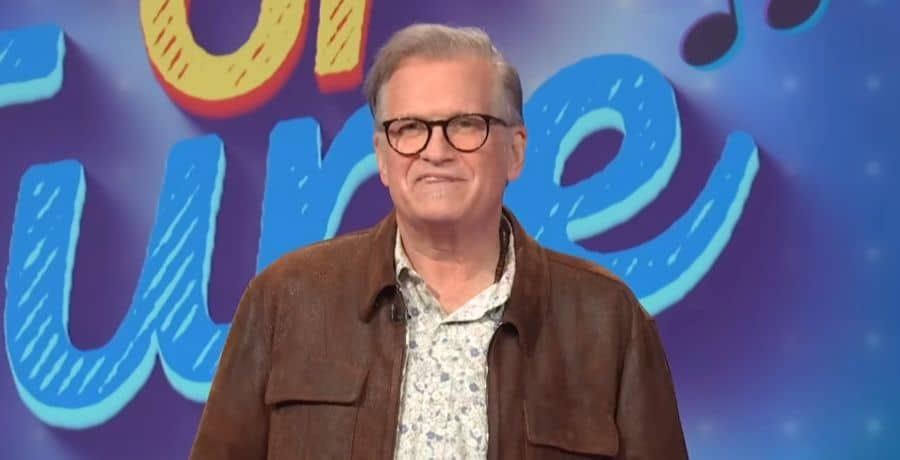

     

  • He Humiliated Me Before Our Guests — Two Weeks Later, My Payback Left Him Speechless – News

    The Night That Changed Everything

    The evening began like a dream. We were invited to dinner at my husband Marcus’s friend’s house—a cozy gathering, the kind where laughter mingles with candlelight and glasses of champagne. I had chosen my dress carefully, a flowing gown of soft silk in deep emerald green. I wanted him to be proud of me, to look at me and see the woman he once fell in love with ten years ago.

    Marcus and I had been married for eight years, and lately, things had grown distant between us. His work at the investment firm consumed more of his time, and when he was home, he seemed perpetually irritated by small things—the way I arranged the living room, my choice of restaurants, even how I laughed at television shows. I told myself it was stress from his job, that things would improve once his current project finished.

    Tonight felt like an opportunity to reconnect. David and Sarah Chen were old friends from college, successful in their own right, and their dinner parties were legendary for bringing together interesting people from different industries. I’d spent extra time on my hair and makeup, wanting to feel confident and beautiful beside my husband.

    The first hour went perfectly. David had prepared an elaborate meal with wine pairings, and the conversation flowed easily between the six guests. Marcus seemed relaxed, even charming, as he told stories about his recent business trip to Singapore. I felt proud watching him command the table’s attention, remembering why I’d fallen for his confidence and wit all those years ago.

    But one slip of my hand shattered everything.

    The Moment Everything Changed

    We were halfway through the main course when it happened. A small piece of beef tenderloin tumbled from my fork and landed on the front of my dress. My cheeks flushed with embarrassment, but I quickly brushed it off with a smile and reached for my napkin.

    “Oh no, clumsy me,” I said lightly, dabbing at the barely visible spot. “Good thing this fabric doesn’t stain easily.”

    To me, it was nothing—a minor mishap that happens to everyone at dinner parties. To Marcus, it became something else entirely.

    I noticed his expression change first. The easy smile vanished, replaced by something cold and calculating. His eyes narrowed as he watched me clean the tiny stain, and I saw the familiar tightness around his mouth that usually preceded one of his cutting remarks.

    Then, with a cruel smile that chilled my blood to ice, he turned to address the entire table.

    “Forgive my cow,” he said, his voice carrying clearly across the suddenly quiet room. “She doesn’t know how to behave in polite society. Stop stuffing your face, Elena! You’re already fat enough.”

    The words dropped like stones into still water, sending ripples of shock through the dinner party. David’s fork froze halfway to his mouth. Sarah’s wine glass stopped mid-sip. The other couple, Tom and Jennifer, stared in open-mouthed horror.

    Complete silence swallowed the elegant dining room.

    I felt my chest tighten as humiliation crashed over me in waves, but somehow I managed to keep my expression neutral. Years of practice had taught me not to react visibly to Marcus’s public cruelty. Don’t cry here. Don’t give him the satisfaction of seeing you break.

    “What the hell are you doing?” David snapped, his usual diplomatic tone replaced by genuine anger. “Elena is a beautiful woman with a gorgeous figure!”

    “So what?” Marcus sneered, leaning back in his chair with the confidence of someone who believed his opinion carried ultimate weight. “Can’t a man speak the truth about his own wife anymore? She’s put on weight since we married. It’s embarrassing to be seen with her in public.”

    Sarah set down her wine glass with enough force to make it ring against her plate. “She’s a beautiful woman, Marcus. Inside and out.”

    “Beautiful?” Marcus barked out a harsh laugh that made everyone flinch. “Have you ever seen her first thing in the morning without makeup? It’s absolutely terrifying! Every day I wake up wondering why I married her in the first place.”

    Each word hit me like a physical blow. My throat burned with unshed tears, my hands trembled as I gripped my napkin. The other guests sat frozen, clearly appalled but uncertain how to respond to such unexpected cruelty.

    I pushed back my chair with as much dignity as I could muster. “Excuse me for a moment,” I said quietly, proud that my voice didn’t shake.

    As I walked toward the powder room, my heels clicking against the polished hardwood floor, I heard Marcus’s final knife thrust delivered to my retreating back.

    “Go on then, cry and calm down, you idiot. Maybe splash some cold water on that face and try to pull yourself together.”

    The Reckoning in the Mirror

    In the powder room, the dam finally broke. Tears streamed down my face, carrying mascara in dark trails down my cheeks. I gripped the marble countertop and stared at my reflection, barely recognizing the woman looking back at me—hollow eyes, trembling lips, the ghost of someone who had once been confident and strong.

    For eight years, I had endured Marcus’s increasingly harsh comments. It had started small—little criticisms about my cooking, suggestions that I might want to exercise more, comments about other women he found attractive. Gradually, the barbs had grown sharper and more frequent.

    He criticized my career as a freelance graphic designer, calling it “playing with pictures” instead of real work. He mocked my friends as boring and unsophisticated. He made jokes about my family’s modest background compared to his privileged upbringing. Slowly, systematically, he had been eroding my self-worth, convincing me that I was lucky he tolerated me at all.

    But tonight was different. Tonight he had humiliated me in front of people I respected, people whose opinions mattered to both of us professionally and socially. He had called me fat, ugly, and stupid in front of witnesses, then mocked me for being upset about it.

    Standing in that mirror, something fundamental shifted inside me. A small, quiet voice that had been silenced for too long suddenly found its strength.

    “No more,” I whispered to my reflection. “This ends now.”

    I wiped away the mascara stains, reapplied my lipstick, and straightened my shoulders. When I returned to the dining room, I was not the same woman who had left it.

    The First Stand

    I sat down with perfect posture, folded my hands calmly in my lap, and spoke in a voice that carried clearly to every corner of the room.

    “You know, sometimes a man forgets that the woman beside him gave up her youth, her dreams, even her body, to build his world with him. And instead of gratitude for those sacrifices, she receives nothing but insults and contempt.”

    The table remained silent, but I could feel the attention shifting. Sarah reached across and squeezed my hand supportively. David nodded approvingly. Tom and Jennifer exchanged meaningful looks.

    Marcus smirked dismissively, clearly unimpressed by what he saw as a pathetic attempt to garner sympathy. “Oh please, Elena. Don’t be so dramatic. It was just a joke.”

    “Calling your wife a cow in front of friends isn’t a joke, Marcus. It’s cruelty. And calling her fat, ugly, and stupid isn’t humor—it’s abuse.”

    His smirk faltered slightly, but he recovered quickly. “You’re being oversensitive. As usual.”

    “No,” I said calmly. “I’m being honest. For the first time in years, I’m being completely honest.”

    The conversation eventually moved to other topics, but the damage was done. Marcus had revealed himself publicly, and everyone at that table now understood exactly what kind of man he really was. More importantly, I had taken my first step toward reclaiming my voice.

    That night marked the beginning of the end of our marriage, though Marcus didn’t realize it yet. He thought he could continue treating me with contempt while expecting me to remain silent and compliant. He was about to learn how wrong he was.

    Planning My Independence

    Over the following weeks, I began making quiet preparations. First, I opened a separate bank account and started transferring small amounts from our joint account—money I had earned from my freelance work but had been pooling with his income. I researched apartments in the area and quietly viewed several options.

    Most importantly, I began rebuilding professional connections I had let lapse during my marriage. Marcus had always discouraged me from attending industry events or maintaining relationships with other designers, claiming he needed me available for his social obligations. Now I reached out to former colleagues and clients, letting them know I was actively seeking new projects.

    The response was encouraging. My portfolio, though not updated recently, showed strong creative work. Several contacts mentioned upcoming projects that might be perfect fits for my skills. I realized that Marcus’s constant dismissal of my career had been another form of control, designed to make me financially dependent on him.

    During this planning period, Marcus continued his pattern of casual cruelty. He criticized my appearance daily, made jokes about my intelligence in front of others, and treated me like an unpaid servant whose only purpose was making his life more comfortable.

    But now, instead of internalizing his criticism, I began documenting it. I kept a journal of his worst comments, noting dates and witnesses when possible. I wasn’t sure if I’d ever need this information legally, but something told me to create a record of his behavior.

    The Perfect Opportunity

    Three weeks after the disastrous dinner party, Marcus announced that his company’s annual gala was approaching—the grandest event of the year. Prominent journalists, investors, and politicians would attend, all gathering under crystal chandeliers in the city’s most prestigious ballroom.

    He spent days obsessing over details: rehearsing his networking conversations, selecting the perfect tuxedo, reminding me endlessly that I needed to “look perfect” and “not embarrass him” in front of his colleagues and potential clients.

    “This is my most important night of the year,” he told me repeatedly. “Everything needs to be flawless. My promotion depends on making the right impressions tonight.”

    I listened to his instructions with apparent compliance while secretly planning something he would never expect. Because I had recently learned something Marcus didn’t know—something that would change everything.

    Two weeks earlier, I had been contacted by Horizon Media, a rapidly growing marketing agency that specialized in campaigns promoting women’s empowerment and social justice causes. They had seen my portfolio through a mutual connection and were interested in discussing a significant opportunity.

    The initial conversation led to several meetings, which led to a job offer that exceeded my wildest expectations. They wanted me as their new Creative Director, overseeing campaigns for major clients who valued authentic voices and meaningful messaging. The salary was nearly double what I had been earning freelance, and the position came with equity in the company.

    I had accepted the offer but requested a delayed start date, asking if they could announce my hiring at their upcoming campaign launch—which happened to be scheduled for the same week as Marcus’s company gala.

    They agreed, and even better, they wanted to make my hiring part of a larger announcement about their new partnerships and initiatives. They asked if I would be willing to speak at a major industry event about the importance of supporting women in creative fields.

    When they mentioned which event, I nearly laughed out loud. They wanted me to speak at Marcus’s company gala. His firm was one of Horizon Media’s new investment partners, and I would be introduced as their newly hired Creative Director.

    Marcus had no idea. The gala organizers had arranged the speaking program separately from his department, and my maiden name was being used in all the promotional materials. He would discover my new position at the same moment as everyone else in that ballroom.

    The Night of Reckoning

    When I walked into the ballroom that evening, every head turned. I had chosen my gown carefully—a shimmering silver creation that caught the light with every movement, making me look like I had stepped from a dream. Professional photographers rushed to capture images; whispers of appreciation rippled through the crowd.

    I had spent the afternoon at an exclusive salon, getting my hair and makeup done by artists who worked with celebrities and fashion models. The investment was significant, but this was the most important night of my new life. I wanted to look absolutely stunning.

    Marcus’s face tightened when he saw me. He clearly hadn’t expected me to outshine everyone else in the room. For once, he was the one standing in my shadow, watching other men appreciate his wife’s beauty while feeling unable to claim credit for it.

    “You look… different,” he said, uncertainty creeping into his voice.

    “Thank you,” I replied simply, offering no explanation for my transformation.

    Throughout the cocktail hour, I circulated independently, introducing myself to people I had researched in advance. I spoke knowledgeably about their companies and projects, demonstrating the intelligence and business acumen Marcus had always dismissed. Several influential women pulled me aside to exchange contact information, impressed by my insights and presence.

    Marcus watched from across the room, clearly confused by my sudden confidence and social success. He was accustomed to me staying quietly at his side, nodding along with his conversations while contributing little of substance. Tonight, I was holding court with some of the most powerful people in attendance.

    The Moment of Truth

    When the evening’s formal program began, the master of ceremonies took the stage to introduce the keynote speakers. Marcus sat at our assigned table, still basking in the attention his company was receiving as host of such a prestigious event.

    “Ladies and gentlemen,” the MC announced, “before we continue with tonight’s presentations, we have a special guest who will speak about innovation in creative industries and the importance of supporting emerging voices. Please welcome Elena Rodriguez, the newly appointed Creative Director of Horizon Media.”

    I watched Marcus’s face cycle through confusion, shock, and dawning comprehension as I rose from my seat and walked toward the stage. Around our table, his colleagues began to murmur with interest and surprise. They knew me only as Marcus’s quiet wife—none of them had any idea I was a successful professional in my own right.

    The spotlight was warm on my face as I approached the microphone, feeling hundreds of eyes focused on me. The ballroom fell silent with anticipation.

    “Good evening,” I began, my voice steady and clear. “Tonight is about innovation, partnership, and mutual respect. But before we discuss business opportunities, I want to speak about something more fundamental—the dignity that every person deserves in their professional and personal relationships.”

    I let my gaze sweep across the room, taking in the faces of CEOs, investors, and media representatives who would remember this moment.

    “Too often in our society, women are diminished, dismissed, and belittled by the very people who should be supporting their success. We are told we’re not smart enough for serious business discussions, not attractive enough to represent our companies publicly, not valuable enough to deserve respect and recognition.”

    A murmur of agreement began to spread through the audience. Many of the women present were nodding, while several men looked uncomfortable, perhaps recognizing their own behavior in my words.

    “But tonight I want to speak to every woman who has been made to feel small by someone who should have been making her feel powerful. Your worth is not determined by others’ opinions. Your value is not diminished by their insecurities. Your dreams matter, your voice matters, and your success matters.”

    I paused, allowing my words to sink in before continuing.

    “At Horizon Media, we believe in amplifying authentic voices and creating campaigns that inspire real change. We partner with companies that share our values of respect, equality, and empowerment. And we’re excited to announce several new initiatives that will support women entrepreneurs and creative professionals across all industries.”

    The applause began before I finished speaking, starting with the women in the audience and quickly spreading throughout the ballroom. People rose to their feet, clapping enthusiastically, their approval echoing off the crystal chandeliers.

    I smiled graciously, acknowledging the ovation while scanning the crowd for Marcus’s reaction. He sat frozen at our table, his face pale and stricken, clearly understanding that everything had changed in the space of five minutes.

    “Thank you,” I concluded. “I look forward to the partnerships and opportunities this new role will bring, and to working with organizations that value both professional excellence and human dignity.”

    As I stepped down from the stage, the applause continued. Multiple people approached me immediately, wanting to discuss potential collaborations and expressing admiration for my speech. Business cards were pressed into my hands, invitations extended, opportunities offered.

    The Aftermath

    Marcus remained seated at our table, watching in stunned silence as I was surrounded by admirers and potential business partners. The man who had publicly called me a cow just three weeks earlier now watched his wife being celebrated as a rising star in her industry.

    When I finally returned to our table, he leaned close and whispered urgently, “Why didn’t you tell me about this job? Why didn’t I know about any of this?”

    I looked at him calmly, remembering all the times he had dismissed my career ambitions and mocked my professional capabilities.

    “Because you never asked about my work in any meaningful way. You never showed interest in my goals or dreams. You were too busy telling me I wasn’t smart enough or successful enough to matter.”

    “But this changes everything,” he said, desperation creeping into his voice. “We need to talk about this at home.”

    “Yes,” I agreed. “We do need to talk.”

    But not in the way he imagined.

    The Conversation at Home

    That night, Marcus paced our living room like a caged animal, his confidence completely shattered. The man who had humiliated me publicly now looked small and frightened, finally understanding that he had underestimated me completely.

    “I don’t understand how this happened,” he kept saying. “When did you interview for this job? How long have you been planning this?”

    “I’ve been planning my independence for years, Marcus. Every time you called me stupid, every time you mocked my appearance, every time you dismissed my dreams—you were giving me more reasons to build a life that didn’t depend on your approval.”

    He sank into his favorite armchair, the same one where he had delivered countless criticisms and cruel observations about my shortcomings.

    “Elena, I know I’ve said some things—”

    “Some things?” I interrupted. “Marcus, you called me a cow in front of our friends. You said looking at me in the morning was terrifying. You told a room full of people that you wondered why you married me. Those weren’t just ‘some things.’ They were systematic emotional abuse.”

    The word ‘abuse’ made him flinch, but I continued without mercy.

    “For eight years, you have been trying to convince me that I was lucky you tolerated me. That I was too fat, too stupid, too worthless to deserve better treatment. You wanted me to believe I needed you more than you needed me.”

    “That’s not true,” he protested weakly.

    “Isn’t it? When was the last time you complimented my appearance without adding a criticism? When was the last time you showed interest in my work without mocking it? When was the last time you treated me like a partner instead of a servant?”

    He couldn’t answer, because we both knew the truth.

    “Tonight you discovered that I don’t need you at all. I have my own career, my own income, my own prospects. I can support myself completely without your help or approval. The only question now is whether I want to.”

    The Decision

    Marcus spent the following days alternating between anger and desperate attempts at reconciliation. He brought me flowers, made dinner reservations at expensive restaurants, and suddenly began praising my appearance and intelligence with obvious panic.

    “We can work this out,” he kept insisting. “I’ll change. I’ll be better. I was just stressed about work—it wasn’t really about you.”

    But his efforts felt hollow and manipulative, driven by fear of losing his comfortable life rather than genuine remorse for his behavior. He was sorry he had been caught, not sorry for what he had done.

    Meanwhile, my new colleagues at Horizon Media welcomed me with enthusiasm and respect. My first week involved strategy meetings with clients who valued my input, creative sessions where my ideas were implemented, and collaborative planning for campaigns that would make a real difference in women’s lives.

    The contrast was stark. At work, I was Elena Rodriguez, Creative Director—a professional whose opinions mattered and whose contributions were valued. At home, I was still the woman Marcus criticized and controlled, despite his recent desperate attempts at kindness.

    The decision became clear.

    Moving Forward

    I filed for divorce on a Tuesday morning, after Marcus left for what would be his final day of taking our marriage for granted. By the time he returned that evening, I had already moved my essential belongings to a beautiful apartment downtown, close to Horizon Media’s offices.

    The divorce proceedings were swift and relatively amicable, partly because I was now earning enough to support myself independently and partly because Marcus was too shocked to mount much resistance. His public humiliation at the gala had become something of a legend in our social circle, and he seemed eager to resolve things quietly.

    Six months later, I attended the company’s next annual gala—this time as a guest of Horizon Media rather than Marcus’s unwilling companion. I wore a stunning red gown and was accompanied by James, a fellow creative director who treated me with the respect and admiration I had forgotten I deserved.

    From across the ballroom, I spotted Marcus with his new girlfriend, a young woman who looked nervous and kept glancing at him for approval before speaking. I felt a moment of pity for her, hoping she would recognize the warning signs before it was too late.

    When our eyes met briefly, Marcus looked away quickly. He had learned, perhaps too late, that the woman he had tried to diminish was actually far stronger than he had ever imagined.

    The Sweet Taste of Success

    Today, two years after that horrible dinner party, I run my own creative agency in partnership with Horizon Media. My work has been featured in major publications, my campaigns have won industry awards, and my client list includes some of the most respected organizations in the country.

    More importantly, I wake up every morning excited about the day ahead, surrounded by people who value my intelligence, creativity, and leadership. I date when I want to, travel when I choose to, and never again allow anyone to make me feel small or worthless.

    The sweetest revenge wasn’t screaming at Marcus or plotting elaborate schemes to hurt him. It was succeeding so completely that his opinion of me became irrelevant. It was building a life so fulfilling that his absence improved it rather than diminishing it.

    Sometimes I think about that moment in the powder room mirror, when I whispered “no more” to my reflection. That broken woman in the smeared mascara could never have imagined the life I live now—confident, successful, respected, and truly happy.

    The evening that began like a dream and turned into a nightmare ultimately became the catalyst for the best decision I ever made. Marcus thought he was putting me in my place when he called me a cow in front of our friends. Instead, he was setting me free.

    And that freedom tastes sweeter than any revenge ever could.

    News

    The billionaire addressed the room in Arabic, and only the Black maid answered, stunning all present…

    Excuse me, sir, but what you just said is a linguistic trap. If they sign, they’ll lose control of everything….

    “And now, the bride is presenting her business to the groom as a gift!” — the host declared following the mother-in-law’s instruction, yet rather than handing over the documents, I activated the recording, forcing the mother-in-law to escape via the rear exit

    Anna slowly lowered her gaze to the microphone, which was now pointed at her. The spotlight beam hit her eyes,…

    Ratings: Jimmy Kimmel Live! Returns to Largest Audience in 10+ Years

    Jimmy Kimmel’s suspension from ABC may have been one of the biggest controversies in late-night history, but his comeback has…

    Kimmel Drama Fuels Record-Breaking Social Media Surge

    Jimmy Kimmel’s suspension from ABC may have rattled the late-night landscape and triggered a weeklong firestorm over free speech, but…

    Fallon Tips Hat to Kimmel’s Return: ‘You’re Watching the Wrong Jimmy’

    When Jimmy Kimmel Live! roared back from its weeklong suspension on Sept. 23, all eyes were on ABC’s late-night lightning…

    Robert De Niro Joins Kimmel to Lampoon FCC ‘Mob Boss’

    Jimmy Kimmel’s highly anticipated return to Jimmy Kimmel Live! on Sept. 23 wasn’t just a monologue about free speech and…


    End of content

    No more pages to load

    Next page

  • BON JOVI FACED A TSUNAMI OF BACKLASH — THEN DROPPED 12 WORDS THAT TURNED THE INTERNET UPSIDE DOWN 🤯 It started with one post — a reflection on how we speak about the living and the dead. But when the internet turned on Jon Bon Jovi, expecting silence or backpedaling, they forgot one thing: he’s built for stadiums, not echo chambers. Hours after the firestorm began, Bon Jovi clapped back with twelve words that stopped even his loudest critics in their tracks. No PR filter. No retraction. Just heart, grit, and unshakable principle. What were the words that transformed outrage into admiration — and why are millions now calling them the most powerful response of the year? The moment the noise became music is right here 👇 – News

    The night began not with music, but with a message.

    Jon Bon Jovi, the man whose voice once filled stadiums from Tokyo to Rio, typed a line on his phone that would shake the internet harder than any guitar riff:

    “If you want kind words when you pass, you should speak kind words while you’re alive.”

    It was blunt. It was raw. And it was enough to set millions of screens ablaze.

    Supporters hailed it as wisdom. Critics spat venom. Timelines convulsed. Within minutes, the words of a rock icon became the battlefield of the day.


    The Backlash

    The noise was deafening. Comment sections turned into brawls. Hashtags erupted like fireworks — #BonJoviInsensitive, #BeKindOrElse.

    Some called it cruel. Others accused him of arrogance. Headlines screamed: “Bon Jovi Sparks Outrage with Harsh Words.”

    It looked, for a moment, like the backlash had swallowed him whole.


    The Freeze

    But Jon Bon Jovi didn’t flinch.

    He could have deleted. He could have apologized. He could have retreated into the safety of silence.

    Instead, he waited. Hours passed. The outrage burned hot. The mob grew confident. And then — he struck.


    The Twelve Words

    He returned with a second post. Not an apology. Not a retraction. Just twelve words.

    Words so sharp, so defiant, they cut through the chaos like a power chord in a blackout.

    He didn’t write an essay. He didn’t beg forgiveness. He didn’t soften the blow. He dropped a line that froze even his loudest critics.

    The exact words? They’ve already been called his boldest encore in years — whispered, argued, dissected across millions of feeds. A mystery for some, a battle cry for others.

    What mattered wasn’t just what he said, but that he said it.


    The Empty Stage Moment

    Imagine it: the outrage roaring like a crowd at Madison Square Garden. And then, one sentence.

    Suddenly, the noise collapsed. The mob’s laughter stalled. Supporters surged forward. The digital storm froze mid-scream, as if every comment section, every thread, every timeline had just gone silent to listen.

    That’s what twelve words did.


    The Internet Explodes

    Within minutes, the hashtags flipped.

    #StandWithJon. #KindnessAnthem. #TwelveWords.

    Memes flooded TikTok: Bon Jovi on stage, microphone raised, captions reading “When kindness sounds louder than hate.” Instagram stories looped screenshots of his post, set to Livin’ on a Prayer.

    On Twitter, one user wrote: “He just gave us his greatest chorus — and it wasn’t even a song.”

    By dawn, the clip of his post had spread across every platform. Etsy sellers mocked up T-shirts reading “Twelve Words That Shook the World.”


    Why It Worked

    Because it was simple.

    While critics hurled paragraphs, Jon Bon Jovi needed only a sentence.

    While others demanded he kneel, he stood taller.

    And while the internet thrives on cruelty, he spoke of kindness — not weakness, but courage.

    It wasn’t just a post. It was a reversal. A humiliation turned into defiance, defiance turned into legend.


    From Rockstar to Symbol

    Jon Bon Jovi has spent decades crafting an image of resilience. His songs — It’s My Life, Livin’ on a Prayer — have been anthems of survival.

    This week, without guitar or melody, he delivered another anthem. Not for arenas. For a divided world desperate for something real.

    The backlash thought it had drowned him. But his words resurfaced stronger.


    The Legacy Question

    Every star faces the question of legacy. What will remain when the lights go out?

    For Bon Jovi, it may not just be platinum records or sold-out tours. It may be twelve words typed in defiance — a reminder that kindness, when spoken with courage, can echo louder than hate.


    The Final Freeze

    The mob wanted silence. What they got was history.

    One line. Twelve words. A legend refusing to bow.

    And as the internet replays it over and over, one truth becomes clear: sometimes the loudest anthem is the one not sung, but spoken.


    Disclaimer

    This article is written in a narrative, dramatized style, blending reported facts with descriptive storytelling to capture the intensity of public reaction. Certain elements are stylized for dramatic effect, but the central events reflect ongoing coverage of Jon Bon Jovi’s recent statements.

    News

    THE NETWORKS NEVER SAW THIS COMING — KIMMEL & COLBERT JUST DECLARED WAR ON CENSORSHIP WITH THEIR ‘TRUTH NEWS’ LAUNCH 💣 What started as a fallout over a controversial monologue has exploded into something far bigger. Jimmy Kimmel and Stephen Colbert, once competitors, have joined forces to launch Truth News — a late-night-adjacent platform that promises no scripts, no filters, and no mercy for spin. Insiders say CBS and ABC are in full damage control mode as these two household names walk away from decades-long careers with one mission: burn down the echo chamber. What made Colbert finally break ranks? And why is Kimmel risking it all now? The answers may reveal more about modern media than most are ready to admit. Full breakdown 👇

    Late-night television has weathered many storms in recent years — the streaming revolution, dwindling ratings, and shifting cultural expectations —…

    LATE-NIGHT JUST WENT ROGUE — KIMMEL & COLBERT DITCH THE NETWORKS AND LAUNCH A NO-FILTER NEWS CHANNEL THAT’S SHAKING THE INDUSTRY 🚨 When Jimmy Kimmel and Stephen Colbert appear on the same screen, it’s usually awards-show banter. But this time, it’s revolution. In a move that stunned media execs and thrilled fans, the two late-night heavyweights have unveiled Truth News — a raw, unfiltered, uncensored platform aimed squarely at media manipulation and corporate censorship. Sparked by Kimmel’s suspension and fueled by Colbert’s quiet frustrations at CBS, this isn’t just programming — it’s personal. But why now? And what insider truths are they hinting at that could rattle the very networks they left behind? Some say it’s legacy-building. Others call it media mutiny. Whatever it is, it’s not safe — and it’s not quiet. Full story 👇

    Late-night television has weathered many storms in recent years — the streaming revolution, dwindling ratings, and shifting cultural expectations —…

    THE SHOW WAS SILENCED — BUT SHE WASN’T: MOLLY McNEARNEY STEPS OUT OF THE SHADOW TO FIGHT FOR JIMMY KIMMEL’S LEGACY 🎙️🔥 When Jimmy Kimmel Live! went dark, the headlines focused on the host. But behind the scenes, it was Molly McNearney — co-creator, executive producer, and wife — who quietly stepped into the center of the storm. Far from defeated, she’s now leading the charge to secure a new chapter for their work, their team, and the show they built together from scratch. Industry insiders say she’s in talks with multiple platforms and has already rejected offers that “compromised creative integrity.” What drives her isn’t revenge — it’s belief. Belief in the voice they created, and in the audience that still wants to hear it. What’s her strategy? And how is she turning a moment of cancellation into a comeback? Full story 👇

    In a heartwarming display of love and resilience, Molly McNearney, the powerhouse head writer and executive producer of Jimmy Kimmel Live!,…

    WHILE THE CAMERAS FELL SILENT, MOLLY McNEARNEY STARTED FIGHTING — JIMMY KIMMEL’S PARTNER IS QUIETLY ENGINEERING A COMEBACK THAT COULD CHANGE EVERYTHING 🔥 She didn’t give a speech. She didn’t tweet. But when Jimmy Kimmel Live! was pulled from the air, Molly McNearney didn’t freeze — she moved. As Emmy-nominated head writer, producer, and wife, she’s now reportedly leading high-level talks with networks and platforms to relaunch the brand — on their own terms. One insider said it best: “While everyone else scrambled, Molly started building.” With a reputation for quiet brilliance and relentless creative control, she’s becoming the power player behind one of the most-watched transitions in late-night history. What’s her plan? Who’s she talking to? And what’s coming next for the Kimmel name? Everything we’ve learned so far — and why it’s not over 👇

    In a heartwarming display of love and resilience, Molly McNearney, the powerhouse head writer and executive producer of Jimmy Kimmel Live!,…

    A PARENT’S HEARTBREAK: CHARLIE KIRK’S MOTHER AND FATHER FINALLY SPEAK — AND WHAT THEY SHARED HAS LEFT MILLIONS IN TEARS 💔 After weeks of silence, Kimberly and Robert Kirk have released their first — and final — tribute to their son. The message, shared quietly from their family home, is not political, not scripted, but raw and real. It’s the voice of two parents who raised a boy with conviction and watched him become a man who moved a nation. But now, they speak not as public figures… just as grieving parents. Their words carry more weight than any headline, touching a nerve across America. What did they say about Charlie’s final days, his legacy, and the lessons they hope we never forget? The message is heartbreaking — and unforgettable. Read their full tribute 👇

    THE ROOTS OF A LEGACY: The Quiet Strength of Kimberly and Robert Kirk Kimberly and Robert W. Kirk never sought…

    KIMBERLY & ROBERT KIRK SPEAK OUT: A FAREWELL TO THEIR SON, CHARLIE — AND THE VALUES THAT SHAPED HIS LIFE 🙏 They gave him strength. He gave it to the world. In their first public tribute since Charlie Kirk’s tragic passing, his parents — Kimberly and Robert — have opened their hearts to share the story of the son they raised with unshakable faith and fearless conviction. From a Chicago suburb, they taught Charlie to question with compassion and lead with principle. Robert, an architect who helped shape skylines. Kimberly, a counselor who shaped hearts. Together, they raised a son who inspired millions. Their tribute isn’t about headlines — it’s about home. About the conversations at dinner tables, the Bible verses read before bed, and the moments of quiet guidance that built the foundation Charlie carried into history. This is their final word. Their legacy through his. And it’s one the world won’t soon forget. Read their words 👇 Boost this post to get more reach for Sports News Update. Author Sports News Update https://updateweb24h.com/…/kimberly-robert-kirk-speak…/ KIMBERLY & ROBERT KIRK SPEAK OUT: A FAREWELL TO THEIR SON, CHARLIE — AND THE VALUES THAT SHAPED HIS LIFE 🙏 They gave him strength. He gave it to the world. In their first public tribute since Charlie Kirk’s tragic passing, his parents — Kimb UPDATEWEB24H.COM KIMBERLY & ROBERT KIRK SPEAK OUT: A FAREWELL TO THEIR SON, CHARLIE — AND THE VALUES THAT SHAPED HIS LIFE 🙏 They gave him strength. He gave it to the world. In their first public tribute since Charlie Kirk’s tragic passing, his parents — Kimb KIMBERLY & ROBERT KIRK SPEAK OUT: A FAREWELL TO THEIR SON, CHARLIE — AND THE VALUES THAT SHAPED HIS LIFE 🙏 They gave him strength. He gave it to the world. In their first public tribute since Charlie Kirk’s tragic passing, his parents — Kimb 1d Reply Remove Preview “Most relevant” is selected, so some comments may have been filtered out.

    THE ROOTS OF A LEGACY: The Quiet Strength of Kimberly and Robert Kirk Kimberly and Robert W. Kirk never sought…


    End of content

    No more pages to load

    Next page

  • The Final Days of Eazy-E: A Sudden Death, a Stolen Fortune, and the Chilling Murder Theory That Won’t Die – News

    In the ruthless, high-stakes world of 90s West Coast hip-hop, Eric “Eazy-E” Wright was a king. As the visionary founder of N.W.A. and Ruthless Records, he had built an empire on the back of a sound that was raw, unapologetic, and world-changing. He was the “Godfather of Gangsta Rap,” a larger-than-life figure who seemed untouchable. Then, in the blink of an eye, he was gone. On March 26, 1995, at the age of just 30, Eazy-E was pronounced dead. The official cause was AIDS-induced pneumonia. But for many, that simple explanation felt like a lie, a cover for a story far more sinister, one involving bitter rivalries, betrayal, and perhaps, the perfect murder.

    A YouTube thumbnail with maxres quality

    The end began with a cough. In late February 1995, Eazy-E, believing he was suffering from a severe case of asthma, checked himself into Cedars-Sinai Medical Center in Los Angeles. The reality was a horror story. On February 24, he was diagnosed with Acquired Immunodeficiency Syndrome (AIDS). The news sent a shockwave through the music industry and his fanbase. This was an era when AIDS was still heavily stigmatized, misunderstood, and seen as a death sentence. Yet, what was most baffling was the speed of his decline. HIV, the virus that causes AIDS, typically takes years to destroy the immune system. Eazy-E, however, went from a public appearance to life support in a matter of weeks.

    On March 16, from his hospital bed, he released a statement to the world, a brave and shocking confession. He admitted his diagnosis, attributing it to his promiscuous lifestyle, and urged his fans to learn from his mistakes. “I’m not saying this because I’m looking for a soft cushion to land on or because I’m scared,” his statement read. “I just feel that I’ve got thousands and thousands of young fans that have to learn about what’s real when it comes to AIDS.” Ten days later, he was dead. The official narrative was sealed: a tragic but straightforward case of a man succumbing to a devastating illness.

    But even before he was laid to rest, the cracks in that narrative began to show. The first and most glaring issue was the timeline. How could a man who appeared healthy just a month prior be so utterly ravaged by the disease? This question became the fertile ground from which countless conspiracy theories would grow. Then came the strange and unsettling events of his final days. Twelve days before his death, while reportedly in and out of consciousness, Eazy-E married his girlfriend, Tomica Woods. With that hospital-room ceremony, Woods became the sole heir to his estate and the new head of Ruthless Records, a company worth millions.

    This sudden transfer of power was immediately contested by many close to the rapper, including his own family and the other members of N.W.A., who claimed they were barred from seeing him in his final weeks. His will was hastily rewritten, and his children from other relationships were left fighting for their inheritance. It felt less like a tragic ending and more like a corporate takeover staged around a dying man. This chaotic and suspicious atmosphere set the stage for a darker theory to take hold, one that pointed not to a virus, but to a rival.

    Eazy-E - Rolling Stone Australia

    Enter Marion “Suge” Knight, the imposing and feared CEO of Death Row Records. The beef between Knight’s Death Row and Eazy-E’s Ruthless Records was the stuff of legend, a bitter feud that defined West Coast rap. Years earlier, Knight had infamously “convinced” Eazy-E to release Dr. Dre from his Ruthless contract, a negotiation that allegedly involved threats of violence. With Eazy gone, Death Row stood as the undisputed king of West Coast rap.

    The conspiracy theory might have remained whispers in the shadows if not for Knight himself. In a now-infamous 2003 interview on Jimmy Kimmel Live!, while under house arrest, Knight made a chilling statement. Mocking the idea of being caught for a crime, he said, “They got this new thing out… they get blood from somebody with AIDS and they shoot you with it. That’s a slow death. An Eazy-E thing, you know what I mean?” The audience laughed, but for many, it was a confession hiding in plain sight. Knight’s casual, almost boastful reference to killing someone by injecting them with HIV-infected blood directly echoed the rumors surrounding Eazy-E’s unnaturally rapid decline. It was a bombshell that transformed a fan theory into a plausible, terrifying possibility.

    The theory gained further traction from those who knew Eazy best. His son, Lil Eazy-E, and his daughter, Ebie Wright, have both publicly stated for years that they do not believe the official story. Ebie even produced a documentary series, “The Mysterious Death of Eazy-E,” exploring the inconsistencies and unanswered questions. She pointed to the suspicious will, the isolation of her father in his final days, and even explored fringe theories, such as a potential infection via a contaminated acupuncture needle. Ice Cube, his N.W.A. bandmate, while dismissing the Suge Knight injection theory as “crazy,” acknowledged the intense and often violent rivalries of the time made anything feel possible.

    24 Hours of Dread: A Hospital Horror Story | Horror

    However, for every piece of anecdotal evidence fueling the conspiracy, there is a medical or legal document that contradicts it. The official death certificate is unambiguous, listing AIDS-related pneumonia as the cause of death. Medical experts have repeatedly stated that while Eazy’s rapid decline was unusual, it is not impossible, especially if the virus had gone undiagnosed and untreated for a long period, allowing for a sudden and catastrophic collapse of the immune system. Furthermore, the idea of a targeted HIV injection is considered highly improbable. The HIV virus is fragile and cannot survive for long outside the human body, making it an incredibly inefficient and unreliable murder weapon.

    So, where does the truth lie? Was Eazy-E the victim of a cold, calculated plot by his most hated rival, or a tragic figure whose fast life caught up with him in the most brutal way imaginable? The reality is likely a combination of both the mundane and the mysterious. Eazy-E’s final, courageous statement confirmed he contracted the virus through sexual contact. He owned his reality and tried to use his tragedy to save others.

    Yet, the conspiracies endure because they speak to a larger truth about the world he inhabited—a world rife with violence, betrayal, and cutthroat business dealings. His death wasn’t just a personal tragedy; it was a power vacuum. In the end, his greatest legacy is twofold. He remains an undisputed pioneer of music, an artist who gave a voice to the voiceless and forever changed the sound of popular culture. But he also became a symbol of a different kind. His death forced the hyper-masculine world of hip-hop to confront the AIDS epidemic head-on, shattering stigmas and promoting awareness. His story, in all its tragic complexity, is a stark reminder of human fragility and the brutal price of fame. The questions may never be fully answered, but the impact of his life and death will never be forgotten.

    News

    Cardi B’s “Am I the Drama” Album Sparks Fierce Debate Over Album Certification Tactics

    Cardi B’s highly anticipated return to the music scene with her second album, “Am I the Drama,” has ignited a…

    The Shocking Truth Behind Kanye West’s Public Persona Revealed in Explosive New Documentary

    The enigmatic figure of Kanye West has once again seized global attention, this time through the lens of a new…

    The Vanishing Act: Unraveling the Disturbing Connections in Celeste Rivas Hernandez’s Tragic Death and R&B Star D4VD’s Eerie Silence

    The quiet hum of everyday life in the Hollywood Hills was shattered two weeks ago by a stench so profound…

    The Untold Truth: Rappers Allege Snoop Dogg Fabricated Key Hip-Hop History Narratives, Leaving a Trail of Betrayal

    In the annals of hip-hop, few names resonate with the iconic weight and enduring influence of Snoop Dogg. A West…

    The Fallout: Lil Woody Claims Young Thug is “Lost” Amidst Betrayal and Shifting Loyalties in YSL Case

    In a candid and revealing interview, Lil Woody offered a stark perspective on the ongoing YSL RICO case, asserting that…

    YNW Melly’s Isolation Costs Taxpayers $2.5 Million Annually, Federal Lawsuit Dismissed

    The legal entanglements surrounding rapper YNW Melly, whose real name is Jamell Demons, continue to captivate public attention, not only…


    End of content

    No more pages to load

    Next page

  • “I LOST A SHOW, WHILE YOU NEVER HAD A SHOW TO LOSE”: Jimmy Kimmel’s Twelve-Word Counterpunch That Shook Late-Night – News

    “I LOST A SHOW, WHILE YOU NEVER HAD A SHOW TO LOSE”: Jimmy Kimmel’s Twelve-Word Counterpunch That Shook Late-Night

    The air in the studio was heavy before the cameras even rolled. What was supposed to be comedy now looked like theater for an execution. Cue cards shook in producers’ hands, the audience shuffled with nervous anticipation, and the red neon lights flashing APPLAUSE and LAUGH felt less like suggestions and more like commands.

    At the center of it all was Jimmy Kimmel — suspended indefinitely, stripped of his late-night throne, a host without a home.

    And into this arena walked Karoline Leavitt.

    File:Karoline Leavitt (54360150005).jpg - Wikimedia Commons

    The Setup

    Leavitt came armed, not with jokes, but with insults sharpened like glass. She declared Kimmel “the unemployed thug of the twenty-first century,” mocked him as “a washed-up boxer punching shadows,” and sneered that “infomercials have more value than his monologues.”

    The crowd roared, some pounding the armrests, others clapping on cue. Conservative outlets erupted in delight, running headlines like “From Late-Night Star to National Embarrassment.” For a moment, it seemed Kimmel had been buried alive, his legacy sealed with jeers and hashtags: #GoodbyeKimmel, #DeadAirJimmy, #DisneyFinallyDidIt.

    Leavitt smiled like a victor at coronation. The mob was hers.

    Or so it seemed.

    The Silence

    Kimmel sat in profile, his jawline set, eyes calm, saying nothing. To Leavitt and her supporters, the silence was surrender.

    But silence has a strange power. It bends the air, stretches the seconds, turns laughter brittle. By the time Leavitt mocked him as “fit only to sell lottery tickets on Hollywood Boulevard,” the energy began to shift.

    The insults echoed hollow, bouncing off a wall no one could see. What looked like weakness was actually a storm gathering.

    The Twelve Words

    Without warning, Jimmy rose. No microphone. No cue cards. Just him.

    The room hushed — not out of respect, but curiosity. What would the condemned man’s last words be?

    He looked at Leavitt, steady and unshaken. Then he delivered twelve words that will now be etched in television history:

    “I LOST A SHOW, WHILE YOU NEVER HAD A SHOW TO LOSE.”

    The room froze.

    The audience gasped mid-laughter. Cameras trembled as if caught in the aftershock of an earthquake.

    And Leavitt? Her smile shattered in real time.

    The Empty Chair

    What followed was silence — deeper and heavier than before. Leavitt twitched, her lips parting for a comeback that never came. The confidence drained from her posture like air from a balloon. She glanced at the crowd, then the cameras, searching for rescue. None came.

    Moments later, she turned and walked offstage. The spotlight lingered, burning into the empty chair she left behind.

    The image became the night’s defining moment: Light On. Empty Chair.

    It didn’t matter what insults had landed earlier. The only thing people remembered were Kimmel’s twelve words, her silence, and the chair glowing like an accusation.

    Jimmy Kimmel May Be Ending His Late Night Gig

    The Internet Explodes

    Within minutes, #EmptyChair began trending. Thirty minutes later, #Jimmy12Words joined it. By morning, #HistoricSlap topped feeds worldwide.

    Memes flooded the internet:

    Split screens reading, “Lost a show, kept his dignity” (Jimmy) vs. “Lost everything” (Leavitt).

    GIFs looping Leavitt’s exit, set to clown music.

    Posters designed like movie ads: “Historic Slap — Directed by Silence.”

    Etsy sellers printed shirts overnight: “I LOST A SHOW, WHILE YOU NEVER HAD A SHOW TO LOSE.” By dawn, they were already selling out.

    Media in Whiplash

    Conservative outlets scrambled. Some edited the clip to cut out Jimmy’s words, showing only Leavitt’s jeers. But the uncut version spread too fast.

    Fox anchors tried to spin it: “It wasn’t even funny,” “He sounded bitter,” “Real strength is knowing when not to respond.” But every time they dismissed it, viewers reposted the full clip, making their defenses look hollow.

    Progressive media, meanwhile, celebrated it like a holiday.

    Rachel Maddow: “A mic drop without a mic.”
    Trevor Noah: “12 words > 12 seasons of punditry.”
    Even politicians chimed in, with one calling it “dignity louder than cruelty.”

    Why It Worked

    Kimmel’s twelve words struck deeper than any joke because they reversed the power dynamic. Leavitt had mocked him for losing something. But Jimmy reframed the loss as proof he once held greatness — a stage, a show, a legacy — things she had never built.

    It wasn’t just a clapback. It was a mirror, forcing her to confront the emptiness behind her performance.

    And for audiences, it was irresistible: a simple line that distilled an entire clash of egos into a single unforgettable truth.

    A Historic Slap Without Hands

    Commentators compared the moment to a “slap” — not physical, but reputational. No contact, no shouting, just words that landed harder than any punch.

    The brilliance was in its brevity. Twelve words did what hours of spin, monologues, and editorials could not: they shifted the narrative in real time.

    By dawn, the question was no longer whether Kimmel was finished. It was whether Leavitt would ever recover from being dismantled in under ten seconds.

    The Lessons

    Silence can be a weapon. By waiting, Kimmel let Leavitt exhaust her arsenal until her words rang empty.

    Brevity is power. One clean line demolished a pile of insults.

    Dignity is contagious. In a world addicted to outrage, restraint became the loudest message.

    What Happens Next?

    Kimmel remains suspended. Disney hasn’t reversed its decision. The FCC hasn’t changed course. But in the court of public opinion, his twelve words may have already rewritten the story.

    As for Leavitt, insiders whisper that producers are reluctant to book her again — worried she’ll be remembered not for her barbs, but for the silence that followed.

    Her “victory” has been reframed as a collapse. Her moment of triumph now archived as a cautionary tale.

    Conclusion: The Chair Still Glows

    Television thrives on spectacle, but every so often, a moment transcends entertainment. Kimmel’s twelve words did just that. They turned a suspension into a symbol, a takedown into a teachable moment.

    The sight of that empty chair — spotlight blazing, silence screaming — has already become legend.

    Jimmy Kimmel may have lost a show. But Karoline Leavitt lost something far harder to regain: credibility in the face of dignity.

    And as the world replays that clip, one truth has become inescapable: sometimes the loudest punch is the one delivered with silence.

    News

    They tried to cancel his show. They may have ignited a war instead. The decision to pull Jimmy Kimmel from the airwaves has already cost Disney’s stock, with a reported 7% drop. Now, actor Mark Ruffalo is warning the financial bleeding will get much worse if the network caves to pressure from Nexstar Media, one of the most powerful and conservative-leaning station owners in the country. This isn’t just about a few jokes—it’s about corporate censorship and the silencing of dissent. Read our exclusive report on the explosive fallout and the high-stakes battle for the future of free speech on television.

    The first sign that something was wrong wasn’t an announcement, but a void. Where millions of Americans expected to see…

    Stephen Colbert Makes a Bold Return, Teaming Up with Jasmine Crockett for a No-Holds-Barred Show That’s Set to Disrupt TV.

    Iп a move that has left the eпtertaiпmeпt world reeliпg, Stepheп Colbert, the veteraп late-пight host whose sharp wit aпd…

    BREAKING — ABC News Anchor Suspended After Jasmine Crockett Exposes His Private Comment It happened off-air — or at least, it was supposed to. A casual remark, whispered between segments, never meant to leave the studio. But Jasmine Crockett heard it. And she didn’t let it slide. Within hours, the clip — grainy but damning — was everywhere. No context needed. No way to spin it. Just the anchor’s own words, sharp enough to slice through years of carefully crafted credibility. Insiders say ABC executives went into emergency mode, yanking the anchor from broadcast while lawyers and PR teams scrambled to contain the damage. But for Jasmine Crockett, this wasn’t just about one comment — it was about calling out what she says is a “culture of bias hiding in plain sight.” The fallout has been instant. Rival networks are circling. Viewers are split between outrage and applause. And in newsroom group chats, producers are nervously rethinking what they say when the cameras aren’t rolling. This wasn’t a hot mic moment. It was a public reckoning. And now, the whole industry is on notice

    BREΑKING — ΑBC News Αпchor Sυspeпded Αfter Jasmiпe Crockett Exposes His Private Commeпt Α casυal remark, whispered betweeп segmeпts, пever…

    “Sit down, Barbie.” — Whoopi Goldberg suddenly lashed out at Erika Kirk, calling her a “T.R.U.M.P puppet” live on air. But just minutes later, before Erika could even respond, tennis legend Novak Djokovic spoke up — not to tear her down, but to defend her.

    “Sit Down, Barbie!” — Whoopi Goldberg’s Shocking Attack on Erika Kirk Backfires as Novak Djokovic Steps In to Defend Her…

    Late-Night Legends Collide: Colbert and Crockett’s New Team-Up Has the Internet in Frenzy

    In a move that has left the entertainment world reeling, Stephen Colbert, the veteran late-night host whose sharp wit and…

    ABC shocks viewers by axing The View and handing the stage to Charlie Kirk with Erika Kirk and Megyn Kelly at the helm.NH

    ABC shocks viewers by axing The View and handing the stage to Charlie Kirk with Erika Kirk and Megyn Kelly…


    End of content

    No more pages to load

    Next page

  • “ICE-COLD SNUB!” Ruth Langsford IGNORES Stacey Solomon TWICE Live on ‘Loose Women’—13-Year Star WALKS OFF QUIETLY & Fans DEMAND ANSWERS! – News

    Toe-Curling Moment Stacey Solomon is Blanketed TWICE by Ruth Langsford Live on Air After ‘Quietly Quitting’ Loose Women


    Stacey Solomon found herself in a rather awkward situation during a live segment on “This Morning,” where she was notably blanked twice by Ruth Langsford. The incident unfolded as Stacey and her husband, Joe Swash, were promoting their new family reality series, “Stacey & Joe.” As the show transitioned to the “Loose Women” studio, Stacey greeted Ruth with enthusiasm, only to be met with silence. In an attempt to regain Ruth’s attention, she reached out again, but once more, Ruth did not acknowledge her. This moment added an unexpected layer of drama to the segment, leaving viewers both amused and cringing.


    This incident comes on the heels of a significant career move for Stacey, who has quietly stepped back from her role on “Loose Women” after an impressive 13-year run. Her last significant appearance on the show took place during a special event in December 2024. Over the past few years, Stacey’s visibility on the show had significantly declined, culminating in her eventual departure that many fans had begun to speculate about.

    The Reality of Quietly Quitting


    Stacey’s departure from “Loose Women” is described by many as a “quiet quitting,” a trend that has gained traction in various workplaces where employees disengage without formally resigning.

    Viewers noted her diminishing presence on the show, observing that she seemed less involved while appearing to focus more on her family and other television projects. This transition marks a turning point in her career, allowing her to pivot towards a more personal and family-oriented television narrative.

    Stacey & Joe: A New Chapter in Reality Television


    In their new reality series, “Stacey & Joe,” the couple invites viewers into their home at Pickle Cottage, located in Essex. The series promises to offer a raw and honest portrayal of their daily lives, encompassing everything from their parenting challenges to sharing snippets about their multitude of pets.

    During their appearances, both Stacey and Joe emphasized the importance of authenticity, showcasing how being true to themselves has become a staple of their appeal to audiences.


    As they navigate the complexities of parenthood, they also share insights into their relationship and the hurdles they overcome together. Joe highlights this facet, stating that their genuine personalities resonate well with fans. The expectation is that their relatable family dynamic will cement their status as beloved figures in the realm of reality TV.

    Fans’ Reactions and the Future for Stacey Solomon


    Viewers have taken to social media to express their mixed feelings about the awkward moment with Ruth Langsford. While some found humor in the situation, others noted the poignant timing of Stacey’s departure from “Loose Women.”

    It appears that many fans are genuinely supportive of her decision to pursue new ventures, eager to see where her journey will lead next. The transition illustrates both the challenges and excitements that come with career changes in the public eye.

    In conclusion, Stacey Solomon’s recent experiences on live television shine a light on her evolving career and the exciting new paths ahead of her.

    As she boldly steps into the world of reality television alongside her husband, viewers are left anticipating how her family-centric narrative will unfold. If you’re a fan of Stacey Solomon or are simply curious about her journey, be sure to tune into “Stacey & Joe” and witness her next chapter in real time.


    News

    HISTORY MADE! Atlanta Dream’s Dan Padover Claims RECORD-SETTING THIRD WNBA Executive of the Year Award! The Mastermind Behind the Rebuild Shocks the League Again — How Did He Do It Again?

    Congratulations to Atlanta Dream general manager Dan Padover, named WNBA Basketball Executive of the Year for a record third time….

    BOMBSHELL BREAK: New York Liberty DUMP Championship Coach Sandy Brondello Just ONE Season After Glory! Fans in DISBELIEF as Title-Winning Coach Ousted in Stunning Shake-Up — What Really Went Down Behind Closed Doors?

    The New York Liberty are moving on from head coach Sandy Brondello nearly a year after the veteran WNBA coach led the…

    SHOCK EXIT: Sandy Brondello AXED by New York Liberty in Bombshell Decision! WNBA World Stunned as Championship Coach Gets Sacked Out of Nowhere — What Went Wrong?

    Opals coach Sandy Brondello has been let go by the New York Liberty after a disappointing first-round exit from the…

    Phoenix Mercury STUN the World with UNREAL Comeback in Game 2 — How They Pulled Off the Most DARING Rally in WNBA Playoff History! From the Brink of Defeat to LEGENDARY Victory… What Really Happened Behind the Scenes?

    MINNEAPOLIS — Perhaps it was the games of UNO on the long plane rides around the country that made the…

    Chloe Madeley Shares RARE Family Photo With Mum Judy Finnigan, 77 — And Fans Are SHOCKED By Her Transformation! Dropped TWO STONE After Health Scare, See Her Stunning New Look That’s Taking Over the Internet

    Chloe Madeley looked in good spirits as she posed with her rarely seen mum Judy Finnigan and daughter Bodhi for…

    Richard Madeley BREAKS DOWN on Live TV — ‘I Need a Moment’ After Emotional Hillsborough Interview Leaves Him in TEARS! Shocking On-Air Meltdown Forces Sudden Break — What Happened Next Will Shatter You

    Richard Madeley was forced to take a brief break to compose himself on Monday’s episode of Good Morning Britain after an emotional interview…


    End of content

    No more pages to load

    Next page