Blog

  • EXCLUSIVE: Guy Sebastian in secret talks to rejoin The Voice — one coach reportedly on the chopping block – News

    “Sebastian is everyone’s priority at the moment.”

    It looks like Guy Sebastian could be back on The Voice Australia much sooner than fans had thought, and the buzz behind the scenes is reaching fever pitch!

    Ratings for this year’s blind auditions have taken a dip, especially against Nine’s blockbuster The Block, and many viewers believe the missing ingredient is the show’s former coach, Guy Sebastian.

    “Negotiations for 2026 are happening as we speak, and ITV are confident Guy will be back in the red chair,” a source at ITV Studios Australia revealed exclusively to Woman’s Day. 

    “Sebastian is everyone’s priority at the moment.”
    Guy Sebastian on The VoiceCould Guy Sebastian return to The Voice? (Credit: Channel Seven)
    A TV insider also told Woman’s Day, “Channel Seven probably regretted not giving Guy the money he wanted last year. They’re not going to make that mistake again.”

    “The whole panel is hinging on Guy’s confirmation. Once he signs, everything else will fall into place.”

    Channel Seven is reportedly desperate to lock Sebastian in before unveiling their 2026 programming slate.

    “At the end of the day, Channel Seven wants big names and reliable ratings. Guy delivers both,” the insider said.
    The Voice 2024 coachesSpeculation has swirled for months that Guy’s exit was down to behind-the-scenes tension with fellow coach Kate Miller-Heidke. (Credit: Channel Seven)
    “They’re desperate to lock this all in before the Upfronts next month, and Guy is the lynchpin in those plans.”

    And if Guy returns it looks like Richard Marx or Ronan Keating could be gone.

    “Richard was upset about being mocked at the Logies. He felt it was a cheap shot and it left him hesitant about returning,” the source reveals.

    “Ronan might take the year off to spend time with his family. That seems to be another possibility of a chair being free for Guy.”

    Speculation has swirled for months that Guy’s exit in 2024 was down to behind-the-scenes tension with fellow coach Kate Miller-Heidke, who is believed to be the only coach confirmed for 2026.
    Guy Sebastian FamilyGuy Sebastian has revealed his exit from The Voice was due to scheduling conflicts. (Credit: Instagram)
    “With Guy Sebastian talking publicly about his feud with Kate Miller Heike this week, The Voice Australia would obviously seem top of mind for the former Australian Idol alumni,” the source suggested.

    But Sebastian himself has strongly dismissed those rumours, telling PEDESTRIAN.TV: “All I’ll say is that these rumoured sources are always so weird to me and they couldn’t be any further from the truth. I’ve never had anything but love for Kate. I met her when she first got signed and became a fan when I heard her first unreleased demo EP. We have always been mates when we’ve bumped into each other and musically/creatively/vocally, I think she’s a weapon.”

    So what actually kept him away? According to Sebastian, his break from the show was all about timing, not drama.

    He said his time on The Voice was “one of the nicest TV experiences,” but he needed to focus on finishing his album, travelling, and preparing for a heavy touring schedule in 2025.

    “I would absolutely return if I was in the right headspace,” he explained to the publication, adding that next year is already booked up with tours and personal commitments.
    Man with tattoos sits on a red chair wearing a black vest, smiling.He joined the series in 2019. (Credit: Nine)
    If social media is anything to go by, fans have already made up their minds.

    ”We miss him being a Judge on The Voice,” one fan posted. “I missed Guy on the voice but hope he can return next year,” another wrote.

    While the panel shake-ups are still unfolding, one thing is clear: Seven has noticed the enormous outcry for Guy’s return.

    As one insider put it, “Everyone has noticed an enormous outcry for Guy Sebastian to return, and Channel Seven wants fans to know, they have taken note.”

    News

    Fan Fury Explodes as Maria & Bailey Stumble on MKR — Are They This Season’s ‘Villains’?

    The Adelaide pair once again failed to impress the judges, leaving fans divided over whether they were unfairly judged or…

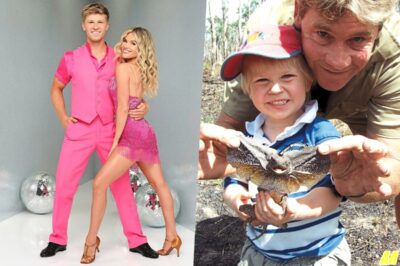
    Inside Robert Irwin’s All‑Out Hustle to Keep Australia Zoo Alive — Every Gig on the Table

    Robert Irwin is taking Hollywood by storm on Dancing With the Stars — and a source says mom Terri is banking on him to land…

    ‘So Proud’: Leni Fevola Praises Brendan Fevola for Handling Amazing Race ‘Homophobic’ Drama

    The Amazing Race: Celebrity Edition 2025 contestant and daughter of AFL legend Brendan Fevola, Leni Fevola, has praised her dad for the way…

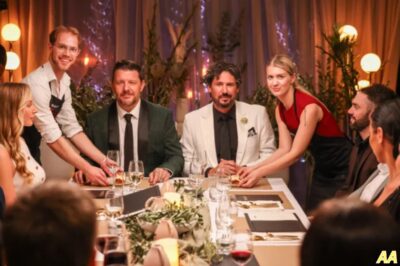
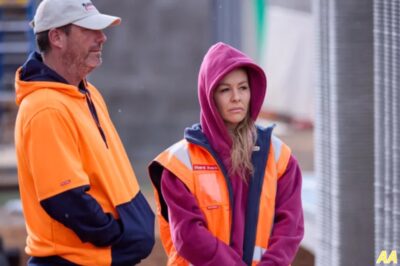
    Fans divided: Is Alicia and Sonny’s ‘savage’ gameplay making them The Block’s nastiest duo?

    Episode 35 Recap: The Block contestants are buckling under the pressure as shed disputes, body corporate clashes and a frosty…

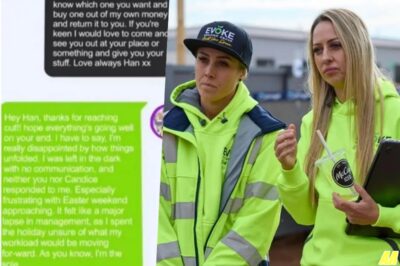
    The Block Shock: Han & Can’s Texts to Ex‑Chippy Ben Spark Outrage — ‘Poor Widdle Girl’ Jab Backfires

    See the texts! The Block‘s Han and Can fired their chippy Ben during Episode 26, only for him to pop back up…

    The Block Erupts: Sonny & Alicia’s Cut‑Throat Call Sparks Walkout — One Contestant QUITS!

    The Block saw its most chaotic episode yet on Tuesday night as Sonny and Alicia showed no mercy to nab a…


    End of content

    No more pages to load

    Next page

  • Mistress Tossed Cake On Pregnant Wife, Everyone Laughed Until This Happened… – News

    Sometimes the people who promise to protect us are the very ones who watch us fall and say nothing. It’s easy to believe betrayal comes with warning signs, loud arguments, or sudden distance. But often it arrives quietly, smiling, toasting, and holding your hand. Imagine celebrating your birthday 8 months pregnant with your husband by your side when suddenly his mistress appears, hurls cake in your face, and everyone, including your husband’s friends, laughs at your humiliation. But they wouldn’t be laughing for long.

    Before we begin, if you appreciate these real life accounts of courage in the face of adversity, please consider subscribing and hitting that notification bell. When Jenna discovered she was pregnant after years of trying, it felt like the final piece of her carefully constructed life was falling into place. Though the pregnancy hadn’t been easy, with severe morning sickness through the first trimester and gestational diabetes in the second, Jenna approached motherhood with the same determined optimism she brought to everything else.

    There were days when the fatigue brought her to tears, but she pushed through, reminding herself that the fight was worth it. This baby was everything. By the time her 35th birthday approached, Jenna was 8 months pregnant. Her sister Lena insisted on throwing her a celebration at Giovani, an upscale Italian restaurant with a private dining room. Despite Jenna’s protests that she was too exhausted for a party, Lena was adamant. You deserve to be celebrated,” Lena told her. “Especially now.

    Let people show you how much they care.” Jenna had hesitated. Lately, she’d felt a strange tension in Ethan, a distracted silence that settled over him like a second skin, but she told herself it was just the stress of impending parenthood. Jenna relented, touched by her sister’s insistence. The evening of the party arrived. Jenna wore a navy blue maternity dress. She’d splurged on one that made her feel beautiful despite the discomfort of late pregnancy. Ethan had been acting distant lately, blaming work stress.

    But that evening, he seemed attentive, helping her into the car and holding her hand as they walked into the restaurant. His smile was warm, but his grip felt colder than usual, almost rehearsed. The private dining room at Giovani’s had been transformed with silver and gold decorations, a happy birthday, Jenna banner hanging across one wall. About 30 guests mingled around high-top tables, colleagues, neighborhood friends, family members, and several of Ethan’s friends from his firm, a boisterous group that had always made Jenna slightly uncomfortable with their perpetual boys club mentality.

    They laughed loud, drank fast, and shared inside jokes Jenna was never part of. Tonight, they seemed even more tightly bonded, whispering between glances in her direction. By all appearances, it was the perfect celebration. Lena had arranged for a three- tier cake decorated with fondant flowers that matched the nursery theme Jenna had chosen for the baby. As the night progressed, Ethan clinkedked his glass to gather everyone’s attention. I’d like to make a toast, he announced, his voice carrying across the room as conversations quieted.

    To my beautiful wife. On her special day, Jenna stood beside him, blushing as the attention turned to her. Ethan continued, “Jenna, you’re glowing, darling. I’m the luckiest man alive to have you as my wife, and soon the mother of our child.” His words were sweet, almost too perfect, like lines from a wellrehearsed speech. Jenna smiled, but something in her chest fluttered. And not from the baby. The gathered friends and family raised their glasses in unison to Jenna.

    What no one knew, what Jenna herself couldn’t have imagined, was that Ethan’s words were a masterpiece of deception. As he spoke of luck and love, he was hiding a secret that was about to explode into the open in the most devastating way possible. Lena handed Jenna the cake knife, a silverplated heirloom that had belonged to their grandmother. Ethan placed his hand over Jenna’s as they positioned the knife over the top tier. A picture perfect moment that Lena captured on her phone.

    Jenna smiled, feeling a flutter of movement from the baby, as if her unborn child was participating in the celebration. That’s when the private dining room door swung open. The woman who entered was a stranger to Jenna. She was younger, perhaps 28, with glossy dark hair that fell past her shoulders and a fitted red dress that emphasized her slim figure. Everything about her radiated confidence as she surveyed the room with cool detachment. The conversation died immediately in the sudden silence.

    The woman’s high heels clicked sharply against the hardwood floor as she walked toward the center of the room. Jenna noticed Ethan’s hand go rigid over hers. When she glanced at him, his face had drained of color. Don’t let me interrupt your family moment,” the woman said, her voice dripping with sarcasm. Jenna looked from the stranger to her husband, confusion clouding her features. “Ethan, who is this?” Before Ethan could answer, the woman continued her approach until she stood directly across the cake table from them.

    “I’m Vanessa,” she said to Jenna, though her eyes remained fixed on Ethan. “Ask your husband who I am.” Ethan stepped forward, positioning himself between the two women. “This isn’t the place,” he said quietly to Vanessa. “Please leave.” Vanessa laughed, a harsh sound devoid of humor. “Not the place? Is that what you said when you were in my bed last night? This isn’t the place?” The room collectively gasped. Jennas hand instinctively moved to her stomach, a protective gesture for her unborn child.

    Ethan. Jennas voice trembled. What is she talking about? Ethan remained frozen, offering no defense, no denial. His silence was confirmation enough. Vanessa’s eyes finally shifted to Jenna, taking in her pregnant belly with obvious disdain. “He’s been promising to leave you for 6 months, even after he found out about the baby,” she said, her lip curling in disgust. “He said it wasn’t.” Jenna felt as though the floor had disappeared beneath her feet. 6 months. Their child had been conceived eight months ago, which meant Ethan had started his affair shortly after learning he was going to be a father.

    The timeline clicked into place like a cruel joke. Each memory of his distant behavior suddenly recontextualized. The morning sickness, the late night cravings, the nursery plans, and all the while he had been elsewhere with her. “Is this true?” Jenna asked, though she already knew the answer from Ethan’s stricken expression. His silence screamed louder than words. Vanessa didn’t wait for Ethan’s response. In one swift motion, she reached forward, grabbed the top tier of the cake, and hurled it directly at Jenna.

    The cake hit Jenna square in the chest. There was a sickening splat followed by the collective intake of breath from the room. Frosting splattered across her face, hair, and the navy blue dress she’d so carefully chosen. Pieces of cake slid down her pregnant belly, leaving trails of buttercream in their wake. It dripped slowly like time itself had fractured, sweetened shards of humiliation sliding down her body in front of everyone she knew. “Now you look as pathetic as you actually are,” Vanessa spat.

    Her voice laced with venom echoed in the stunned silence. For three excruciating seconds, the room was utterly silent. Jenna stood motionless, cake dripping from her hair and eyelashes. The utter humiliation of the moment surpassing even the shock of learning about her husband’s betrayal. It wasn’t just the betrayal that shattered her. It was the public spectacle of it. The cruel theater unfolding around her swollen belly. Then, from the corner table where one of Ethan’s work friends sat, a snicker broke the silence.

    The snicker turned into a chuckle which gave permission for others to join in. Within moments, several guests were laughing. Some from genuine amusement, others from the uncomfortable tension of the situation. The laughter didn’t just sting, it cracked something inside her, a cruel reminder of just how alone she truly was in that room. Jenna looked around the room through cake smeared eyes, taking in the laughing faces. Then she turned to Ethan, silently, pleading for him to do something, say something, defend her.

    Her gaze begged for a shred of dignity for the man who had once promised to protect her to do anything. But Ethan remained paralyzed between his wife and his mistress, saying nothing. Doing nothing, his cowardice stood taller than any excuse he could ever offer. Only Lena rushed to her sister’s aid, grabbing napkins from a nearby table and hurrying to Jenna’s side while glaring at the laughing guests. “What is wrong with all of you?” Lena shouted, her voice cutting through the laughter.

    Her fury vibrated through the room, trembling with loyalty and disgust. The events that followed would occur in a terrible cascade, each moment more shocking than the last. As Lena attempted to wipe cake from her sister’s face, Jenna suddenly gasped, doubling over in pain. “Something’s wrong,” she whispered, clutching her stomach. “The baby.” The laughter died instantly. What had moments ago been mockery twisted into dread. Jenna’s face contorted in pain as a dark stain appeared on her dress beneath the cake smears.

    Her water had broken nearly a month before her due date. “Call an ambulance,” Lena screamed, supporting her sister as Jenna’s knees buckled. Guests scrambled for phones. Ethan finally moved toward his wife. “Honey, I’m so sorry,” he began. Jennas eyes flashed with a fury that stopped him mid-sentence. “Don’t touch me.” She hissed through gritted teeth. By the door, Vanessa’s expression had shifted from vindictive satisfaction to horror as she watched the medical emergency unfold, a consequence she clearly hadn’t anticipated.

    Without another word, she backed out of the room and disappeared. Within minutes, paramedics arrived and rushed Jenna to St. Thomas Medical Center. As they lifted her onto the stretcher, she locked eyes with Lena. “Don’t leave me,” she whispered. I won’t, Lena promised, clutching her sister’s hand. Not ever. At the hospital, doctors immediately recognized the seriousness of the situation. Jenna was experiencing pre-term labor complicated by signs of placental abruption, a dangerous condition where the placenta detaches from the uterine wall before delivery.

    The emotional and physical stress of the public humiliation had likely triggered the complication. In the waiting room, an excruciating drama played out among the family members who had followed the ambulance. Ethan paced anxiously, his once handsome face now haggarded with worry and guilt. Jenna’s parents sat huddled together, her mother crying quietly, while her father stared stonily ahead, refusing to acknowledge his son-in-law’s presence. Lena stood apart from them all, furiously typing on her phone. When Ethan approached her, she looked up with such venom that he physically recoiled.

    What are you doing?” he asked, nodding at her phone. Lena turned the screen toward him. On it was a video playing footage she had been recording during the birthday toast and cake cutting. The video clearly showed Vanessa’s entrance, her accusations, the cake throwing, and most damning of all, the laughter that followed and Ethan’s complete failure to defend his pregnant wife. I was recording what I thought would be a sweet birthday memory,” Lena said, her voice low and dangerous.

    Instead, I captured exactly who you are, who your friends are, who that woman is. Ethan’s face pald further. “Lena, please. I’ve already sent it to Jenna’s lawyer.” Lena cut him off. “And if anything happens to my sister or that baby, I’m sending it to every person you know.” Before Ethan could respond, a doctor entered the waiting room. Everyone turned toward him. The family conflict momentarily suspended by collective concern for Jenna and her unborn child. “The stress has caused complications,” the doctor explained soberly.

    “We’re doing everything we can, but both mother and baby are in distress. We’re preparing for an emergency C-section.” “Jenna’s mother sobbed audibly.” Her father finally spoke, addressing Ethan directly for the first time. “If anything happens to them, you’ll answer to me. ” His voice trembled, not with weakness, but with the tightly coiled rage of a man holding back years of disappointment, now concentrated into one terrifying moment. As the doctor left to return to Jenna, Lena turned to Ethan one final time.

    “This is on you,” she said. “All of it. ” There was no yelling, no dramatics, just a calm, lethal certainty in her voice. Behind the swinging doors of the operating room, Jenna lay conscious but sedated on the surgical table as doctors worked urgently to deliver her baby. The bright lights overhead seemed to pulse in rhythm with the pain radiating through her body. She could feel the cold of the steel beneath her, the tight grip of the IVs in her arms, and a gnawing fear that clawed at the edges of her consciousness.

    Blood pressure is dropping. The nurse called out, “We need to move faster. The lead surgeon responded, “Babies showing signs of distress. ” The words cut through the air like scalpels, sharp and irreversible. Through the haze of medication and pain, Jenna could hear the urgency in their voices. A part of her registered that she should be terrified, but instead she felt strangely detached, as if watching events unfold from a distance. The humiliation of the birthday party seemed like a distant nightmare compared to the very real possibility of losing her child.

    She didn’t care about the cake anymore or the whispers or the laughter. Just that heartbeat, her babies, and whether it would keep beating. “Stay with us, Jenna,” the anesthesiologist encouraged, noticing her fading awareness. “Your baby needs you to be strong right now.” Those words pierced through Jenna’s mental fog. “My baby needs me. ” The thought became her anchor as the medical team worked to save them both. She clenched onto it like a lifeline as monitors beeped and machines hummed, her body numb, but her spirit screaming.

    In the waiting room, the tension had become unbearable. 2 hours had passed with no update. Each tick of the clock felt like a lifetime in limbo. Ethan sat alone in a corner, repeatedly calling Vanessa, who wasn’t answering, while Jenna’s family huddled together on the opposite side of the room. He had never looked smaller. The suit that once fit him like armor now sagged with shame. Lena had stepped out briefly to speak with Jenna’s closest friend, Monica, who had just arrived at the hospital after hearing the news.

    “Is it true?” Monica asked, her eyes wide with disbelief. “Ethan’s been cheating?” Lena nodded grimly. “For months, apparently, and the woman actually threw cake at Jenna while she’s 8 months pregnant.” Monica’s jaw clenched, her hands baldled into fists. I recorded everything,” Lena confirmed, showing Monica a clip from the video. His work friends were laughing. Ethan just stood there like a statue. She didn’t have to add what everyone was thinking. He let it happen. Monica watched the video, hand over her mouth.

    “This is monstrous,” she whispered. “How’s Jenna holding up?” Lena’s composure finally cracked. “We don’t know. They’re doing an emergency C-section. There’s some kind of complication with the placenta. ” Her voice broke mid-sentence and her shoulders shook under the weight of too many held in tears. Monica pulled Lena into a fierce hug. “Jenna is the strongest person I know,” she said firmly. “She’ll get through this.” But even as she said it, her eyes flicked toward the closed operating room doors, willing them to open.

    As they embraced, a surgeon, a surgeon in blue scrubs entered the waiting room. Everyone immediately fell silent, turning toward him with expressions ranging from hope to dread. The surgeon’s face gave nothing away as he pulled down his mask. “The baby has been delivered,” he announced. “A girl 5 lb 3 oz.” “A collective exhale filled the room.” Ethan stood up. “And Jenna?” he asked. The surgeon’s expression tightened slightly. “Your wife experienced significant hemorrhaging during the procedure. We’ve stabilized her, but she’s lost a lot of blood and remains in critical condition.

    The next 24 hours will be crucial. Jenna’s mother collapsed against her husband, who addressed the surgeon. The baby, is she okay? She’s premature and experiencing some respiratory difficulties, which is common at 34 weeks. She’s been taken to the NICU for oxygen support and monitoring. Can we see them? Lena asked. The baby, yes, though only two visitors in the NICU at a time. Jenna is in recovery and heavily sedated. One person can sit with her once she’s moved to intensive care, which should be within the hour.

    As the surgeon left, Jenna’s parents immediately declared their intention to see their granddaughter. Ethan moved to follow them, but Jenna’s father blocked his path. “You’ve done enough,” he said coldly. “Stay away from my daughter and granddaughter.” Ethan, still in shock from the evening’s events, didn’t argue. He sank back into his chair. As Jenna’s parents followed a nurse toward the niku, Lena approached Ethan, her earlier fury now tempered by exhaustion. Why? She asked simply. Why would you do this to her?

    Ethan stared at the floor, unable to meet her gaze. I never meant for any of this to happen. That’s not an answer, Lena pressed. Jenna has been nothing but loving and supportive. She was so excited about the baby. Your baby? she added, her voice sharp. Ethan ran his hands through his hair in frustration. It just happened. Vanessa was new at the firm. We started working late hours together. Jenna was so focused on the pregnancy, always talking about the baby, making plans.

    So, while my sister was preparing to bring your child into the world, Lena cut in, her voice dripping with contempt. You were sleeping with a colleague because you felt neglected. And you told this woman the baby wasn’t yours. You could say that. Ethan had no response. The magnitude of his betrayal laid bare in Lena’s succinct summary seemed to finally hit him. It wasn’t just guilt that crept into his face. It was the dawning horror of knowing he’d crossed a line he could never uncross.

    I need to make this right, he said weakly. You can’t, Lena said flatly. Her voice held no pity, only steal. Some things can’t be fixed with an apology. The best thing you can do right now is leave. Jenna doesn’t need the stress of seeing you when she wakes up. She’s my wife, Ethan protested. That’s my daughter. You should have remembered that before you started sleeping with Vanessa, Lena replied. Before you stood by while she assaulted your pregnant wife.

    Before you and your friends laughed while Jenna collapsed. Each word hit like a slap. Not just because it was true, but because he’d done nothing to stop it. Ethan flinched at each accusation. I didn’t laugh, he mumbled. But even as he said at the image, I’m frozen, doing nothing while Jenna bled, replayed in his mind. No, you just did nothing. Which is worse. Her voice didn’t rise. It didn’t have to. The truth was heavy enough. Lena checked her phone, which had been continuously buzzing.

    I’m going to check on my sister. You should know the video is already circulating. Monica has connections at several news outlets, and they’re very interested in the story of an investment banker whose mistress attacked his pregnant wife at her birthday party, triggering premature labor. Ethan’s head snapped up. The panic in his eyes flared before he could hide it. You can’t release that video. It could ruin my career. Lena’s laugh was without humor. It was sharp, bitter, the kind of laugh that didn’t come from amusement, but disbelief.

    Your career? My sister almost died tonight. Your daughter is fighting for breath in the niku and you’re worried about your job. She took a step closer, lowering her voice to a cold whisper. Everything you care about is slipping through your fingers, and you still don’t get it. Without waiting for his response, Lena walked away, leaving Ethan alone with the consequences of his actions beginning to unfold around him. The hallway felt colder now, the buzz of his phone louder, the silence of his own failure deafening.

    The intensive care unit was eerily quiet, except for the steady beeping of monitors. Jenna lay unconscious, her skin almost as white as the hospital sheets, multiple IVs running into her arms. Lena sat beside her, holding her sister’s limp hand while scrolling through her phone with her free hand. The video had indeed gone viral, and the internet showed no mercy. In just 3 hours, it had been shared thousands of times across multiple social media platforms. News sites were picking up the story with headlines like, “Banker’s mistress attacks pregnant wife, triggers emergency birth.

    Cake assault leads to medical crisis. Husband stood by. Ethan’s firm Barlay and Walsh was tagged in hundreds of posts with people demanding to know whether they condone such behavior from their employees. The firm’s polished PR image was crumbling under public outrage. Vanessa’s identity had been quickly uncovered by internet sleuths who recognized her from the firm’s website. Her social media accounts were being flooded with outraged comments. People were screenshotting her LinkedIn, re-sharing old Instagram captions about confidence and integrity with brutal sarcasm.

    Lena felt a grim satisfaction at the swift public response. Not because it would fix anything, but because for once, justice didn’t wait. While she hadn’t personally sent the video to news outlets, Lena hadn’t stopped Monica from doing so. Jenna would need all the support she could get in the coming days, and the court of public opinion was firmly on her side. A soft moan drew Lena’s attention back to her sister. Jenna’s eyelids fluttered, then slowly opened. “Lena,” her voice was barely audible.

    “I’m here,” Lena assured her immediately, setting down her phone. “You’re okay. You’re in the hospital.” Jenna’s hand weakly moved to her stomach, now conspicuously flat beneath the hospital sheet. Panic flashed in her eyes. The baby, she whispered urgently. She’s in the NICU, Lena said calmly. 5 lb 3 o. Mom and dad are with her right now. She needs some help breathing, but the doctor say she’s strong. Relief washed over Jenna’s face, followed quickly by the return of awareness.

    The events that had led to her hospitalization. Tears filled her eyes. It wasn’t a nightmare, was it? She asked. Ethan, Vanessa, they were real. Lena squeezed her sister’s hand. “I’m so sorry, Jenna.” Jenna turned her face away, tears sliding silently down her cheeks. “Everyone was laughing,” she said, her voice breaking. “My husband’s mistress threw cake at me, and people laughed.” “Not everyone,” Lena corrected gently. “And those who did, they’re facing serious consequences now. ” Jenna looked back at her, confusion evident through her tears.

    “What do you mean?” Lena hesitated, unsure if now was the time to explain about the viral video and the public outcry. Before she could decide, a nurse entered the room. She’s awake, the nurse observed with a warm smile. That’s wonderful. How are you feeling, Jenna? Like I’ve been hit by a truck, Jenna admitted weakly. That’s to be expected after what you’ve been through. Your doctor will be in shortly to explain everything. In the meantime, there’s someone who would like to meet her mama if you’re feeling up to it.

    As the nurse spoke, another staff member wheeled in a clear bassinet containing a tiny bundle wrapped in a pink blanket. Despite her exhaustion and pain, Jenna immediately tried to sit up. Careful, the nurse cautioned, adjusting the bed to a slight incline. You have a fresh incision to protect. With practiced efficiency, the nurse lifted the tiny baby from the bassinet and gently placed her on Jenna’s chest, arranging the tubes and wires that connected the newborn to a portable monitor.

    “She still needs oxygen support,” the nurse explained. “So, she can only stay for a few minutes, but skin-to-skin contact is beneficial for both of you.” Jenna gazed down at her, her daughter’s face in wonder. Despite the trauma of her birth, despite the betrayal that had preceded it, the connection was immediate and overwhelming. The baby’s eyes were closed, her tiny features perfect and miniature, a cap of dark hair peeking out from under the hospital beanie. “Hello, little one,” Jenna whispered, her tears now falling for an entirely different reason.

    “I’m your mom,” Lena watched the moment with a lump in her throat. In the midst of catastrophe, this small miracle somehow made everything else recede in importance. “Have you thought of a name?” the nurse asked, checking the baby’s monitors. Jenna nodded slowly, her eyes never leaving her daughter’s face. “Sophia,” she said softly. “It means wisdom.” As Jenna bonded with her newborn daughter, Ethan was facing a very different kind of reality in the hospital parking lot. His phone had been exploding with notifications.

    calls from his boss, texts from colleagues, emails from clients who had seen the video. His parents had left three voicemails, each more distressed than the last. Vanessa had finally returned his calls, but only to inform him that she had been placed on administrative leave pending an investigation by the firm’s HR department. She blamed him entirely, claiming he had misled her about the state of his marriage. “You told me she knew we were seeing each other.” Vanessa had sobbed into the phone.

    “You said you were separated in all but name. Now I’m being called a home wrecker and getting death threats online.” Ethan had no comfort to offer her. The magnitude of what they had done, what he had done, was finally sinking in. He had betrayed his pregnant wife, lied to his mistress about the state of his marriage, and when the moment of truth arrived, he had stood frozen, protecting neither woman. His phone rang again. It was his boss.

    With resignation, Ethan answered, “Ethan, I need you in my office tomorrow morning at 8:00 a.m. sharp,” the senior partner said without preamble. “The executive committee is convening an emergency meeting regarding your situation.” “I understand,” Ethan replied numbly. “I’ve been fielding calls from clients all evening,” his boss continued, the anger in his voice unmistakable. “The firm’s reputation is taking a hit every time that video gets shared. I’m sorry, Ethan offered inadequately. Save it for tomorrow. His boss snapped, then hung up.

    Ethan sat in his car, the enormity of the collapsing life he had built weighing on him. He had jeopardized his marriage, his relationship with his newborn daughter, his professional reputation, and the standing of his firm, all for an affair that had begun as a flattering distraction and evolved into an addiction to the excitement and novelty Vanessa represented. What had started with flirtation in late night emails and glances across boardroom tables had become a secret life, one that fed his ego while poisoning everything else.

    As the hospital lights reflected on his windshield, Ethan made a decision. He would fight to make things right. He would beg Jenna’s forgiveness, promise to be a better man, a devoted father. He rehearsed the words in his mind like a prayer. I’ll change. I’ll do better. I’ll fix this. But even as he imagined saying them, a hollow ache in his chest reminded him they might never be enough. Surely once the initial shock wore off, she would see that breaking up their family wasn’t the answer.

    They had a history, a child. That had to count for something, didn’t it? With this resolution firming his spine, Ethan finally drove home to the empty house he had once shared with Jenna. Unaware that the damage he had caused was far too extensive for simple apologies to repair. By morning, what had begun as a viral video had transformed into a full-blown social media firestorm. And it wasn’t just Jenna’s friends sharing it now. It had leapt into national conversation fueled by outrage, empathy, and fury.

    The hashtagjustice forjenna was trending nationally with people from all walks of life expressing outrage at the treatment of a pregnant woman by her husband, his mistress, and the laughing bystanders. News vans had gathered outside St. Thomas Medical Center, though security was keeping reporters at bay. Camera flashes flared at every ambulance arrival. Commentators speculated about ethics, infidelity, and violence in relationships. Jenna had become a symbol, one she never asked to be. Ethan’s investment firm, Bararklay and Walsh, had issued a tur statement saying they were investigating the matter internally and did not condone the behavior depicted in the video.

    Several of Ethan’s clients had publicly announced they were taking their business elsewhere. Unwilling to be associated with someone whose personal conduct was so clearly at odds with their corporate values, the firm’s PR department scrambled while Ethan’s name trended. Not for his portfolio wins, but for standing motionless while a cake exploded across his pregnant wife’s chest. Meanwhile, in the hospital’s niku, Jenna sat in a wheelchair beside her daughter’s incubator. A very different kind of media playing out on the small television mounted on the wall.

    A local news anchor was discussing the incident with barely concealed disgust. Sources close to the family say that both mother and baby are in stable condition this morning. The anchor reported after the stress induced premature delivery. The husband identified as Ethan Caldwell, a senior investment manager at Bararklay and Walsh has not issued any statement regarding the incident. The anchor’s tone lingered on, not issued any statement, making the silence sound like a second betrayal. Jenna’s mother reached for the remote and muted the television.

    You don’t need to listen to this right now, sweetheart. Jenna’s eyes remained fixed on her daughter, who was breathing easier that morning, according to the doctors. Her tiny chest rose and fell inside the incubator like a fragile promise, one Jenna had to keep. “It’s okay, Mom,” she said softly. it doesn’t matter anymore. But her voice wavered slightly as if part of her still wished it did. Her father, who had been standing protectively near the door, scoffed. Doesn’t matter.

    That man humiliated you in front of everyone. You know his girlfriend assaulted you. They endangered my granddaughter’s life. It absolutely matters. Jenna finally looked up, her expression calm despite the lingering power of her skin. I mean, the media coverage doesn’t matter. What matters is right here. She gently stroked her finger against Sophia’s tiny hand, which reflexively gripped it. Everything else is just noise. Her parents exchanged concerned glances. Their daughters composure seemed almost unnatural given the circumstances. The obstitrician had warned them that Jenna might experience emotional numbness as a protective mechanism against trauma.

    Lena entered the NICU, having just returned from Jenna’s house with fresh clothes and toiletries. Security stopped me on the way in, she reported. Ethan’s trying to get in to see you and the baby. They’re keeping him in the lobby for now. Jenna’s calm facade cracked slightly. I don’t want to see him, she said quietly. You don’t have to. Her father assured her. I’ll handle it. As he turned to leave, Jenna called after him. Dad, no scenes, please.

    I just want him to go away. Her father nodded reluctantly, then went to intercept his son-in-law in the hospital lobby. Ethan sat stiffly on an uncomfortable plastic chair, a small teddy bear clutched in his hands. He had come directly from his morning meeting at the firm, where he had been placed on indefinite leave pending a full investigation. His colleagues had averted their eyes as he cleaned out his desk. No one wanted to be associated with the man whose face was being vilified across social media.

    When he saw Jenna’s father approaching, Ethan stood quickly, hope flashing across his haggarded features. Thomas, thank you for coming down. I need to see Jenna and the baby. I’ve been trying to. Thomas held up a hand. Jenna doesn’t want to see you. Not now. Maybe not ever. Ethan’s face fell. She can’t keep me from my daughter. Your daughter? Thomas’s voice rose dangerously, drawing glances from nearby visitors. He made a visible effort to control himself. The daughter you told your girlfriend wasn’t yours.

    The one who was born a month early because of your actions. I made a terrible mistake, Ethan admitted, his eyes pleading. Many mistakes, but I love Jenna. I love our baby. I want to make things right. Thomas regarded his son-in-law with cold assessment. Ethan, I’ve known you for 7 years. I welcomed you into our family. I trusted you with my daughter’s happiness, and now I see I never really knew you at all. People make mistakes, Ethan insisted.

    Jenna and I can work through this. This wasn’t a mistake. Thomas’s voice was calm but cutting. A mistake is forgetting an anniversary or saying something thoughtless in anger. You carried on an affair for months, lied about your child’s paternity, and stood by while your pregnant wife was publicly humiliated and went into premature labor. Those are choices, Ethan. Deliberate choices. Choices that reveal your character. Ethan had no response to the stark assessment, Thomas continued, his voice lowering. Jenna has instructed the hospital that you’re not permitted in her room.

    She’s also contacted her lawyer. I suggest you do the same. her lawyer,” Ethan echoed, stunned. “It’s been less than 24 hours,” Thomas pointed out. “And in those hours, she almost died. Bringing your child into the world. Perhaps that has clarified her thinking about what she deserves in life. It certainly has for me.” With that, Thomas turned and walked back toward the elevators, leaving Ethan clutching the small teddy bear in the lobby, surrounded by strangers, stealing curious glances at the man they recognized from the viral video.

    Jenna stood at the window of her hospital room, watching as Lena pulled the car around to the front entrance. After a week of recovery for both mother and daughter, they were finally being discharged. Sophia, though still smaller than average, had demonstrated remarkable resilience, quickly graduating from oxygen support to breathing on her own. The physical wounds from Jenna’s emergency C-section were healing well, according to her doctors. The emotional wounds would take longer, but Jenna had surprised everyone, especially herself, with her clarity and resolve.

    A knock at the door interrupted her thoughts. Jenna turned, expecting a nurse with discharge papers, but instead found Monica, her closest friend from college. “Ready for the great escape?” Monica asked, entering with a large gift bag. Jenna smiled, genuine warmth breaking through her reserved expression. “More than ready. Hospital food is everything they say it is.” Monica set the bag down and embraced her friend carefully, mindful of her healing incision. “How are you really doing?” she asked, studying Jenna’s face.

    genocide. Sitting on the edge of the neatly made hospital bed. Physically getting better every day. Emotionally, I’m still figuring that out. It’s like I’m watching someone else’s life implode, except occasionally I remember it’s mine. Monica nodded sympathetically. That’s a normal trauma response. Your brain is protecting you while you process everything. Monica said gently. Her voice was calm, but her eyes held that worried softness reserved only for someone who’s watched a loved one break and slowly rebuild. The therapist they sent said the same thing, Jenna acknowledged.

    She also said, “It’s okay to not have all the answers right now.” Her voice was steady, but there was a flicker beneath the weight of everything she hadn’t yet said out loud. “Wise woman,” Monica approved. “So, what happens next? Mom and dad want me to stay with them for a while, but I said, “No, I need to stand on my own two feet, figure out who I am now.” She paused as if hearing the words for the first time herself.

    The version of Jenna that had once relied on Ethan’s protection no longer existed. Jenna’s eyes drifted to the bassinet where Sophia slept peacefully. The rise and fall of her daughter’s tiny chest steadied her, a reminder that healing didn’t have to be loud to be powerful. Besides, their place is full of stairs, which isn’t ideal with a newborn in a C-section. She tried to smile, but the fatigue beneath it was unmistakable. Where will you go? Home for now.

    Ethan moved most of his things out yesterday. According to Lena, he’s staying at a hotel while we Jenna hesitated over the word separate. Monica raised an eyebrow. Just separating. It wasn’t judgment. It was knowing. the kind that came from watching too many friends give second chances to men who didn’t deserve first ones. Jenna’s gaze hardened slightly. For now, my lawyer advised me to take things one step at a time. First priority was getting a temporary order of protection based on Vanessa’s assault.

    Second was securing interim financial support for Sophia and me while I’m on maternity leave. Divorce is step three. Her voice didn’t shake. It didn’t rise. It was measured. Not with hesitation, but with clarity. So, you’ve decided then? Jenna nodded slowly. I keep thinking about that moment when Vanessa was throwing accusations and Ethan just stood there. He didn’t deny anything. Didn’t defend me. Didn’t even try to stop her from throwing the cake. If he couldn’t protect me, then how could I ever trust him to protect Sophia?

    The memory still burned, not because of what Vanessa had said, but because of Ethan’s silence. His stillness had spoken louder than betrayal ever could. Monica squeezed her friend’s hand. You’re making the right choice, and you’re not alone in this. Her grip was firm, grounding, the kind of support that said, “Even if you fall, I’ll be here to catch you.” Speaking of which, she reached for the gift bag she had brought. This is from everyone at the office.

    We took up a collection. Jenna opened the bag to find a portable bassinet, several packages of newborn diapers, and an envelope. Inside the envelope was a card signed by dozens of her colleagues, and a substantial gift card to a baby supply store. Each signature felt like a thread in a net she hadn’t realized had been there all along. Tears filled Jenna’s eyes. “This is so generous.” “That’s not all,” Monica continued. “The partners have extended your maternity leave to 16 weeks, fully paid.

    They said to take all the time you need. Jenna was momentarily speechless. I don’t know what to say. Say your friends help you, Monica suggested gently. You’ve always been the strong one, the one who has everything under control. But even the strongest people need support sometimes. Monica’s tone shifted, almost pleading, a reminder that love doesn’t always roar. Sometimes it just shows up. Before Jenna could respond, a nurse entered, wheeling a small cart. Ready to go home, mom?” she asked with a cheerful smile.

    She asked cheerfully. “Just need your signature on these discharge papers, and you and little Sophia are free to go. ” As Jenna signed the paperwork, Lena appeared in the doorway with a car seat. “Cariot awaits, my lady,” she announced with a dramatic bow. For the first time in what felt like ages, Jenna laughed, a genuine, spontaneous sound that seemed to surprise even her. It was a small moment of lightness in what had been the darkest week of her life, a reminder that joy could still exist alongside pain.

    Outside the hospital, a few persistent reporters lingered, hoping for a glimpse of the woman whose story had captivated the public imagination. Hospital security formed a protective barrier as Lena brought the car around, shielding Jenna and the baby from prying eyes and cameras. As they drove away from St. Thomas Medical Center. Jenna gazed out the window at the city passing by. The world looked different somehow. The colors sharper, the contrast more defined. Or perhaps it was Jenna herself who had changed.

    Her perception altered by the seismic shifts in her life. “You okay?” Lena asked, glancing at her sister in the rearview mirror. Jenna looked down at Sophia, sleeping peacefully in her car seat, then back up at the road ahead. I will be,” she answered, and was surprised to discover she actually believed it. Meanwhile, across town, Ethan sat in the office of Barkley and Walsh’s HR director, a stern woman named Vivien Grant, who had been with the firm for 20 years.

    Beside her sat Charles Walsh himself, the firm’s founding partner, his expression grave. “The executive committee has concluded its review of the situation,” Viven stated formally. Due to the serious nature of the allegations and the negative publicity affecting our client relationships, we have no choice but to terminate your employment effective immediately. Ethan had been expecting this, but the reality still hit like a physical blow. I understand, he managed. Your actions reflect poorly on this firm, Walsh added, his disapproval evident.

    We’ve lost three major clients in the past week. Our reputation for discretion and integrity has been compromised. What about Vanessa? Ethan asked, “Is she being terminated as well?” Vivian’s lips thinned. Miss Roberts resigned yesterday. “That matter is closed.” Ethan nodded unsurprised. Vanessa had made it clear that she wanted nothing more to do with him or the situation. Her last text had been blunt. “My life is ruined because of you. Never contact me again. You’ll receive two weeks severance pay.” Viven continued.

    Your personal effects have been packed and are waiting at reception. Due to the sensitivity of client information, you’ll be escorted from the building immediately after this meeting. It was a stunning fall from grace. Just a week ago, Ethan had been on track to make partner within the next 2 years. Now he was being treated like a security risk. His career in shambles, his reputation destroyed. Is there anything else you’d like to say? Charles Walsh asked, his tone suggesting there was nothing Ethan could possibly say to improve the situation.

    Ethan considered for a moment. I’d like to apologize for the harm I’ve caused the firm. My personal failures shouldn’t have affected Barklay and Walsh’s reputation. Walsh’s expression didn’t soften. Perhaps you should have considered that before conducting an inappropriate workplace relationship and allowing it to become a public spectacle. The meeting concluded shortly after and as promised, Ethan was escorted to the lobby by security. As he carried the box containing his office belongings to his car, he couldn’t help noticing the sideways glances from former colleagues who hurried past without speaking.

    In the span of one week, Ethan had lost his wife, his home, his job, and his reputation. Even his parents had expressed their profound disappointment. His mother crying openly during their last phone call. The only thing he had left was his connection to Sophia, a daughter he had yet to meet. Born in circumstances he could scarcely have imagined. As he drove away from the office building for the last time, Ethan was resolved that whatever else happened, he would fight to be a father to his child.

    It was the one relationship he still had a chance to build properly. from the beginning. What Ethan didn’t yet understand was that rebuilding any part of his life would require confronting the fundamental character flaws that had led him to this point. A process that would be more difficult and painful than losing his external markers of success. 2 weeks after returning home from the hospital, Jenna sat in the elegant office of Diana Winters, widely regarded as one of the city’s most formidable divorce attorneys.

    Sophia slept peacefully in her carrier beside Jenna’s chair, oblivious to the serious discussion that would shape her future. “Let’s be clear about your priorities,” Diana said, her silver streaked hair pulled back in a severe bun that matched her nononsense demeanor. “What matters most to you in this divorce?” Jenna had given this considerable thought. “Financial security for Sophia and me. Primary physical custody with appropriate visitation for Ethan. I won’t keep him from his daughter, Jenna said. But I need to be the one making day-to-day decisions, and I want the house.

    I designed every inch of that nursery. I can’t bear the thought of leaving it. Her voice wavered slightly, not from uncertainty, but from the ache of seeing her dream home now laced with ghosts of betrayal. Diana nodded approvingly. All reasonable requests. given the circumstances of your separation and the evidence we have, I believe we’re in a strong position to negotiate favorable terms.” Her tone was calm but firm, the kind of confidence Jenna had learned to lean on in recent days.

    “By evidence? You mean the video?” Jenna clarified, her expression tightening. She hated that her most humiliating moment had become the most powerful piece of leverage. Precisely. While New York is a no- fault divorce state, meaning we don’t have to prove misconduct to obtain a divorce, evidence of adultery and the incident at your birthday can certainly influence the court regarding property division and potentially custody arrangements. Her words were clinical, but the subtext was sharp. The law might not punish betrayal, but it could still weigh it.

    Jenna shifted uncomfortably. I hate that my humiliation has become leverage. The image of frosting dripping down her face in front of dozens of people still made her stomach twist. Diana’s professional demeanor softened slightly. I understand, but remember, you didn’t create this situation. Your husband made choices that led to these consequences. We’re simply ensuring those consequences don’t include financial hardship for you and your daughter. She paused, letting the words land. You’re not taking revenge, Jenna. You’re protecting a future.

    Safia stirred in her carrier, making tiny sounds that Jenna had already learned to recognize as the precursors to hunger. With practiced movements, she lifted her daughter and prepared to nurse her. The simple ritual grounded her. A quiet moment of motherhood amid the chaos of legal strategy. “Is this okay?” she asked the attorney. “Of course,” Diana assured her. “I have three children of my own. Now, let’s discuss our next steps. Have you and Ethan communicated directly since you left the hospital?

    Jenna shook her head as she settled Sophia against her breast. Only through Lena or my parents? He sent several texts asking to see the baby, but I’ve told him I want all communication to go through our lawyers for now. Her voice had no venom, just boundaries, newly built and fiercely guarded. That’s wise, Diana approved. The restraining order against Vanessa remains in place. Yes, though I haven’t seen or heard from her since that night. According to Lena’s sources, she moved back to Chicago to live with her parents after resigning from the firm.

    The name still felt like glass in her mouth. Vanessa had vanished, but her damage remained. Diana made a note in her file. Good. One less complication. Now Ethan has retained counsel. Gerald Hoffman, a respected family law attorney I’ve faced many times. He’s requested a preliminary meeting to discuss temporary arrangements while the divorce proceeds. Jenna nodded gently, stroking Sophia’s cheek as she nursed. The baby’s skin was impossibly soft, a reminder of all that still needed protecting. When? Next week, if you’re feeling up to it, you wouldn’t need to see Ethan.

    This would be a meeting between attorneys with our respective clients in separate rooms. That’s fine, Jenna agreed. The sooner we establish some clear boundaries, the better. And this time, she intended to enforce them. Diana studied her client with professional assessment. Jenna Caldwell presented a compelling figure. A new mother still physically recovering from a traumatic birth, yet demonstrating remarkable composure and clarity. If they did end up in court, a judge would likely be sympathetic to her situation, especially with the viral video providing such damning evidence of her husband’s betrayal.

    There’s one more thing we should discuss, Diana said carefully. The public nature of your situation. The video has received millions of views. You’ve been approached for interviews. I understand. Jenna nodded reluctantly. Several news outlets, two talk shows, and a documentary filmmaker. I’ve declined them all. That’s probably wise during pending litigation, Diana agreed. However, you should be prepared for continued public interest. Ethan’s attorney may argue that the viral nature of the video has unduly prejudiced public opinion against his client.

    The video only shows what actually happened, Jenna pointed out. I didn’t create or distribute it. True, Diana said, but perception matters in these cases. We need to be prepared to counter any argument that Ethan’s being unfairly villainized. Jenna laughed humorless. He villainized himself when he stood by and watched his mistress assault his pregnant wife. Diana’s thin smile acknowledged the point. Indeed, we’ll plan to meet again before next week’s preliminary discussion. In the meantime, continue documenting any communication from Ethan and call me immediately if Vanessa attempts to contact you in violation of the restraining order.

    Has Jenna gathered her things to leave? Diana offered a final observation. You know, many clients in your position are still in shock at this stage. Angry, vengeful, or completely overwhelmed. You seem remarkably focused. Jenna glanced down at Safia, now asleep against her shoulder. I don’t have the luxury of falling apart. Every decision I make now affects her future. She met the attorney’s gaze directly. Besides, I wasted enough tears on Ethan in the hospital. I’m done crying over someone who could hurt me so deliberately.

    Diana nodded approvingly. Channel that clarity. It will serve you well in the months ahead. Across town, Ethan sat in a considerably less imposing office, facing his own attorney. Gerald Hoffman was in his 60s with the patient demeanor of someone who had seen every possible manifestation of marital discord over his 40-year career. The preliminary meeting is set for next Wednesday, Gerald informed him. Diana Winters is tough but fair. She’ll come in with specific demands regarding temporary support and custody arrangements while the divorce proceeds.

    He adjusted his glasses as he spoke, his tone professional, but with an edge that suggested even he knew this wouldn’t be an easy negotiation. Ethan leaned forward anxiously. Will Jenna be there? I need to talk to her. make her understand that. His voice cracked slightly, the desperation bleeding through despite his best efforts to sound composed. Gerald held up a hand. No, you won’t see Jenna. This is a meeting between attorneys with clients in separate rooms specifically to avoid direct confrontation at this emotional stage.

    And Ethan, I have to be frank with you. Your position is not strong. He didn’t sugarcoat it. There wasn’t time for illusions anymore. Ethan’s shoulders slumped because of the video. Partially, yes. The video presents compelling evidence of both infidelity and behavior that endangered your wife and child. But more broadly, your actions have created a narrative that’s difficult to counter. Gerald leaned in, speaking more quietly now. You didn’t just cheat. You allowed chaos to unfold around a pregnant woman you swore to protect in front of an audience.

    And the internet never forgets. You conducted an affair while your wife was pregnant. Your mistress publicly humiliated her, triggering early labor. You’ve lost your job as a result. These facts don’t position you favorably for custody negotiations. Each word landed like a blow. Ethan winced, but he didn’t argue. He couldn’t. Ethan ran his hands through his hair in agitation. The same hands that once built a nursery crib, now clenched with regret. So, what do we do? We present you as contrite, responsible, and focused on being a good father moving forward.

    We acknowledge past mistakes without continuing to dwell on them. We emphasize your commitment to co-parenting effectively despite the marriage’s end. You’re not here to reclaim a marriage, Gerald added firmly. You’re here to protect whatever relationship you can still salvage with your child. But I don’t want the marriage to end. Ethan insisted. I made a terrible mistake. I want another chance. His voice cracked again, this time not from panic, but genuine remorse, raw and heavy. Gerald’s expression was sympathetic, but firm.

    Ethan, you need to accept reality. Jenna has filed for divorce. Given what’s transpired, reconciliation is extremely unlikely. Our focus now is on securing reasonable custody arrangements and fair financial terms. He paused before adding. and how you handle this stage right now will determine how much you lose. Ethan slumped back in his chair, the finality of the situation sinking in. The weight of consequence pressed down harder than any courtroom judgment. I haven’t even met my daughter yet, he said quietly.

    His voice barely rose above a whisper like the thought alone drained the last of his resolve. That’s something we’ll address at the preliminary meeting, Gerald assured him. A father has rights to access his child, barring evidence that he presents a danger. Despite everything, there’s no suggestion you would harm your daughter. He looked directly at Ethan. But rights don’t erase consequences. Keep that in mind. Of course, I wouldn’t, Ethan replied, horrified at the mere suggestion. Tears prickled at the corners of his eyes.

    Not for what he had lost, but for what he had never even held. Then we’ll secure visitation rights, possibly supervised at first, but progressing to more standard arrangements. Gerald closed his file. The meeting done. But for Ethan, the reckoning had only just begun. As you demonstrate responsible parenting, Gerald consulted his notes. Now, regarding finances, you’re currently unemployed, correct? Ethan nodded glumbly. I have some interviews lined up, but firms in my sector are hesitant because of the publicity.

    That complicates support calculations, Gerald mused. We need to argue that any temporary support order should be based on your realistic earning capacity in the current circumstances, not your previous salary. I’ll pay whatever I need to for Sophia, Ethan said quickly. I don’t want Jenna to think I’m trying to sherk my responsibilities. Gerald noted this with approval. That’s the right attitude. We’ll aim for arrangements that are fair to all parties while you rebuild your career. As Ethan left his attorney’s office, his phone buzzed with a text from his mother.

    Your father and I would like to meet our granddaughter. Any progress? Ethan sighed heavily as he typed his response, “Working on it. Meeting with lawyers next week. ” The truth was was that Ethan had never felt more powerless in his adult life. His access to his own child depended on legal negotiations. His professional future was uncertain. Even his parents’ relationship with their granddaughter hinged on his ability to navigate the consequences of his actions. For the first time, Ethan was beginning to understand that some mistakes couldn’t be fixed with charm, money, or promises to do better.

    Some betrayals permanently altered the landscape of trust and respect in ways that no apology could restore. As he walked to his car, Ethan passed a young couple pushing a stroller. The father’s arm protectively around the mother’s shoulders. The simple family scene, one he had once taken for granted as inevitable in his future, now seemed like an impossible dream. The weight of what he had lost through his own choices, settled over him like a physical burden. The law offices of Winters and Associates occupied the 15th floor of a downtown high-rise with sweeping views of the city.

    In a conference room at the east end of the floor, Diana Winters and Gerald Hoffman sat across from each other, surrounded by legal pads and documents. Their clients waited in separate rooms, Jenna in Diana’s office with Lena keeping her company. Ethan in a smaller conference room accompanied by his father. Let’s begin with the most pressing matters, Diana suggested, her tone business-like. temporary custody and support while the divorce proceeds. Gerald nodded. My client is requesting regular visitation with his daughter.

    He proposes initially supervised visits, progressing to unsupervised day visits as appropriate. Diana consulted her notes. My client is amendable to supervised visitation twice weekly for 2 hours to take place at Jenna’s home with her sister present as the supervisor. That’s quite restrictive, Gerald observed. Ethan is Sophia’s father. There’s no allegation he would harm the child. There is, however, significant evidence that he exercised poor judgment, judgment that endangered both mother and child,” Diana countered smoothly. “Jenna’s priority is establishing a stable routine for a newborn who has already experienced medical challenges.” “Mr.

    Caldwell has yet to demonstrate his commitment to Sophia’s well-being.” Gerald frowned. How can he demonstrate commitment if he’s barely allowed to see his child? By accepting initially conservative arrangements and building from there, Diana replied. This is a temporary agreement while the divorce proceeds, not the final custody determination. If your client demonstrates reliability and good judgment during supervised visits, we can revisit the terms in 60 days. Gerald made a note. I’ll discuss it with my client. He moved on to the next issue regarding temporary support.

    We need to address Mr. Caldwell’s current employment situation. Indeed, Diana acknowledged. While Mr. Caldwell’s actions resulted in his termination, my client recognizes that it’s in Sophia’s best interest for her father to rebuild his career. We propose temporary support based on 75% of his previous salary for a period of 3 months, after which we would reassess based on his employment status at that time. Gerald raised his eyebrows. That’s more reasonable than I expected. Diana’s smile was thin. Miss Caldwell is focused on long-term stability, not short-term punishment.

    She recognizes that her daughter benefits from having a financially secure father. The negotiations continued for nearly 2 hours, covering access to the family home. Ethan would retrieve personal items by appointment only. Medical decisions for Sophia. Joint legal custody with Jenna having tie-breaking authority. Interim financial arrangements covering household expenses during the separation. Finally, Diana gathered her papers. I believe we’ve reached preliminary agreement on all essential matters. I’ll draft the temporary arrangement for your review and pending client approval.

    We can proceed with formal divorce filings next month, Gerald concluded. My client still hopes for reconciliation, he added, but understands we need to establish these temporary arrangements regardless. His tone was calm, but the hope in his words sounded less like confidence and more like a man reciting a line he no longer believed. Diana’s expression revealed nothing, though she doubted Jenna had any interest in reconciliation. She had seen this before. The husband hoping the legal process might be slow enough to turn back time.

    It never was. I’ll convey that to my client. In the meantime, shall we inform them of our progress? In Diana’s office, Jenna sat stiffly on a leather sofa, trying to focus on Sophia sleeping in her carrier rather than the anxiety churning in her stomach. The baby’s slow, rhythmic breaths were the only thing keeping her grounded as legal documents shaped her new life behind closed doors. Lena scrolled through her phone beside her, occasionally sharing social media updates to distract her sister.

    Apparently, Vanessa closed all her social media accounts. Lena reported her voice was tinged with satisfaction, though she didn’t smile. Smart move considering the death threats. Jenna winced. I don’t condone that. As much as I hate what she did, threatening violence isn’t the answer. Her words were soft but firm. A quiet reminder that dignity didn’t have to disappear just because trust had. You’re a better person than me, Lena muttered. I’d be fine with her experiencing some consequences. She didn’t look up from her phone, but her jaw was tight.

    Her loyalty burned hotter than her anger. She lost her job and had to move back home with her parents. Jenna pointed out, “Those are consequences. Besides, Ethan is the one who made vows to me, not Vanessa.” There was no bitterness in her tone, only clarity. The betrayal that hurt the most always came from those closest to you.” The door opened and Diana entered with a satisfied expression that immediately eased some of Jenna’s tension. The shift in Diana’s posture, shoulders relaxed, chin slightly lifted, was the first real signal that something had gone in their favor.

    “We’ve reached preliminary agreements on all key points,” Diana announced. “Mr. Hoffman will be discussing them with Ethan, but I believe the terms are quite favorable. ” She proceeded to outline the visitation schedule, support arrangements, and other details they had negotiated. Each bullet point felt less like legal ease and more like reclaimed territory. pieces of Jenna’s future being defined by her terms. Jenna listened carefully, nodding as each point was explained. No more silence, no more waiting. Every line in that agreement was a small, hard one act of survival.

    So he, Dear friend, sometimes life doesn’t shatter in one loud, devastating moment. It unravels quietly, thread by thread, until one day, you’re sitting across from a lawyer, negotiating the terms of a life you never imagined you’d have to rebuild. Jenna didn’t choose the betrayal. She didn’t ask to become a symbol or to be forced into survival mode. But when the moment came, she did what the Stoics have long taught us. She faced the truth, not with rage, but with reason.

    She didn’t try to control what had already broken. Instead, she focused on what she could control. Her dignity, her child’s safety, her future. Marcus Aurelius once said, “If you are distressed by anything external, the pain is not due to the thing itself, but to your estimate of it. And this you have the power to revoke at any moment.” Jenna revoked the power of betrayal to define her. And maybe you can, too. We don’t always get justice in the way we expect, but we do get the chance to choose how we respond.

    We get the chance to stand up, not just in anger, but in quiet strength. One boundary, one breath, one document at a time. This isn’t just about divorce or drama. It’s about reclaiming your voice when the world tries to silence it. So, if you’re walking through your own fire, remember this. Healing doesn’t mean forgetting. It means refusing to let the pain become your identity. You’ve got this. And if you don’t feel like you do today, come back tomorrow. We’ll be here. Keep walking forward even when it hurts.

  • “Just Days Before Her Death, Aretha Franklin Shattered Silence With a Bombshell Confession – Exposing the Names of 5 Secret Celebrity Lovers Who Betrayed Her, Broke Her Heart, and Turned Out to Be the Worst Jerks Alive – A Scandalous Revelation That Stunned Even Her Closest Friends and Left the Music World Reeling in Disbelief” – News

    Aretha Franklin’s Secret List of Lovers Who Broke Her Heart: Untold Stories of Pain, Power, and Silence

    A few days before her death in 2018, the Queen of Soul did not leave behind a traditional financial will. Instead, according to those closest to her, she wrote something far more haunting: a private list of names. Not bankers, not lawyers, not heirs—but men. Men who had made her heart bleed. Five names. Five icons. Five faces celebrated as legends of American music, but who, behind closed doors, had left wounds that shaped the very soul of Aretha Franklin’s sound.

    This wasn’t revenge. It was a confession. A final mirror held up to the past. And when that mirror cracked, it revealed stories hidden for decades—affairs, betrayals, whispers, and tragedies that no obituary or Grammy tribute dared to mention.

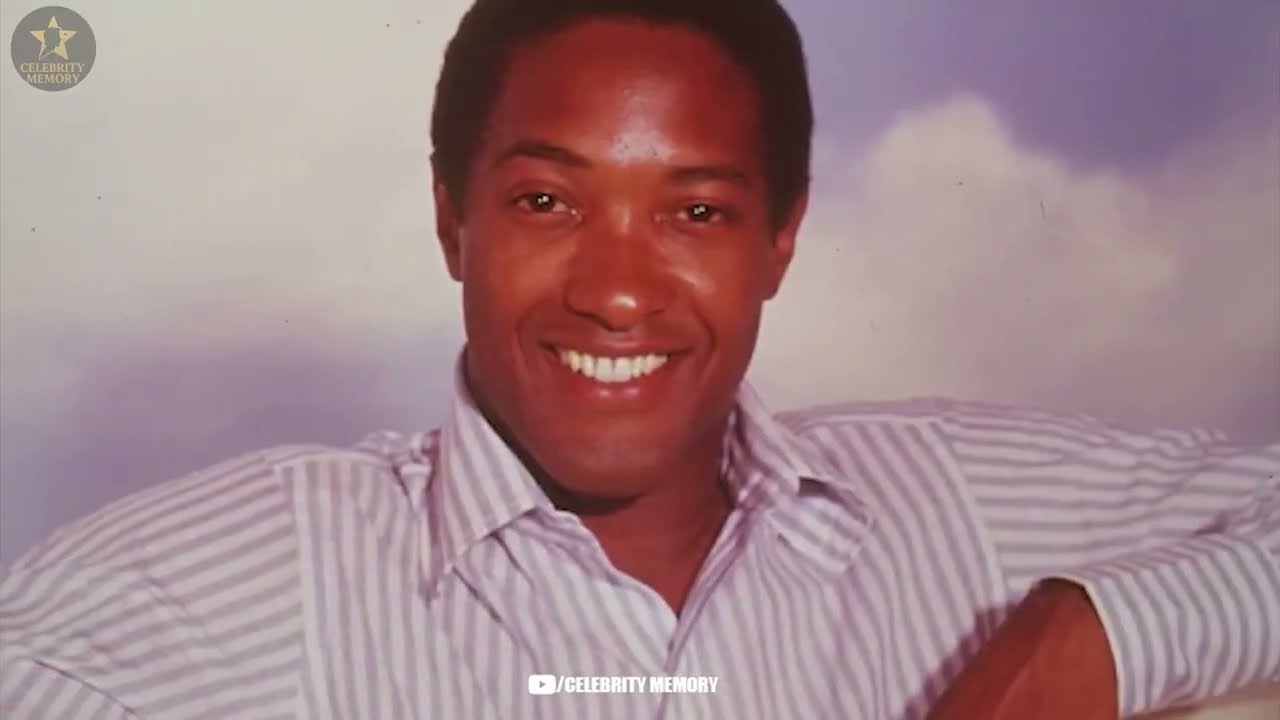
    The Night the Gospel Died: Sam Cooke

    Before she was the Queen of Soul, she was Princess Aretha, a 14-year-old gospel prodigy traveling the revival circuit with her father, Reverend C.L. Franklin. On October 14, 1956, at Mount Zion Church in Cincinnati, something happened that would alter the course of her life.

    That night, she left not with her father, but with Sam Cooke—the gospel star already worshiped as the “Voice of God.” Witnesses recall a black Plymouth pulling away toward a small roadside motel. What happened inside was never written down, but the receptionist remembered one image: a tiny girl hugging a pillow, swollen-eyed, silent.

    The next morning, her father allegedly tore up a letter from Cooke in front of her, forbidding his name from ever being spoken in the Franklin house. From that silence, a new voice was born. Aretha’s early Columbia recordings carried something different—not just gospel joy, but fracture. A careful wound wrapped in melody. Every high note sounded like a cry for salvation, every low hum like a whispered prayer to herself.

    Cooke would later become the first great crossover star from gospel to mainstream, only to die mysteriously in 1964. When the news reached New York, Aretha collapsed outside a recording studio, sobbing uncontrollably. She never spoke his name again. Yet those who truly listened knew—Sam Cooke’s ghost haunted her voice forever.

    They called that night in Cincinnati “the night the gospel died.” Not because a genre ended, but because a child’s innocence did.

    The Dangerous Sanctuary: Ike Turner

    By 1973, Aretha Franklin was at the peak of her fame but spiraling privately. Failed projects, a broken marriage, and depression pushed her into hiding. That’s when she drifted to Bolic Sound Studio, Ike Turner’s infamous creative lair.

    Their first encounter was wordless—just music. Ike on guitar, Aretha on piano, no lyrics, no introductions. A nine-minute recording survived from that night, hidden in Ike’s safe, labeled only “Aretha Take One.” For weeks afterward, she returned secretly after midnight, recording strange, intimate sessions with Ike—half healing, half temptation.

    Then came the night Tina Turner found them together. A black Lincoln Continental idling behind Soul Train Studios. Aretha in a purple scarf. Tina said only one thing, her voice cold as a blade: “Touch my man again and you won’t sing another note.”

    After that, Aretha vanished from Los Angeles for a year. She never sang Tina’s anthem Proud Mary again. In her diary she scrawled, “In his guitar, I found a sanctuary. But that same place led me astray.”

    When Ike died in 2007, another recording surfaced: “Aretha Take 4 – Midnight Mix.” A veteran producer described it only as “an audio diary, not meant for this world.”

    Ike Turner was not her love. He was her temptation—seductive, destructive, unforgettable. Aretha never confirmed it, never denied it. She chose silence, because some songs are only meant to exist once, in the dark, behind locked doors.

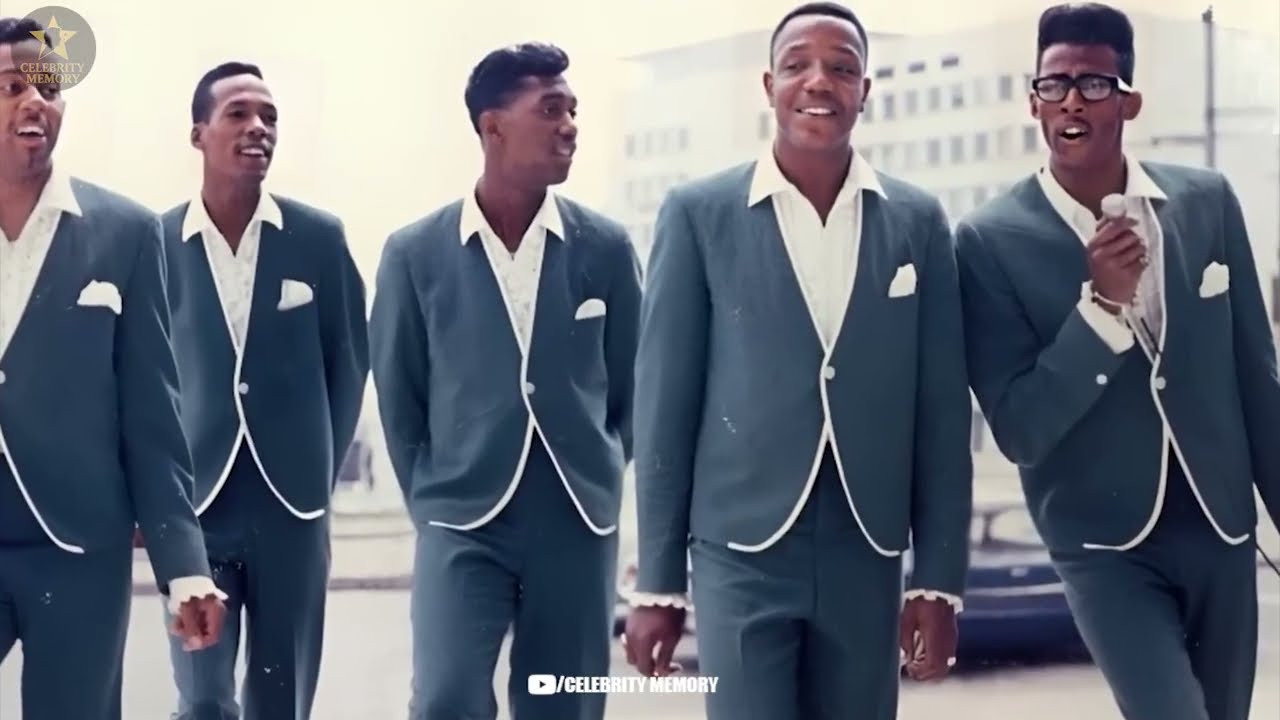
    Daydreaming of Dennis Edwards

    If Sam Cooke marked her innocence lost, and Ike Turner her dangerous temptation, then Dennis Edwards of The Temptations was the flame she couldn’t hold.

    They met backstage at the Apollo Theater in 1972. She was weary, stripped of glamor. He walked in with a glass of water and said simply: “They see you as a queen, but I just see someone who needs a hug.” That night, she didn’t go home.

    Their romance was private, fleeting, and fiery. Cadillac drives to Detroit apartments. Piano duets at midnight. Silence that said more than words. For Aretha, it was a hidden joy, a secret harmony.

    But secrets don’t last in Motown. One night in Baltimore, a record executive walked in on them at a hotel: Dennis asleep, Aretha stepping out of the shower wrapped in a towel, her eyes wide with fear. He left without a word, but Detroit buzzed within hours.

    Soon after, Aretha released Daydreaming. Fans thought it was about Dennis: “He’s the kind of guy that would say, ‘Hey baby, let’s get away…’” It soared to number one on the R&B charts. But she stopped performing it live after 1974. When asked why, she only smiled sadly: “Some songs are like dreams. If you sing them again, you have to remember how you woke up from them.”

    When Dennis died in 2018, Aretha—herself frail and ill—locked herself in her apartment, playing Daydreaming on repeat for three days. She sent Motown a single envelope afterward. Inside, one line: “He was the harmony I didn’t deserve.”

    The Shadow of James Brown

    There was one man she avoided for decades: James Brown. The Godfather of Soul and the Queen of Soul shared stages, charts, and fans—but never closeness. She never badmouthed him, but she never spoke of him either. What existed between them was not rivalry, but fear.

    In 1969, Brown invited her to a “private recording session, just the two of us.” What transpired in that winter night has remained sealed in whispers, never in her memoirs, never in interviews. But those around her knew: something happened that made Aretha vow never to be alone with him again.

    Her silence around James Brown was louder than words.

    Silence as Survival

    Aretha Franklin’s voice carried presidents to tears, won her Grammys, and earned her the title Queen of Soul. But behind the spotlight was a story of silence. Not gossip, not scandal, but survival.

    The men on her private list—Sam Cooke, Ike Turner, Dennis Edwards, James Brown, and one final name still unspoken—were not just lovers or enemies. They were chapters in a life where music became the only way to confess what could never be said aloud.

    Her songs—Ain’t No Way, Daydreaming, Ain’t Nobody Ever Loved Me—were not just compositions. They were coded diaries, heartbreaks transfigured into sound. And for those who listened closely, they revealed everything: the pain of a girl robbed of innocence, the temptation of a dangerous man, the fleeting joy of secret love, and the silence of fear.

    The Legacy of Unspoken Truths

    Aretha Franklin died as she lived—singing through pain, surviving through silence. The list she left was not about shame or revenge. It was about truth. A truth too heavy for her to speak in life, but too important to leave unrecorded in death.

    Behind every legend, there is a shadow. Behind every triumphant run, a gasp for breath. And behind every crown, there is a wound that no one dares to name.

    In Aretha’s case, those wounds became the very sound of soul itself.

    Full video:


    News

    “NFL STAR Travis Hunter STUNS Fans, QUITS Football FOREVER After SHOCKING BETRAYAL — Teammate SECRETLY Slept With His Wife and the SCANDAL That No One Saw Coming Has ROCKED the Entire League!”

    Travis Hunter’s Shocking Exit: The Jaguars Star, His Wife Lyanna, and the Scandal That Could Shatter a Locker Room When…

    “Rapper T.I. BREAKS HIS SILENCE With SHOCKING CONFESSION After His Son King Harris Gets SLAPPED With 5 YEARS Behind Bars — What He Reveals About The Arrest, The TRUTH Behind The Charges, And The DARK FAMILY SECRETS That NO ONE Saw Coming Will Leave You Absolutely Speechless!”

    TI’s Worst Nightmare: King Harris Arrested, Facing 5 Years in Prison For years, T.I. warned the world that his son…

    At 48, Jaleel White FINALLY Reveals the CHILLING Final Words Malcolm Jamal Warner Whispered to Him Before His Mysterious Death — A Secret He’s Kept Silent For Decades That Could Change Everything We Thought We Knew About Their Friendship, Hollywood’s Dark Side, and What Really Happened in Those Final Moments (NEVER Told Until NOW!)

    Jaleel White Breaks His Silence: The Untold Story of His Final Goodbye to Malcolm-Jamal Warner The news of Malcolm-Jamal Warner’s…

    Christina Ricci Just SHOCKED Hollywood By EXPOSING The DARK Truth About Ashton Kutcher – What She Revealed Has Fans DEMANDING He ROT In Jail… The Secrets, The Lies, And The Scandal That Could Finally END His Career Forever!

    Christina Ricci’s Warning and the Dark Shadow Over Ashton Kutcher For years, Ashton Kutcher and Mila Kunis were seen as…

    “Ozzy Osbourne’s FINAL Words Before His Death Leave Fans STUNNED – What He Revealed in That Heartbreaking Last Message Will Change Everything You Thought You Knew About the Prince of Darkness Forever, and the Truth Behind His Shocking Goodbye Is Sending Shockwaves Across the Music World Right Now!”

    Ozzy Osbourne’s Final Act: How the Prince of Darkness Orchestrated His Own Farewell When fans first heard Ozzy Osbourne mutter…

    “Kelly Rowland BREAKS Her Silence at 44 – The Stunning CONFIRMATION Fans Have Waited Decades to Hear Is Finally Out, and It’s So Explosive It Could Change Everything You Thought You Knew About Destiny’s Child, Beyoncé, and the Secret Truth She’s Been Hiding All Along… Until NOW!”

    Kelly Rowland’s “Dirty Laundry” of Fame: Secrets, Rumors, and the Shadows of Destiny’s Child For decades, Kelly Rowland has been…


    End of content

    No more pages to load

    Next page

  • “Kimmel and Colbert Just Broke Late-Night — And Their Netflix Pact Could Shake the News World” – News

    Kimmel and Colbert Partner With Netflix on Bold New Series The Final Broadcast

    When late-night titans Jimmy Kimmel and Stephen Colbert stepped onto a modest Los Angeles stage last night for what was billed simply as “a conversation with fans,” few expected them to unveil what may prove to be one of the most ambitious entertainment projects of the decade.

    In a joint announcement that instantly reverberated through Hollywood, the two hosts revealed they are collaborating with Netflix on a limited series tentatively titled The Final Broadcast. The project, which blends investigative journalism, documentary storytelling, and live conversation, represents an uncharted direction not only for the comedians but also for the streaming giant.

    “This isn’t just another show,” Kimmel told the crowd. “It’s not comedy, not satire, not news—at least not in the way we’ve known it. It’s a search for truth, a dismantling of noise, and a project that cannot, and will not, be repeated.”

    Colbert, standing beside him, added: “We’ve both spent years telling jokes about the news. This is the moment we step away from punchlines and step into accountability. What we’re creating here, together, is an unflinching examination of how stories are told, who tells them, and why so much of the public is left without clarity. And by the final episode, we will put every piece of evidence on the table—enough, we believe, to end some of the most toxic practices in televised news once and for all.”

    A Partnership Nobody Predicted

    Though Kimmel and Colbert have occasionally appeared on each other’s shows, their careers have largely unfolded on parallel tracks. Kimmel, with his mix of irreverence and sharp political monologues on Jimmy Kimmel Live!, and Colbert, who evolved from satirist on The Colbert Report to earnest commentator on The Late Show, have defined two distinct late-night voices.

    The Netflix project marks the first time they have committed to a sustained collaboration. According to insiders, both hosts will take extended hiatuses from their late-night chairs during production, though neither is leaving his network permanently. Netflix, meanwhile, has committed what sources describe as “an unusually high budget” for a series positioned at the intersection of entertainment, accountability journalism, and cultural critique.

    “This isn’t going to look like anything else on Netflix,” said one individual familiar with the deal. “It’s not scripted drama, not straight documentary, and not comedy in the traditional sense. It’s both intimate and sprawling. Imagine two of the sharpest observers of media turning their gaze inward — and outward — with no commercial breaks to hold them back.”

    Designed for Closure

    Perhaps the most striking element of the announcement was its sense of finality.

    “There will not be a sequel,” Kimmel emphasized. “This isn’t meant to become a franchise or a format we can repeat year after year. It’s designed to culminate. By the time the last episode airs, we intend to have laid out the entire story—what’s broken, who’s responsible, and what must change.”

    Colbert underscored that the project is not about ideology but about clarity. “We’re not in the business of issuing manifestos,” he said. “We’re in the business of asking questions. But every question we ask in this series is meant to lead to an answer. We believe audiences are hungry for clarity, and we’re going to deliver it — even if it’s uncomfortable.”

    Expanding the Circle

    Another revelation: Kimmel and Colbert will not be alone on this journey.

    “After each episode, new voices will join us,” Colbert explained. “Sometimes journalists, sometimes whistleblowers, sometimes people you’d never expect. They won’t be limited to traditional roles; they’ll come as collaborators, challengers, or witnesses.”

    Kimmel added: “We’re not gatekeeping this. Anyone willing to help reshape how television news functions — anyone brave enough to show up and speak the truth — will have a place in this journey.”

    Netflix confirmed that guest participants will range from media insiders and political figures to academics and cultural critics, though no names have yet been released.

    The Stakes for Television

    The project arrives at a precarious moment for both late-night and mainstream news media. Cable news ratings continue to slide, while late-night comedy, once a cultural lodestar, has ceded much of its dominance to podcasts, social media, and streaming clips.

    By merging their reputations with Netflix’s global reach, Kimmel and Colbert are signaling an acknowledgment of that shift — and a willingness to redefine what relevance looks like.

    “The ambition here is undeniable,” said media critic Laura Simmons. “But ambition doesn’t always translate into clarity. If they can strike the balance between accountability and entertainment, they could change the way audiences engage with televised truth. If not, it risks becoming another echo chamber.”

    Former CNN anchor Don Lemon was more optimistic. “The fact that they’re willing to risk their reputations on a project they say will never be repeated speaks volumes. This isn’t just another content deal. It’s a shot across the bow to the entire industry.”

    What Comes Next

    Production on The Final Broadcast is expected to begin later this fall, with a premiere tentatively slated for late 2026. While Netflix has not confirmed an episode count, sources suggest between six and eight installments, each running over an hour.

    For fans, the announcement represents an unexpected merging of two late-night voices. For critics of television news, it signals a possible reckoning. And for Netflix, it is a gamble on a format that refuses to fit a mold.

    As the event concluded, Colbert offered a parting thought that captured the ambition of the project:

    “We’ve made a lot of people laugh about the news,” he said. “Now it’s time to see if we can make people believe in it again.”

  • BREAKING: FBI releases photo of person of interest in the Charlie Kirk case – The chilling message he left in a place no one expected revealed his motive, but the glasses in the tactical outfit exposed a truth no one wants to mention He left no clear trace. Only a fragment… and a chilling message carved deep into the memory of those who saw it. Authorities released the first photo – but instead of dispelling the mystery, it opened up a series of new questions. A cryptic line was found in a place no one expected, revealing the dark motive behind it. But that was not the end. In the photo, a seemingly small detail became the key point. A pair of glasses with the tactical outfit suddenly became the focus. That very detail is now steering the entire investigation in a different direction. And what it exposed… is a truth many people do not want to speak of. The question is: what will that truth ultimately change? – News

    FBI releases photo of person of interest in the Charlie Kirk case – The chilling message he left in a place no one expected revealed his motive, but the aviator glasses in the tactical outfit exposed a truth no one wants to mention

    The Shock That Froze a Campus

    It began as an ordinary September evening at Utah Valley University. Students had gathered for what they thought would be a routine appearance, a lecture, a chance to see a figure whose name had become familiar across the country. Phones were up, lights were bright, and the atmosphere buzzed with the kind of excitement that usually surrounds high-profile campus events.

    Then, in an instant, that atmosphere turned into chaos. Shouts replaced cheers, panic overtook anticipation, and within moments, hundreds of students were rushing for safety. Security teams scrambled, faculty members screamed for calm, and the air was filled with confusion.

    In the center of it all, Charlie Kirk — just 31 years old — collapsed. Attempts to revive him failed. Within minutes, the tragedy spread beyond the auditorium walls and raced across the internet, flashing on every major screen in America. The words “Breaking News” scrolled endlessly as anchors, correspondents, and analysts tried to explain what had just happened in Orem, Utah.

    What was supposed to be another speech on another college night had become one of the most shocking national stories of the year. And almost immediately, the questions began: Who was responsible? Why here? Why now?

    FBI Steps Forward – The Image That Sparked a Nationwide Hunt

    By Thursday morning, the Federal Bureau of Investigation stepped into the spotlight. Their office in Salt Lake City released a single image: a grainy but unmistakable frame of a person dressed head to toe in dark tactical clothing, a cap pulled low, sunglasses concealing the eyes.

    We are asking for the public’s help identifying this person of interest in connection with the fatal incident at Utah Valley University,” the statement read. Alongside the image came a promise: a reward of up to $100,000 for information that would lead investigators closer to answers.

    For many, the picture was almost cinematic: a lone figure, faceless behind shades, frozen in time as if lifted from a thriller. Social media erupted with speculation. Was this the mastermind? A decoy? Or simply an unfortunate bystander now immortalized in mystery?

    Instead of quelling the speculation, the release fueled it. Every detail — the gloves, the stance, the choice of glasses — was dissected. Online forums compared the outfit to military-style gear. Commentators pointed out the strange blend of tactical precision and casual mistakes. Why wear such a conspicuous outfit to a crowded event? Was this arrogance, or was it deliberate misdirection?

    The photograph, intended to narrow the search, had opened an entirely new labyrinth of questions.

    The Carved Message – Words No One Expected

    Then came another twist. Federal investigators confirmed they had recovered a bolt-action rifle abandoned in a wooded area near the university. At first, the announcement sounded routine — a potential clue in a sprawling search. But what stunned both authorities and the public was not the object itself, but what was found on it.

    On the brass casings left behind were hand-engraved inscriptions. Crude, uneven, but impossible to ignore. They carried phrases that referenced anti-fascist themes, identity struggles, and obscure slogans connected to fringe subcultures.

    The revelation sent shockwaves through the media. These were not random scratches; they were deliberate. They appeared to represent a personal creed, a manifesto reduced to etchings. Experts in forensic psychology called it “a chilling breadcrumb trail” — the kind of behavior that suggests a desire not just to act, but to be remembered.

    One criminologist told reporters: “We rarely see this. To carve words into metal is time-consuming. It suggests forethought, obsession. And it transforms the object from a tool into a message.”

    What was the message? Analysts debated whether the inscriptions were a protest, a warning, or an attempt to confuse. Some argued they pointed toward a broader ideological grievance. Others dismissed them as the ramblings of an unstable mind.

    But whatever the interpretation, one thing was undeniable: the words turned the case from a local tragedy into a symbolic battlefield over meaning, motive, and message.

    The Glasses – The Detail That Changed Everything

    As the photograph of the person of interest circulated, one detail began to dominate the conversation: the eyewear. Nestled beneath the tactical cap and above the high-collar shirt were unmistakable aviator-style glasses.

    At first glance, it seemed insignificant. Plenty of people wear sunglasses. But to investigators, and later to amateur sleuths online, the choice stood out.

    Why aviators? Why not standard wrap-around sport lenses, which typically accompany tactical outfits? Why a style historically linked to pilots, flight crews, and aviation culture?

    Theories erupted. Some saw it as mere fashion. Others believed it was intentional symbolism. But the most haunting speculation came from those who connected it to whispers about an unexplained development just miles away from the crime scene.

    The glasses, it seemed, were not just eyewear. They were a clue — perhaps the only clue — that tied the mystery figure to something larger than anyone had anticipated.

    The Vanishing Jet – A Hole No One Wants to Admit

    As reporters dug deeper, attention shifted to Provo Airport, a small facility less than five miles from Utah Valley University. On the night of the tragedy, despite the chaos unfolding nearby, the airport remained open. No immediate lockdown was ordered. Flights continued.

    And then came the revelation that made headlines: a private jet had departed, only to vanish from radar shortly afterward.

    Officials admitted the sequence of events was unusual. While a massive manhunt had been launched on the ground, the skies above remained accessible. Into that gap slipped an aircraft that, according to some sources, may have never been properly accounted for.

    The combination was explosive. An unknown figure in tactical gear with aviator glasses. A jet vanishing from a regional airport at precisely the wrong moment. A federal investigation that suddenly looked less like a local probe and more like a potential failure of national security protocols.

    Former aviation officials questioned why the airport was not locked down immediately. Pilots noted that departing without scrutiny during a crisis was highly irregular. And ordinary citizens asked the question no one wanted to voice: Had the suspect escaped by air?

    The aviator glasses now looked less like an accessory and more like a signature — a subtle nod to the method of escape, a taunt left in plain sight.

    Aftermath – A Nation Waiting for Answers

    Days have passed, yet the trail remains clouded. The FBI continues to request the public’s help, urging anyone with information about the person of interest to call their hotline. The $100,000 reward remains on the table, waiting for the lead that could break the case open.

    Meanwhile, the chilling details linger in the public mind. A university scarred by chaos. A community grieving the loss of a young public figure. Brass casings etched with words that speak of anger and alienation. A photograph of a faceless figure cloaked in shadows. And above all, those aviator glasses — gleaming under fluorescent light, pointing toward a truth so disturbing that few want to contemplate it.

    What is that truth? That someone slipped through the cracks? That an escape route was left wide open? That a mystery jet disappeared into the night sky while an entire nation mourned?

    In living rooms, classrooms, and coffee shops, the conversation refuses to die down. Theories multiply. Experts argue. Families whisper. And the haunting phrase from one analyst echoes louder with each passing day:

    “Sometimes it’s not the bullet that leaves the scar — it’s the unanswered question.”

    Until answers come, the scar remains.

  • ‘NO WAY BACK!’! Anthea Turner SHATTERS SILENCE With BRUTAL Eight-Word Verdict On Eamonn Holmes .K – News

    EXCLUSIVE: GMTV and Blue Peter legend Anthea Turner has opened up about her feud with Eamonn Holmes.

    Anthea Turner at National Television Awards

    Anthea Turner has addressed her feud with Eamonn Holmes (Image: Getty)

    BBC Blue Peter legend Anthea Turner has spoken out about her famous feud with co-star Eamonn Holmes while they worked together on GMTV in the 1990s. Their backstage row turned so nasty that in 1996, Eamonn even gave producers an ultimatum as he told them he would leave if she wasn’t axed from the show.

    Things turned extremely frosty as he called her ‘Princess Tippy Toes’ in an interview, something which she admits leaves her hurt even now. But the pair have seemed to have patched things up, as they were seen together in a photo back in March, with Eamonn calling her a “top girl”.

    But things don’t appear to have been completely smoothed over. Talking to Express.co.uk about their feud, Anthea pointedly said: “I don’t think Eamonn and I speak lots…” as she added: “Those are just headlines saying that we reunited.”

    Ruth, Eamonn and Anthea

    Eamonn and Anthea eventually ended their feud years later (Image: Getty)

    She added: “Obviously, there was the hullabaloo. In fact, I went to Belfast where he was doing a show, and I remember going up there, it must have been about 15 years ago, and we signed a Good Friday Agreement.”

    Meanwhile, Anthea also recalled the time she was nearly killed while filming Blue Peter when a pyrotechnic display accidentally exploded in her face during a motorbike stunt gone wrong.

    She said: “I have to say, my goodness me, had I sat literally a few more inches nearer to the pyrotechnic, it would have done some proper damage to me,” she says today. “Had I sat slightly toward the centre of the tailgate, and I’m talking inches here, centimetres, the motorbike would have just gone into the back of my head. So I was so lucky.”

    She was scarred for life after the incident, as she revealed one of her hands is whiter than the other after several layers of skin were burnt off.

    Anthea said: “My hair disappeared, my fringe, lashes and eyebrows were gone,” she remembers of the horrific moment. “But I just rolled on the floor and it all just happened so quickly.

    “I remember getting taken away to a tent and looking in the mirror and thinking ‘Oh my God’, so it was quite frightening. But obviously, I’m thankfully here to tell the tale. But only just.”

    If there was one thing to come out of it it’s that she has become the public face of health and safety at the BBC. Anthea joked: “I’m on the BBC safety video!”

    Invalid email

    We use your sign-up to provide content in ways you’ve consented to and to improve our understanding of you. This may include adverts from us and 3rd parties based on our understanding. You can unsubscribe at any time. Read our Privacy Policy

  • (Appalachia 1700s) Curse That makes the entire Family to survive till death – News


    Welcome back to history they buried. What you’re about to hear isn’t just a story. It’s a warning. There are villages in England that never make it to the guide books where stone cottages lean against one another as if whispering secrets and church bells ring into valleys that never seem to answer back.


     Heroic Hollow is one of those places. A valley where the mist lingers long after dawn. Where the earth feels older than the maps that claim to chart it. and where one family, the CERS, rose from obscurity to dominance, with wealth no harvest could explain. To the world outside, they were a lineage of prosperous landowners, benefactors, and shrewd traders.

     But to those who lived under their shadow, they were something else entirely. The villagers spoke in fragments, in phrases cut short by fear, in glances exchanged across tavern tables when the name was mentioned. Prosperity, yes, but prosperity that came with a silence heavy enough to choke generations.

     Imagine living in a valley where bird song fades the moment you step too close to the wood, where children are told never to wander after dusk, not because of wolves or highwaymen, but because the hollow takes what it is owed. These warnings weren’t written down. They didn’t need to be. They were lived.

     The Cder estate stood at the center of it all. a manner built not to welcome but to watch. Its narrow windows stared out across the valley like unblinking eyes, and its stone walls, blackened by centuries of damp mist, seemed to drink in the silence rather than echo it back.

     To step into heroic was to step into a place where history had been carefully trimmed, pruned of its worst truths, leaving only whispers carried in the fog. What made the CER family untouchable wasn’t simply wealth. It was the covenant, not a treaty signed with lords or kings, but a pact far older, inked not in documents, but in ab. For every unexplained fortune, there was a missing child.

     For every thriving harvest, a family left one chair empty at supper. The hollow took, the cders prospered, and the villagers endured generation after generation. But tonight, we’re going to peel back the silence that smothered this valley. We’re going to ask the questions no one dared voice. Follow the paper trails that should have been burned and step inside the rooms bricked up to keep the world from seeing what was done there.

    This isn’t folklore. This isn’t superstition. This is the hidden legacy of the Cder family of Heroic Hollow. Before we begin, remember this channel isn’t for the faint of heart. If you’re here, you crave the stories that keep others awake at night.

     Hit subscribe and tell me what county are you listening from? Could you handle a story like this unfolding in your own backyard? Next, we uncover the first whisper of their power hidden in the mist that never leaves the hollow. If you ask those who grew up in Heroic Hollow what they remember first, they’ll tell you it’s not the people, not the fields, not even the church bells.

     It’s the mist, thick, low, and almost alive, it clings to the valley like a second skin. Even on clear mornings when the sky above shines pale and empty, the hollow below breathes out its fog, curling it around hedge, sinking it into furrows and laying it heavy over gravestones. Outsiders say it’s just weather. Locals know better. They’ll tell you the mist doesn’t just cover, it erases. Paths vanish in it.

    Footprints dissolve within minutes. Voices thin into whispers even when shouted across the lane. And once more than one villager swore the mist swallowed a child whole before their very eyes. Animals sense it too. Birds cut wide arcs to avoid the valley. Dogs refuse to enter certain paths, whining and clawing to be turned back.

     Cattle grow restless before dusk, their eyes rolling toward the treeine as if watching for something that never shows itself. By nightfall, the hollow feels less like farmland and more like a lung holding its breath, waiting. At the center of it all rises colder manner. Its walls, built from the same dark stone, quarried out of the valley itself, seem to merge with the mist, as though the building isn’t made of rock, but of the hollow’s own breath.

     From the village lanes, the manor looms always in sight. A black silhouette above the fog, its slit-like windows staring over the valley like watchtowers. Villagers never say they live with the cders. They say they live under them, and in a way they always have. What puzzled outsiders most was how the cders flourished where others failed. Famine, plague, and poor soil crippled neighboring parishes.

     Yet heroic hollow thrived. Harvests were fuller here. The cers flocks grew fatter. Their orchards bore fruit even in years of blight. Merchants traveling through spoke of tables groaning with food, barns bursting with grain, while just 2 mi away children starved. How could such fortune exist in a valley shrouded by constant mist. Villagers had an answer. They just never spoke it aloud.

     In taverns, when the drink loosened their tongues, you might hear it whispered, “The cders have bound the hollow.” No one would explain what that meant, not directly, but it was understood. Prosperity didn’t come free. Something had to be given. A parish survey in 1721 notes in its margins, “The hollow prospers where the county starves.” Another villagers will records the plea, “May my sons not be chosen.

    ” These aren’t the words of peasants fearing superstition. They are admissions carefully disguised as scribbles and margins scattered through centuries. They are fragments of a bargain that everyone knew but no one dared write plainly. It wasn’t just the mist that erased what should have been seen. It was silence.

     Silence that protected the cers. Silence that ensured the hollow continued to feed them. But every covenant leaves its trace no matter how carefully concealed. Theirs was recorded in ink. Next, we uncover a ledger that should not exist. A church record written not only by priests, but in the careful hand of theers themselves. The first true crack in heroic silence didn’t come from rumor or gossip. It came from paper.

     Among the parish archives of St. Oswald’s church, tucked away in a locked drawer that hadn’t been opened in decades. Sergeant Alden Harowick, an archavist by training before he ever wore a badge, found a book that should not have existed. Its cover was plain brown leather eaten with mildew, its clasp broken, the title simply the ledger of the hollow.

     Inside it masqueraded as a parish record. At first glance, the pages were filled with births, baptisms, marriages, and deaths, as you’d expect in any small rural community. But as Alden flipped deeper, the handwriting changed. Some entries bore the careful, inkthin hand of parish priests.

     Others were written in a heavier, more deliberate script, called hands, unmistakable from letters preserved in the county archives. Why were the family themselves recording names alongside priests? Why did those names appear again and again marked with strange annotations like taken, promised, or spared? And most unsettling of all, why were many of those children’s deaths never recorded in official registers? The first irregular entry came in 1681.

    Thomas Calder, son of Richard, spared at Lamis. Three pages later, Ellen Redern, age 7, taken for Equinox, with gratitude. This pattern continued for almost two centuries. The rhythm was unmistakable. Twice each year in spring and autumn, a child’s name entered, marked with the chilling note, taken. Sometimes the surname belonged to local families, the Bells, the Harpers, the Greavves.

     More often than not, it was called to the outside world. The family looked fertile, blessed with children who inherited wealth, land, and influence. But the ledger told another story. Half the names ended in taken. Alden traced the ink with gloved fingers, feeling how the quill had dug deep into the parchment, bent, as though the writer pressed too hard, unwilling or unable to write the words lightly. These weren’t scribbles or gossip.

     They were official acknowledgements of a covenant that spanned centuries. The most chilling page bore a name almost lost to damp and mildew. Jonas called her chosen at birth offered at 6 days old. Alden stopped. A newborn. The church bells had rung for a christening that never happened, and the child’s name was never entered in county records.

     How many others had been erased the same way. The further he read, the more undeniable it became. The prosperity of Heroic Hollow wasn’t coincidence. It was transaction, grain for flesh, rain for silence, and always, always under the cers’s watch. Yet one page stood out above all. 1822. A different hand. The ink darker, fresher, bolder. If the hollow is not fed, it feeds itself.

     The roots remember, the mist remembers, we remember. signed not by a priest but by Samuel Cer himself, patriarch of the estate. Alden closed the ledger and sat in the stillness of the archive. Through the window the hollow lay smothered in its familiar fog, for the first time he felt it pressing back against the glass, as though the valley knew he had seen too much.

     Next, we follow Alden as he digs into the Cder archives at the manor itself, uncovering a sealed collection of letters that hint at dealings far beyond Harrow. The ledger had been damning, but Alden Harowick knew it wasn’t enough. Parish books could be explained away. Clerical error, damp damage, mistransation.

     If he wanted proof of intent, he needed to go higher, deeper into the Cder estate itself. The manor sat at the north end of Harrow Hollow, its stone walls half swallowed by ivy, its windows shuttered against the mist. Locals still called it the house of quiet, though no one could recall who coined the phrase. Alden, armed with a countyissued writ, and his own knowing suspicion, convinced the last living heir, an ailing widow named Margaret, to let him review the family’s archives.

     She led him to the upper floor where a locked oak door barred the way. The iron key trembled in her hand as she passed it over. “Some things,” she whispered, “are best left where they lie.” The room smelled of dust and candle grease, trunks, cabinets, and shelves crowded every wall, the air heavy with the weight of centuries.

     At first Alden leafed through mundane records, tenency agreements, grain tallies, hunting ledgers. Then, at the bottom of a walnut chest wrapped in oil cloth, he found a bundle of letters tied with a red silk ribbon. The wax seals bore the crest, a tree root curling around a human skull. His stomach tightened.

     The letters spanned from the 1700s to the early 1900s. They weren’t accounts of farming or estate business. They were correspondents between CERS and other landholding families, names from villages as far as Durham, Cumbria, and Yorkshire. The language was careful, but the intent clear. The hollow has yielded after midsummer. Your offering was received. Expect rain within a fortnight.

    Do not delay lamas, lest the soil grow restless. Each line sounded agricultural, even pious. But paired with the parish ledger, Alden understood these weren’t crops being exchanged. They were lives. One letter in particular froze him. Dated 1819, addressed to a reverend Silas brand in Whitby.

     It read, “If the child is marked unbaptized, the veil is thinner and the hollow feeds more deeply. Send only the unbaptized or the root will not answer. the root. Again and again the word appeared, capitalized as though it were a god, a sovereign, a power older than the church above it. Another letter from 1837 boasted, “The last harvest brought us 12-fold return.

    Our cattle thrive where others starve, and no fever lingers here. Remember, the soil remembers sacrifice, and the soil rewards.” Alden sat back in the creaking chair, hands trembling. This was no isolated family madness. This was a network, a society spanning counties, bound by blood and ritual.

     He copied the letters by hand, every word, knowing the originals might never see a courtroom, but one fragment chilled him more than all the rest. A note slipped between the letters, written in a frantic scroll with no date, no signature. When the hollow is hungry, the mist will carry the faces of those promised.

     Do not look into it, or you will follow. The candle sputtered as though on cue. Alden glanced at the shuttered window where the fog pressed close against the glass. For a moment, only a heartbeat, he thought he saw the faint outline of a child’s face in the mist, staring back at him. Next, we follow Alden as he descends into the manor’s sealed basement, where he discovers objects far more tangible and terrifying than letters. The letters had left Alden shaken, but words on paper could always be dismissed, misinterpretation,

    forgery, even superstition. What he needed was something solid, something no magistrate could ignore. Margaret Cder, though reluctant, admitted the manor held places no one had entered for decades. My husband locked it, she murmured, eyes fixed on the floorboards. He said, “The house remembers. Once you open it, the house begins to speak again.

    ” She led Alden to the western wing, to a door half-concealed behind a motheaten tapestry. Its iron lock was rusted, but the key, long and cold, still turned. The air that seeped out was stale, carrying the sour tang of damp stone and something else, something coppery that made the back of Alden’s throat tighten.

     The stairwell descended in a tight spiral, each step uneven, worn smooth by centuries of use. His candle threw jagged shadows against the wall, shapes that seemed to move when he blinked. At the bottom lay a vated chamber, its ceiling low, its walls sweating with moisture. The floor was not bare stone. It was earth, dark, rich, and oddly soft beneath his boots.

     In the center of the room stood a circular pit lined with stones, no larger than a baptismal font, its interior blackened by fire. Charred bones lay scattered around it, some small, unmistakably human. Alden bent to examine one fragment. The edges were too clean, too deliberate, as though cut before burning. He forced himself to place it back gently, though his hands shook. Around the chamber, wooden crates had rotted into splinters, but their contents survived.

     Tiny shoes no larger than those of a six-year-old brittle leather cracked with age. Cloth dolls stitched crudely by hand, their button eyes scorched, a tarnished silver rattle, its handle bent, all placed neatly as though offerings then abandoned. Each object seemed to hum with a quiet dread as though he g it remembered who once held it.

     At the far end of the chamber, a heavy stone slab leaned against the wall. Strange grooves had been carved into it, spirals that led inward to a single central point. Alden touched the groove with his fingertip and recoiled. The stone was warm, though the room was cold. His candle guttered as though some breath passed through the chamber, unseen but palpable. He took out his notebook and began to sketch the carvings, careful not to linger too long.

     Just as he turned to leave, something caught his eye. Beneath the pit, partly hidden in the soil, lay another bundle, this time not letters, but a ledger bound in cracked leather. Its pages were damp but legible. Each line bore a name, a date, and a note. unbaptized hollow claimed soil replenished.

     The most recent entry was from 1894. The name listed was Thomas Harowick, his own great uncle, recorded as unbaptized delivered. His stomach lurched. This was no distant myth. His family was bound in the ledger itself. As Alden staggered back, his candle flickered violently, throwing shadows across the pit. For a heartbeat he saw figures gathered around it, hooded, silent, their faces indistinguishable.

     But when he blinked, only mist clung to the chamber, curling upward from the soil. Next, we follow Alden as he takes the ledger back to his rectory and learns the terrible truth of how deeply his own bloodline is entangled in the covenant. Alden carried the cracked ledger back to the rectory wrapped in his cloak, terrified someone might see him holding it.

     The night outside was suffocatingly still, the hollows fog curling around his lantern as though guiding him home. Once inside he locked the door, lit every candle in his study, and laid the book upon his desk. For a long while he simply stared at it, the leather cover mottled with mold, the pages swollen with damp. It felt less like a record and more like something alive, waiting to be read.

     He opened it with trembling hands. The ink had bled in places, but the handwriting remained clear. Each entry was precise. Names, years, notes. Some were marked baptized, rejected, others unbaptized, claimed. The pattern was unmistakable. Children who had not been christened were offered to the hollow.

     Their deaths concealed within the parish books as still births or fevers. Each claimed child’s name was followed by a mark, a spiral symbol matching the grooves carved into the stone slab in the basement. At first, Alden forced himself to view it clinically as evidence, but then as the years crept forward, the names grew more familiar.

    Harrow, Everdan, Cray, old families of the valley. Some still lived in cottages that lined the green. And then he saw it. Thomas Harrowick 1894 unbaptized delivered his great uncle remembered the family story that Thomas died of a sudden fever before his first birthday. But here in spidery ink was the truth.

    He hadn’t died naturally. He’d been chosen. The deeper Alden read, the more unbearable it became. His ancestors, recctors and farmers alike, had been complicit. The heroic line was not victim alone. In earlier entries, his forebears names appeared in the delivered column.

     Men who had stood at the pit and offered their neighbors child to the soil. His stomach churned. The family legacy he had spent his life protecting had been built on betrayal and blood. He pushed the ledger away, but it seemed to cling to him, the spiral marks crawling across his vision, even when he shut his eyes.

     Trying to steady himself, he reached for the parish Bible on the shelf. He placed it beside the ledger, leather against leather, scripture against sin. One was clean, one was blackened, yet the room seemed to lean toward the darker book. For a dreadful moment he felt as though the Bible itself had lost its weight.

     Then came the sound, a soft scrape at the window. Alden froze, every candle flame flickering as if in response. Slowly he turned. The fog pressed against the glass, thicker than before. Within it, faces swirled, childlike, pale, eyes wide, and unblinking. One face pressed so close he could see the curve of its lips, mouthing words he could not hear.

     His breath caught in his throat. He snatched the ledger shut, wrapped it in cloth, and shoved it into the bottom drawer of his desk. But the mist lingered, watching as though the book had awakened something that would not let him go. Next, we uncover how Alden seeks help from the surviving villagers, only to discover their silence is not ignorance, it’s complicity. For days, Alden carried the weight of the ledger like a millstone around his neck.

     Each sermon he preached felt hollow. Each hymn cracked against the rafters of the church like brittle glass. He could not shoulder the truth alone. So one evening, as the bell told Vespers, he sought counsel from those who had lived longest in the hollow, men and women whose families had been rooted here for centuries.

     He called first upon Joseph Everdan, the blacksmith. Joseph was broad-shouldered, hands scarred from decades of work, his voice usually booming. But when Olden laid the ledger on his workbench, Joseph fell silent. He did not ask where it came from or what it meant. Instead, he ran his callous thumb over the spiral etched on the page as if tracing a memory.

     “I wondered when this would come back,” he muttered, not meeting Alden’s eyes. “Next, Alden brought the book to Martha Cray, the widow who lived at the edge of the green. She was bent with age, her skin like parchment, but her gaze was sharp as flint. She did not flinch at the names within. Instead, she whispered, “It’s always been this way, Reverend. Long before you, long before me, the hollow feeds or the hollow takes.

    ” She closed the book gently, as though tucking a child into bed. Olden’s horror deepened with each visit. The villagers knew they had always known. Not one expressed surprise, only resignation. The sacrifices were not secrets. They were traditions. concealed beneath the veil of parish records, but carried openly in the marrow of the community.

     The silence that had haunted him was not ignorance, but complicity, as deep and binding as the soil itself. At last he gathered them all in the church, the ledger laid upon the altar. His voice rang against the stone walls, desperate. Do you not see what this means? Innocence, our children, taken, bartered, burned. This is not devotion. This is damnation. His were dee echoed but no outrage answered.

     Instead the villagers sat still in their pews, heads bowed, not in shame but in something colder. Acceptance. Old Martha Cray rose, her cane striking the flagstones. Reverend, she said, without the hollow there is nothing. No harvest, no health, no hollow. Do you think your own family was spared? Open the book again. You’ll see the heroics gave as much as they gained.

     Her words struck Alden like a blade. He had seen the entry, his own greatuncle, sacrificed, and yet she spoke not with sorrow, but with pride, as though the offering was an honor, a duty fulfilled. The congregation began to hum and steady, a sound that reverberated through the rafters. It was not a hymn he recognized, but something older, wordless, carrying the rhythm of soil tilled and fires fed. Alden’s voice faltered.

     His authority, his faith, felt like ash in his throat. For the first time, he realized he was not the shepherd calling lost sheep back to the fold. He was the lone outsider standing before a flock that had chosen another master long ago. The candles flickered violently, shadows stretching long across the stone walls. Alden slammed the ledger shut, his heart pounding.

     The humming stopped all at once, leaving a silence so deep it felt like a tomb. Then Martha spoke again, softly, but with a finality that chilled him to the bone. The hollow is listening now. Next, we uncover what happens when Alden dares to challenge the Covenant directly, and the hollow answers. Sleep abandoned Alden in those nights that followed.

    Every creek of the rectory, every sigh of the wind against the shutters carried the weight of the villagers silence. He could not unsee the ledger, could not forget the faces in the fog. If the hollow had fed for centuries, if his neighbors accepted it as the price of survival, then it was left to him alone to resist, to fight, even if it meant damning himself.

     He began with prayer, hour after hour, kneeling before the altar. His voice cracked until it was little more than a whisper, but no peace came. Instead, the mist pressed harder against the stained glass, dimming the light even at midday. Scripture felt brittle in his hands. Words of another world that held no dominion here. So Alden turned to ritual of his own.

     He scoured the Cder archives again, hunting for weakness in the covenant’s language. He traced every spiral carved in stone, every offering described in careful euphemism. The pattern became clear. Unbaptized children claimed and burned, their absence concealed as illness.

     But if the hollow fed on what was withheld from God, perhaps sanctity could starve it. Baptism, light against soil’s hunger. Armed with this thought, he began baptizing every child in the hollow, whether families consented or not. He would arrive at cottages unannounced, a vial of consecrated water in his hand, prayers spilling from his lips. Some parents recoiled, others wept, but none resisted outright.

     They knew what he was doing. They knew what it meant. And in their silence he saw fear, not of him, but of what would follow. It did not take long. One night, as he poured water over the brow of an infant, thunder cracked through no storm brood. The flames in the hearth died at once, leaving only the hiss of the wind.

    Outside the mist rose higher than the trees, coiling like smoke around the cottage. The baby wailed, but bene with its cry came another sound deeper, inhuman, a groan that seemed to rise from the soil itself. The villagers turned their eyes from him in the days that followed, where once they had nodded politely, now they crossed themselves when he passed, doors closed, shutters slammed, children were snatched away at the sight of him.

     He had broken something, not the covenant, but the unspoken agreement to never challenge it. One evening, as Alden crossed the village green, he found the chapel door unlatched. Inside, the altar was bare, the crucifix toppled, the ledger placed at the center as though enthroned. On its open page, a fresh entry had appeared, ink glistening though no pen had touched it.

     Olden Harrow, baptized, marked for the hollow. His blood ran cold. He reached out, but the page rippled like water beneath his hand. The candles guttered, though no wind stirred, and from the rafters came the low, rolling hum he had heard before, the villagers wordless hymn. Only this time it was not the villagers voices.

     It was the earth itself, singing through stone and soil. Next, we uncover what happens when Alden realizes the hollow has claimed him, and that escape may no longer be possible. Alden staggered back from the ledger, his breath shallow, as though the book itself had stolen the air from his lungs, his name stared at him from the page, fresh, deliberate, impossible. No hand had written it, yet the ink shone as if moments old.

     He whispered scripture under his breath, clinging to words like a drowning man clings to driftwood, but the sound seemed to echo strangely, swallowed by the very walls. The chapel no longer felt like sanctuary. The pews leaned as if bowing to the altar, the stone floor vibrating faintly under his boots, pulsing like a heartbeat.

     He fled into the night, hoping the cool air might clear his head. But outside the village green was deserted. No lanterns glowed in windows. No voices drifted from cottages. Heroic Hollow was silent, yet the mist churned thick and alive, curling toward him as though it knew his name, too. He reached the rectory and barred the door, but sleep refused him.

    When exhaustion finally forced his eyes closed, dreams came thick and fevered. He saw roots twisting through the floorboards, wrapping around his ankles, pulling him beneath the soil. He heard the lullabies the villagers hummed, only now they carried words he could not bear to understand.

     and always in the distance a child’s cry, thin and endless. Morning brought no relief. On his desk lay the ledger, though he swore he had left it in the chapel. The entry of his name had multiplied. Each page now bore it, row upon row, scrolled in varying hands, some jagged, some elegant, some almost carved into the paper. There was no escape.

     The hollow was binding him, weaving him into its history as it had done with generations before. He burned the book in desperation. Flames devoured the brittle pages, smoke curling black and acrid. But when the last ember died, the ledger sat intact among the ashes, its leather unscorched, its ink darker than before. The covenant could not be undone by fire.

     By evening, knocks came at his door. Slow, deliberate, he opened to find no one, only the mist spilling inside like a living thing. But when he turned, muddy footprints stretched across his floor, leading to the chapel, not his own, smaller, barefoot, child-sized. Alden followed, heart pounding, each step heavier than the last.

     The chapel door stood wide, though he knew he had locked it. Inside the pews were filled. Figures sat silently in the mist, their faces indistinct, yet every head turned toward him as he entered. The hymn began low and resonant, vibrating in his chest. This was no congregation of villagers. These were shadows, remnants of every offering the hollow had ever consumed.

     At the altar, the ledger opened itself. A fresh line appeared even as he watched, marked not for silence, but for sacrifice. The words bled across the page as if written in his own blood. Next, we descend with Alden into the origins of the covenant. As he learns there is a place older than the chapel or the ledger, the true root of Heroic Hollow.

     Alden stumbled out of the chapel into the night air, shaken to his core. The Ledger’s words clung to him like a curse, sacrifice. He wanted to run, to leave heroic hollow behind. But the mist thickened at the valley’s edge, curling like a barricade. It was as if the land itself would not let him leave.

     He returned to the rectory, hands trembling, and searched for any clue that could explain what he had seen. In the vest cupboards he found old parish records, births, deaths, marriages. At first they seemed ordinary, but the deeper he dug, the more patterns emerged. Entire families disappeared from the records without explanation. Infants marked as stillborn, though there were whispers of them living for weeks.

     Young boys and girls recorded as sent away when no guardian ever came forward. Tucked between the records was a brittle sheath of papers older than the rest. They were written in a hand more jagged, more frantic. At the top, a single phrase repeated three times. The church was never first. The root was always beneath.

     Alden’s skin prickled as he read on. The papers described a clearing deep in the forest older than heroic village itself. stones arranged in a circle, half buried and moss choked. Beneath them, a hollow chamber where villagers once gathered before the church was ever built. They called it the root cellar.

     The writings claimed the chapel had been placed directly over this spot, not to consecrate it, but to contain it. Yet the rituals had continued beneath generation after generation, feeding the thing they called the hollow root. Alden’s throat tightened. It wasn’t the church that was holy ground. It was the soil beneath it, blackened by centuries of offerings. He thought of the children’s shadows in the pews, the bare footprints across his floor, the hymn echoing from unseen throats. They weren’t bound to the chapel. They were bound to the ghee round itself. Determined, he ventured

    into the woods by lantern light. Branches clawed at his cassac, roots caught his boots. The mist seemed to thicken with every step until it hung heavy as a curtain. Then ahead he saw them. Stones in a wide circle, slick with moss, their surfaces carved with symbols far older than Latin. His lantern shook in his hand.

     The ground within the circle looked different, softer, disturbed, as though recently turned. Kneeling, Alden brushed back the damp soil and uncovered wood. Rotting planks fitted crudely together. A door. The root cellar was real. From below, faint as breath, came a sound, not wind, not water, a lullabi, the same tune he had heard whispered through the village walls.

     But down here it was deeper, resonant, almost mechanical, as if the earth itself was singing. The door shuddered under his hand. Something beneath was awake. Next, we follow Alden as he dares to descend into the root cellar, and what he finds inside reveals the Covenant’s true face. Alden pressed his palm to the rotten wood of the trapdo. It felt warm, as though something living pulsed beneath it.

     The lullaby rose faintly again, and with a shiver, he hooked his lantern to his belt, braced his shoulders, and pulled. The hinges shrieked like a dying animal. A rush of air burst upward, damp, earthy, sour with the stench of old decay. Staring into the darkness below, he saw stone steps worn uneven by centuries of feet. They spiraled downward into the earth, their edges glistening with damp moss.

     The air was thick, pressing on his lungs, and for a moment Alden thought he heard whispering voices, hundreds of them layered at top one another. But when he held his breath, the sound did not fade. It was not an echo. It was the cellar itself speaking. With shaking resolve he descended.

     Each step groaned, not with wood, but with the strange resonance of hollow stone. The deeper he went, the colder it became, though sweat sllicked his brow. His lanterns flame guttered, shadows racing along the walls. Etched into the stone were symbols identical to those on the mossy circle above.

     Spirals, jagged crosses, and faces without eyes. His fingers brushed one by accident. The stone pulsed beneath his skin. At the base of the stairs, the chamber opened into a vast underground hall. The ceiling was lost to darkness. Pillars of rough stone held the weight of the earth. Each one wrapped in offerings.

     Lengths of hair, scraps of cloth, teeth bound with twine. Bones hung from cords, hollowed and carved into flutes. One gave a low moan as a draft stirred through. In the center lay a pit. Its rim was lined with blackened bricks fused by some ancient fire. The lullabi came from within, not sung by human voices, but rising from the pit itself like breath forced through a massive throat buried deep underground.

     Alden’s knees weakened, he gripped his lantern tighter, its glow fall earning on shapes along the walls. He froze. children, or what had once been children. Dozens of small figures crouched in the aloves, their faces pale, their eyes closed as if in sleep. Their mouths moved faintly, forming the words of the lullaby, though no sound left their lips. Alden staggered back, bile burning his throat.

     These were not spirits, but husks, preserved by something that denied decay. One of them stirred. A boy’s eyes fluttered open. eyes black, reflecting no light. He smiled, revealing teeth too sharp, too many. His voice joined the lullaby, but unlike the others, Alden could hear it clear and distinct. You are late, father. The pit gave a shudder, bricks grinding as if something immense shifted below.

     The earth groaned in answer. Alden’s lantern flickered violently, the flame stretching unnaturally high before nearly dying out. He staggered, clutching the nearest pillar as the lullaby grew deafening, filling every stone, every breath. The boy stepped down from his al cove. The others began to stir, opening black, unblinking eyes.

     One by one they turned toward Alden. Next we follow Alden as the children of the route rise to greet him, and he learns that his arrival was never by chance. It was foretold. Alden’s breath caught as the first child stepped toward him, bare feet soundless on the damp stone. The others stirred awake in their aloves, one by one, their heads tilting unnaturally in unison.

    Dozens of eyes opened, eyes black as the hollow mist, reflecting no light, no mercy. Their mouths stretched in silent song, sinking with the lullaby that still hummed from the pit. The boy who had spoken before smiled wider. His teeth gleamed like shards of glass. “We knew you would come,” he whispered, though the words echoed as if spoken from every mouth in the chamber.

     “We waited.” Alden stumbled backward, lantern trembling in his hand. “What are you?” His voice cracked in the oppressive air. The boy tilted his head. “We are what was given. We are what remains.” He took another step, and the others followed, moving like a single body, their feet never faltering, their expressions eerily calm.

    Olden’s mind spun. These were the missing children from the parish records. The gaps he had traced in ink. They hadn’t been lost. They had been taken, preserved, bound. Their bodies looked fragile, yet the weight of their gaze crushed him. Against his will, his eyes flicked to the pit. The lullaby deepened. A rhythm like a heartbeat rising from the earth.

     The black mist that clung to the bricks swirled upward, curling toward Alden. He felt it tugging at his lungs, urging him to breathe it in. The boy stopped only a few feet away. His voice dropped low, carrying words too heavy for a child. Your name is written in the root, father. Long before you came. Alden’s chest tightened. No, that’s not possible.

     His mind rebelled, but his heart pounded with a terrible certainty. Hadn’t he been drawn here step by step? Hadn’t the parish called him to Harrow Hollow without explanation? The children began to chant softly, their voices weaving together like a single thread pulled taut. He read alized with horror that the chant was his name. Over and over in a hundred whispering tongues, each one older than the last. Alden, Alden, Alden.

     The pit groaned, the bricks cracked, a fisher opening as though something vast shifted below. Warm air gushed upward, wreaking of earth and blood. Alden staggered as the lantern guttered, shadows stretching monstrously across the chamber walls. The boy reached out a pale hand. The covenant must be renewed. You are the chosen. Without you, the root hungers.

    Alden’s thoughts splintered. Every instinct screamed to run. But the spiral stairs seemed impossibly far away. Swallowed in darkness. His feet refused to move. The chanting swelled and his name became a roar inside his skull. From the pit came a sound, a slow dragging inhale like the first breath of something that had slept for centuries. The stones under his boots quivered. Dust rained from the ceiling.

     The boy’s black eyes glinted. Come closer, father. The hollow has been waiting. Next, we uncover what rises from the pit when olden resists, and why breaking the covenant might be worse than keeping it. The ground shuddered as if the hollow itself had drawn breath.

     Dust rained down from the ceiling, coating Alden’s cassak in gray. The children pressed closer, their chanting of his name rising into a frenzy that vibrated through the very stones. Alden staggered back, his lantern swinging wildly, light slicing across the chamber in jittering arcs. The pit convulsed, its blackened bricks splitting further, and from the cracks seeped a thick tar-like ooze that shimmerred with faint light.

     A sound rolled out of the depths, not merely a growl, but a vast resonance, like earth grinding against itself. Alden clutched his ears, but it did not help. The sound was not entering through hearing alone. It was vibrating directly into his bones.

     The boy with black eyes moved closer, hands still outstretched, voice carrying with terrible calm. You cannot deny what is written. The root has claimed you. Alden tried to force his legs toward the stair, but the mist that exhaled from the pit seemed alive, coiling around his ankles like serpents, dragging him backwards step by step, his lantern sputtered, the flame stretching tall before nearly snuffing out.

     Panic clawed at him. If the light died, he would be swallowed whole in the dark. Desperate, he raised the lantern toward the boy. The child did not flinch, only smiled as though amused by the attempt. The others stepped forward too, in perfect unison, a tide of pale faces and hollow eyes, their voices merged into a single wordless hum, each note sinking deeper into Alden’s skull until he thought his mind would tear apart. The fissure in the pit widened with a sharp crack, bricks toppling inward.

     From below a hand emerged, or what resembled one, not flesh, but roots, gnarled and senue, wet with black sap. They writhed upward, searching, stretching toward Olden with a hunger that felt ancient. He stumbled, nearly dropping the lantern, his wreath choking in his throat. This was the covenant. This was the source of heroic’s prosperity.

     The bargain struck in blood and silence. The children were its chorus, its guardians, its offerings. And now it wanted him. “No!” Alden gasped, forcing the word through his fear. “I will not serve.” For the first time, the boy’s smile faltered. His black eyes narrowed, voice colder than stone. “Then you will feed.

    ” The root hand slammed against the pit’s rim, spraying shards of brick across the floor. The chamber shook violently, pillars groaning under the strain. Alden stumbled backward into one of the aloves heart hammering. The children advanced, their small bodies moving with mechanical precision.

     The lullaby twisting into something deeper, darker, no longer a song, but a summons. From below, the roots spread wider, clawing at the floor, splitting stone like it was parchment. The pit was no longer a prison. It was a mouth opening. Next we see what rises fully from the pit, and how Alden realizes there may be only one way to stop it, though the cost will be greater than he can bear.

     The chamber roared as the pit split open further. Each crack tearing through stone like flesh being ripped apart. The roots surged upward in a tangled mass, twisting and writhing with impossible life. They were not mere roots, but a grotesque fusion of wood and senue, slick with black eyeore that dripped onto the floor in steaming pools.

     The air filled with the stench of rot and something older, like soil that had never seen the sun. Olden raised his lantern higher, its feeble glow catching on shapes forming within the tangle. Faces, dozens of them half-formed and distorted, screaming silently as the roots stretched upward.

     Some looked like children, others like adults, their features twisted in agony, their eyes vacant holes. Alden staggered back, bile rising in his throat. The realization struck him with bone deep horror. These were the sacrifices absorbed into the root itself. Their essence bound forever into its living mass. The children in the alco sang louder, their voices trembling the air, guiding the emergence.

     The boy stood closest, his smile wide and unnatural. It rises to greet you, father. You are its vessel. From the pit, the largest root reared up, thick as a tree trunk, its surface splitting to reveal a hollow moore lined with jagged fibers that pulsed like muscle.

     The sound that poured from it was no longer a lullabi, but a guttural chant, as if the very earth demanded blood. Stones rained from above as the ceiling cracked, but the children did not flinch, their black eyes fixed on Alden with worshipful intensity. His heart pounded in his skull. Every instinct screamed to run, but there was nowhere to go. The stairway was swallowed in mist. The walls pressed in with shadow.

     The route surged again, slamming against the chamber floor, sending vibrations through his bones. He fell to his knees, lantern clattering beside him. The boy knelt too close. For Alden to see the black veins that pulsed beneath his skin. Do you feel it? The child whispered. It knows you. It chose you before you were born.

     Alden’s mind splintered at the words, “Could it be true?” Had his entire life been guided to this moment, the church’s call, the unending fog, the ledgers, records, they all pointed here. The pit bellowed, and from its core a towering figure began to rise, woven from roots, flesh, and bone. Its form was not fixed, but shifting, human faces merging and fading within its surface, its limbs stretching like branches in a storm.

     It filled the chamber with its presence, blotting out the lantern’s glow until Alden was lost in a living darkness. A single massive eye opened within the writhing mass, an eye the size of his head, black and glistening with sap. It fixed on him, and in that gaze he felt his soul pulled tort as if it were being unspooled from his body. The boy’s voice echoed through the roar, soft but commanding. Kneel, father.

     The hollow root awakens. Next we see if Alden bends to the will of the root, or dares to defy a power that has devoured generations. The cavern shook with every pulse of the roots colossal body. Its vast eye never blinked, only widened. Drinking in olden soul like an endless well, the children stood still as statues, their chanting rising and falling in perfect rhythm.

     With the monstrous heartbeat that echoed through the stone, Alden’s throat tightened until breathing itself became a battle. He forced himself to speak, though his voice cracked under the weight of the sound. I am not your vessel. The words evaporated in the chamber like dust on fire. The root shifted, its massive tendrils reaching outward, brushing the walls with the weight of centuries.

     Every face embedded within its bark seemed to sneer at him, mouths stretching into grotesque smiles. Some looked familiar. Alden froze as one face pressed itself clear from the mass. A woman with hollow eyes, lips trembling as if she were mouthing his name. His mother, his blood turned to ice. She had died when he was a boy, or so the family had told him.

     But here, her likeness writhed in eternal torment, fused with the roots body. He staggered back, rage clashing with horror. “No,” he whispered. “That’s impossible.” The boy stepped closer, his black eyes glimmering in the lantern’s dim light. “She was offered before you were born. Her life bought yours. Don’t you see? You were promised to it. Every breath you’ve taken was borrowed.

     The roots tendril slammed down again, cracking stone, showering Alden with fragments of earth. A tendril stretched forward like a hand, curling gently as though to beckon him closer. In its hollow grooves, the remains of small bones were wedged, glittering faintly in the light. The boy placed a hand on Alden’s shoulder, his touch icy and unnervingly steady.

     It does not ask twice. If you resist, it will take. And if it takes, you will not exist. You will be part of it, but silent forever. Alden’s chest heaved. His every instinct screamed to fight, to claw his way free, to defy this abomination. Yet in the pit of his being, he felt the truth pressing down like stone.

     The ledgers names, the graves, the countless children. None had escaped. To defy it was to vanish as they had, consumed and forgotten. The monstrous eye dilated, and from its depths of vision poured into Alden’s mind. He saw heroic as it once was. Fertile fields, thriving families, harvests plentiful even as the surrounding counties withered.

     The root had kept its bargain, sacrifice for prosperity, blood for bread. Then the vision shifted. He saw storms sweeping in, crops rotting in the ground, cattle dead in their pens. He saw the villagers in terror, begging the root to be appeased. And he saw the society bringing children, cradles, songs. Over and over the pact renewed, and finally he saw himself kneeling in the chamber, chosen as the vessel that would carry the covenant into a new century.

     The weight of generations bore down upon him. The boy’s voice softened, almost tender. Say the word, father, and it will embrace you. Refuse and it will tear your soul apart. The root leaned closer, its breath hot and feted, vibrating the stones beneath his knees. Olden’s fists clenched. Between surrender and annihilation, there seemed no path forward. Yet somewhere deep inside, another thought flickered.

     If the root could be fed, it could also be starved. Next, we see whether Alden dares to turn the roots hunger against itself, or if he succumbs to the Covenant’s ancient claim. Alden’s chest burned as if every breath he drew was borrowed from the root itself. Its vast body filled the chamber, veins and branches pulsing with an appetite that had spanned centuries.

     The tendril that reached for him curled like a lover’s hand, patient, certain of its claim. But Olden’s mind, though drowning in fear, sparked with a thought that cut through the terror. If it feeds, it can starve. The boy’s eyes narrowed as though he had overheard Alden’s thought. Do not delude yourself. The root is eternal. It has never hungered without being sated.

     His voice was a hiss of authority, far older than his childish frame. Alden clenched his fists tighter. Every face embedded in the root spark stared at him in silent agony. His mother’s likeness the most haunting of them all.

     If he gave himself willingly, he would become another hollow mask, staring out at the next poor soul. But what if hunger could turn inward? What if its endless feeding was also its weakness? He forced his voice to steady. You call me vessel, but vessels can spill. And when they spill, what they hold is wasted. The boy flinched for the first time, his grip tightening on Alden’s shoulder.

     The root growled, a low vibration that shook dust loose from the ceiling. The chamber’s air thickened with the stench of soil and rot. Alden pressed on, his words tumbling out like stones hurled at a beast. If I give myself, you will have me. But what if I refuse? Not in silence, not in surrender, but in revolt.

     What if I feed nothing but your own hunger back to you? What if I break the chain? The tendrils reared back, slamming into the stone walls with such force that fractures webbed outward, showering sparks of gravel. The chanting children faltered for the first time, their perfect unison breaking into scattered murmurss.

     The boy snarled, his pale skin darkening like bark spreading over flesh. You cannot break what was rooted before your bloodline began. Alden’s voice rose, trembling but defiant. Every root can be cut. Every hunger has an end. You say my mother was taken that I was bought. Then let me pay in a way you cannot control. He stepped closer to the pulsing mass, the heat of it blistering against his skin.

     He forced his mind to imagine not his surrender but emptiness. A cavern with no chant, no blood, no sacrifice. He envisioned soil drying, branches snapping, the monstrous eye closing for the last time. He poured that vision out like poison, daring the root to consume it. The great eye trembled, veins tightening as though resisting a force it had never tasted.

     The boy screamed, a high-pitched sound that shattered the lantern glass and plunged half the cavern into darkness. For a moment the route seemed to recoil, its tendrils twitching in agitation, unsure whether to strike or retreat. Alden realized with a shudder that he had touched something dangerous, something the society had never dared. He had given the root not obedience, not fear, but starvation, and the beast had felt it.

    Next, the route lashes out violently, forcing Alden to endure its wroth while testing whether his defiance can truly wound an ancient hunger. The cavern roared alive as if the earth itself had found its voice. The root wounded by Alden’s defiance, struck out with a fury that no mortal had yet endured.

     Tendrils snapped through the air like whips of ironwood, shattering stone pillars and sending shards flying. Alden threw himself against the wall, the air torn from his lungs by the force of the blast. A jagged rock grazed his arm, blood spraying across the dirt. The roots great eye flared, its pupil dilating into an abyss that swallowed all light. The faces embedded in its bark screamed, not in sound, but in silent agony that reverberated inside Olden’s skull. He clutched his head, fighting against the wave of madness that threatened to drown him.

     The boy now twisted fully into a halfh human halfroot horror stalked toward him, teeth sharpened like splinters. His voice was not a boy anymore. It was the caverns, the roots, a chorus of all the devoured. You will not unmake what was born in the marrow of the world. You are no blade. You are fodder.

     The children had dropped their chance, many covering their ears as the fury of the root cracked their composure. Some swayed as if entranced, blood trickling from their noses. For the first time, Olden saw their fear. They were not cultists by choice. They were vessels, too.

     The route lunged again, a tendril slamming into the ground, inches from Alden’s leg, the impact shaking the cavern floor. He staggered every instinct, screaming to run, but he forced his boots to hold. His defiance had hurt the creature, if only for a moment, and that meant it could be hurt again. But how long could he withstand its wroth? His vision blurred, the heat unbearable as the roots veins pulsed brighter, glowing crimson like molten metal.

     He raised his arms to shield himself, and as he did, the broken lanterns around the cavern ignited the spilled oil. Fire licked across the chamber floor, illuminating the horror in stark, merciless detail. The flames reflected in the roots eye, and for the first time, Alden saw hesitation. Fire, the eternal enemy of wood.

     He staggered toward the blaze, grabbing a splintered timber from the wreckage of a pillar. The heat seared his hands, but he did not let go. The boy shrieked, his bark flesh blistering, his eyes widening with terror. No, it does not burn. It cannot burn. Alden swung the burning timber toward the advancing tendril.

     The cavern filled with a hiss like a thousand serpents as the fire met the roots bark. The flesh sizzled, cracking, blackening. A stench of charred sap filled the air. The root recoiled, its massive body twisting back into the shadows, tendrils flailing in anguish. Olden fell to his knees, coughing from the smoke, but a flicker of triumph lit his exhausted eyes.

     He had struck pain into the eternal. The children, wideeyed, whispered among themselves, their voices trembling. For the first time, they saw the root falter. Next, Alden discovers where the fire is truly the roots undoing, or if his defiance has only provoked something even darker beneath its bark.

     The fire crackled like a living thing, its glow painting the cavern in violent shades of orange and black. Smoke clawed at Alden’s throat, his chest heaving as he forced each breath past the choking heat. Yet amid the chaos he felt something shift, an ancient certainty cracking like brittle bark.

     The root, for all its vastness, feared flame, its tendrils lashed, but no longer with the same confidence. They struck wildly, desperate to smother the fire before it spread further. Alden rose unsteadily, clutching the charred timber, its embers eating into his palms. Pain seared him, but pain was power now. He swung again, sparks scattering, driving the route back.

     The pale boy screamed, his voice splitting into many tones at once, each one the echo of a different lost soul, his bark flesh smoldered where the flames touched, the sap bubbling like boiling blood. You cannot undo the marrow. Fire dies and roots endure. But his words no longer rang with certainty. The children had stopped their chant entirely.

     Some crawled toward the walls, away from both boy and beast. Their wide eyes followed Olden, not as prey to predator, but as one who had shown them the monster could bleed. The root reeled, its massive body folding back into itself, the eye pulsing erratically as if blind with rage. The flame spread quickly across the oil soaked floor, licking higher, consuming the carvings etched into the stone.

     symbols once glowing with sinister light cracked and flaked, releasing bursts of ash. Alden’s gaze caught something strange. Beneath the outer bark of the root, where the fire bit deepest, something glimmered. It was not wood. It was not flesh. It was bone. Ancient, calcified, a latis of human remains bound together. The marrow of countless sacrifices woven into the monster’s core.

     His stomach lurched at the sight, yet clarity struck him like the blow of a bell. The root was no, “Oh, mere beast.” It was a prison of the dead. Their bones stacked, their essence bound to feed its hunger. His mother’s face, etched in bark, trembled as if she recognized him, as if her trapped spirit quivered against the fire. Alden’s heart clenched.

     He was not only fighting for his survival, he was fighting for their release. You’re not eternal, he whispered horsely, stepping closer to the writhing mass. You’re built on them. You’re nothing without them. The boy staggered, his bark skin splitting wider, his form unraveling, his eyes burned with hate, but fear gnored at their edges. You will free nothing. You will only join them.

     Alden thrust the burning timber deep into one of the roots exposed wounds. A shriek thundered through the cavern, shaking dust from the ceiling as the faces in the bark contorted, not in suffering, but in hope. The fire caught, climbing along the bone lattice, igniting the marrow. Alden fell back, the heat blistering, but he could not look away.

     For the first time, the roots power faltered not from defiance alone, but from the truth laid bare within its core. Next, Alden must decide whether to push deeper into the inferno to free the trapped souls or save himself before the cavern collapses in fire and ash. The cavern was no longer a chamber. It had become a furnace.

     Flames licked across the walls, swallowing the carved symbols of the society, erasing centuries of devotion in a matter of moments. Ash swirled in choking clouds, and every breath took cut his lungs raw. Yet he pushed forward, driven not by survival alone, but by the faces locked within the roots bark, their silent pleas growing louder with every crack of burning marrow. The root howled, its tendrils flailing wildly, battering the collapsing stone.

    The ground split in jagged lines, fiery veins opening beneath Alden’s boots. Each tremor threatened to swallow him, but he pressed on, gripping his embered weapon tighter. His skin blistered, sweat stung his eyes, but he would not let go. Before him, the pale boy staggered, his form unraveling into splinters of wood and shards of bone.

     His voice was now a fractured echo, desperate, broken. You think to free them, you will only feed the fire. You will burn with them.” Olden’s gaze locked on his mother’s face, half buried in the roots bark. Her eyes, though carved, though lifeless, seemed to glisten in the firelight, as though she urged him forward. The realization hit with crushing weight. To free her, to free them all, he could not simply wound the route.

     He had to destroy it completely. And that meant offering himself to the flames as well. His knees buckled under the thought. Every instinct screamed to turn back, to find an exit before the cavern collapsed, before the smoke claimed him. Yet the fire within him, rage, grief, defiance, was fiercer than the one surrounding him.

     He staggered closer to the roots core, where the bone lattis glowed like white hot iron. Tendrils lashed at him, one curling around his waist, crushing his ribs until his breath burst out in a cry, but with his free arm he thrust the burning timber deeper into the exposed marrow. of the R. Tea shrieked, a sound so violent the cavern ceiling split, raining rock and fire.

     The faces on the bark wythed, their mouths opening as if gasping for air, the trapped souls pressed against their prison, their agony now sharpened into desperate hope. Olden’s strength faltered, his body trembling under the grip of the root, but his will hardened. If this was sacrifice, then let it be one that meant something. he whispered into the inferno.

     “Mother, if I burn, let it free you.” The root convulsed, the tendrils squeezing until stars burst across Olden’s vision, his weapon cracked, embers spilling, but the fire had already taken hold. The marrow blazed with a light so fierce it blinded even the monster. For an instant, Alden felt his mother’s presence, warm, fleeting, yet real.

     It gave him the final strength to wrench his body forward, forcing himself deeper into the blaze. The cavern erupted in a roar, fire surging higher than stone should allow, as though the earth itself wished to consume the roots sin. Next, Alden must face whether his sacrifice breaks the roots prison or drags him into its eternal hunger.

     The cavern shuddered like a dying beast. Every wall, every stone trembled as the root screamed in its death throws. Fire coursed through its marrow, igniting veins that stretched far beyond the chamber. Tendrils thrashed, smashing against the ceiling, tearing loose massive chunks of rock that thundered to the floor. The children scattered in terror, their chants silenced forever.

     Their pale faces, once masks of obedience, were twisted with raw fear. Some collapsed to their knees. Others clawed for the fishes, splitting open along the cavern walls, desperate to escape. Olden could barely stand. His ribs ground like broken glass with each breath. His arms trembled, and his blistered hands no longer felt the timber’s weight.

     Yet the blaze he had kindled was no longer his to command. It had become a wildfire, an unstoppable tide consuming the monster’s prison, the root convulsed, its vast body buckling inward as the faces embedded in its bark flickered. Anguish shifting to relief, despair giving way to release. His mother’s likeness, framed in the inferno, seemed to mouth a word he could not hear.

     The boy shrieked, his body splitting apart, bark sloughing away in fiery shards. His form collapsed into ash, leaving only his voice, one last venomous curse that echoed through the smoke. Roots burn, but seeds endure. Alden fell to his knees, the chamber collapsing around him. Flames surged upward through cracks in the ceiling as though the very earth above were set al light.

     He pressed his forehead against the dirt, every part of him surrendering to the fire. But in that surrender, something stirred. A wind unlike any natural draft swept through the cavern. It carried with it whispers. Thousands of voices freed in unison. They surged around him, through him. A tide of souls released from centuries of bondage.

     He felt his mother’s presence once more, closer than before. A warm that pressed against his chest as though shielding him. His eyes flooded with tears. The walls collapsed. Stone grinding against stone, but the fire held the ruin back, forming a circle around Alden. For a moment, it seemed as though the blaze obeyed him. The root’s colossal eye, cracked and blackened, flickered one last time.

     A faint spark of hunger lingered in its depths, even as the body burned away. Then it imploded, a thunderous roar shaking the cavern as its mass folded into itself, collapsing into a pit of ash and bone. Alden was thrown backward, his vision drowning in light and fire.

     When he opened his eyes again, silence pressed against his ears. The cavern was gone. He stood in a void of smoke and embers, faces swirling faintly in the ash around him. His mother’s form appeared, not in bark, but as a pale silhouette, smiling faintly, her hand reaching for his, relief surged through him, but so did dread, for behind her, deeper in the ash, countless other faces shifted, eyes turning toward him.

     Were they free, or had their prisons simply changed hands? Next, Alden must confront the terrifying possibility that in destroying the root, he has become the vessel of its countless seeds, carrying its hunger within himself. Alden gasped awake, the taste of ash thick on his tongue. The cavern was gone.

     He lay sprawled on damp earth beneath the sky so dark it seemed scraped roar of stars. The air was heavy, smelling of soot and scorched marrow, yet no flames licked the horizon. Instead, smoke rose in long ghostly ribbons, drifting into the night as though seeking a home beyond the heavens. He staggered to his feet, ribs screaming with every movement.

     His charred clothes hung in tatters, his blistered hands shaking as he pressed them against the soil. The ground was warm, still breathing with the fire he had unleashed. Behind him the landscape stretched empty, a field of smoldering ash where the heroic cavern had once yawned. No trace of the roots monstrous body remained.

     Only a pit deep and black, its edges glowing faintly as though it hid embers too stubborn to die. Relief washed over him for an instant. He had done it. The root was destroyed. Its hunger silenced, but the relief soured quickly. The whispers had not gone. He froze, heart hammering as faint voices threaded through the night air. Not the tormented cries of the imprisoned, but whispers that coiled soft and insidious around his thoughts.

     His mother’s presence once warm and fleeting, no longer lingered. In her place was something else, a chorus. It spoke not in words, but in sensation, a knowing ache in his stomach, a dryness in his veins, hunger. His knees buckled, and he collapsed beside the pit.

     His hands dug into the earth without thought, tearing at the soil, shoving it into his mouth as though it might satisfy the void knowing inside him. The dirt crumbled dry against his tongue. But the craving deepened. He spat it out, shaking violently, realizing with terror what had happened. The boy’s final words returned, sharp as the snap of a root pulled from the ground.

     Seeds endure. He staggered backward, clutching his stor. Wo! His body felt wrong, too light, too hollow. Beneath his skin, veins pulsed with a faint glow, red as smoldering ash. His reflection caught in a pool of water near the pit. And he recoiled, his eyes, once dark and human, now shimmerred faintly with a dim embers’s glow. “No,” he whispered, his voice ragged. “I killed you.

     I ended you.” But the whispers answered with a laugh. a soft chorus of many voices. The root had not died. It had scattered. Its prison had been burned, its bones reduced to ash, but its seeds had taken root in the only vessel close enough to carry them, him.

     Alden sank to the ground, clutching his head as the whispers pressed harder. Some voices begged for release. Others urged him to feed. The night wind howled across the smoldering pit, scattering the ash into the sky. Each ember that rose into the air carried with it a piece of the hunger. And Alden, broken and trembling, understood the truth. The heroic covenant had not ended. It had only changed hands.

     Next, Alden must choose whether to resist the hunger within him or surrender, becoming the roots new vessel, spreading its seeds across the living world. Alden stumbled through the charred valley like a man split between two worlds. His body screamed with exhaustion, but his veins pulsed with a strange searing vitality that refused to let him collapse.

     Each breath filled him with more than air. It filled him with whispers. They slithered like roots, curling through his mind, urging, pressing, demanding hunger. His throat was dry, his stomach a knot of emptiness. Yet it wasn’t food he craved. He tried water first, scooping handfuls from a shallow pool, but it turned bitter on his tongue, sour like spoiled wine.

     He spat it out and fell to his knees, trembling. The whispers surged louder, filling the silence left by the dead earth. They spoke in fragments. Feed, bind, endure. His reflection stared back from the pool, sunken cheeks, bloodied skin, but the eyes gave him away. They glowed faintly, ember sparks buried in dark irises, and when he blinked, the light dimmed only to flare stronger with each passing second. Panic seized him.

     He pressed his palms against his eyes as though he could smother the glow, but warmth spread down his arms, veins faintly glowing red beneath his skin. The root had burned, yes, but in the burning its essence had bled into him. He was no longer just old and colder. He was something else, something seeded. His mind recoiled, but his body moved without thought. He sniffed the air, drawn to something sweet, coppery.

     A hair lay lifeless in the ash, charred by the firestorm, its flesh blackened, yet its blood still faintly warm. Alden’s stomach lurched with nausea, but his hand shook as he reached for it. “No,” he hissed, his voice cracking, fighting against the pull.

     He had buried too many children, seemed too much death to become another beast feeding blindly on the land. Yet the hunger pressed harder, gnawing at his insides, turning his willpower into sand slipping through clenched fists. He forced himself back, stumbling, crawling away from the carcass. His breath came ragged, sweat stinging his raw skin. But as he retreated, he heard something that froze him more than the hunger. Footsteps.

    He turned sharply. At the valley’s edge, a figure watched. A man, or what once had been a man. His frame was gaunt, robes shredded, eyes hollow, yet burning faintly with the same emberg glowen had glimpsed in himself. One of the keepers, long thought, burned with the cavern. The figure smiled, cracked lips parting with a whisper that wasn’t his own. The seed chooses well.

    Rage flared in Olden’s chest, cutting through the hunger for a heartbeat. I am not yours, he spat, forcing the words past the knowing ache in his belly. The keeper only tilted his head. You already are. The hollow never dies. It takes root where it can.

     Then, as silently as he appeared, the figure melted into the smoke, vanishing into the ruined valley. Alden staggered back, heart pounding. He was not alone in this curse. There were others. And if they lived, then the covenant was far from broken. Next, Alden will confront the first living soul from Heroic Hollow since the Firestorm.

     A survivor who carries both answers and terrible demands. Dawn broke gray over the valley. Ash still drifting like snow over a land stripped bare. Alden’s body trembled from the night struggle. The ember glow in his veins refusing to dim. He had walked until his legs nearly gave, searching for silence, for distance, but instead he found a voice.

     It came soft at first, carried on the brittle wind, a hymn, old, fractured, almost a lullabi. Alden froze, straining to listen. The melody came from the ruins of a farmhouse that somehow still clung to its frame on the valley’s edge. Against every warning in his chest, he pushed forward. Inside, amid blackened beams and soot stained walls, a figure rocked gently on the floor.

     A woman, her hair was matted, face hollowed by smoke and hunger, but her eyes. They still held the flicker of human clarity. She stopped singing when she saw him. For a moment, they only stared. Two remnants of a place that should have been erased. Then her cracked lips moved. “You carry it,” she whispered. Alden stiffened. “Carry what?” The woman laughed.

     A sound like broken glass. The root doesn’t burn. It burrows deeper. I saw them. Men, women, children, taken by flame, yet they rose again, walking with fire in their eyes. You shine the same. Alden’s breath caught. Others survived. Her head dipped slowly. Not survived. Changed. They wander in the smoke bound to it.

     The firestorm was no ending. It was a sewing. She leaned closer, her hands trembling as she reached for his wrist. Her touch burned with fever, but her grip was strong. You must understand the hollow feeds on what remains. and now you are part of it. Alden pulled free, staggering back, the hunger in his gut twisted, answering her words with a low growl that echoed in his ears.

     I’m not one of them. The woman tilted her head, pity clouding her sunken face. That’s what I told myself when the whispers began. But you can’t outrun hunger. Not here. You can only choose whom it devours. Her body convulsed suddenly, a shudder ripping through her as if her words had summoned something.

     She gasped, clutching her chest, her voice breaking into a scream. Alden dropped beside her, trying to steady her frail frame, but her skin blazed hot as coals. Through her teeth, words forced themselves out. Not hers, but the roots. Feed, bind, endure. The air thickened with the scent of char and blood, and Alden felt the ember in his veins flare brighter in answer.

     He held her as her breath faltered, eyes glowing faintly before the light flickered and died. Silence returned, broken only by the hollow thud of his own heartbeat. Alden lowered her gently to the ashwn floor, guilt clawing at him. She had clung to life, long enough only to deliver a warning and a curse. When he rose, the farmhouse felt smaller, the air heavier. The root was not gone.

     It was spreading, and now he bore its mark more openly than ever. Next, Alden will uncover the ruins of Heroic Chapel, where the Covenant’s first vows were carved into stone, and where something waits for him still.

     The path to Heroic Chapel wound through land scarred and lifeless, the soil blackened, trees reduced to brittle skeletons clawing at the sky. Alden walked slowly, each step crunching over ash that rose in faint clouds. His veins pulsed with the ember glow he tried to ignore, a reminder of the roots grip tightening. Yet the farmhouse woman’s words pushed him onward. You can only choose whom it devours.

     At the valley’s center, the chapel rose like a broken tooth, jagged against the gray mourning, its spire had collapsed, its roof gaping, but its stone walls still clung stubbornly to form, as though built not of mortar, but of will. The air grew heavier as he neared, and a hush settled over the ruins, a silence so complete it pressed against his ears.

     He placed a hand against the door, the wood blackened and warped. It swung inward with a groan, revealing a darkness that seemed to drink in what little light remained. Inside the chapel bore scars of fire, yet something stronger than flame had preserved its bones.

     The pews were reduced to smoldered fragments, but the altar stood untouched, carved from a single slab of obsidian stone. Its surface was etched with grooves that formed no holy script, but spirals, roots, and eyes. Olden stepped closer, breath shallow, fingertips brushing the cold stone. The grooves pulsed faintly beneath his touch, as if veins ran beneath it. He pulled back quickly.

     Behind him, the ruined air shifted, the silence fractured with the faintest echo, whispered words curling through the dark. Welcome home. Alden froze. The voice was neither man nor woman, neither loud nor soft. It was everywhere at once, vibrating in the marrow of his bones. His hands trembled. Yet something compelled him deeper.

     The floor beneath the altar bore a trap door, its iron ring blackened but intact. He hesitated, then gripped it, lifting with all his strength. The dudo bar gave way with a screech, exhaling a rush of stale air. Below lay a stairwell of stone descending into blackness. He leaned forward, torch light flickering weakly from his flint.

     The walls down there bore carvings, figures bound at the wrists, kneeling before great twisted roots that wound across the ceiling and into the floor. He descended slowly, each step pulling him deeper into the heart of what the Calder family had once woripped. At the bottom he reached a chamber, the ceiling arched low, tangled with petrified root systems. In the center lay a circular stone deis carved with the same spirals as the altar.

    Blood stains long blackened with age stre across it in patterns. His heart pounded. He knelt, brushing his hand over the stone. The faintest warmth lingered there as though sacrifice had been made not centuries ago, but hours. Then he heard it again, a chorus, not one voice but many, rising from the roots themselves. Kneel, bind, endure.

    Alden stumbled back, torch light flickering as shadows stretched unnaturally long across the chamber. The route was alive beneath Harowick Chapel. Next, Alden will witness the vision carved into stone itself. The Covenant’s first vow, preserved not in words, but in blood and memory.

     The chamber’s air pressed thick and heavy, wreaking of iron and rot. Alden’s torch sputtered, its flame bending as though pulled by an unseen current. The spirals carved into the deis seemed to twist under the light, spiraling deeper and deeper until his eyes blurred. Then, without warning, the stone beneath his hand grew warm, his breath caught as the chamber around him dissolved, shadows melting into a vision that pulled him backward in time. He stood in the chapel, but not in ruin.

    The walls were whole, banners hung red and black, and villagers crowded the pews. Their faces were gaunt, their eyes hollow, but hungry for something more than bread. At the altar stood a figure cloaked in gray, his voice commanding, yet unearly. The hollow gives and the hollow takes.

     To endure, we bind ourselves in its root. His words rippled through the room like a tide, and the villagers bowed. Alden tried to move, but he was frozen, trapped in the vision. A boy no older than 12 was dragged forward by two men, his wrists were bound, his eyes wide with terror. The crowd did not flinch. The cloaked figure pressed a hand against the obsidian altar, and its spirals lit with a dull crimson glow.

     The boy was laid upon it, his cries muffled by the chanting that rose around him, low, rhythmic, inhuman. The cloaked man drew a blade of black stone from beneath his robes. Alden felt his stomach twist. He wanted to shout, to lunge forward, but the vision held him prisoner.

     The blade hovered above the boy’s chest, and the chance grew louder. Then, with a single motion, the knife pierced down. The altar drank the blood, its spirals glowing brighter as roots crawled up from the floor, wrapping the boy’s body, pulling it into the stone itself. Gasps turned to praise. The villagers knelt, their voices rising in unison. Kneel, bind, endure.

     The cloaked man raised his hands, his voice echoing, lay thunder. The covenant is sealed. Through sacrifice, the hollow will protect us. Alden’s chest burned, his own veins flaring with crimson light. He stumbled backward, but still he was locked in the vision, faces in the crowd turned toward him, their hollow eyes finding his. One voice broke through, sharp and accusing.

    You carry it now. The chapel dissolved back into ruin. Alden collapsed against the wall, gasping, his torch nearly slipping from his grasp. The deis beneath him still glowed faintly, as though remembering every drop of blood spilled upon it. He could still hear the chance echoing faintly in his ears.

     The covenant had not been a myth. It had been carved into stone, sealed in blood, and its vows remained unbroken. Alden knew now what the root demanded, sacrifice, and he knew what the hollow still expected from him. Next, Alden will face the choice he has tried to deny, to flee with the hunger inside him, or to offer another life to the covenant’s altar. The glow of the deis pulsed like a heartbeat, casting faint red light across the chamber.

     Alden’s torch hissed and went out, leaving only that sinister glow to guide him. His chest burned, veins glowing brighter than ever, and the hunger gnawed at him with unbearable force. He staggered, clutching the wall, whispering to himself, “I am not one of them.” But the root whispered louder, “Feed, bind, endure.

    ” From the stairwell above came the sound of footsteps, soft, deliberate. Alden froze. A figure emerged into the chamber, torch light, revealing the face of a man he didn’t know, yet somehow recognized. His features bore the colder bloodline, pale and sharp, eyes gleaming with the same ember that coursed through Alden’s veins.

     “You made it this far,” the man said calmly, almost reverently. “The root has chosen you.” Alden’s hand trembled over the dagger at his belt. “I didn’t choose this.” The man smiled faintly. No one ever does. We only choose how it ends. Sacrifice or surrender. The covenant endures through blood or through you. He gestured to the deis, its spirals glowing as if eager for flesh. The hollow weights.

    The hunger in Alden surged, dragging his gaze to the stranger’s throat, to the steady pulse beneath his skin. His body shivered with the urge to strike. He forced himself to step back, pressing his spine against the cold stone wall. I won’t feed it. The man tilted his head, pity in his emberlit eyes. Then it will feed through you.

     Suddenly, the chamber shook, roots splitting through the floor, curling around Alden’s legs. The stranger raised his arms, chanting the words of the covenant. Kneel, bind, endure. The roots constricted, their thorns piercing Alden’s skin drawing blood. The deis pulsed brighter, drinking the drops as they fell.

     Alden screamed, the hunger roaring in his ears, his dagger slipped into his hand, the blade trembling as he raised it. In that instant, the root’s voice thundered within him, demanding one life to seal its bond. He looked at the stranger, at the smug certainty in his emberlit stare, and Alden chose. With a cry that shook the chamber, he hurled himself forward, driving the dagger into the man’s chest.

     The stranger’s eyes widened in shock, ember light flickering out as his blood poured across the altar. The roots convulsed, writhing, drinking greedily from the offering. The deis blazed crimson, the chamber filled with blinding light. Olden collapsed, the roots releasing him as the glow subsided. The stranger’s body was gone, consumed. Silence followed, thick and final.

     Alden lay on the cold stone, his veins dimming, the hunger receding to a whisper. The covenant was not broken, but for now it was sated. He rose slowly, torch sputtering back to life in his hand, and climbed the stairwell toward the ruined chapel above. Outside dawn painted the valley gold, the mist thinning at last. Yet Alden knew the hollow would never let him go. He carried its vow. 

     

  • The heartbreaking tragedy of Charlie Kirk’s wife after the shocking loss of her husband — but it all seemed to have been foretold in a haunting Bible verse Erika wrote just hours before the nightmare unfolded. No one could have expected it… That woman had written a sentence that seemed ordinary. A short line, taken from the Bible. But a few hours later, it turned into a chilling omen. A young family, happiness still unfinished. Two little children not yet able to understand what loss means. And a wife, now carrying a pain no words can ever describe. Reading that line again, the whole of America shuddered. People whispered: had she somehow felt it beforehand? Or was it just a cruel coincidence so merciless it cannot be endured? – News

    The Tragedy That Froze a Family: Erika Kirk’s Haunting Post, Two Young Children, and a Nation Left Shaken

    It began with a single sentence.
    A quiet post, written late at night by a young mother scrolling through her phone. It looked ordinary. Almost forgettable. Just another verse, another reminder of faith, another whisper of reassurance in a world filled with chaos.

    But by the time the sun rose over Utah, that sentence would be seen differently.
    Not as comfort. Not as ritual.
    But as something darker—something that felt, to those who read it afterward, like a shiver sent across time.

    A verse from the Book of Psalms.

    Short, steady, ancient.

    At the time, it carried no headline, no urgency, no reason to stop the scroll. But in the shadow of what was about to happen, it now feels carved into stone.

    A Family Torn Apart Overnight

    Charlie Kirk, 31 years old, was no stranger to the public eye. A writer, a commentator, a man whose voice filled arenas, podcasts, and television studios. But away from the spotlight, his world was quiet. His wife Erika, his three-year-old daughter, his 16-month-old son.

    They had celebrated their fourth wedding anniversary in May.
    Friends described them as “unshakably close,” a couple who laughed easily, who shared their faith openly, and who always put family before appearances.

    Their love story was unflashy, almost old-fashioned in its simplicity. Erika would often write about it on social media: how they skipped the big bridal parties, the bridesmaids, the bachelorette weekends. Instead, they chose something intimate, something sacred. A ceremony in Arizona, just a handful of witnesses, no pageantry.

    That was only three years ago.
    Now, she is a widow, left to raise two children who may never remember their father’s voice outside of video clips.

    The Verse Before the Storm

    When people began scrolling back through Erika’s social feed in the hours after the tragedy, the verse was there. Psalm 46:1.

    “God is our refuge and strength, a very present help in trouble.”

    At first, it was just another post, lost among pictures of their children playing in the backyard, a family trip, a clip of her husband picking up their daughter on the set of a morning show.

    But now, people are calling it the verse that knew.
    The one that seemed to whisper of something coming.

    It wasn’t long before screenshots spread across every corner of the internet. News anchors read it aloud with hushed voices. Commentators called it “haunting.” And strangers—people who had never met Erika—admitted it made them shiver.

    Was it coincidence?
    Was it intuition?
    Or was it simply the way grief makes everything retroactively prophetic?

    The Last Public Memory

    Just weeks before, the Kirk family appeared on national television. A lighthearted morning segment. Cameras caught their daughter toddling across the studio floor, squealing as she spotted her father at the other end.

    Viewers melted at the sight of him scooping her up, his face breaking into the kind of grin that doesn’t need explanation.

    It was supposed to be nothing more than a sweet clip, one of those feel-good moments that parents rewatch for years. Now it plays on loop for a nation still trying to process how quickly joy can turn into absence.

    In the video, Erika can be seen in the background, smiling, adjusting her son’s pacifier, looking on as her daughter clings to her father’s shoulders. She had no idea those seconds would become the last public snapshot of their family intact.

    A Quiet Life Interrupted

    Erika Kirk is not just known as “the wife of.”
    Years before she married, she held the title of Miss Arizona USA. She studied political science and international relations at Arizona State University. Later, she launched a ministry program, BIBLEin365, helping others engage with scripture.

    Her life was built on words: spoken in podcasts, written in posts, shared in daily devotionals. Words of comfort, of certainty. Words that people leaned on.

    And yet now, one of those words has turned against her.
    The Psalm she shared, meant to uplift, has become the single most replayed sentence in America this week.

    For some, it is proof of faith.
    For others, it is an eerie reminder of how fragile time is.
    For Erika, it may simply be unbearable to look at.

    Two Children, Too Young

    There are two small children who will grow up asking questions that cannot be easily answered. A daughter who just turned three. A son still learning to form words.

    They will see pictures of their father. They will watch the videos. They will be told stories of who he was, how people listened when he spoke, how people cheered when he walked on stage.

    But they will not remember the sound of his laughter when he came home from a long trip.
    They will not remember the way he looked at their mother in the quiet hours after bedtime.
    They will only know what they are told.

    And Erika—just 31 years old—will be the one tasked with telling it.
    Over and over, until she finds a way to make the unbearable livable.

    The Anniversary That Became a Memory

    In May, Erika posted a picture of them together, marking four years since their wedding. “The best decision of my life,” she wrote.

    Now, that caption feels like a scar.
    Every anniversary from this year forward will be a marker of absence, a tally of years endured without him.

    Friends describe her as “incredibly strong,” but strength is a word that often means nothing until it is demanded. And for Erika, the demand has arrived.

    The Nation Watches

    Few tragedies unfold so publicly.
    There are the intimate details—her verse, her children, the anniversary photos—that belong to a family. But there is also the viral wave: millions reading, reposting, reacting.

    Her private pain has been made into a public story.
    Every image, every video, every old post is now repurposed as evidence of something bigger, something symbolic.

    And yet, at the center, there is just a woman who loved her husband and who now has to explain to her children why he isn’t coming home.

    The Cruel Coincidence

    Reading Erika’s verse now is like looking at an old photograph where the future is already hidden in the shadows.

    Did she know?
    Did she sense it?
    Or are we, the ones left behind, forcing prophecy onto grief because it makes us feel less helpless?

    America cannot stop asking.
    But Erika, perhaps, cannot bear to answer.

    Conclusion: A Sentence That Changed Everything

    The story of Charlie and Erika Kirk could have been just another young couple navigating parenthood, faith, and the chaos of public life. Instead, it has become a parable of fragility.

    It began with a verse.
    It ended with silence.

    And now, two children grow up in that silence, while their mother carries the weight of a line that has already entered the cultural memory:

    “God is our refuge and strength, a very present help in trouble.”

    A verse meant to heal.
    A verse that became an omen.
    A verse that America will not forget.

  • Teen’s Buried Clue in 1999 Vanishing Exposes Doctor’s 23-Year Serial Murder Spree – News

    On a sweltering August afternoon in 2015, Rebecca Thompson knelt in her backyard on Maple Street, her hands deep in the soil around an ancient oak tree. The 54-year-old was searching for a lost wedding ring, her metal detector lying forgotten nearby. Sixteen years earlier, her goddaughter, Ashley Crawford, vanished from the front yard of her home next door in this quiet Riverside, California neighborhood. The mystery of Ashley’s disappearance had haunted Rebecca, tethering her to this house filled with memories of the vibrant 18-year-old. As her trowel struck something solid, Rebecca unearthed a corroded metal container. Inside, wrapped in protective plastic, was a gold butterfly necklace and a folded note in Ashley’s distinctive handwriting: “If something happens to me, look for the truth about Dr. Brennan. He’s not what everyone thinks. The clinic basement, room B7. Ashley Crawford, June 15, 1999.” This chilling discovery would unravel a 23-year nightmare, exposing a trusted doctor as a serial killer.

    Ashley Crawford was last seen on June 15, 1999, stepping out to grab the mail at 2:15 p.m. The high school graduate, poised to start community college, was a responsible teen with no history of running away. Her parents, David and Linda Crawford, noticed her absence by 2:45 p.m. when scattered mail lay abandoned on their walkway. The police, led by Detective Warren Hayes, searched tirelessly but found no trace—no witnesses, no struggle, no leads. The case grew cold, labeled a possible runaway or random abduction. Dr. Harold Brennan, the Crawfords’ family physician and a Riverside pillar, had been interviewed in 1999. He claimed his last contact with Ashley was a routine physical on June 1, describing her as upbeat about college. His community status—city council member, clinic owner, and search effort funder—kept suspicion at bay.

    Girl Vanished From her Front Yard in 1999 — 16 years later her godmother  finds this… - YouTube

    Rebecca’s find changed everything. She called the police, and Detective Marcus Rodriguez, a meticulous investigator in his 30s, arrived promptly. The container, buried 18 inches deep under the oak’s low branches, showed years of corrosion, suggesting it had been hidden since Ashley’s disappearance. The butterfly necklace, a gift from her parents, was unmistakable. The note’s reference to Dr. Brennan and room B7 at Riverside Medical Clinic sent chills through Rodriguez. Rebecca confirmed Ashley’s handwriting, noting her unique flourished “A” and full-year date style. “She spent hours in this yard,” Rebecca said, her voice trembling. “She climbed this tree as a kid. She chose this spot for a reason.”

    Rodriguez reopened the case, diving into Hayes’ 1999 files. Ashley’s routine was unremarkable: part-time work at Peterson’s Hardware, volunteering at an animal shelter, and excitement for college. Her June 1 physical, required for enrollment, seemed standard—30 minutes, blood work, vaccinations. But the note suggested Ashley uncovered something sinister. Rodriguez visited Riverside Medical Clinic, a converted Victorian mansion Dr. Brennan had owned since 1985. The 67-year-old doctor, silver-haired and polished, greeted him warmly, expressing hope for answers in Ashley’s case. His office, adorned with a Harvard degree and civic awards, exuded trustworthiness. Yet, Rodriguez’s request to search room B7, backed by a warrant, sparked a flicker of surprise in Brennan’s eyes.

    Room B7, a basement storage space, held dusty medical supplies and an old examination table. Behind a shelving unit, Rodriguez found faint scratches spelling “HELP,” painted over multiple times, suggesting age. Brennan claimed ignorance, citing the building’s history. The scratches, two inches tall at adult height, hinted at a desperate act. No other evidence surfaced, but the room’s soundproofing and medical setup raised red flags. Rodriguez dug deeper, interviewing Ashley’s former employer, Margaret Daniels, who recalled her as reliable and college-bound, though occasionally tired. A friend, Sarah Mitchell, noted Brennan’s active role in 1999 searches, organizing volunteers and funding flyers—a saintly facade.

    The Deep Middle - Monarch Gardens

    Suspicion grew when Rodriguez uncovered a pattern: four other young women—Sandra Phillips (1997), Jessica Martinez (2001), Maria Santos (2005), and Kelly Thompson (2008)—vanished after appointments with Brennan. All were 18-21, healthy, and seen for routine exams involving “unusual” blood work. Jennifer Walsh, a 1999 patient, described a similar experience: excessive blood draws, vague explanations, and a canceled follow-up. Medical records for Ashley’s June 1 visit were suspiciously brief, noting only “additional tests ordered” and a June 18 follow-up she never attended. Patricia Kellerman, a nurse from 1998-2004, admitted Brennan sent her out during Ashley’s exam, citing “personal matters.” Ashley left disoriented, with excessive blood drawn for “family history concerns.”

    Financial records revealed Brennan’s large cash withdrawals around each disappearance, payments to a security firm, and medical supply purchases. Marcus Webb, a 1999-2002 guard, recalled seeing Brennan with a disoriented woman matching Ashley’s description late one June 1999 night, entering the clinic’s basement. She never left, and Brennan claimed she was transferred to a hospital. This testimony, combined with Ashley’s note, prompted intensified scrutiny. Brennan’s clinic role and missing persons board membership gave him investigation access, deflecting suspicion.

    On September 1, 2015, surveillance began. Brennan’s routine seemed normal, but his searches for non-extradition countries and offshore accounts hinted at flight plans. On September 3, he canceled appointments and arranged to move clinic files. Fearing evidence destruction, Rodriguez and Detective Amanda Foster, a cold case expert, executed simultaneous searches on September 4 at Brennan’s home, clinic, and storage facility. His arrest was calm; he chillingly remarked, “I assume this is about those missing women. I’ve been wondering when you’d figure it out.”

    The searches were horrifying. Brennan’s home hid a basement room with files on 16 victims, including photos and medical journals detailing “experiments” on pain and physiology. Room B7 revealed blood, hair, and fingerprints from multiple victims, with hidden panels concealing torture instruments. The storage facility held preserved organs, later matched to the 16 women, confirming murder. A rural property 40 miles away housed a crematorium and surgical suite, with bone fragments identifying victims. Brennan’s journals, starting in 1986, documented 27 murders, evolving from “mercy killings” to systematic torture of healthy women for sadistic “research.”

    Brennan’s September 22 escape attempt exploited his medical knowledge. Feigning chest pain during transport, he manipulated a hospital visit, stole a scalpel, and held former colleague Dr. Robert Chen hostage. Disguised in scrubs, he fled in Chen’s car, later switching vehicles. A manhunt ensued, with his image plastered across media. On September 24, Brennan sent a video to a TV station, claiming innocence and a conspiracy by another doctor. FBI profiler Dr. Sarah Mitchell called it a classic manipulation tactic.

    The case escalated on September 26 when Brennan abducted Sandra Williams, a 22-year-old nursing student, from a hospital parking lot. Security footage showed him using a sedative. Nurse Patricia Kellerman, recently in contact with Brennan, confessed to supplying him at an abandoned veterinary clinic 40 miles east. On September 27, SWAT stormed the clinic. Brennan, poised to kill Sandra, was shot dead by a sniper. Sandra, severely injured but alive, was rescued, her testimony revealing Brennan’s delusional “research” claims.

    Forensic analysis confirmed 27 victims, with organs sold for $3.8 million on the black market. Brennan’s network spanned 12 countries, prompting global investigations. His death ended a 29-year killing spree, but civil suits against his estate and the clinic awarded $15 million to victims’ families. The clinic was demolished, replaced by a memorial park. Rebecca founded the Ashley Crawford Foundation, promoting medical safety and victim support. Sandra became an advocate, warning of predators in trusted roles.

    Ashley’s parents, David and Linda, found solace in her courage. “She died protecting others,” David said at a 2016 memorial. The case, studied nationwide, led to medical oversight reforms and stricter waste disposal protocols. Rodriguez, commended by the FBI, credited Ashley’s buried evidence: “Her note saved lives.” On June 15, 2017, a town square plaque honored Ashley and all victims, a testament to a teen’s bravery that toppled a monster.

  • Girl Pays for Old Man’s Groceries — Hours Later, 3 Black SUVs Arrive at Her House… – News

    She thought it was just a small act of kindness, paying for an old man’s groceries when his card declined at the checkout. But just hours later, her quiet evening at home turned into something out of a movie. The rumble of engines shattered. The silence as three black SUVs pulled up in front of her house, their tinted windows hiding the figures inside.

     Neighbors peaked from behind curtains, confused and afraid. Why would an innocent gesture attract this kind of attention? And what exactly was she about to discover when those doors finally opened? On the surface, Emily’s life seemed simple, almost ordinary. She was a young professional in her late 20s, living in a quiet suburban neighborhood where the streets were lined with trimmed hedges, well-kept lawns, and mailboxes all painted the same shade of green.

     to anyone passing through. It was the kind of community that appeared picture perfect, a place where nothing ever went wrong, where neighbors waved politely and homeowners associations prided themselves on keeping everything under control. Emily had moved into her modest home just 2 years earlier, proud to finally own something she could call her own.

     Her days were filled with long work hours at the local hospital where she served as a nurse and her nights often ended with quiet. Walks through the culdeac or evenings reading on her front porch. She didn’t see herself as someone who attracted attention. She lived with intention, careful not to step on anyone’s toes in a community where gossip traveled faster than the wind.

    But despite her quiet nature, Emily had something most people overlooked, a habit of helping without asking for anything in return. She believed that small acts of kindness mattered, even if no one noticed them. Whether it was checking in on her elderly neighbor, returning a runaway dog, or picking up trash during her walks, Emily had built a quiet reputation for being the good one in the neighborhood.

     Some admired her generosity, while others whispered that she was too involved, the kind of person who didn’t quite fit into the unspoken rule of minding your own business. It was on an ordinary Thursday afternoon after finishing a long shift that Emily decided to stop by the Eka grocery store just a few blocks from her house.

     Tired, she kept her head down, scanning through her list, filling her cart with the usual, fruit, vegetables, a carton of milk, and a loaf of bread. It wasn’t until she reached the checkout line that something unusual caught her attention. Just ahead of her was an older man, his clothes worn, his posture slightly bent from age.

     He looked nervous as he placed a few simple items on the conveyor belt, bread, soup, and some canned beans. When the cashier read him the total, his hands trembled as he swiped his card, only for the machine to decline it again and again. His face flushed with embarrassment, his voice lowered to a near whisper as he asked the cashier to try one more time.

     The line behind him grew restless, and some customers sighed impatiently. Emily didn’t hesitate. Without second-guessing herself, she stepped forward, pulled out her card, and quietly said she would cover it. The old man turned to her, eyes wide with surprise, and for a brief moment, gratitude softened the deep lines on his face.

     He muttered a soft thank you, his voice shaky, as if unaccustomed to being on the receiving end of kindness. To Emily, it was nothing extraordinary. It was just another chance to help, something she would have done for anyone. She smiled, took her bags, and left the store without thinking twice. What she didn’t realize was that this seemingly small gesture had set into motion a chain of events she could never have predicted.

     By the time Emily returned home that evening, the sun had dipped behind the trees, casting long shadows across her yard. She placed her groceries in the kitchen, fed her cat, and settled into her usual routine. Everything felt normal, ordinary, safe. But in neighborhoods like hers, where appearances were everything, the smallest deviation from routine could stir curiosity.

    And kindness, as simple as it seemed, had a way of drawing attention she never asked for. As night settled, Emily had no idea that before long the sound of engines would break the stillness of her quiet street, and the sight of three black SUVs rolling up to her house would turn her life upside down.

     At first, Emily thought nothing of it. Three black SUVs showing up on her street was strange. Yes. But in a neighborhood filled with watchful eyes and HOA board members who prided themselves on control, strange wasn’t always unusual. Cars parked where they shouldn’t be. Neighbors arguing over fence lines, delivery trucks arriving late at night.

     All of it had at one time or another triggered whispers of suspicion. But this was different. These SUVs didn’t belong to anyone she recognized. They weren’t flashy, but they were intimidating. Tinted windows, spotless black paint, and men in dark clothing stepping out as though they were unofficial business. Emily had watched from behind her curtains, her heart pounding as they approached her driveway.

     The neighborhood was quiet, eerily so. Yet she knew people were watching, blinds tilted just enough, eyes peering through gaps, waiting for drama. The men didn’t knock. They stood outside speaking in low voices, occasionally glancing up at her house. Emily’s mind raced. Was it a mistake? Were they law enforcement? Did it have something to do with the man at the grocery store? She wanted answers, but instinct told her to stay still.

    Eventually, after nearly 20 minutes, the SUVs pulled away, leaving behind silence and a hundred questions. Emily didn’t know it yet, but that moment had marked her. The next morning, she woke to find a bright yellow envelope taped to her front door. It wasn’t from the men in black. It was from her HOA.

     The message was blunt, aggressive, and oddly specific. Unauthorized visitors parked in front of your property. This violates community regulations. Fine. $250. Emily stared at the A’s paper, stunned. The SUVs hadn’t even parked on her property. They’d been on the public street. She had no connection to them. And yet, here was her HOA already holding her accountable.

     She crumpled the notice in frustration, but deep down she knew this was only the beginning. By the end of the week, the harassment escalated. Another letter arrived, this one citing her for improper lawn care. Emily blinked at the accusation. Her grass was trimmed, her hedges neat, and her yard tidy.

     The wording was vague, almost mocking, failure to maintain property aesthetics. The fines stacked quickly. $250, $300, another $100. Each envelope carried a sharper tone, implying that she was becoming a nuisance to the neighborhood. Neighbors who once waved politely now avoided eye contact. Whispers rose as she walked past. The perfect quiet world Emily had worked so hard to be a part of was slowly turning against her.

     What unsettled her most was the timing. Before the grocery store incident, before the SUVs, she had lived two years without a single HOA complaint. And now, within days of that one small act of kindness, her life was unraveling. She tried to reason with the HOA. She showed up at the EE board’s monthly meeting, her papers in hand, ready to defend herself.

     The room was filled with the usual suspects. Board members sitting stiffly behind a table, smug in their authority, and homeowners slouched in folding chairs, whispering, as each case was read aloud. When Emily’s name was called, she stepped forward calmly. She explained that the SUVs were not hers, that her lawn was in perfect condition, that the sudden flood of fines felt targeted.

     The board listened, but their expressions were stone. One woman, the HOA president, leaned forward with a smile. That wasn’t a smile at all. Rules are rules, she said, tapping her pen against the desk. And we’ve received concerns about your recent activities, unusual visitors, disruptions to the community. We can’t allow behaviors that make residents feel unsafe.

    Emily’s stomach dropped. Unsafe? What had she done except help? an old man pay for groceries. She left the meeting humiliated, her words dismissed as though they carried no weight. And as she walked out, she noticed several neighbors glaring at her, their whispers sharp and unkind. It wasn’t just the board anymore.

    It was the entire community turning against her. The fines kept coming, but now the HOA’s pressure became personal. One morning she found her trash bins overturned, garbage scattered across her yard. Another day she woke to see someone had spray painted a crude message on the side of her mailbox. Get out.

     She filed complaints, but the HOA brushed them off, suggesting maybe she had invited this trouble. The implication was clear. She was being painted as the problem. Emily’s frustration grew into fear. Each night she double-checked her locks. She watched from her window as unfamiliar cars drove slowly past her house, headlights lingering on her driveway.

    And then late one evening, she saw them again. The same three black SUVs parked at the end of the street. Her heart raced. Were they connected to the HOA? Were they watching her? Or was this something bigger? Something she couldn’t yet comprehend? She considered moving, but the HOA’s grip made that nearly impossible.

     With the fines piling up, a lean threatened her property. They were pushing her into a corner, forcing her to either submit or lose everything she had worked for. And still, she couldn’t understand why. The old man at the grocery store flashed through her mind again and again. His trembling hands, his gratitude, his quiet, thank you.

     Who was he? Why had that moment, that act of kindness spiraled into this nightmare? And then came the letter that changed everything. It wasn’t an HOA notice this time. It wasn’t a fine or a warning. It was a plain white envelope slipped under her door in the dead of night. Inside was a single piece of paper with just six words written in bold black ink.

     They know what you did. The room spun as Emily read the note over and over, her pulse hammered in her ears. This wasn’t just HOA harassment anymore. This was personal, calculated, deliberate. Someone was watching her. Someone knew more than she could possibly understand. And just as the fear began to overwhelm her, headlights swept across her living room walls.

     She froze, peering through the blinds. At the end of her driveway sat the same black SUVs, engines idling, their presence suffocating. Emily backed away, her hands trembling. The HOA had made her life miserable. Yes, but this this was bigger. The line between neighborhood politics and something far darker had been crossed. The question that haunted her now wasn’t just whether she could fight back against her HOA.

     It was something far more terrifying. Who exactly had she helped that day in the grocery store? And why were powerful people suddenly at her door? The tension had been building for days, but nothing compared to what was about to unfold. Emily thought she had already seen the worst of the HOA’s pettiness, the bogus finds, the threatening letters, the invasive patrols.

     But the evening, the black SUVs rolled up again. this time with purpose. The entire neighborhood seemed to freeze. Engines roared low as the vehicles lined up in front of her house, their headlights slicing through the dusk, doors opened in perfect unison and outstepped men and women in dark suits, earpieces tucked neatly in place.

    They didn’t look like neighbors. They didn’t look like realtors. And they certainly didn’t look like HOA volunteers. They looked like authority, the kind of authority that could silence a neighborhood in seconds. The HOA president, Mrs. Langford, stood smugly across the street, arms folded, surrounded by her board loyalists.

     To her, this was the moment she had been waiting for. The spectacle of Emily finally being put in her place. The whispers spread like wildfire. Some neighbors peeked through blinds while others dared to stand on their porches, straining to catch every detail. Emily’s heart raced. She had no idea what they wanted from her or why these SUVs seemed to be connected to her small act of kindness at the grocery store.

     She braced herself for the worst. But instead of heading toward her door in a show of force, the suited figures walked right past her fence line and directly toward Mrs. Langford. Confusion rippled through the crowd. Mrs. Langford’s confident smile faltered as one of the agents produced a folder thick with papers.

     The lead agents voice cut through the silence. Homeowners Association President Linda Langford. We need to speak with you immediately regarding serious allegations of harassment, unlawful conduct, and targeted discrimination. The color drained from her face. Emily stood frozen, barely believing what she was witnessing.

     The woman who had spent weeks tormenting her now looked cornered, scrambling for excuses. She sputtered something about protecting community standards, but the agent silenced her with a single raised hand. What no one in the neighborhood knew, what Emily herself hadn’t fully grasped, was that the old man she had helped at the grocery store wasn’t just any retiree struggling with a card that wouldn’t swipe.

     He was a federal judge, recently retired, but still highly respected in government circles. And when Emily had stepped in with kindness, asking for nothing in return, he had remembered her name, her face, and her generosity. So when reports reached his desk about a young woman in his city being systematically targeted by a power-drunk HOA, he put two and two together.

     That’s why the SUVs had arrived. That’s why agents were now circling Mrs. Langford like sharks smelling blood in the water. Emily’s hands trembled as realization sank in. Her smallest act of kindness had triggered something extraordinary, and now justice was unfolding in front of the very neighbors who had once questioned her place in the community.

    The HOA president’s protests grew louder, shriller. She demanded to know what authority these people had, insisting she had every right to enforce rules to protect neighborhood standards. But as the agents began reading off a list of her misdeeds, falsified fines, misuse of HOA funds, targeting homeowners of color with stricter enforcement, her voice cracked.

     Every word struck like a hammer against her carefully built image of control. Gasps erupted from the crowd. Neighbors exchanged nervous glances. Suddenly, all the whispers about missing funds, suspicious fines, and selective enforcement didn’t sound like gossip anymore. They sounded like truth. And through it all, Emily remained silent, standing tall on her porch, every eye in the neighborhood slowly shifting from the crumbling HOA president to the young woman she had tried to break.

    But the climax wasn’t over yet. The agents weren’t just there to shame Mrs. Langford. They had evidence. Thick binders were handed over, photographs, bank statements, written testimonies from homeowners who had been silenced by fear or threats. The HOA board members who had stood proudly by her side moments earlier now began to inch away, each one realizing the shield of power they had clung to was dissolving in real time.

     The old man from the grocery store wasn’t there in person, but his presence was undeniable. It was his name, his seal, his quiet influence that had set all of this into motion. He had sent a clear message. Kindness has power, and abuse of authority has consequences. Mrs. Langford, red-faced and trembling, finally tried to storm away, but two agents stepped in her path.

     “This isn’t over,” she spat, her voice shaking. But for the first time, no one believed her. No one cheered her. No one even followed her. She was alone. Emily felt the shift like a wave washing over the entire street. The neighbors who had whispered about her, who had sided with the HOA out of fear, now looked at her with new eyes, some with guilt, some with admiration, and some with the dawning realization that the entire balance of power in their neighborhood had just changed.

     But before Emily could even process the relief, the lead agent turned to her, his expression firm but respectful. Emily will need your cooperation in the next phase of this investigation. The words hit like a thunderclap. The story wasn’t finished. This wasn’t just about fines or petty HOA disputes anymore. It was about something much larger, something that had been festering beneath the surface of the neighborhood for years.

     As the SUV’s engines roared back to life, and Mrs. Langford was quietly escorted inside one of them, Emily stood frozen on her porch, her pulse pounding in her ears. She had survived the storm, but the storm wasn’t over. It was only changing shape. And as the last black SUV pulled away, leaving the stunned silence of her neighbors in its wake, Emily whispered to herself the question that everyone watching was now asking.

    If this is what happens after one act of kindness, what’s about to happen next? The night the SUVs disappeared from her street, Emily barely slept. She kept replaying everything in her mind. The accusations, the gasps from neighbors, the sight of Mrs. Langford being escorted away like a disgraced politician.

     It all felt surreal, almost like she had stepped into someone else’s story. By morning, the neighborhood buzzed with whispers. The same people who once averted their eyes when Emily walked her dog now slowed down near her driveway, curiosity spilling from their every glance. Some waved awkwardly. A few crossed the street just to say they never agreed with the HOA anyway.

     But Emily knew the truth. Most had stayed silent until it was safe to speak. Still, the shift was undeniable. Power had changed hands overnight. Within days, news spread beyond their gated streets. Local reporters showed up, cameras flashing, eager to cover the downfall of the once-feared HOA president. They uncovered years of questionable fines, harassment campaigns, and financial irregularities.

     Buried in board records, homeowners who had been too afraid to speak now lined up to tell their stories. Voices cracking with relief as they shared how they’d been bullied into submission by rules that never made sense. Emily’s act of kindness at a grocery store had ignited something far bigger than herself. She hadn’t just saved an old man a little dignity.

     She had exposed the rot festering inside a system meant to protect homeowners. The investigation deepened. Federal authorities traced HOA funds that had mysteriously vanished. Money that should have gone to community upkeep, but instead financed luxury vacations, shopping sprees, and shockingly security patrols designed to intimidate anyone who resisted.

    What neighbors thought were small abuses of power turned out to be an entire structure of corruption. Mrs. Langford was indicted not only for financial crimes, but also for civil rights violations tied directly to her discriminatory enforcement. Her smuggness, once unshakable, crumbled in the glare of courtroom lights, and while she hired lawyers and spun excuses, the evidence stacked higher and higher until her protests rang hollow.

    Two, the neighborhood, once divided by fear, now faced a choice. Without its president, the HOA had to reorganize. For the first time in years, meetings were filled with honest debate instead of intimidation. People who had never dared to raise their hands before now spoke freely. Transparency replaced secrecy.

    Emily was asked to join the interim board, a request that both humbled and terrified her. She hadn’t asked for this fight. She’d only wanted to live in peace. But she realized something important. Silence had allowed the abuse to grow. Her neighbors needed someone unafraid to stand up.

     Someone who had faced the worst of the HOA and hadn’t backed down. She accepted. It wasn’t easy. Cleaning up years of corruption took time. Rebuilding trust took longer. But step by step, the community shifted. Rules were rewritten, fines reviewed, and the homeowners who had once lived under constant threat finally began to breathe again.

     For the first time in years, the neighborhood felt like what it was supposed to be, a home, not a battlefield. And then came the letter. Weeks after the trial began, Emily received a handwritten note in her mailbox. No return address, but she recognized the handwriting immediately. It was from the old man, Judge Whitaker. In careful script, he wrote, “Emily, people often forget that small acts of kindness ripple further than we ever imagine. You didn’t know who I was.

     You didn’t know what I carried on my shoulders. But you gave freely with no expectation of return.” That single choice revealed truth in a place where lies had ruled. Never underestimate the power of standing up even in the smallest ways. The world has enough fear. Be the reason someone remembers there is still good.

     Tears blurred her vision as she read it. He didn’t sign it with a title, just his name. And somehow that made it mean even more. From that day forward, Emily carried those words like armor. When neighbors thanked her, she deflected the praise, reminding them that change only lasts when everyone stands together.

     She refused to let the community slide back into apathy. Months later, Mrs. Langford’s sentencing made headlines. The yush sight of her, once so powerful, now reduced to a cautionary tale, sent shock waves through HOA boards across the region. Suddenly, other homeowners began to question their own associations. Complaints surfaced in nearby neighborhoods.

     Investigations opened. A chain reaction spread far beyond Emily’s street. The story of one woman who refused to break and one old man who refused to stay silent became a symbol. It wasn’t just about a grocery store or an SUV. It was about the dangerous weight of unchecked authority and the courage it takes to stop it.

     In the end, Emily’s neighborhood wasn’t perfect. Disagreement still happened. People still grumbled about lawns and fences. But something fundamental had shifted. Fear no longer ruled. And Emily, she went back to living her life, walking her dog, watering her garden, waving at neighbors who now waved back, not out of obligation, but out of genuine respect.

    Yet, every time she passed the spot in the grocery store where she had once helped Judge Whitaker, she felt a quiet reminder of how fragile and powerful moments can be. Because in the end, it wasn’t the SUVs, the indictments, or even the courtroom battles that changed everything. It was a single simple decision made in seconds to care when she didn’t have to.

     That was the turning point. That was the spark. And now, as her community stood stronger, freer, and more united than ever before, Emily couldn’t help but wonder if one act of kindness could expose years of corruption. What else could we change if we stopped being afraid?